
What Is Duchesne County Famous For?
Duchesne County is known for wide open landscapes, outdoor recreation, energy production, and a strong rural culture rooted in independence. Located in the Uinta Basin of eastern Utah, the county offers a mix of high desert terrain, mountain access, reservoirs, farmland, and small communities that reflect Utah’s rural heritage.
While it may not have the population size of Utah’s larger counties, Duchesne County stands out for its access to land, recreation, and natural resources. For many, it represents space, opportunity, and a slower pace of life.
Below is a closer look at what Duchesne County is most recognized for.
1. Outdoor Recreation and Public Land Access
One of the biggest draws to Duchesne County is its access to outdoor recreation. The county sits near the base of the Uinta Mountains and includes thousands of acres of public land for camping, hunting, fishing, hiking, and ATV riding.
Popular activities include:
Fishing at Starvation Reservoir
Snowmobiling in the Uinta Mountains
Camping throughout the Uinta Basin
Big game hunting
Boating and paddleboarding
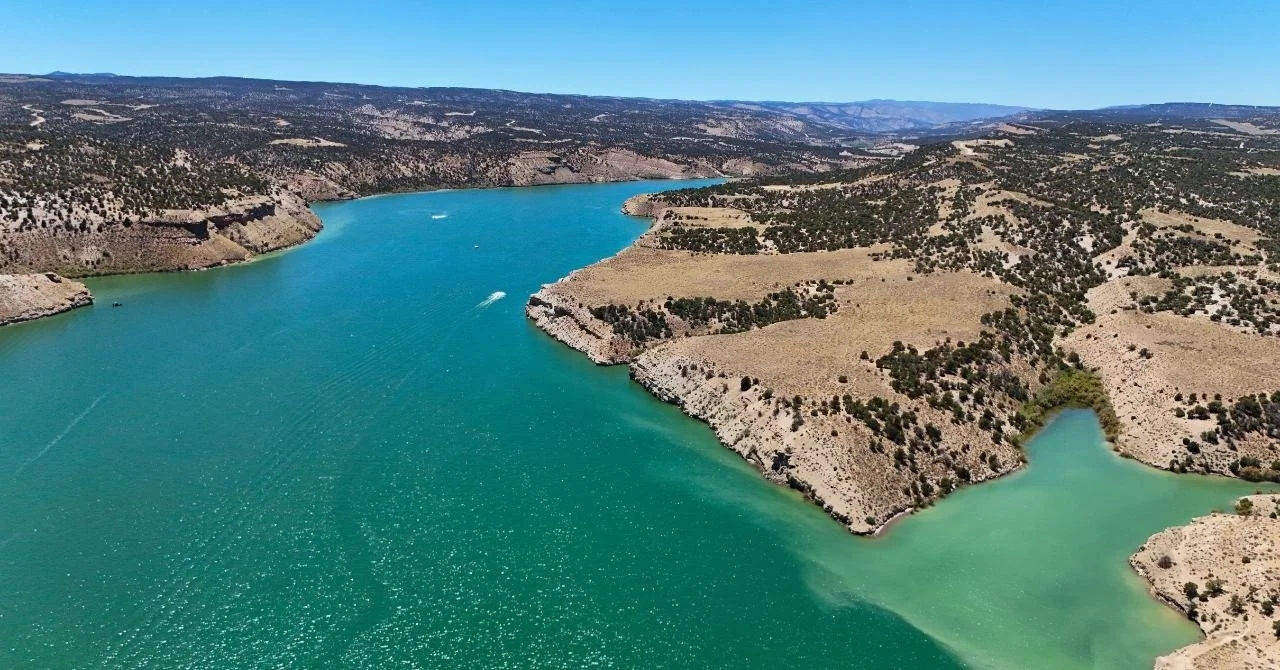
Starvation Reservoir in particular is one of the most visited recreation areas in eastern Utah. It attracts anglers, boaters, and families throughout spring and summer.
Outdoor access is a defining feature of the county.
2. The Uinta Basin Landscape
Duchesne County is part of the larger Uinta Basin, known for its distinct geography. The basin features a mix of sagebrush flats, rolling hills, river valleys, and mountain views.
The contrast between high desert terrain and alpine forested mountains gives the area visual diversity. Elevations range from lower basin areas to higher mountain regions, which contributes to four distinct seasons.
This landscape is often associated with:
Wide, open property
Scenic building sites
Wildlife habitat
Agricultural land
The geography plays a major role in both recreation and land ownership opportunities.
3. Energy Production and Natural Resources
Duchesne County has long been known for oil and natural gas production. The energy industry has been a major economic driver in the region for decades.
Oil fields and related industries have shaped the local workforce and infrastructure. While energy production fluctuates with market conditions, it remains a significant part of the county’s identity and economy.
This connection to natural resources has influenced:
Employment patterns
Local business development
Infrastructure growth
Energy development is part of the county’s modern history.
4. Ranching and Agriculture
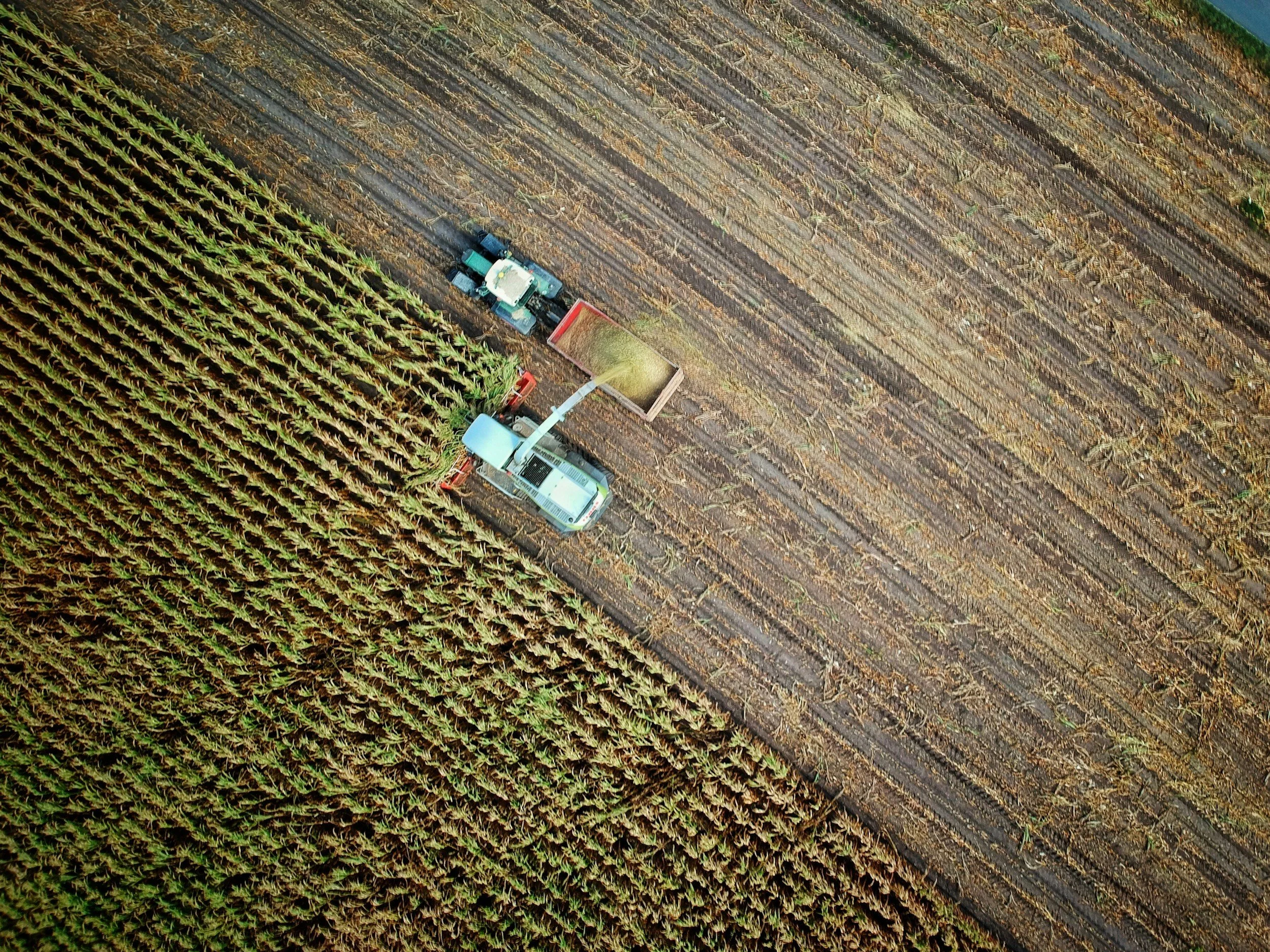
Agriculture remains an important part of Duchesne County’s reputation. Ranching, cattle operations, and farming are common throughout the region.
Open pastureland and irrigation systems support:
Cattle ranching
Hay production
Small farms
This agricultural presence contributes to the county’s rural character and slower pace of life. Many properties outside city limits are used for livestock or small scale farming.
5. Small Town Communities
Duchesne County is home to several small towns, each contributing to the county’s culture and identity.
Notable communities include:
Duchesne
Roosevelt
Myton
Tabiona
These towns are known for local events, community ties, and rural living. Many residents value the quieter lifestyle compared to larger Utah cities.
Community events, school sports, and local businesses form the core of daily life.
6. Proximity to the Uinta Mountains
Access to the Uinta Mountains is one of Duchesne County’s biggest advantages. The mountains offer year round recreation, including hiking, fishing, snowmobiling, and camping.
The Uintas are unique because they run east to west, unlike most mountain ranges in North America. This geography contributes to scenic drives and diverse ecosystems.
For many residents and visitors, the mountains are what make the area stand out.
7. Land Ownership Opportunities
Duchesne County is also known for its available rural land. Compared to more developed counties in Utah, property prices tend to be more accessible.
Buyers are often drawn to:
Larger parcels
Recreational lots
Cabin sites
Long term land investment
Off grid potential
The county’s combination of open space, lower population density, and outdoor access makes it appealing to those looking for room to build or hold land long term.
8. Four Distinct Seasons
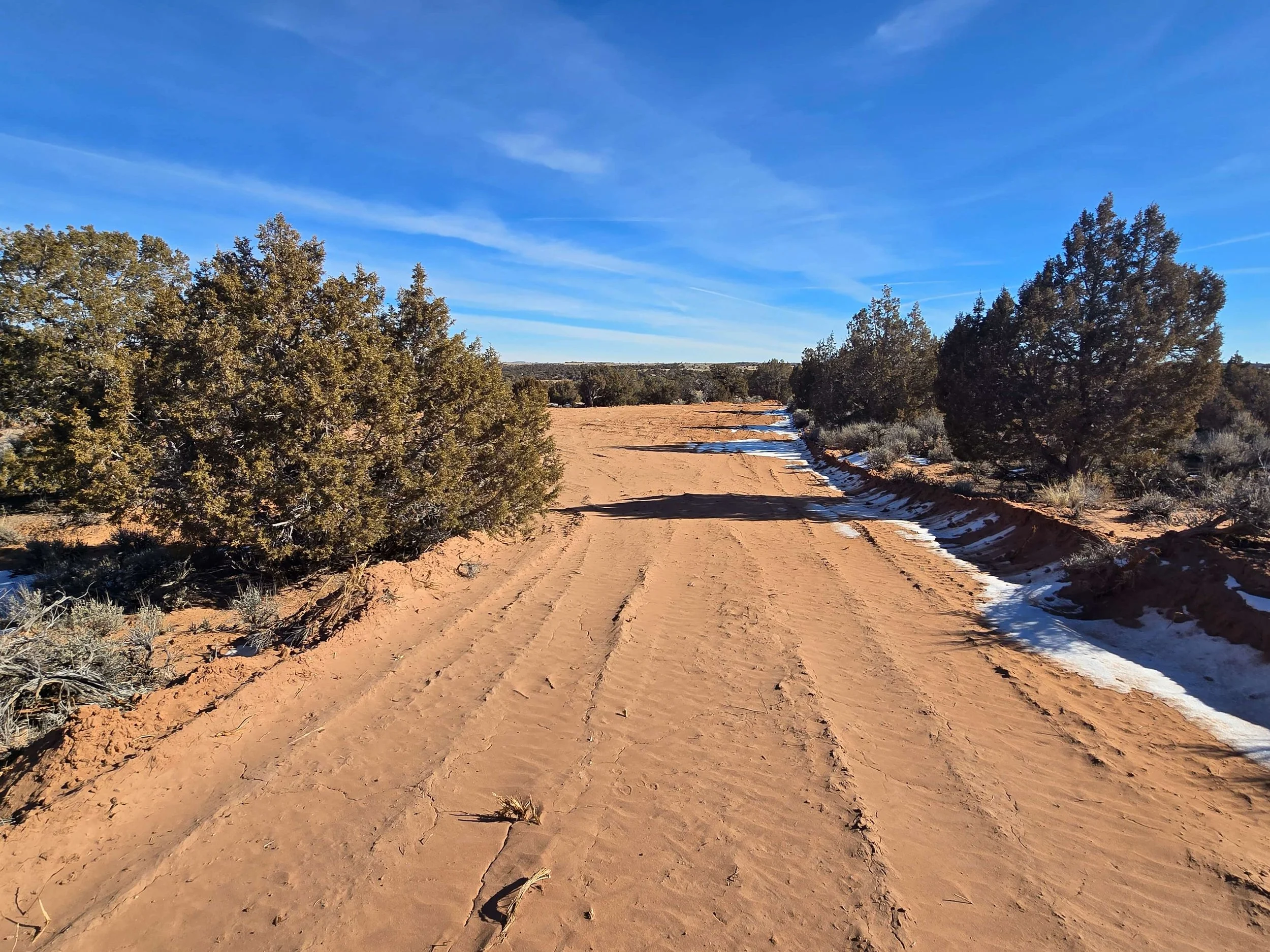
Duchesne County experiences clear seasonal changes. Winters bring snow. Springs are mild. Summers are warm but generally less humid than many states. Fall brings cooler temperatures and changing foliage in higher elevations.
The seasonal climate supports:
Snow based recreation in winter
Fishing and boating in summer
Hunting seasons in fall
Gardening during warmer months
Weather patterns are predictable and part of daily life.
Final Thoughts: Why Duchesne County Stands Out
Duchesne County is famous for its open landscapes, outdoor recreation, energy resources, agricultural roots, and accessible land opportunities. It represents a different pace of life compared to urban Utah.
For some, it is known for Starvation Reservoir. For others, it is the Uinta Mountains. For many landowners, it is the opportunity to own property with space, privacy, and long term potential.
Whether you are visiting, investing, or considering a move, Duchesne County is recognized for its balance of natural beauty and rural practicality.