
Can You Lease Your Rural Land for Grazing or Hay in Utah?
Disclaimer: This blog post is purely informational and not meant to be taken as legal adivce.
Can You Lease Your Rural Land for Grazing or Hay in Utah?
Leasing rural land for grazing or hay is a common practice in Utah, especially in agricultural counties where open land is widely available. For landowners who are not actively farming or living on their property, leasing can provide modest income while keeping the land in productive use. However, not every parcel qualifies, and there are important legal and practical considerations to understand before entering into any agreement.
This guide explains how grazing and hay leases work in Utah, what makes land suitable, and what landowners should confirm before leasing.
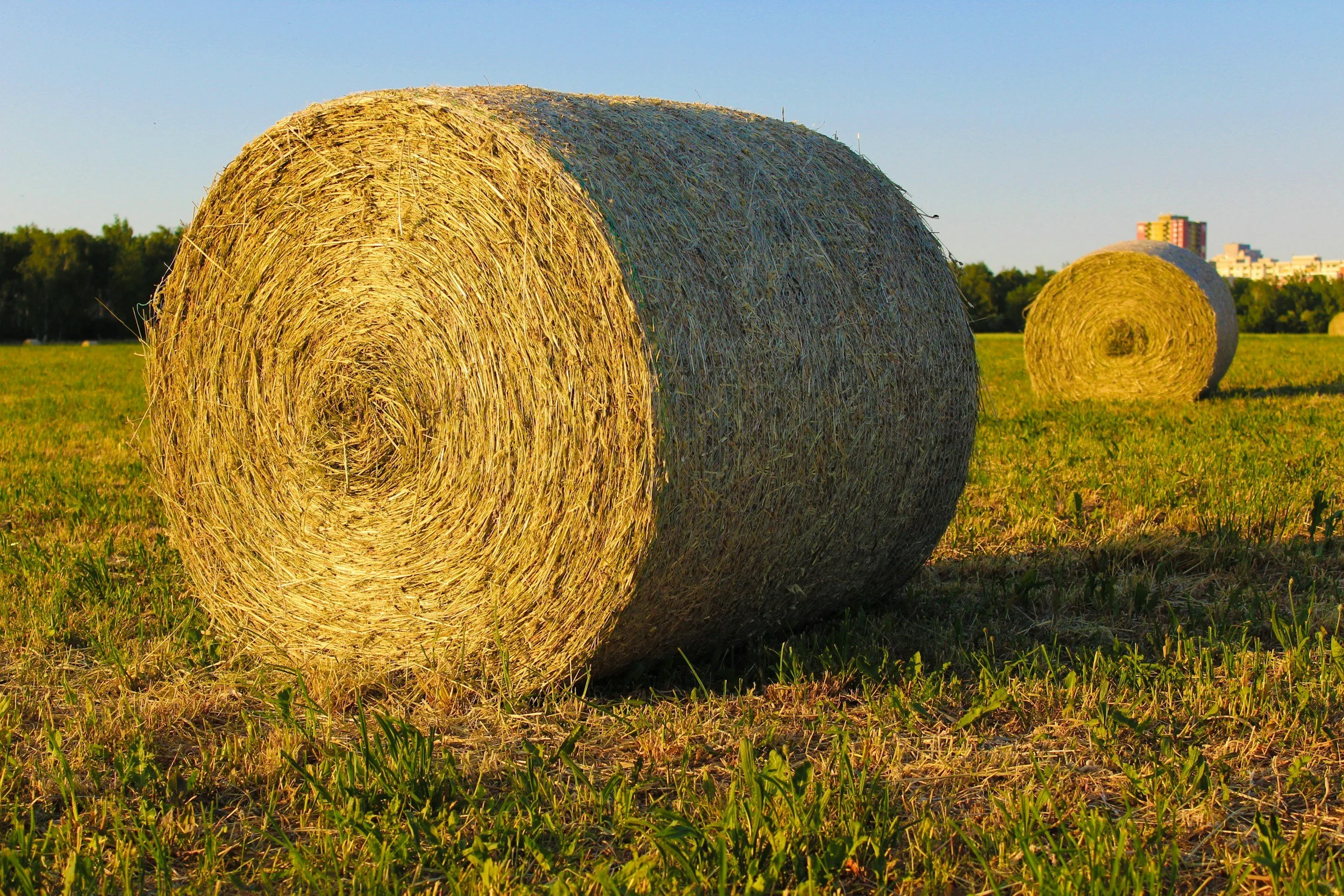
Is It Legal to Lease Rural Land for Grazing or Hay in Utah?
Yes, leasing private rural land for grazing or hay production is legal in Utah. Many landowners enter into informal or formal agreements with local ranchers or farmers, particularly for seasonal use.
However, legality depends on several factors:
Zoning and land use designation
County regulations
Access to water
Environmental or conservation restrictions
Before leasing, landowners should confirm that agricultural use is allowed on their specific parcel. Some rural residential or recreational zones may restrict commercial agricultural activity.
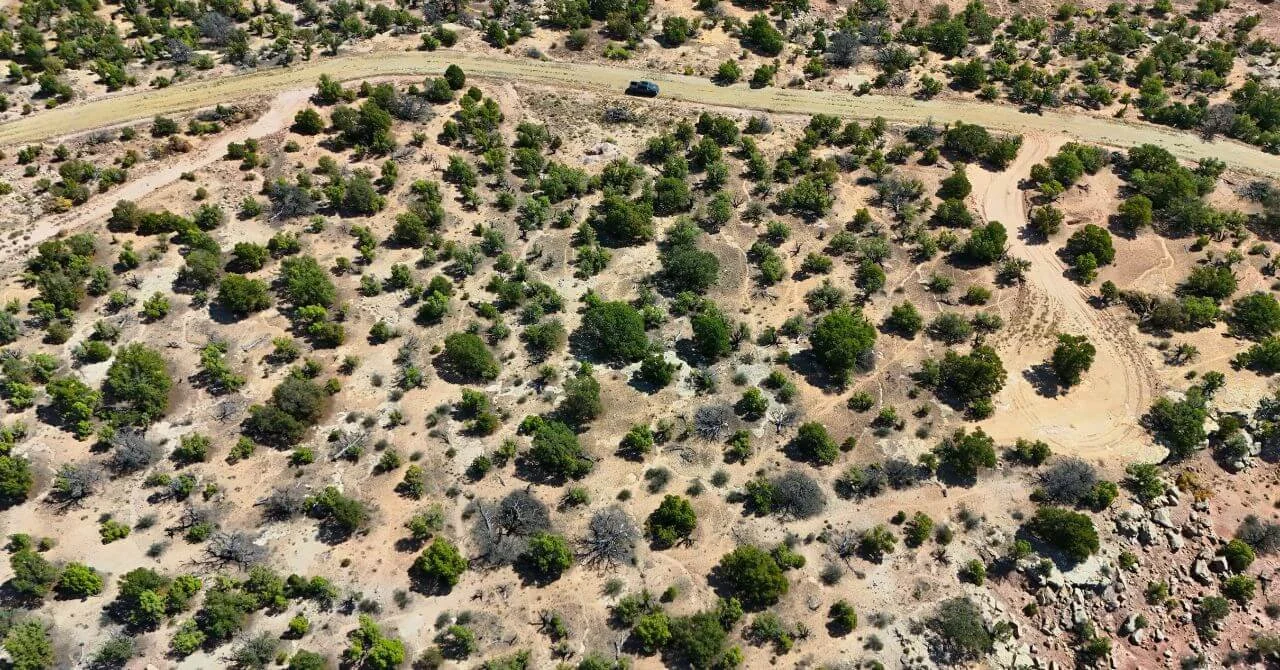
What Makes Land Suitable for Grazing or Hay Leasing?
Not all rural land is usable for livestock or hay. Productive leases typically require specific conditions.
Grazing Land Requirements
Natural forage or improved pasture
Reliable water access such as ponds, wells, or nearby streams
Fencing or the ability to install fencing
Seasonal access for livestock transport
Dry, high desert parcels may support limited grazing, but stocking rates are usually low and seasonal.
Hay Production Requirements
Flat or gently sloped terrain
Irrigation water rights or reliable water source
Soil suitable for grass or alfalfa growth
Vehicle access for equipment and harvesting
Hay leases are more restrictive than grazing leases because water rights and soil quality play a major role.
How Grazing and Hay Leases Typically Work
Most agricultural leases in Utah are simple agreements, often seasonal rather than long term.
Common lease structures include:
Per acre annual payment
Per head of livestock
Seasonal use agreements
Crop share arrangements for hay
Many agreements are informal, but written contracts are strongly recommended to define responsibilities and reduce liability.
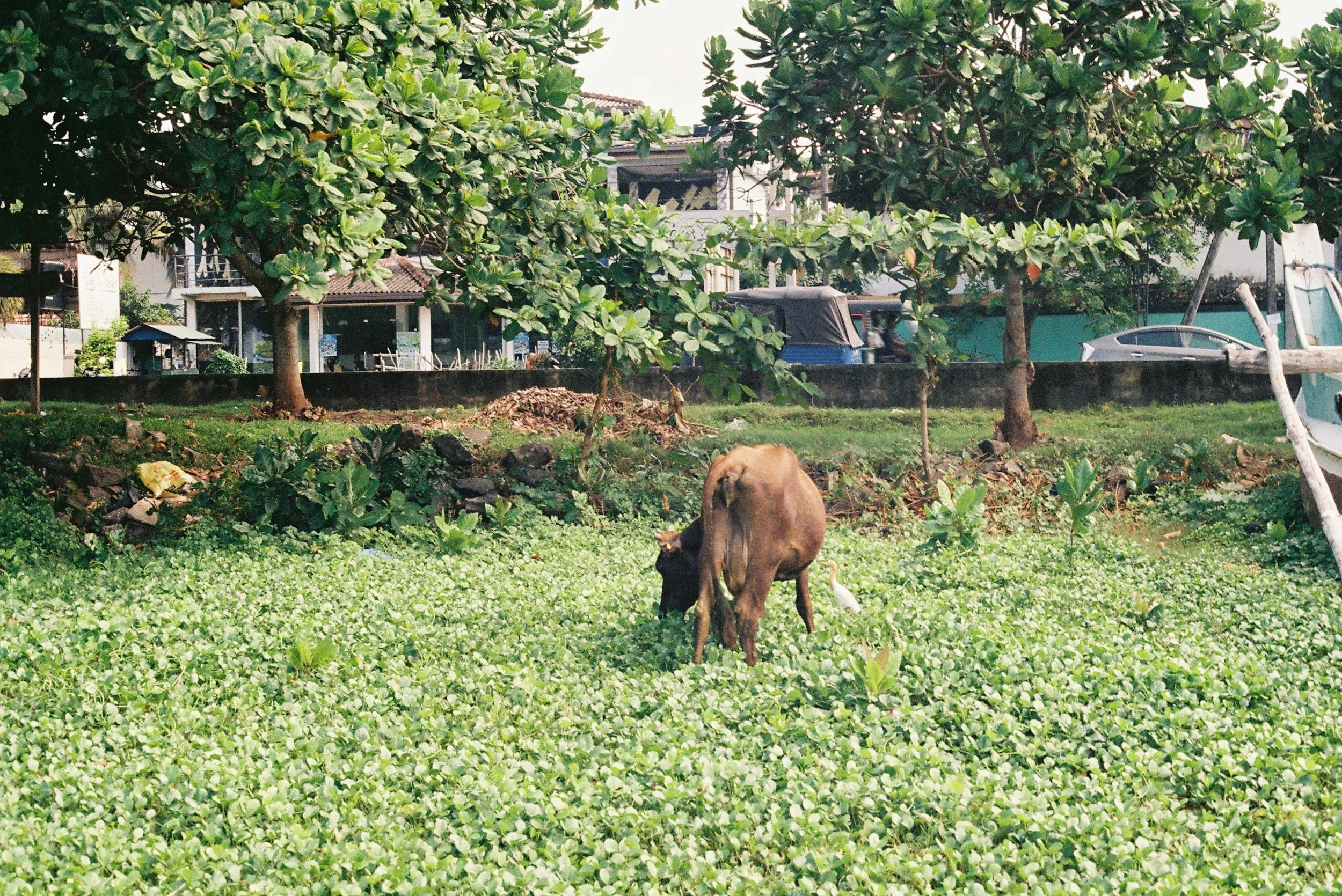
Who Is Responsible for Fencing, Water, and Maintenance?
Lease terms determine responsibility, but common arrangements include:
The landowner provides land and existing improvements
The lessee maintains fencing and livestock care
Water access responsibilities are clearly defined
Liability and insurance requirements are outlined
Without a written agreement, disputes can arise over fence damage, overgrazing, or land condition after the lease ends.
Liability and Insurance Considerations
Allowing livestock or equipment on your land introduces liability risks. Landowners should consider:
Requiring the lessee to carry liability insurance
Clearly defining allowed uses
Restricting subleasing
Including indemnification language
Some landowners also consult an attorney or agricultural extension office before finalizing a lease.
Does Leasing Impact Long Term Land Value?
In most cases, responsible grazing does not harm land value and may help maintain vegetation and reduce fire risk. Overgrazing, poor water management, or soil compaction can have negative effects if not controlled.
For hay production, repeated cutting and irrigation can improve or degrade land depending on management practices. Lease terms should include expectations for land condition at the end of the agreement.
Is Leasing Rural Land Worth It?
Leasing for grazing or hay is not usually a high income strategy, but it can:
Offset property taxes
Keep land maintained
Build relationships with local agricultural operators
Provide passive use while holding land long term
For many owners, the primary value is land stewardship rather than profit.
Final Thoughts
Leasing rural land for grazing or hay in Utah is possible, but suitability depends on zoning, water access, terrain, and management expectations. Before leasing, landowners should verify county regulations, understand their land’s capabilities, and use clear written agreements to protect both parties.
For buyers considering rural land ownership, understanding potential agricultural use can help guide smarter long term decisions.