
How Do I Start Homesteading With No Money?
How to Start Homesteading With No Money
Starting homesteading with no money is less about purchasing land or equipment and more about changing how you live. Many people assume they need acreage, animals, solar panels, and a large savings account before they can begin. In reality, homesteading begins with habits. It begins with learning how to produce, repair, grow, cook, and manage resources more efficiently than before.
If you are starting from zero financially, you are not behind. You are simply beginning at the most practical entry point. When money is limited, you are forced to build systems slowly and intentionally. That often leads to stronger long term results because every step is deliberate.
Homesteading without money is possible when you focus on reducing expenses, building skills, and creating momentum over time.
Step 1: Redefine What Homesteading Actually Means
Before planting a garden or buying supplies, clarify your goal. Homesteading is not about aesthetics. It is about self reliance. It is about lowering dependency on outside systems and building resilience into your daily life.
That can look like:
Cooking from scratch instead of buying processed food
Repairing items instead of replacing them
Growing even a small portion of your own food
Reducing monthly expenses
Learning practical skills
The shift in mindset matters more than any purchase.
When you stop viewing homesteading as a destination and start seeing it as a process, you remove financial barriers.
Step 2: Audit Your Expenses and Create Margin
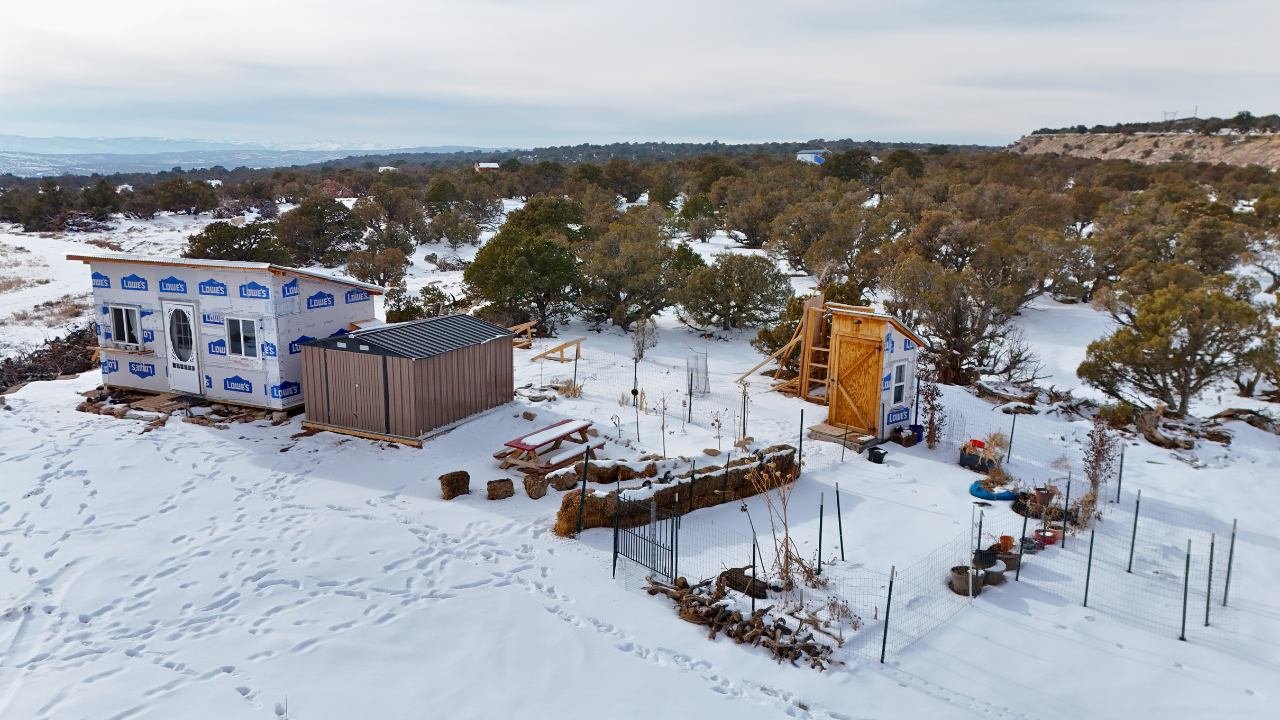
If you truly have no extra money, your first homestead project is your budget. Most households can free up funds by reducing waste. That money becomes seed capital for future tools, seeds, or infrastructure.
Start by tracking:
Grocery spending
Eating out
Convenience purchases
Subscription services
Household waste
Cooking simple meals, baking bread, and preparing food at home can lower grocery costs significantly. That savings, even if small, compounds over time.
For example, saving $25 per week equals $1,300 per year. That can fund seeds, soil, fencing, or even help with a land down payment later.
Financial margin creates freedom.
Step 3: Grow Food in the Smallest Way Possible
You do not need land to grow food. Many people begin in apartments, townhomes, or small suburban lots. The goal is not scale. It is experience and consistency.
Start with low cost, high yield crops that do not require expensive soil or equipment.
Beginner friendly options include:
Potatoes
Zucchini
Green beans
Lettuce
Spinach
Tomatoes
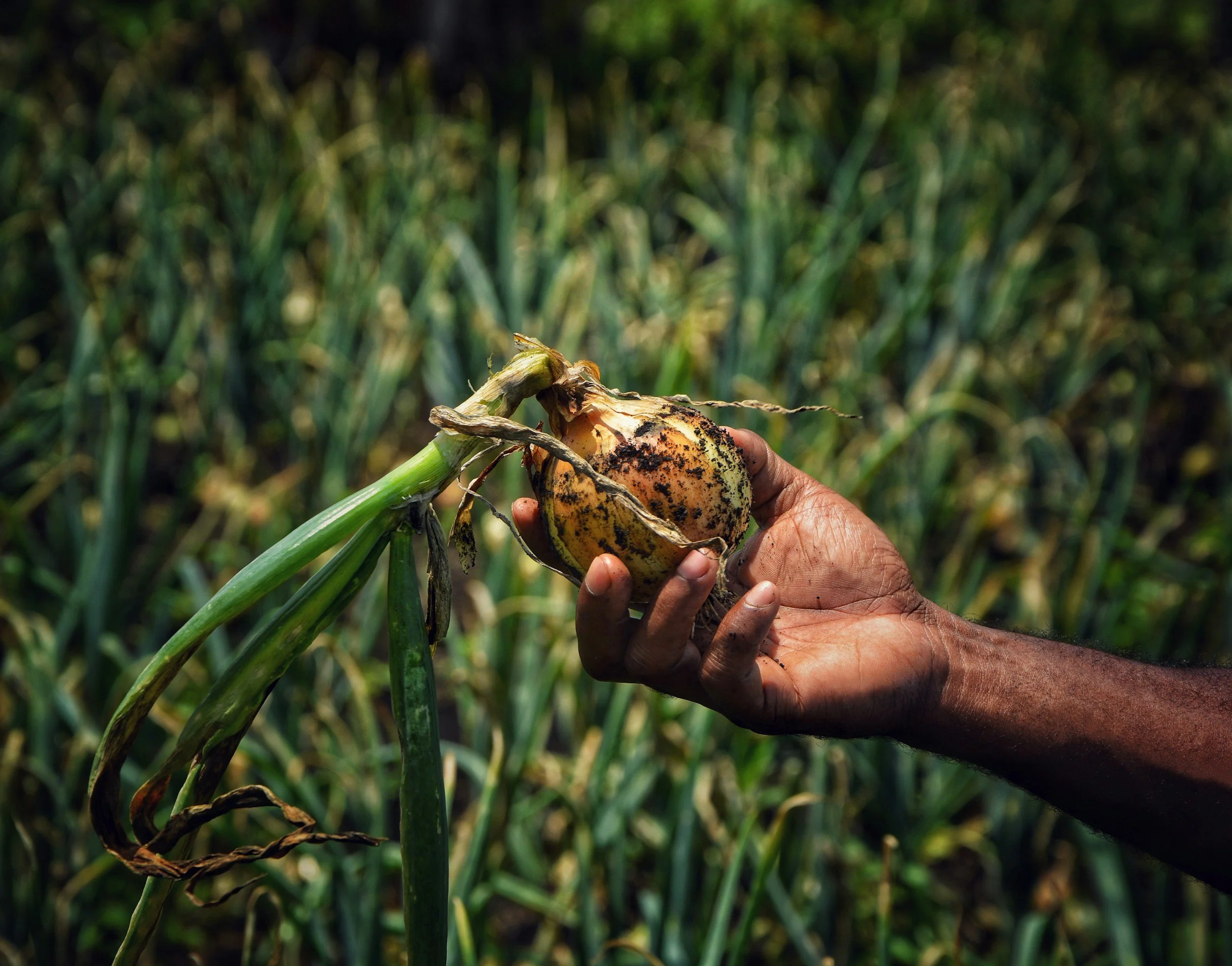
Onions
You can grow in:
Buckets
Recycled containers
Raised beds built from scrap wood
Borrowed garden space
Community gardens are often affordable and give you access to land without ownership costs.
Even a small harvest builds confidence and reduces grocery expenses.
Step 4: Focus on Skills Before Infrastructure
One of the most expensive mistakes beginners make is investing in infrastructure before learning the basics. Buying tools does not create independence. Skill does.
Instead of purchasing expensive systems, focus on building knowledge.
Valuable homesteading skills include:
Seed starting
Composting
Basic carpentry
Food preservation
Sewing and mending
Meal planning
Water management
Budget discipline
Libraries, free online tutorials, and community classes provide access to knowledge at little or no cost.
Skill building prevents costly mistakes later.
Step 5: Use Free and Reclaimed Materials
Homesteading does not require new materials. Many successful homesteaders use reclaimed wood, repurposed fencing, secondhand tools, and free building supplies.
Look for:
Pallets for garden beds
Scrap lumber from construction sites
Free livestock equipment listings
Used canning jars
Secondhand tools
Online marketplaces and local community boards often have free or low cost materials.
Starting with reclaimed supplies lowers financial risk while you learn.
Step 6: Start Producing Before Adding Animals
Animals are appealing, but they add expense quickly. Feed, shelter, fencing, and healthcare all cost money. If you are starting with no financial cushion, begin with plants.
Once you have:
A stable garden
Some emergency savings
Basic infrastructure
Then consider small livestock such as:
Chickens
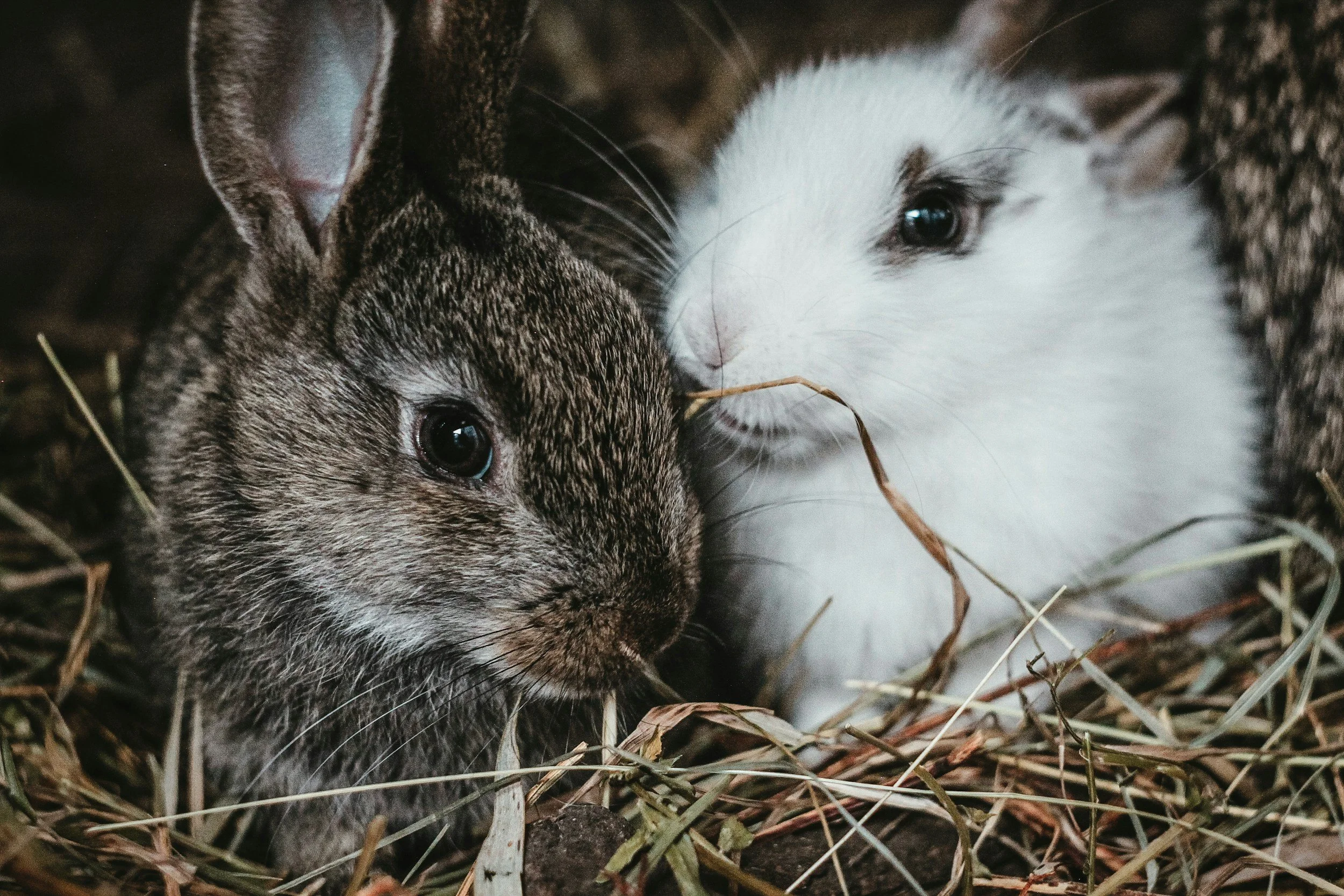
Rabbits
Bees
Animals should support your system, not strain it.
Step 7: Build Community and Trade Skills
Homesteading has historically relied on cooperation. If you lack money, consider what you can offer.
You might exchange:
Labor for garden space
Baked goods for eggs
Help with fencing for produce
Carpentry work for materials
Community reduces startup costs and increases knowledge sharing.
Strong networks are often more valuable than money.
Step 8: Think Long Term About Land
If your goal is eventually owning rural land, use this phase to prepare financially and mentally. Many people rush into land ownership before developing systems. Starting small allows you to test your commitment.
When you are ready for land, you will already understand:
Gardening cycles
Water needs
Infrastructure planning
Seasonal workload
Budget discipline
Land expands opportunity, but it is not the starting point.
Step 9: Accept Slow Growth
Homesteading with no money is not fast. It is steady. Progress may feel small at first, but small systems compound.
A single garden bed becomes multiple beds.
Savings from cooking at home become fencing.
A small tool collection becomes a workshop.
Confidence becomes larger projects.
Momentum is built by consistency.
Final Thoughts: You Do Not Need Money to Begin
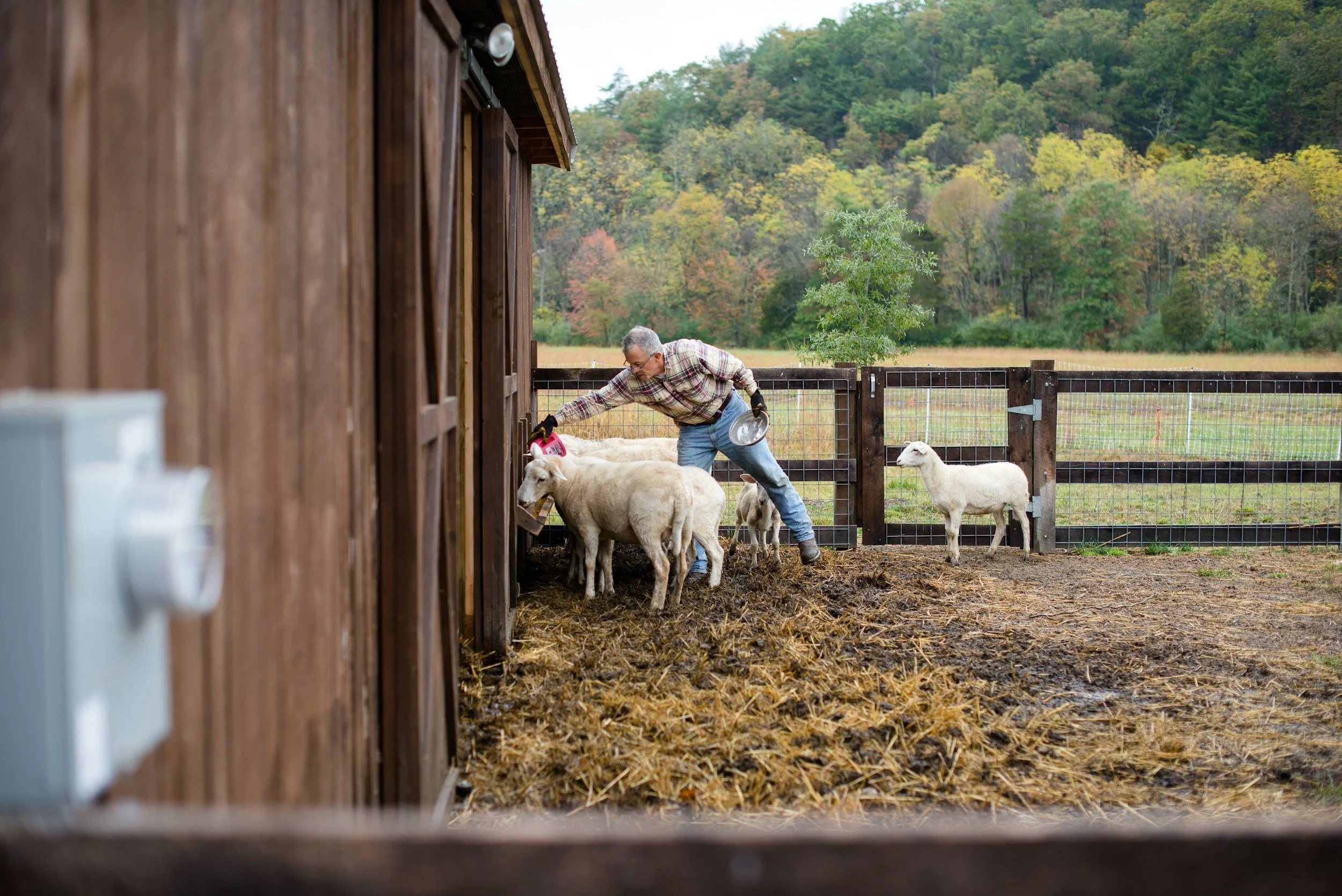
You need commitment, patience, and discipline. Many people wait until they have more money before starting. The truth is that beginning now, even in small ways, builds the skills that money alone cannot buy.
Start where you are.
Use what you have.
Build slowly.
Homesteading is not purchased. It is practiced.