.webp)
Yes, it does snow in Duchesne, Utah, and snow is a normal and expected part of winter life in this area. Located in the Uinta Basin at a higher elevation than many Utah cities, Duchesne experiences cold winters with consistent snowfall. For residents, landowners, and visitors, understanding the local weather patterns helps with planning travel, building, recreation, and year round use of property.
This guide breaks down what kind of snow Duchesne gets, when it falls, how it compares to nearby cities, and what you should realistically expect during winter months.
Duchesne sits at roughly 5,500 feet in elevation, which plays a major role in its winter weather. The city has a semi arid climate, meaning precipitation is spread out but winter storms still bring regular snow.
Winter conditions are shaped by cold air settling into the basin and storm systems moving through eastern Utah. Snowfall tends to come in steady events rather than constant heavy storms.
Typical winter characteristics include:
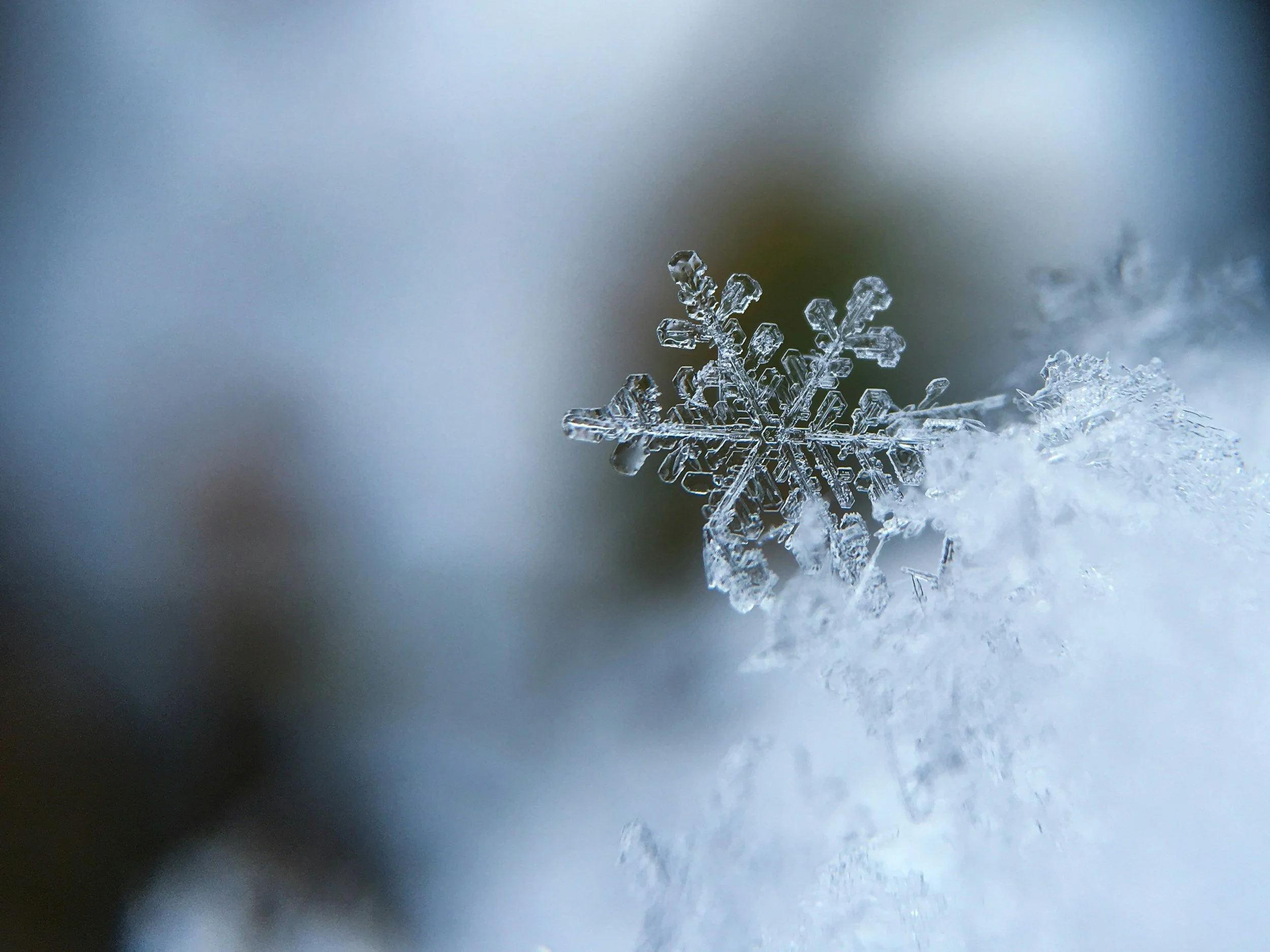
On average, Duchesne receives around 40 to 60 inches of snow per year. Snowfall varies year to year, but this range is consistent enough that locals expect snow every winter.
Snow accumulation usually happens in waves. Some storms bring only a few inches, while others can drop heavier totals over a short period. Snow often stays on the ground longer than in lower elevation Utah cities.
What to expect:
Snow season in Duchesne typically starts earlier and ends later than along the Wasatch Front.
Average snowfall timeline:
Winter temperatures often stay cold enough that snow does not immediately melt, especially in shaded areas or on undeveloped land.
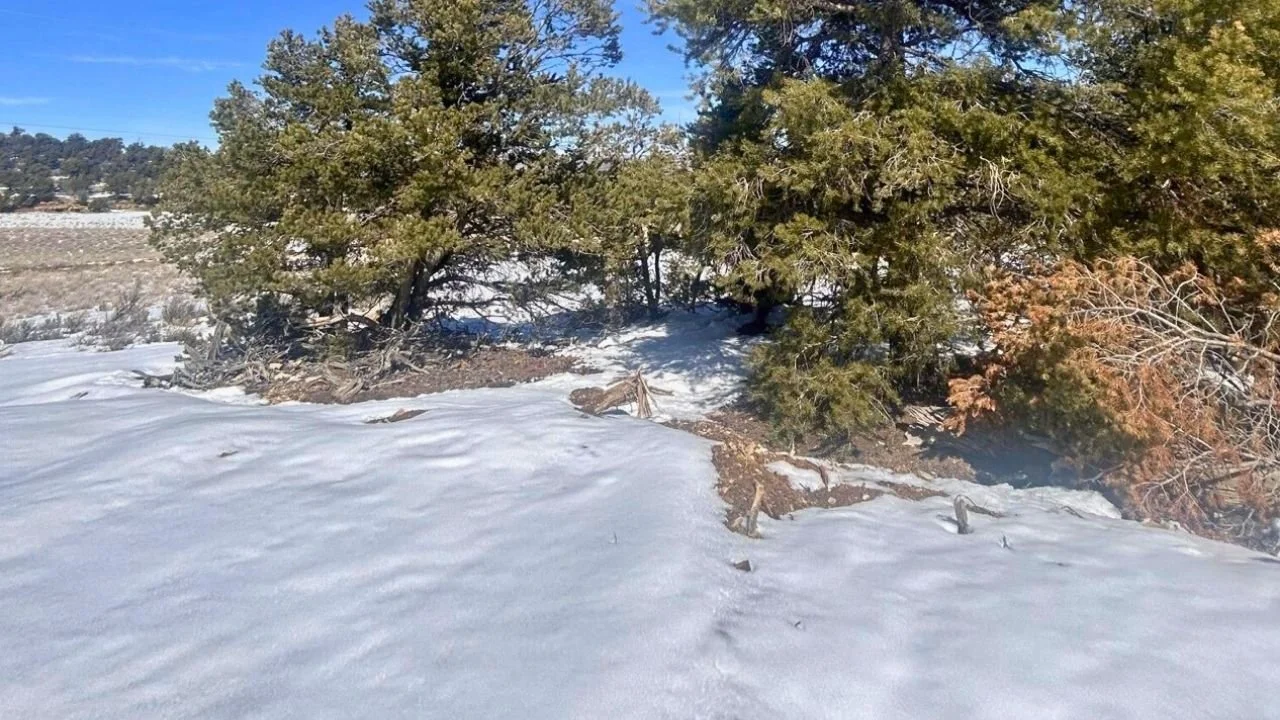
Snow in Duchesne comes with cold temperatures, but conditions are usually manageable with preparation.
Typical winter temperature ranges:
The dry climate makes cold weather feel less damp compared to snowier regions. Many residents find winters predictable once they are used to them.
Snowfall in Duchesne is influenced by elevation and basin geography. Here is how it compares to nearby areas.
Vernal generally sees slightly less snow than Duchesne, though cold temperatures are comparable. Snow accumulation may not last as long.
Snow is a routine part of life in Duchesne and infrastructure is built with winter in mind. Roads are plowed regularly and most residents are well prepared.
Common winter considerations include:
For those owning land outside city limits, winter access is an important factor to plan ahead for.

Snow and Outdoor Recreation
Snow brings opportunities for winter recreation in and around Duchesne. The nearby Uinta Mountains offer snowmobiling, cross country skiing, and winter camping for those prepared for cold conditions.
Popular winter activities include:
Snow is part of what draws many people to the area for seasonal and recreational use.
If you are considering land ownership in or around Duchesne, snow should be viewed as a normal seasonal condition, not a drawback.
Key points for buyers:
Many buyers see Duchesne’s winter climate as a benefit, offering four distinct seasons and reliable water cycles tied to snowmelt.
For most people, Duchesne’s snowfall feels balanced. It has enough snow to support winter recreation and seasonal beauty, but not the constant heavy snowfall seen in higher mountain towns.
Snow is predictable, manageable, and part of the rhythm of life in the Uinta Basin.
Yes, Duchesne gets snow every winter, with moderate annual totals and cold seasonal temperatures. Snowfall is consistent, winters are well understood by locals, and life continues year round with the right preparation.
Whether you are planning to live in Duchesne, buy land, or visit during winter months, snow is something to expect and plan for, not something to fear.