.webp)
What Is a Modern Day Homesteader?
A modern day homesteader is someone who chooses a lifestyle centered around self-sufficiency, simple living, and reconnecting with the land. While the days of the original Homestead Act are long gone, the spirit behind it is stronger than ever. Today’s homesteaders aren’t necessarily farming hundreds of acres or living miles from town. Many are everyday people raising families, working full-time jobs, and slowly building skills that help them rely less on outside systems. Modern homesteading can happen on a rural Utah lot, a five acre mini ranch, or even a small off grid parcel with enough room for a garden, a solar setup, and a place to breathe. The common goal is to create a life that feels grounded, intentional, and hands-on.
The Core Mindset of Modern Homesteading
Modern homesteaders usually share a mindset focused on independence, creativity, and resilience. Instead of depending fully on stores or traditional utilities, they look for ways to produce what they can, conserve resources, and understand the natural environment around them. This doesn’t mean living without comfort. It means choosing what comforts matter and learning how to support them sustainably. Many people are drawn to this lifestyle because it offers clarity about their food, their energy use, and the land they live on. The shift isn’t only physical; it’s mental. Homesteaders often describe feeling more connected to their property because they participate in caring for it daily. That sense of purpose is a huge part of what defines the modern homesteader.
Common Practices of Today’s Homesteaders
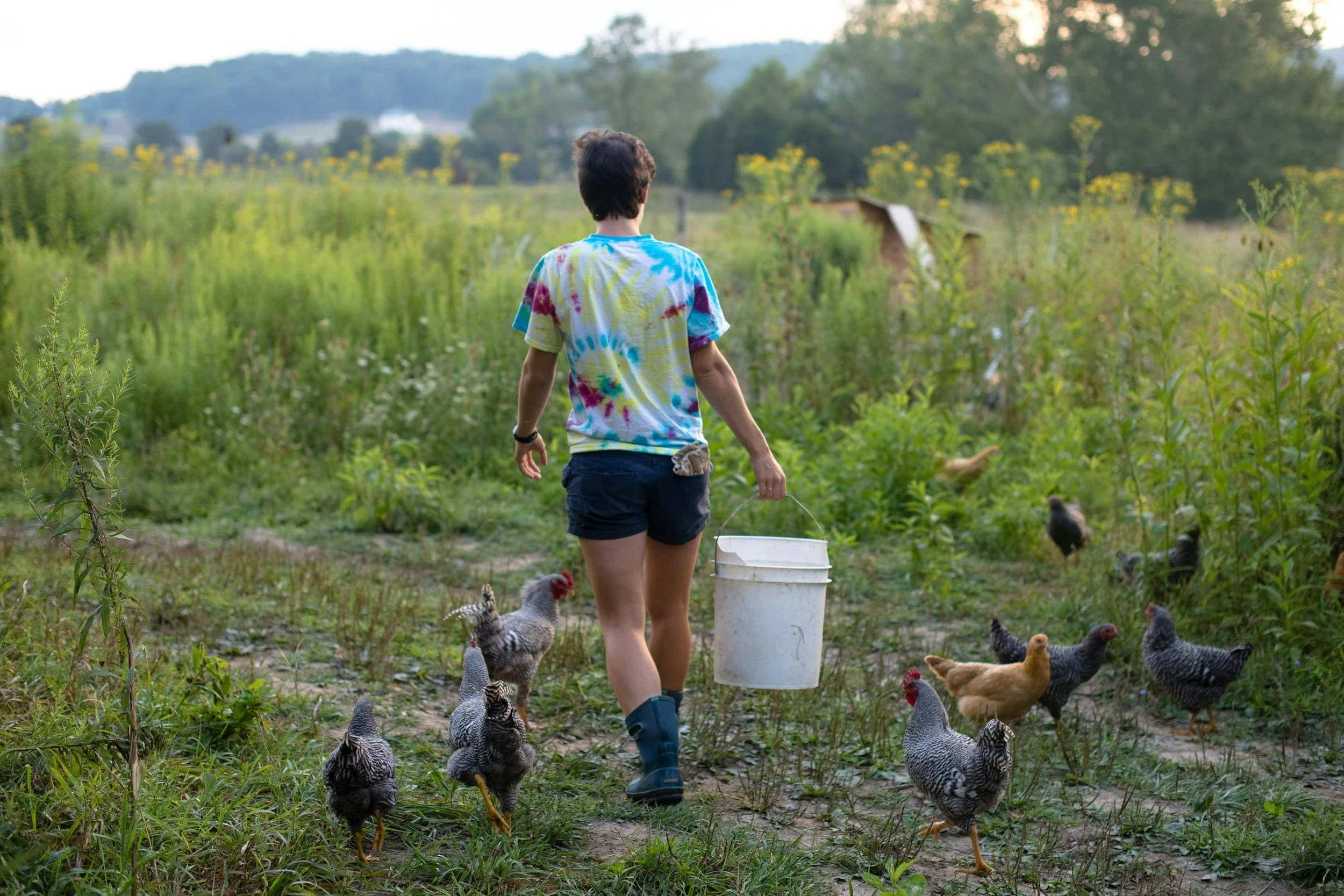
Modern homesteaders use a mix of traditional skills and new technologies to build a lifestyle that fits their needs. These practices look different for everyone, but many include a combination of the following:
- Growing food through raised beds, greenhouses, or small orchards.
- Raising chickens, goats, or other livestock for eggs, meat, dairy, or soil improvements.
- Using solar panels or generators to supplement or replace grid power.
- Installing septic systems or using composting toilets on rural land.
- Harvesting rainwater or hauling water when utilities aren’t available.
- Learning preservation skills like canning, dehydrating, and fermenting.
- Creating DIY solutions for fencing, animal shelters, and garden structures.
- Managing land with thoughtful care toward erosion, soil health, and wildlife.
These practices allow people to shape a lifestyle that balances independence with practicality. Homesteading today isn’t about doing everything yourself; it’s about learning what becomes more meaningful when you do.

Where Modern Homesteaders Live
Homesteaders exist everywhere, but rural states like Utah attract many people seeking space, quiet, and long term land potential. Large acreage isn’t required to start. Many homesteaders begin with:
- A one to five acre parcel for gardening and small livestock.
- A ten to twenty acre recreational property they slowly develop over time.
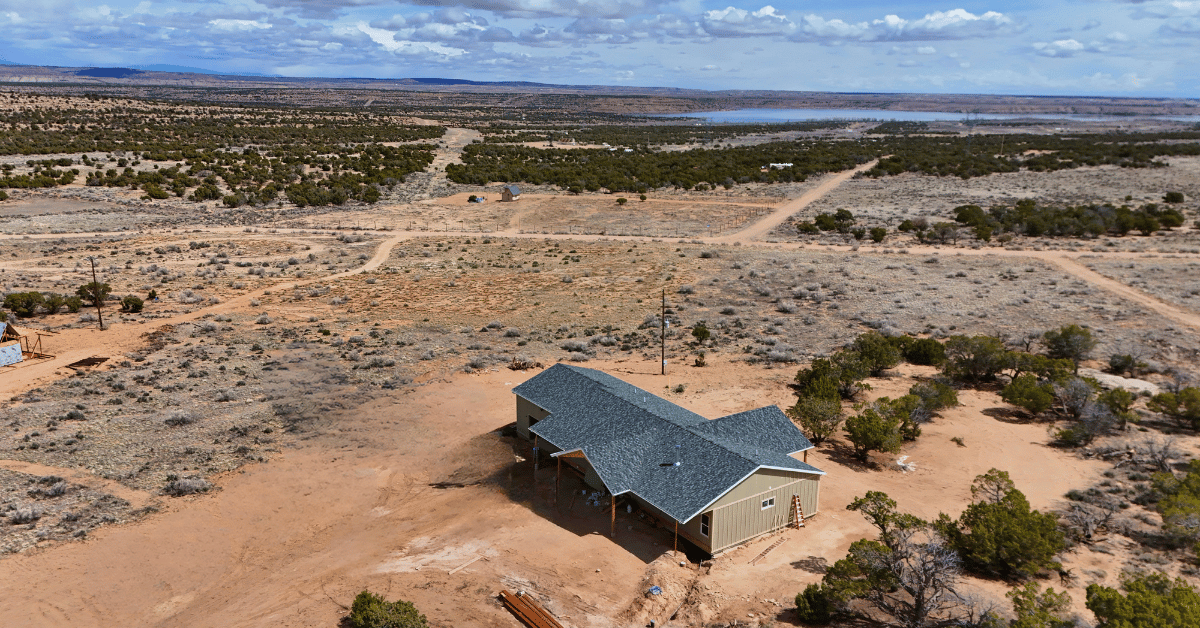
- A remote off grid lot where they build a cabin or seasonal setup.
- A family property that becomes a long term homestead for future generations.
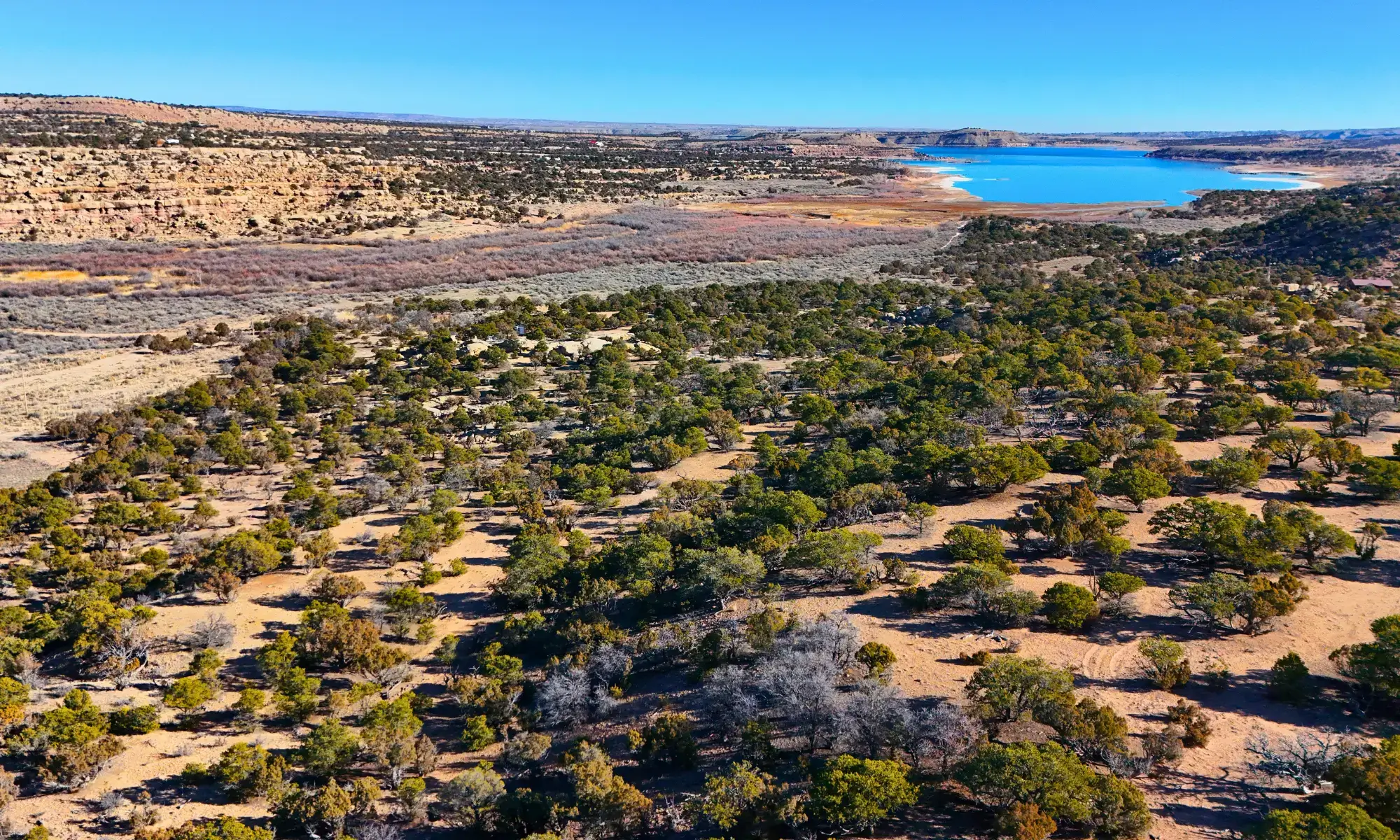
Utah’s mix of A5 zoning, agricultural land, and remote recreational parcels makes it especially popular for buyers wanting flexibility. These areas allow gardens, small barns, animal enclosures, sheds, solar arrays, and other essentials without strict restrictions. For many people, that freedom opens the door to real homesteading.
Why Homesteading Is Growing Again
Homesteading is on the rise because people want more control over their lives and finances. Rising grocery prices, interest in organic food, and a desire for long term security push many families toward rural living. Others choose homesteading because they want a healthier relationship with the land, or they’re tired of the fast pace of urban life. The appeal is simple. When you grow even a small amount of your own food or produce your own power, you gain confidence and stability. You feel more prepared for unexpected events. Many homesteaders say the lifestyle gives them a sense of pride and peace they couldn’t find elsewhere. That emotional benefit drives the movement as much as the practical one.
How to Start Your Own Homestead
Starting doesn’t require perfection or a huge budget. It begins with one decision: choosing a piece of land that fits your goals. From there, you add skills, tools, and improvements at a pace that works for your life. Many new homesteaders start with simple steps such as:
- Growing a single garden bed to learn soil and water needs.
- Bringing home a small flock of chickens.
- Building a shed, greenhouse, or compost system.
- Setting up solar panels or testing off grid living on weekends.
- Learning about zoning, access roads, and long term land use.
Over time, these small choices build a lifestyle that becomes deeply meaningful. The modern homesteader isn’t defined by how much land they own or how many animals they raise. They’re defined by their commitment to learning, adapting, and creating a life that feels both independent and intentional.
Closing Thoughts
A modern day homesteader is anyone who chooses to build a life rooted in self-reliance, land stewardship, and purposeful living. Whether your homestead is one acre or forty, the journey is shaped by curiosity and the desire for a simpler, more grounded way of life. Utah offers space, freedom, and the right mix of rural zoning for people ready to begin this path, and every improvement brings you one step closer to a lifestyle that feels authentic and rewarding.
%20(446%20x%20128%20px)%20(306%20x%20105%20px)%20(2)%20(1).webp)


