.webp)
Rural vs Semi Rural Living: What’s the Difference and Which One Fits Your Lifestyle?
Choosing where to live shapes everything from your daily routine to your long term goals. Many land buyers look at rural and semi rural areas because they want more space, more privacy, and a slower pace of life. Even though these areas are similar, they offer very different experiences when it comes to access, utilities, zoning, community, and overall lifestyle. Understanding the differences helps you choose the type of land that fits your priorities and your future plans. Whether you want total quiet and distance from neighbors or you want open space with easier access to town, both rural and semi rural living come with unique advantages.
What Is Considered Rural Living
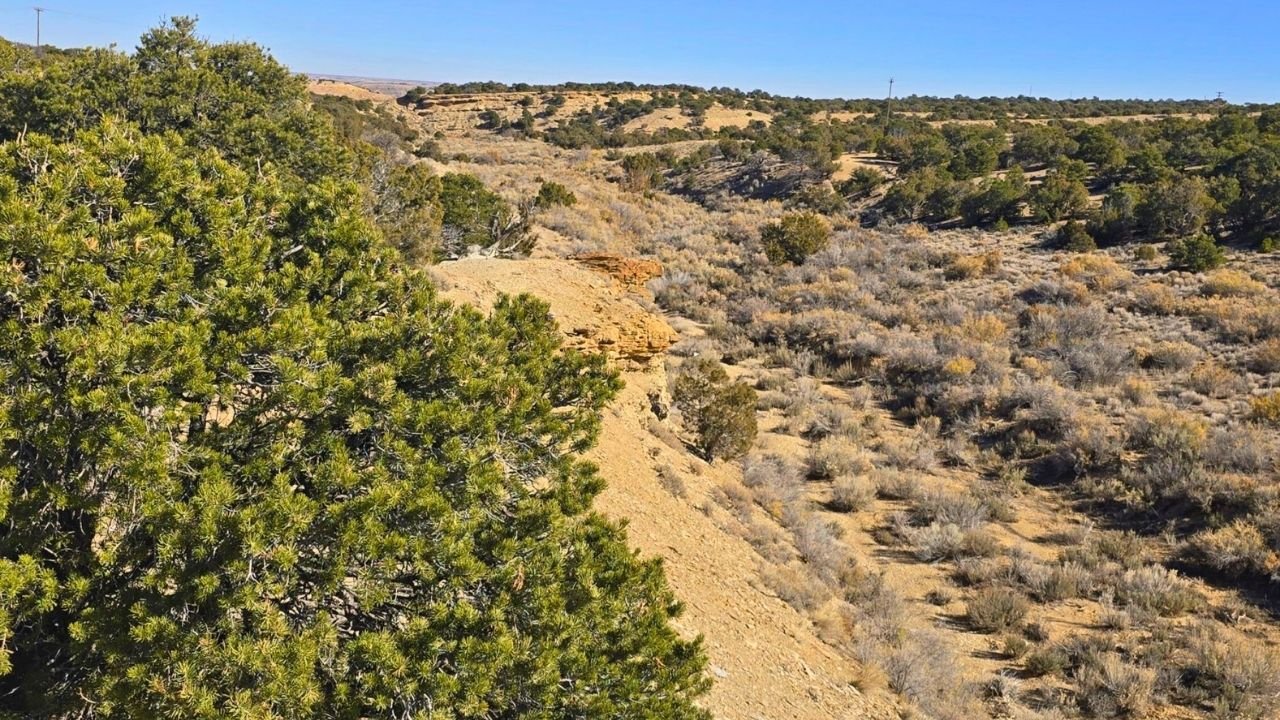
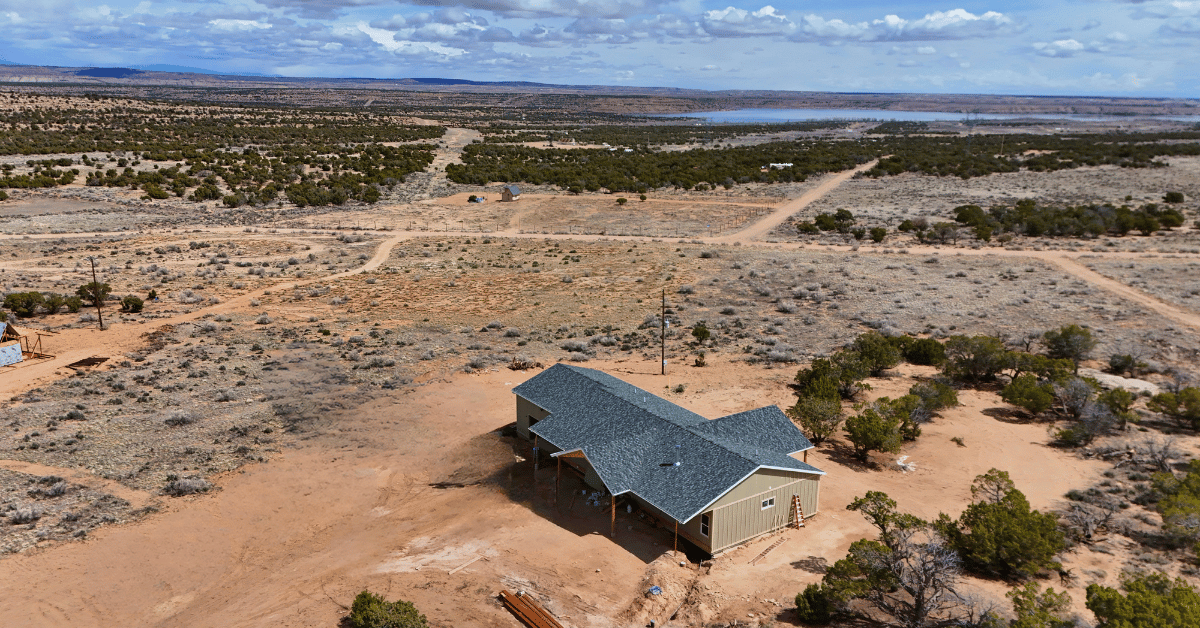
Rural living refers to areas located far outside cities and suburbs, where population density is low and properties offer large stretches of open land. In rural settings, people often value privacy, independence, and the chance to build systems like wells, septic, solar, gardens, or livestock setups. Daily life is shaped by the land itself, and convenience comes from self reliance rather than nearby businesses. Rural living works well for people who prefer quiet surroundings, wide open landscapes, and minimal restrictions. However, it requires planning, especially for water, utilities, winter access, and long term development. These areas appeal to buyers who want to create homesteads, cabins, hobby farms, or recreational retreats where they can control how they use the land.
Key traits of rural living
- Limited neighbors and very low population density
- More off grid setups for water, power, and waste
- Greater freedom for gardening, livestock, and outbuildings
- Longer drive times to grocery stores, schools, and hospitals
- Strong connection to nature and wildlife
What Is Considered Semi Rural Living
Semi rural areas sit between suburban neighborhoods and deep rural regions. These locations offer a blend of open space and modern convenience. You may have neighbors nearby but still enjoy large lots, quiet streets, and more privacy than typical suburban communities. Semi rural living is ideal for people who want the benefits of extra land but still prefer easier access to schools, shopping, medical care, and utilities. Many semi rural areas have municipal water, standard power connections, and maintained roads. While zoning rules can be stricter than rural areas, they are still more flexible than most suburban neighborhoods, allowing residents to build workshops, plant large gardens, or keep small livestock depending on local regulations.
Key traits of semi rural living
- Larger lots than suburban neighborhoods
- Easier access to daily conveniences and services
- More traditional utilities and faster internet options
- Some zoning restrictions on animals or outbuildings
- Shorter commute times to nearby towns

Comparing Lifestyle Differences
Rural and semi rural living can feel similar at first glance, but the day to day lifestyle varies significantly. Rural living offers deep quiet and independence, which is great for people who enjoy solitude or want to create a long term homestead. However, it also means handling your own repairs, planning around seasonal weather, and driving longer distances for supplies. Semi rural living offers a middle ground where you still get open land and privacy but rely less on self built systems. The lifestyle is more convenient without losing the sense of space, making it popular for families, commuters, and buyers who want a balance between nature and accessibility.
Lifestyle considerations include:
- How far you want to drive for groceries or gas
- Whether you plan to raise animals or grow food
- How much independence vs convenience you want
- Your comfort level with off grid or self managed utilities
- Your long term plans for building or improving the property
Comparing Utilities and Infrastructure
Utilities are one of the biggest differences between rural and semi rural areas. Rural properties may require wells, hauled water, water tanks, septic systems, propane, solar panels, or generators. Internet may come from satellite or wireless providers. Driveways may be unpaved, and winter access may depend on your own snow removal. Semi rural living usually provides easier access to water lines, sewer or septic hookups, electrical grids, and broadband internet. Roads are more likely to be paved and maintained throughout the year. For buyers who want land without giving up convenience, semi rural areas offer the best of both worlds.
Utility and infrastructure differences:
- Water access: wells or hauled water vs municipal systems
- Power: off grid setups vs grid connected electricity
- Roads: private gravel roads vs county maintained routes
- Internet: satellite vs broadband
- Winter access: self managed vs regularly maintained

Zoning, Land Use, and Flexibility
Rural land typically offers more freedom for personal projects, livestock, RV parking, future building, agricultural activities, and off grid living. Counties often allow flexible use as long as you follow setback rules and septic regulations. This makes rural areas appealing for long term plans, self sufficiency, or multi structure setups. Semi rural land still offers flexibility but may have limitations on animals, fencing, or certain structures. Some areas require design standards or limit the number of outbuildings. These rules help maintain neighborhood consistency, but they also reduce the level of personal freedom compared to deep rural land.
Common land use differences:
- Rural zones allow broader building and homesteading options
- Semi rural zones may limit animal types or quantities
- RV parking rules are often more flexible in rural areas
- Agricultural activities are easier to approve on rural land
Which One Is Better for You
The best choice depends on your goals, lifestyle, and comfort level with planning and independence. Rural living is ideal for people who want space, privacy, and the ability to shape the land without many restrictions. It is great for homesteads, off grid living, cabins, or large recreational parcels. Semi rural living is better for those who want room to breathe without giving up convenience, reliable utilities, and shorter drive times. It works for families, commuters, or anyone who wants a manageable balance between country living and everyday services.
Closing Thoughts
Both rural and semi rural living offer meaningful benefits that appeal to people looking for more space and a slower pace of life. The key is understanding what kind of daily routine you want and how much independence you prefer. Whether you choose deep rural land or a semi rural area closer to town, the right property will support your long term plans and give you the freedom to build the lifestyle you want. If you need help finding land in either category, I can also create a landing page, FAQs, or Spanish version to match this blog.



%20(446%20x%20128%20px)%20(306%20x%20105%20px)%20(2)%20(1).webp)


