.webp)
Common Homesteading Mistakes to Avoid When Starting Your Rural Lifestyle
Homesteading appeals to people who want more independence, more freedom, and a slower pace of life, but the shift from a city environment to managing land can feel bigger than expected. The work is steady, the learning curve is consistent, and the systems you build early will either support you long term or create avoidable stress later. Most beginners underestimate how many small decisions matter, from where they place their garden to how they manage water, fencing, livestock, utilities, and winter preparation. This guide breaks down the most common mistakes people make in their first years of homesteading so you can start with a plan that fits your land, your budget, and your goals.
Starting Too Many Projects at Once
Many homesteaders begin with excitement and try to build several systems all at the same time. It feels productive to expand quickly, but this often leads to burnout, scattered spending, incomplete projects, and wasted resources. Homesteading requires consistent upkeep, and every new project adds daily or weekly tasks. When you start too fast, the workload becomes unmanageable and the quality of each system suffers. Taking a slower approach helps you understand the real time, cost, and maintenance needed for your homestead to function smoothly. You learn how your land reacts to seasons, where your natural strengths are, and which projects actually produce value. A steady growth plan also protects your budget because you avoid buying materials, tools, or animals before you are ready to take care of them.
Avoid this mistake by:
- Starting with one primary project at a time
- Planning yearly goals instead of weekly lists
- Reviewing time and cost for each project
- Keeping livestock numbers low the first season
Underestimating Water Needs
Water is the backbone of every homestead, yet beginners often guess their needs instead of calculating them. Animals require consistent water access every day, gardens need reliable irrigation, fruit trees need seasonal deep watering, and off grid setups depend on stored or hauled water. Underestimating these needs leads to shortages, emergency hauling, stressed animals, and crop losses. In areas like rural Utah, where water availability varies, water management becomes even more important. Understanding your water source, pressure, storage, and flow patterns helps you design a system that supports your entire property year round. A strong water plan includes not only daily use but also drought preparation, storage backups, and efficient irrigation so you are never scrambling during hot months.
Avoid this mistake by:
- Calculating exact water use for animals and plants
- Installing drip irrigation instead of overhead sprinklers
- Adding extra storage tanks for security
- Keeping water containers filled before each season
Poor Soil Preparation
Many new homesteaders plant crops without understanding their soil type, structure, or nutrient balance. Soil determines everything about your harvest, yet it is often overlooked until plants begin to struggle. Rocky soil, clay heavy ground, nutrient depleted dirt, or alkaline soil can limit plant growth, reduce yields, and waste your time and money. Healthy soil takes effort to build, and that work always pays off in better production. Testing your soil tells you what it needs, and amendments such as compost, mulch, and organic matter help create a long term foundation for your garden, trees, and future growing spaces. Well prepared soil also reduces watering needs, improves drainage, and supports plant resilience, making your entire homestead more productive.
Avoid this mistake by:
- Running a soil test before planting
- Adding compost and organic matter regularly
- Learning your climate zone and recommended crops
- Building raised beds if ground soil needs major improvement

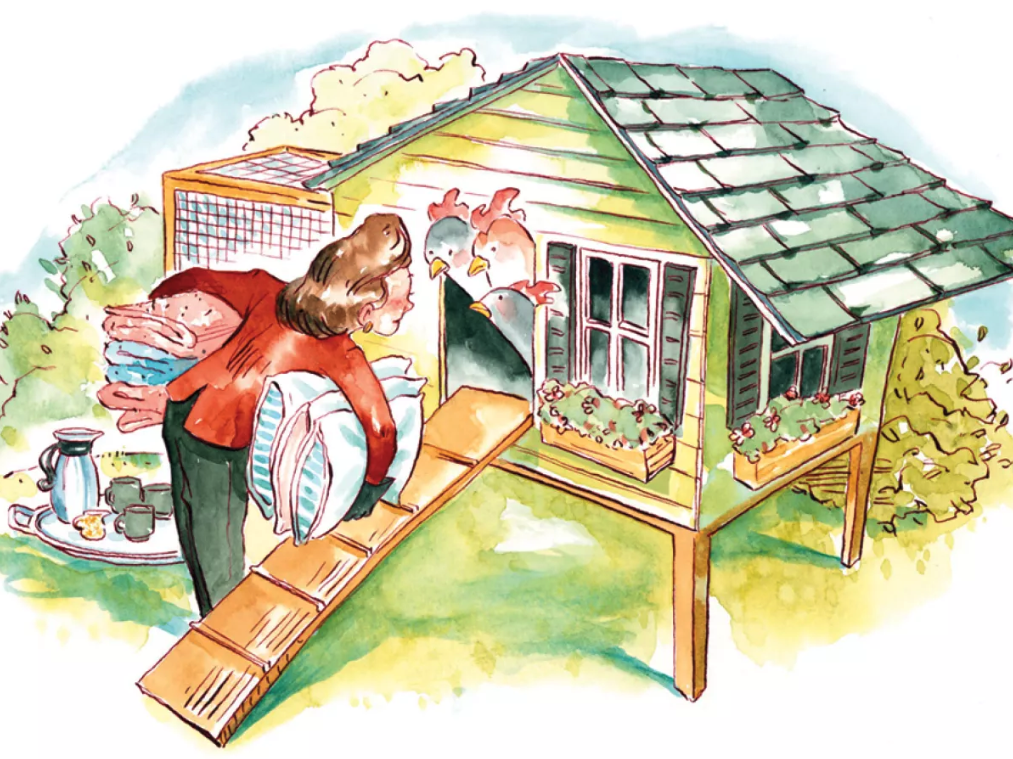
Getting Animals Before Infrastructure
Livestock is appealing in the early stages of homesteading, but bringing animals home before building proper infrastructure creates constant challenges. Animals need secure fencing, shelter from weather, feed storage, clean water access, waste management plans, and enough space to remain healthy. When these systems are not prepared, everything becomes reactive and stressful. Animals may escape, shelters may break under weather conditions, and feeding routines become inconsistent. Planning first allows you to build durable, functional setups that support the animals and reduce your daily workload. It also gives you time to learn local zoning regulations, required permits, and winter needs so you avoid surprise costs.
Avoid this mistake by:
- Building fencing before purchasing animals
- Securing shelters that withstand seasonal weather
- Planning winter feed and bedding early
- Starting with easy, low maintenance animals
Ignoring Long Term Costs
Homesteading can be affordable, but only when you plan for the long term. Many beginners focus on the initial cost of tools, seeds, or animals and forget about recurring expenses. Feed prices change throughout the year, soil amendments need replenishing, fuel costs affect machinery, and repairs are inevitable. Without budgeting for these ongoing costs, small expenses build up quickly and create financial pressure. A sustainable homestead includes a clear view of yearly, seasonal, and emergency costs so you can grow at a pace that fits your income. Tracking your expenses helps you see which projects give a return on investment and which ones consume resources without long term value.
Avoid this mistake by:
- Listing all yearly and seasonal expenses
- Building an emergency repair fund
- Tracking project costs closely
- Growing your homestead gradually
Not Learning the Land First
Every property has its own natural patterns, and taking time to observe them prevents long term mistakes. Sun exposure shifts throughout the year, winds hit certain parts of the land harder, low areas may flood, and wildlife activity can affect gardens and animals. Starting projects without learning these patterns often leads to misplaced gardens, unstable fencing, damaged structures, or wasted effort. Observing your land across different seasons helps you design better systems, place structures in smarter locations, and avoid repeating work. Good planning is one of the strongest advantages you can give yourself during your first year.
Avoid this mistake by:
- Mapping sun and shade at different times of day
- Watching water flow during storms
- Noting wildlife tracks and grazing habits
- Placing buildings where wind exposure is low
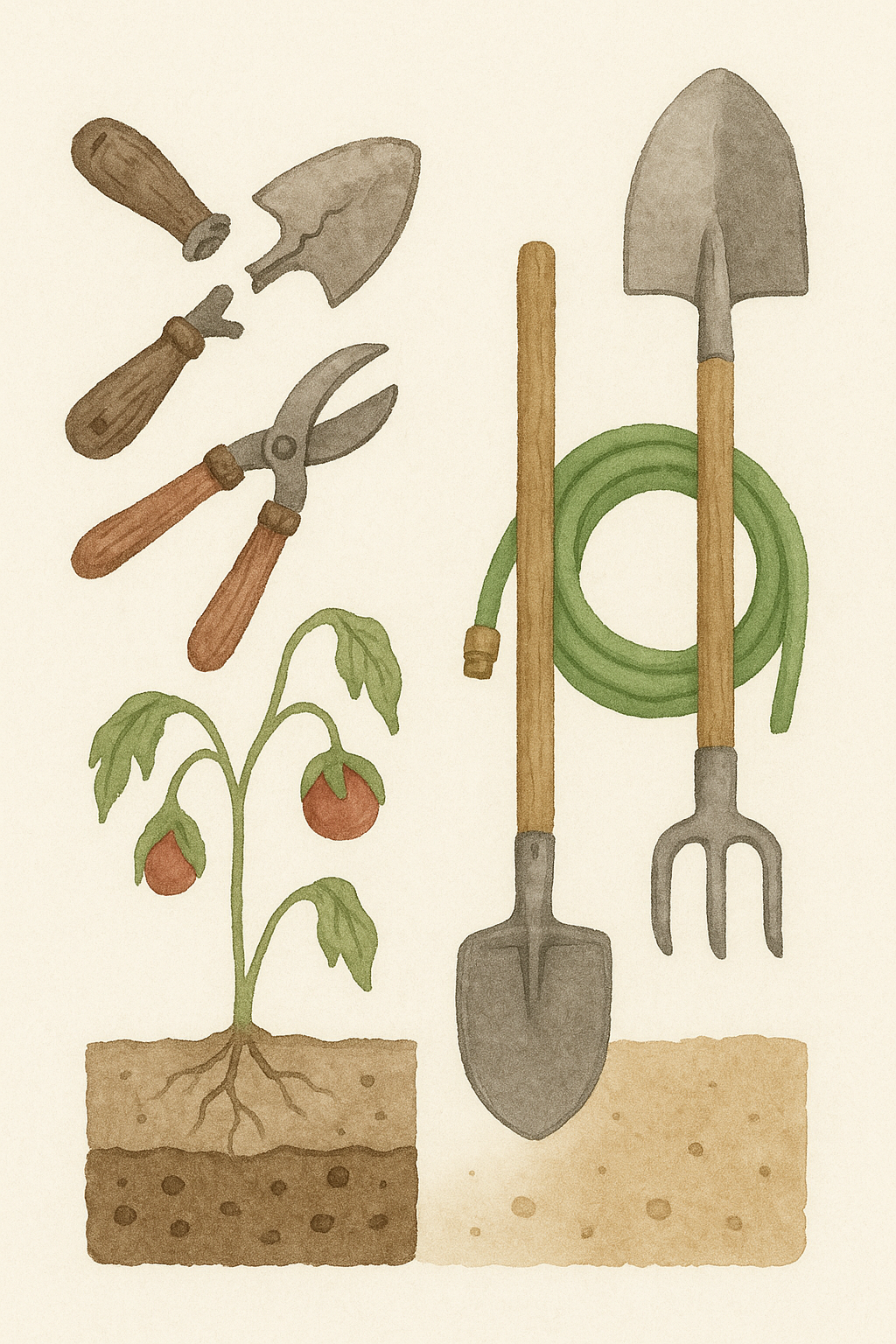
Using the Wrong Tools or Cheap Equipment
Cheap tools might seem budget friendly, but they break easily, perform poorly, and often need to be replaced multiple times. Homesteading involves daily physical work, and durable equipment makes a major difference in safety and productivity. Strong fencing materials prevent animal escapes, reliable irrigation parts reduce leaks, and sturdy hand tools last through multiple seasons of digging, pruning, or harvesting. Using the right tools also speeds up your work, reduces strain on your body, and helps you complete projects correctly the first time. Investing slowly in high quality items saves money over time and creates a smoother workflow.
Avoid this mistake by:
- Buying durable tools one at a time
- Storing tools properly to extend their life
- Choosing heavy duty fencing materials
- Keeping backup irrigation parts on hand
Forgetting to Plan for Winter
Winter brings challenges that many new homesteaders do not anticipate. Freezing temperatures affect water lines, snow can block access to barns or coops, wind can damage structures, and livestock require more feed and shelter. Homes with off grid setups need backup heat plans and stored supplies in case of storms. Planning ahead allows you to prepare your property, animals, and systems long before winter arrives. This includes reinforcing shelters, storing feed, insulating pipes, and clearing accessible pathways. Proper preparation prevents emergency situations and keeps your homestead stable throughout the cold season.
Avoid this mistake by:
- Stocking winter feed months early
- Insulating water lines and hoses
- Building windbreaks near exposed areas
- Keeping backup heating or lighting sources
Closing Thoughts
Homesteading becomes much easier when you know what to expect and where beginners often struggle. Starting slow, observing your land, and preparing essential systems first creates a strong foundation for everything you build in the future. Each season teaches you more about what your property needs, and avoiding these common mistakes helps you enjoy the process while keeping your workload and budget under control. With time, consistency, and good planning, your homestead becomes a stable and enjoyable lifestyle you can build on for years.
%20(446%20x%20128%20px)%20(306%20x%20105%20px)%20(2)%20(1).webp)


