.webp)

Rural vs Urban Living: What’s the Best Fit for You?
Choosing between rural and urban living is one of the most important decisions buyers make when thinking about lifestyle, housing, and long-term goals. Both settings offer unique advantages, but they also come with different expectations related to cost, pace of life, community, and available land. Understanding these differences helps you decide what aligns with your personal priorities, financial plans, and the type of environment you want to live in daily. Many buyers consider rural areas because of affordability and privacy, while others prefer the access and convenience of city life. Taking a closer look at both makes the decision clearer and more realistic.
Cost of Living Differences
One of the biggest differences between rural and urban living is overall cost. Urban areas come with higher prices for housing, transportation, food, and entertainment. Cities charge more because demand is higher and space is limited. This means buyers pay more for smaller homes, apartments, or condos and often face higher property taxes or HOA fees. Daily expenses also increase due to parking, commuting costs, and premium pricing on goods and services.
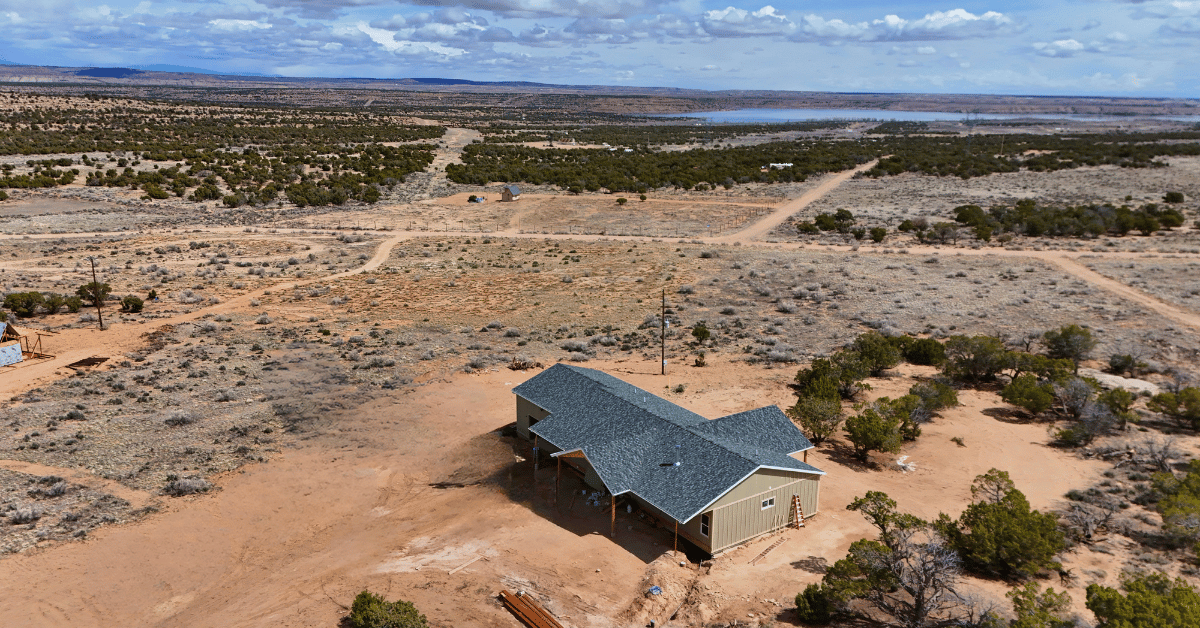
Rural areas offer much more affordable land and lower overall living expenses. Buyers can purchase larger parcels, homes with acreage, or even off grid properties at a fraction of urban prices. Lower taxes, less congestion, and fewer lifestyle expenses allow owners to spread their budget further. This cost difference is one of the main reasons many homeowners consider moving outside city limits.

Key cost differences
- Urban housing prices are significantly higher
- Rural land and homes offer more space for less money
- Transportation is costlier in cities due to traffic and parking
- Rural living reduces daily spending and long-term financial pressure
Lifestyle and Pace of Living
Urban living provides constant activity. Cities are known for entertainment, restaurants, nightlife, and access to services at nearly any hour. The pace of life is fast, and people often move through routines built around work, errands, and commuting. For many, this environment is stimulating and convenient, offering opportunities for career growth and social interaction.
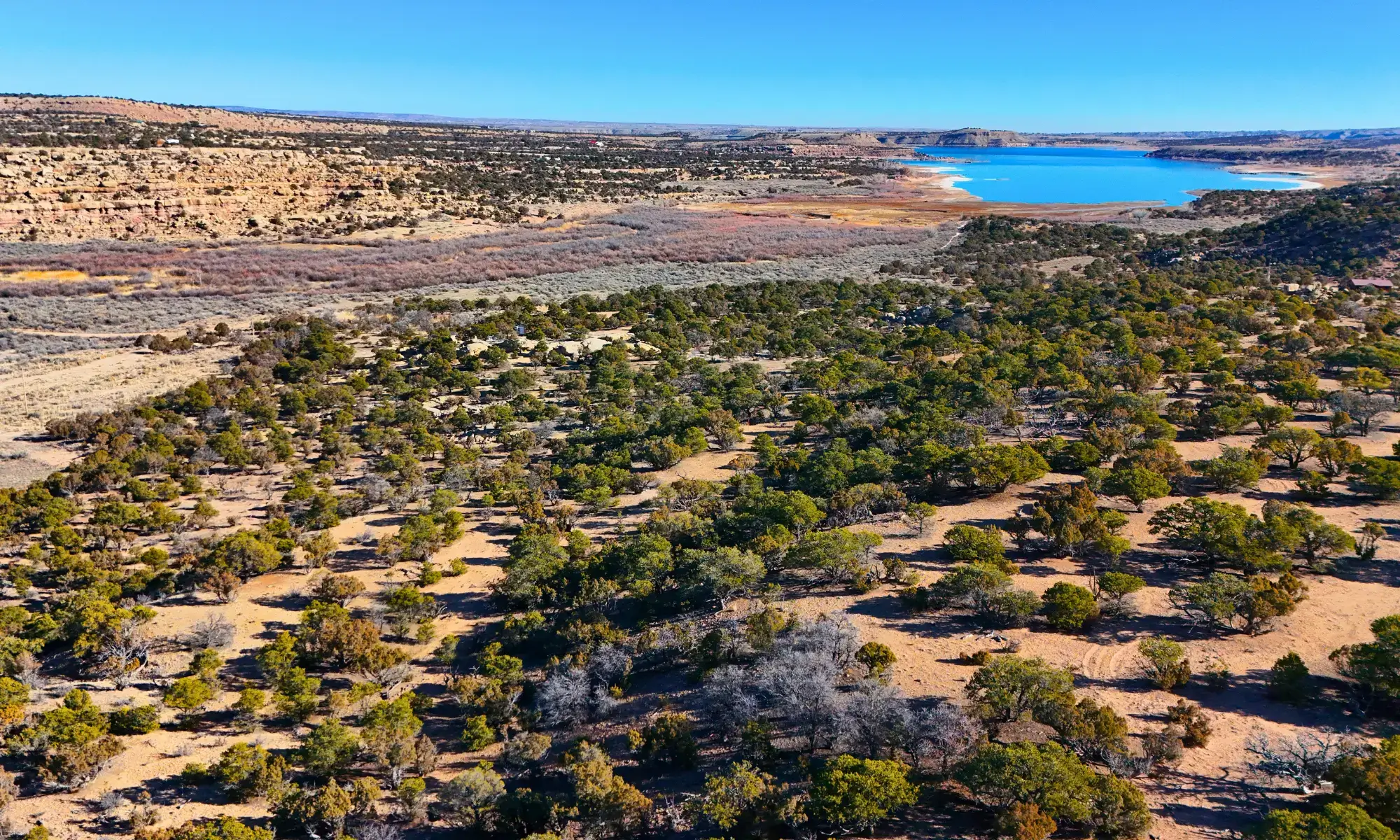
Rural living provides a slower, calmer lifestyle with a stronger connection to nature. People enjoy more open space, quiet surroundings, and the ability to build a property that reflects their long-term goals. This includes gardening, hobby farming, outdoor recreation, or simply enjoying privacy. Many rural residents find the slower pace more balanced and sustainable, especially for families or individuals seeking less stress.
Lifestyle differences
- Urban areas offer constant activity and entertainment
- Rural areas provide quiet surroundings and personal space
- City life is fast-paced, while rural life supports slower routines
- Rural living encourages outdoor activities and self-sufficiency
Space, Land, and Property Options
Urban living limits property size. Most homes sit on small lots, and apartments or condos offer only indoor space. This creates challenges for people who want gardens, workshops, animals, or outdoor recreation. Building expansions are also restricted by regulations, HOAs, and high land prices.
Rural properties offer far more room to build, grow, and develop long-term projects. Buyers can choose from one acre to hundreds of acres depending on their needs and budget. This flexibility supports gardens, livestock, cabins, storage, RV parking, and off grid systems. Many rural counties, including those across Utah, allow cabins, manufactured homes, and homesteading features that are difficult or impossible in urban neighborhoods.
Rural property advantages
- Larger lot sizes from one acre to full ranches
- More flexibility with building and land use
- Easier access to outdoor space for projects and recreation
- Less regulation compared to city neighborhoods
Community and Privacy
Cities offer dense communities with people living close together. Neighbors, coworkers, and social activities are always nearby. Some people enjoy being in the middle of this environment because it brings convenience and community. Others find the lack of privacy challenging, especially in multi-unit housing.
Rural communities tend to be smaller and more spaced out. People value privacy and self-reliance, but they also develop strong local connections because communities are tight-knit. Neighbors may live farther apart, but relationships often grow through shared interests, land use, and local events. The balance between privacy and connection is one of the reasons many people enjoy rural life.
Differences in community
- Urban areas offer more people, more activity, and more events
- Rural areas create stronger bonds through fewer, close-knit communities
- Privacy is limited in cities but plentiful on larger rural lots
- Rural living supports independence and quiet surroundings
Access to Services and Amenities
Urban living provides instant access to hospitals, schools, employment, public transit, and stores. This level of convenience is one of the biggest advantages of city life. Everything is close, and services are available around the clock. However, this convenience comes with traffic, noise, and higher living costs.
Rural areas offer fewer immediate services, which requires more planning. Residents may drive longer distances for groceries, medical care, or job opportunities. Internet and cell service can vary depending on location. Despite these challenges, many people prefer the tradeoff because rural living offers space, affordability, and a cleaner environment.
Service differences
- Cities offer quick access to everything
- Rural areas require more planning for trips and errands
- Rural amenities are improving with better internet and infrastructure
- Convenience vs space becomes a major deciding factor
Final Thoughts
Rural and urban living both offer strong advantages, but the best choice depends on your goals, lifestyle, and future plans. City life provides convenience, access, and constant activity, while rural life offers affordability, space, and a slower pace. Buyers who value privacy, land, and long-term property development often choose rural locations. Those who prioritize convenience and career opportunities tend to stay in urban areas. Understanding these differences helps you choose the environment that supports your personal and financial goals the most.


%20(446%20x%20128%20px)%20(306%20x%20105%20px)%20(2)%20(1).webp)


