.webp)

What’s the Easiest Farm to Start for Beginners?
Starting a small farm is one of the most common goals for new landowners. Many people want a simple operation that is manageable, affordable, and easy to learn without years of experience. The easiest farms to start are usually small, low-maintenance operations that require minimal equipment and limited daily labor. They also work well on parcels between one and ten acres, which makes them ideal for beginning farmers, homesteaders, and off grid buyers. Understanding which farms are the most approachable helps you decide where to start, how much land you need, and what kind of routine you can maintain long term.
Why Beginners Should Start Small
Most first-time farmers benefit from starting with a small, focused setup instead of trying to manage multiple large projects at once. Starting small reduces financial risk, teaches you the basics of livestock care or crop production, and helps you understand your land’s soil, water availability, and sun exposure before expanding. It also gives you the flexibility to adjust as you learn what works and what doesn’t. Many new farmers find success by choosing one simple operation, then adding more once they feel confident.
Small farms also make it easier to track daily tasks. Feeding schedules, watering, cleaning areas, and monitoring health are simpler on a small scale. This reduces burnout and keeps farm life enjoyable. It also prevents beginners from feeling overwhelmed by maintenance or unexpected setbacks that come with larger operations.
Benefits of starting small
- Lower startup costs and limited equipment
- Simple daily routines and easier management
- Space to learn without financial pressure
- Ability to grow your farm slowly over time
- Less land clearing and infrastructure required
Backyard Chicken Farming: The Most Beginner-Friendly Option
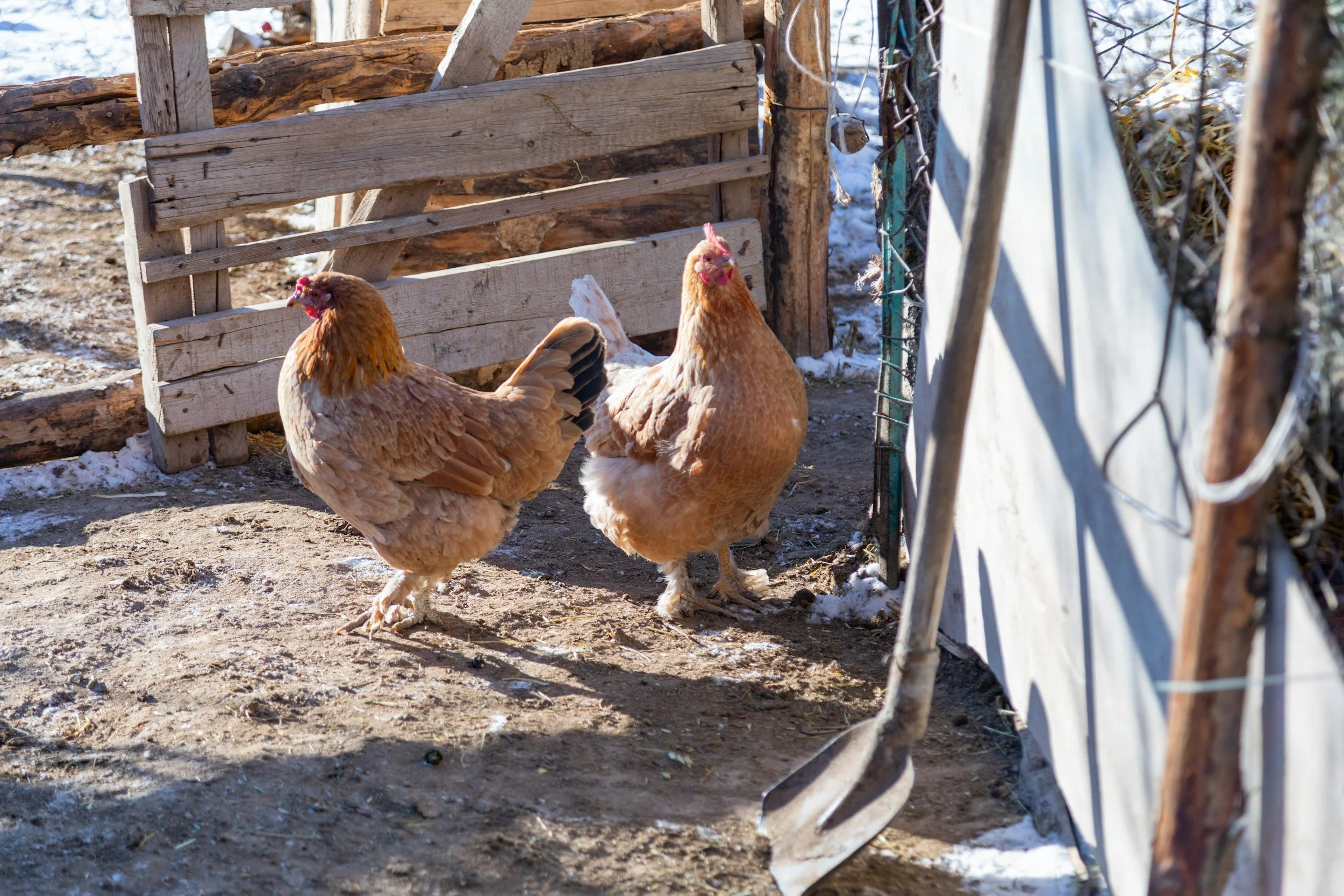
Chicken farming is widely considered the easiest farm to start. Chickens require minimal land, simple structures, and low daily maintenance. A small flock can live comfortably on one acre or less, making them ideal for beginners, rural land buyers, or off grid owners who want immediate production. Chickens provide a steady supply of eggs, basic meat production if desired, and natural fertilizer that improves soil quality. Their feed requirements are straightforward, and they adapt well to different climates, including Utah’s high desert regions.
Beginners also like chickens because the learning curve is mild. Basic care involves feeding, watering, gathering eggs, cleaning their coop, and protecting the flock from predators. Many pre-built coops or simple DIY designs can support a flock of six to ten birds, which is enough to learn the basics without feeling overwhelmed. This setup allows new farmers to see quick results and build confidence.
What you need to start
- A small coop with nesting boxes and ventilation
- A fenced run or protected outdoor area
- Consistent access to feed and clean water
- Basic predator protection
- Nesting materials and routine cleaning
Raising Rabbits: Low Cost and Easy to Manage
Rabbits are another beginner-friendly option because they require very little space, reproduce efficiently, and can be raised for meat, manure, or as hobby livestock. They thrive in small hutches, enclosed barns, or shaded outdoor pens with proper fencing. Rabbits are quiet, clean, and easy to handle, which makes them a good choice for people who want a manageable farm without heavy lifting or complex daily tasks.
Because rabbits eat simple diets and require only basic shelter, they’re one of the lowest-cost livestock options. Their manure is also “cold,” meaning it can be applied directly to gardens without composting, making it ideal for beginners who want to build soil without complicated systems. This combination of low cost and high production makes rabbit farming accessible to anyone working with limited land, limited time, or a tight budget.

What makes rabbits beginner-friendly
- Small housing requirements
- Affordable feed and supplies
- Fast reproduction for quick results
- Easy manure collection for gardening
- Quiet and simple daily care
Market Gardening: Easy Crops for New Growers
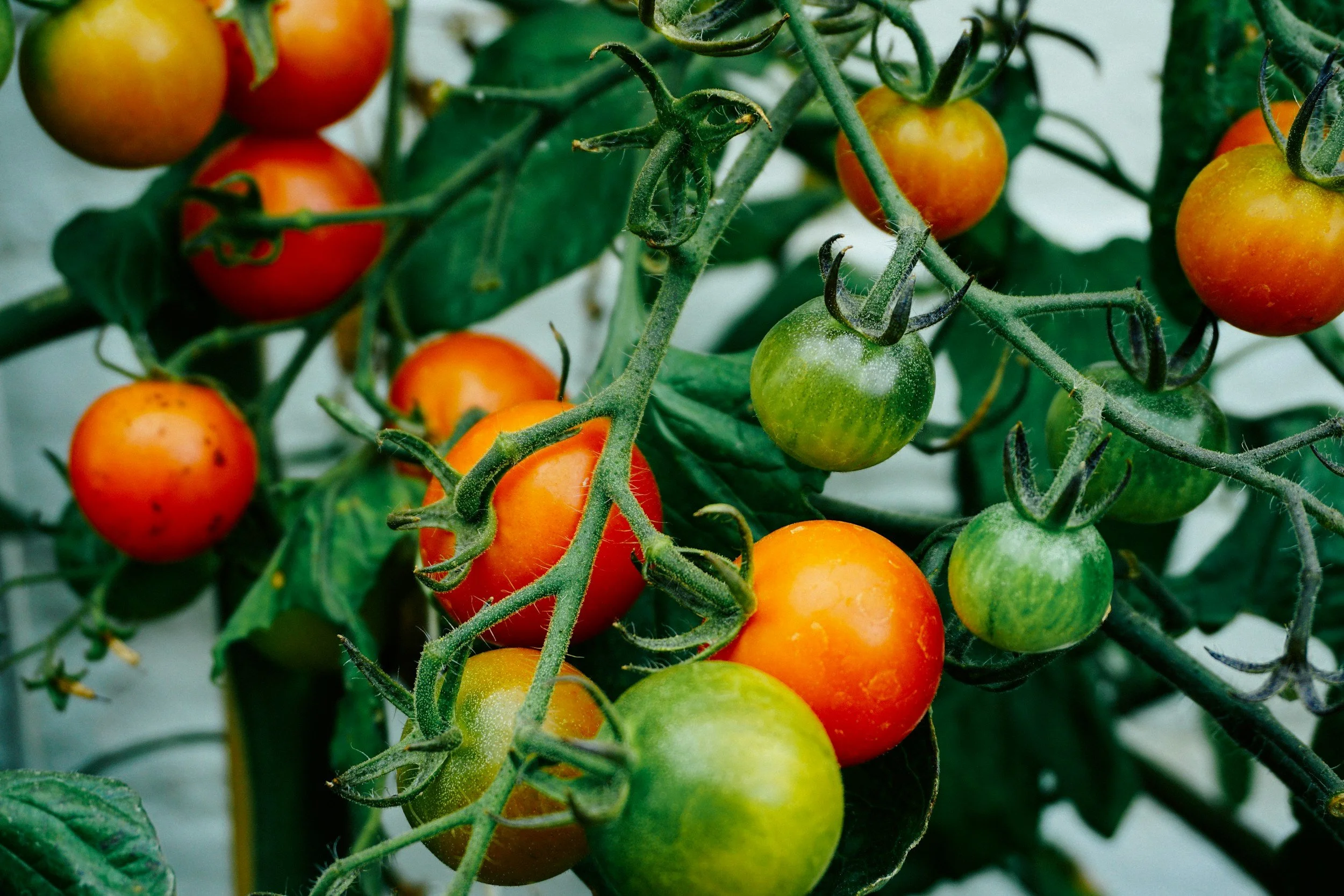
Market gardening is another easy entry point for beginners who prefer plants over livestock. A simple garden with vegetables, herbs, or cut flowers can be started on a quarter acre or less. This option gives beginners a chance to learn soil preparation, watering patterns, pest control, and seasonal growth cycles without needing large equipment. Crops like tomatoes, peppers, lettuce, squash, sunflowers, and basic herbs are reliable and forgiving for new growers.
This type of small farm works well on raw land, suburban lots, and rural properties. It’s flexible, affordable, and scalable. Market gardens also pair well with off grid living because they require simple irrigation, small tools, and minimal infrastructure. Many beginners start a small garden, sell excess produce, and expand as they learn more about soil health and plant performance.
Easy crops for beginners
- Tomatoes, peppers, cucumbers, and zucchini
- Leafy greens and salad mixes
- Herbs like basil, dill, mint, and oregano
- Cut flowers such as zinnias or sunflowers
- Potatoes, carrots, onions, and root vegetables
Goat Farming: Simple Livestock With Multiple Uses
Goats are slightly more advanced than chickens or rabbits but still one of the easiest livestock animals for beginners. They require fenced areas, simple shelters, and routine feeding, but they are hardy, adaptable, and useful for milk, meat, brush clearing, and land management. Many rural Utah landowners use goats to clear sagebrush, weeds, and small shrubs while also gaining experience in livestock handling.
Because goats are social and curious, they provide a good learning experience for beginners who want to move toward larger farm operations later. A small herd of two to five goats can live comfortably on a few acres with proper fencing. This makes goats a practical option for new homesteaders who want to learn animal care without taking on cattle or horses right away.
Why goats are good for beginners
- Manageable feeding and shelter requirements
- Useful for milk or meat if desired
- Help clear brush and improve land
- Social animals that are easy to handle
- Scalable as you gain experience
Beekeeping: Low Space and High Reward
Beekeeping is also one of the easiest farms to start because it requires very little land and minimal daily work. A single hive takes a few square feet and can produce honey, beeswax, and natural pollination for gardens and fruit trees. Bees require proper equipment, seasonal maintenance, and health checks, but they remain one of the lowest-labor farm options for beginners.
Beekeeping works well in rural Utah environments where wildflowers, sagebrush, and natural forage provide steady food sources. It also pairs well with other beginner farms like gardens or orchards, making it ideal for multi-purpose homesteads.
Beekeeping advantages
- Minimal land needed
- Low daily maintenance
- Valuable honey and wax production
- Natural pollination benefits
- Fits easily into any small farm plan
Final Thoughts
The easiest farm to start for beginners is usually a simple, small-scale operation like backyard chickens, rabbits, a starter garden, or one to two beehives. These options teach the fundamentals of land management, livestock care, and seasonal production without overwhelming you. Once you build confidence and understand your land’s climate, soil, and layout, you can grow into larger operations like goats, orchards, or full homesteads. Starting small gives you more control, less stress, and a clear path toward long-term farming success.




%20(446%20x%20128%20px)%20(306%20x%20105%20px)%20(2)%20(1).webp)


