
What’s the Average Acreage for Living Off Grid?
Living off grid has become one of the most common goals for buyers who want privacy, self-reliance, and enough land to handle their own utilities. One of the first questions people ask is how many acres they actually need. There is no single number because the right acreage depends on lifestyle, long-term goals, county zoning, and how much land management someone can realistically take on. Most off grid buyers fall between 1 and 40 acres, but each size offers different benefits and limitations. Understanding these differences helps you decide what fits your plans, budget, and comfort level before committing to a property.
How Many Acres Do Most Off Grid Buyers Choose?
Most off grid buyers choose between 5 and 20 acres. This range provides space for a cabin, a garden, a small shop, room for animals, and enough distance from neighbors to feel private. It also keeps ongoing maintenance manageable. Buyers who want simple off grid living often stay on the lower end, while those planning livestock, long-term homesteading, or agriculture usually choose larger pieces. Counties in Utah, including Duchesne, Uintah, and Wasatch, commonly offer parcels in this range, which makes it easier to find properties already suited for off grid use.
This acreage range also supports basic water and power setups. It gives enough room for a septic system, a well site, solar or wind placement, and a driveway without crowding your space. While smaller lots can still support these utilities, larger lots offer more flexibility with placement, sunlight angles, and long-term expansion.
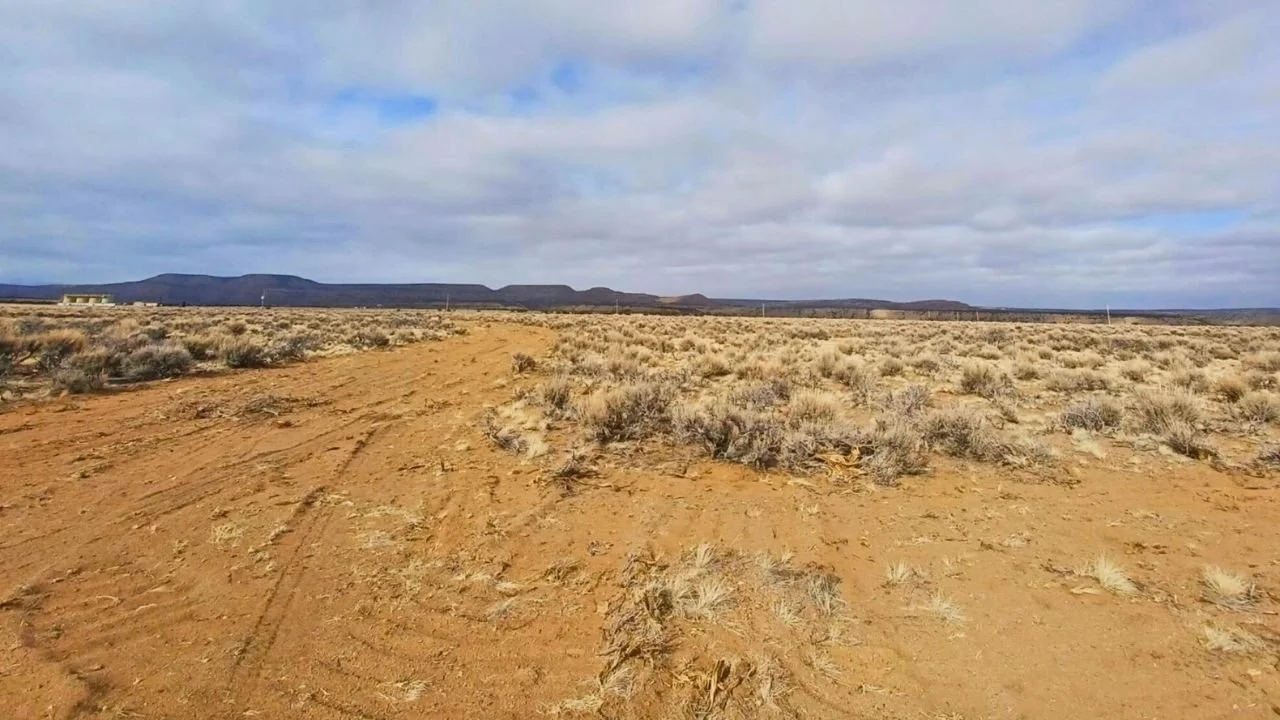
Common acreage ranges for off grid buyers
1 to 5 acres for simple setups, small cabins, RV use, and low maintenance
5 to 10 acres for small homesteads, gardens, and moderate privacy
10 to 20 acres for hobby farming, livestock, orchards, or future expansion
20 to 40 acres for full homesteads, animals, hunting, and long-term projects
Is 1 Acre Enough for Off Grid Living?
One acre can be enough for someone who wants a small, manageable off grid lifestyle. It works well for simple setups such as a cabin or tiny home, a garden, a small solar system, and a compact septic system. The main limitation is privacy and long-term growth. One acre restricts how far structures can spread out, how many animals you can keep, and where utility systems can be placed without crowding.
Many first-time off grid buyers start with one acre because it keeps costs low and requires minimal upkeep. It also makes it easier to test off grid living before moving to a larger homestead later. However, buyers planning to raise animals, grow food at scale, or build multiple structures usually find one acre too small after a few years.
One acre supports:
A cabin, shed, or tiny home
A small fenced garden
A compact solar setup
Basic septic and water solutions
Limited privacy from neighbors

Is 5 Acres Enough to Live Off Grid?
Five acres is one of the most popular lot sizes for off grid living because it offers breathing room without overwhelming maintenance. It’s large enough for a main cabin, a workshop, livestock sheds, a greenhouse, and water and power systems. It also gives you flexibility with sun exposure, access points, and placement of buildings.
With five acres, buyers can start small and add onto their land without needing to relocate later. Many Utah subdivisions with off grid appeal offer five acre parcels because this size works well with A5 or agricultural zoning. It balances affordability, privacy, and long-term plans.
Five acres is ideal for:
A full-size cabin or small home
Solar fields or wind turbines with good spacing
Small livestock like goats or chickens
Future add-ons like a shop, barn, or vehicle storage
Easier land clearing and maintenance than large parcels
How Much Acreage Do You Need for a Full Homestead?
A full homestead usually needs between 10 and 20 acres. This size supports larger animals like cattle or horses, multiple gardens, orchards, outbuildings, and long driveways. It also provides hunting space, firewood gathering, and long-term development without disturbing neighbors. Buyers who want long-term food production or long-term sustainability usually choose at least 10 acres.
The main advantage of this range is flexibility. You can use part of your land for living and the rest for agriculture, recreation, or future family projects. Rural zoning often aligns well with this acreage, making it easier to build, graze animals, and develop your property over time.
Homesteaders usually need:
10 to 20 acres for crops, orchards, and livestock
Space for barns, garages, and storage areas
Space for expansion or additional homes in the future
More natural resources such as trees, drainage, and open ground
When Do Buyers Choose 20 to 40 Acres?

Buyers choose 20 to 40 acres when they want full privacy, hunting land, large animal operations, or complete self-reliance. This size supports long driveways, large shops, full solar fields, and heavy equipment. It also allows you to divide your land into functional zones such as living space, grazing space, recreation space, and timber or brush areas.
These parcels require more time and equipment to maintain. Roads, fence lines, and seasonal access become bigger considerations. Buyers who want seclusion or long-term generational property ownership often choose larger parcels because it gives them full control over how the land develops.
Large parcels are best for:
Hunting and wildlife management
Cattle, horses, or multi-acre grazing areas
Total privacy and long driveways
Multi-structure homesteads
Timber harvesting or firewood gathering
Final Thoughts
The average acreage for off grid living usually sits between 5 and 20 acres, but the right size depends on your goals, budget, and maintenance comfort. Small parcels support simple setups, mid-range parcels support homesteads, and large parcels support full privacy and long-term development. Before choosing a lot, think about your lifestyle, how many structures you want, the utilities you plan to install, and the long-term direction for your property. Making these decisions early helps you choose land that fits your future instead of limiting it later.