
What Skills Are Needed for Homesteading?
Homesteading continues to grow as more people search for a life that feels independent, peaceful, and grounded in real, practical skills. Whether you have one acre, ten acres, or a large rural property in Utah, homesteading teaches you how to rely on the land while building systems that support your long term goals. The beauty of modern homesteading is that it is flexible. You can start small, learn slowly, and expand your skills as your confidence grows. People are drawn to homesteading for many reasons. Some want healthier food, some want more space, and others simply want a lifestyle that feels meaningful rather than rushed. No matter your reason, the skills you develop become the foundation for a sustainable and rewarding future. These skills help you manage resources, plan improvements, grow food, raise animals, and understand your land in a deeper way.
Homesteading is not about being perfect or mastering everything at once. It is about being willing to learn, experiment, and adapt. Many of the most successful homesteaders started with very little experience. They learned as they went, paid attention to their land, asked questions, and practiced through every season. Over time, they gained the kind of knowledge that creates stability and confidence. The more you learn, the more your property becomes a working system that supports your daily life and long term goals.
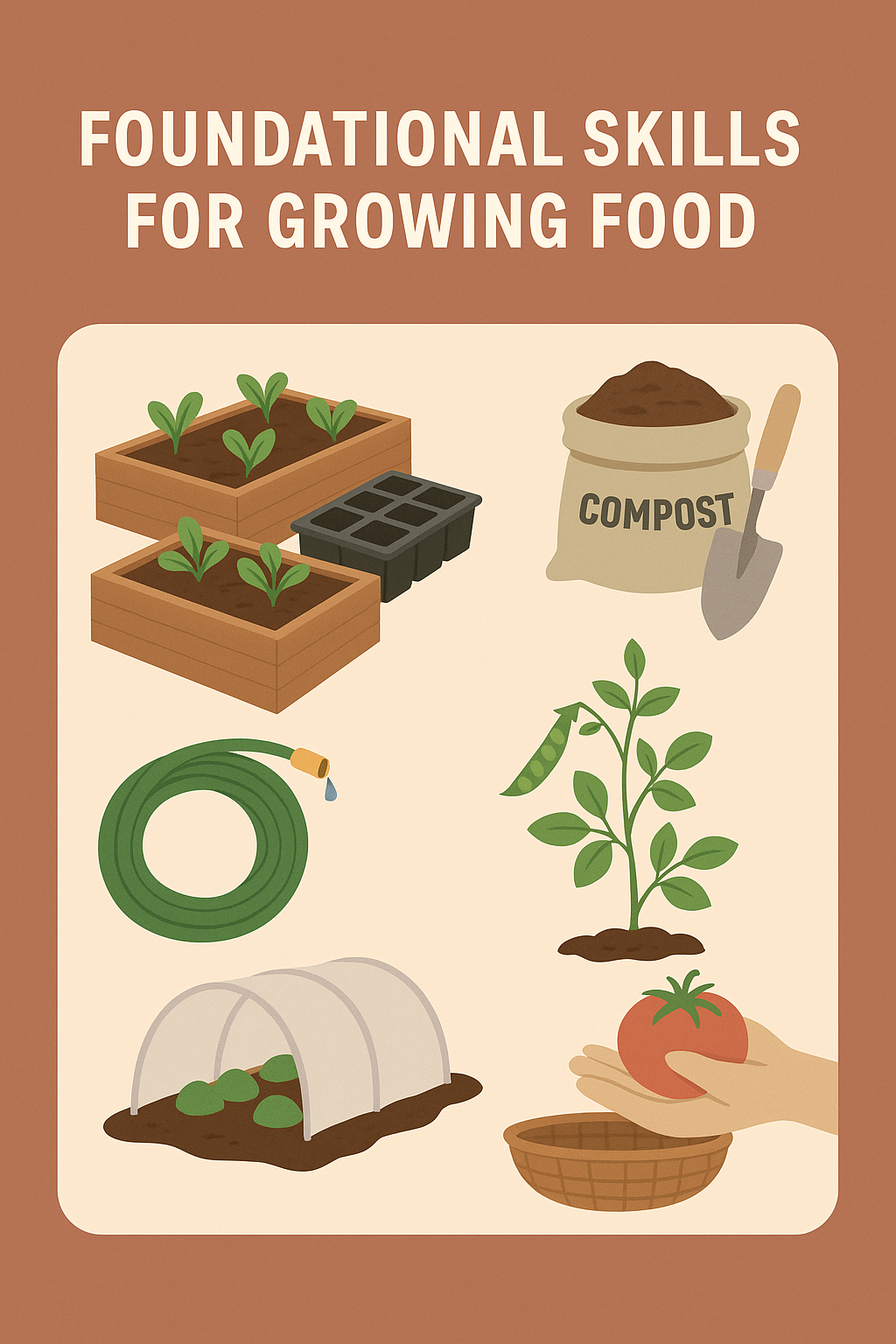
Foundational Skills for Growing Food
Food production is often the first step in homesteading because it provides both immediate rewards and long term benefits. Growing your own food gives you more control over quality, cost, and sustainability. It also helps you understand your climate, soil conditions, and seasonal challenges. Gardening is not only about planting seeds. It is a process of observing your land, adjusting your methods, and learning through trial and error. Homesteaders learn how to read soil texture, understand water retention, identify nutrient deficiencies, and choose crops that match their zone. Raised beds help beginners learn on a small scale while greenhouses extend the growing season and allow for more variety.
As you gain experience, you begin to plan your garden with intention. This includes crop rotation, seed saving, companion planting, and soil building. Healthy soil is the real foundation of a productive homestead, so many people focus on composting, mulching, and adding organic matter that improves long term fertility. Watering is another essential skill. Homesteaders often use drip irrigation, rainwater barrels, or hauling systems depending on the land. Over time you begin to predict how plants will respond to heat, wind, storms, and frost. Each season teaches you something valuable that strengthens your skills.
Common skills include
Seed starting and crop scheduling
Improving soil with compost and organic amendments
Using shade cloths, greenhouses, or row covers
Managing pests with natural solutions
Storing produce through proper harvesting techniques
Growing food becomes a central skill because it connects you directly to your land and creates a dependable source of nutrition.
Livestock and Animal Care Skills
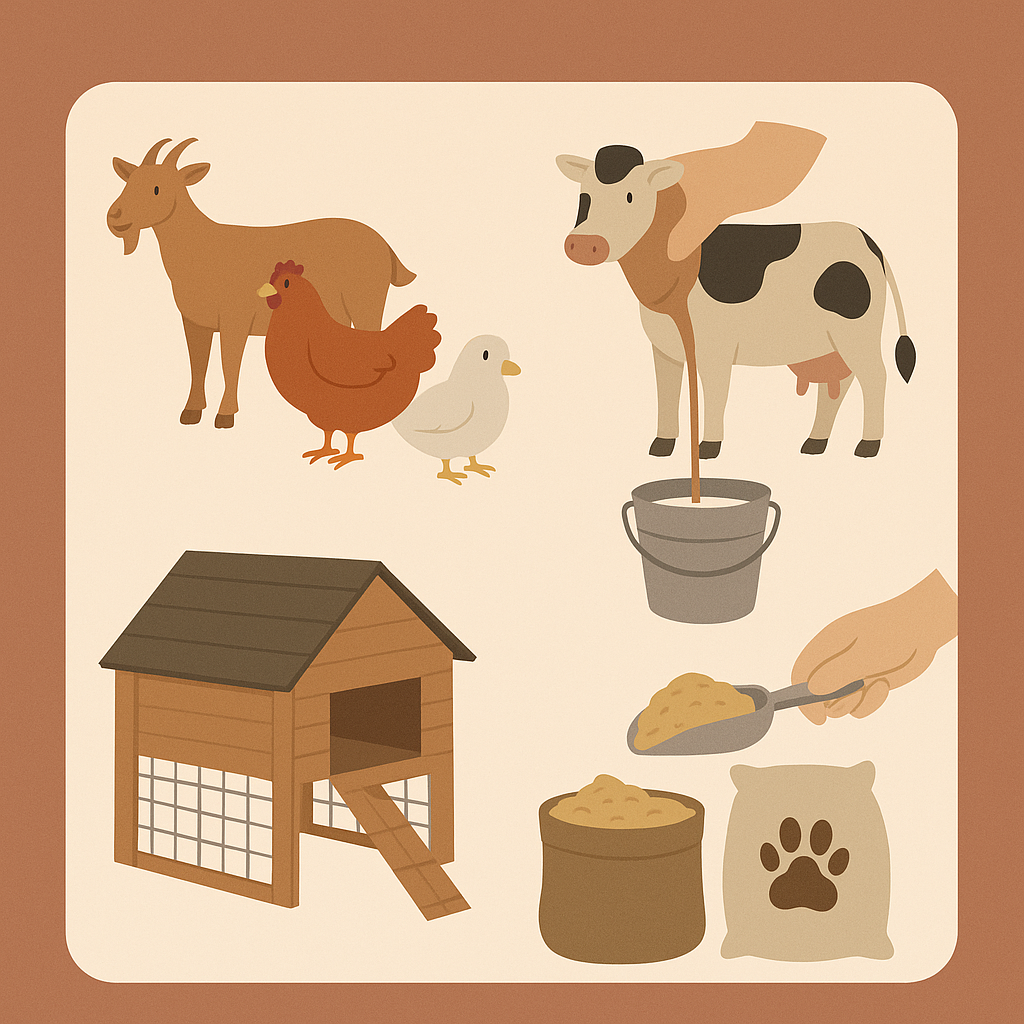
Animal care is another important part of homesteading. Even a small number of animals can provide food, fertilizer, and companionship. Chickens give eggs and help control insects. Goats produce milk and help clear brush. Rabbits offer meat and manure that is excellent for gardens. Larger animals like sheep, pigs, or cattle require more space and knowledge but also provide significant long term value. Learning how to care for animals begins with understanding their daily needs, building safe shelters, and maintaining strong fencing.
Animals also require attention to health. Homesteaders learn how to watch for signs of stress, illness, or parasites. They learn about proper feed, mineral supplements, and breeding cycles. These skills develop gradually as you work with your animals every day. Many homesteaders start with easy livestock such as chickens before expanding to goats or other animals that require more commitment. Over time you become familiar with how animals behave in different weather conditions or seasons. You learn how to protect them from predators, extreme temperatures, and disease.
Helpful skills include
Building coops, barns, or goat shelters
Setting up safe fencing and predator protection
Understanding nutrition, hydration, and safe handling
Recognizing common illnesses and preventive care
Managing manure for soil improvement
Animal care strengthens your connection to your land because it creates a daily routine that supports your entire homestead system.
Water, Power, and Utility Knowledge
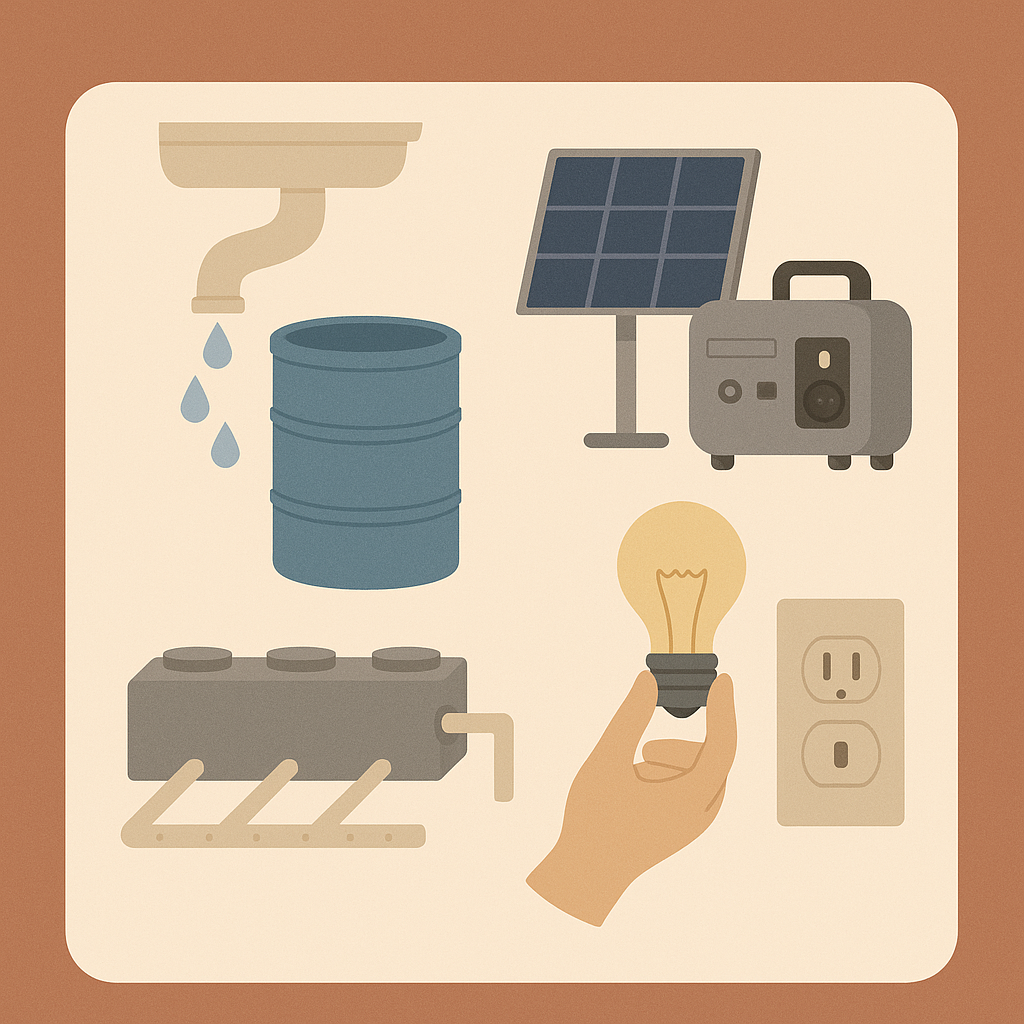
Understanding utilities is one of the most important skills for homesteading, especially on rural land where traditional infrastructure is limited. Many new homesteads begin with off grid or partially off grid systems. Learning how to manage your own utilities gives you independence and helps you prepare for long term improvements. Solar power is one of the most common solutions for remote properties because it allows for flexible installation and scalable energy. Homesteaders learn how to size their systems, maintain batteries, and use generators as backup sources.
Water is just as important as power. Depending on your land, you may need to haul water using tanks, collect rainwater in barrels, drill a well, or install storage containers. Each method has its own requirements. You learn how to store water safely, prevent freezing in winter, and filter it for household use. Septic systems or composting toilets are also common in rural areas. Homesteaders learn how to maintain these systems, prevent clogs, and choose the right setup for their property.
Useful skills include
Managing solar panels, generators, and battery banks
Setting up water storage, hoses, pumps, and filtration
Understanding septic maintenance or compost toilet management
Winterizing systems for extreme temperatures
Reducing energy use through efficient planning
Utility knowledge is essential because it determines how comfortable and functional your homestead will be year round.
Food Preservation and Storage Skills
Producing your own food is only part of the homesteading journey. Knowing how to preserve that food helps you stay prepared throughout the year. Food preservation reduces waste, cuts grocery costs, and builds a pantry that supports your family even during off seasons. Homesteaders learn multiple methods of preservation because each method works best with certain crops or ingredients.
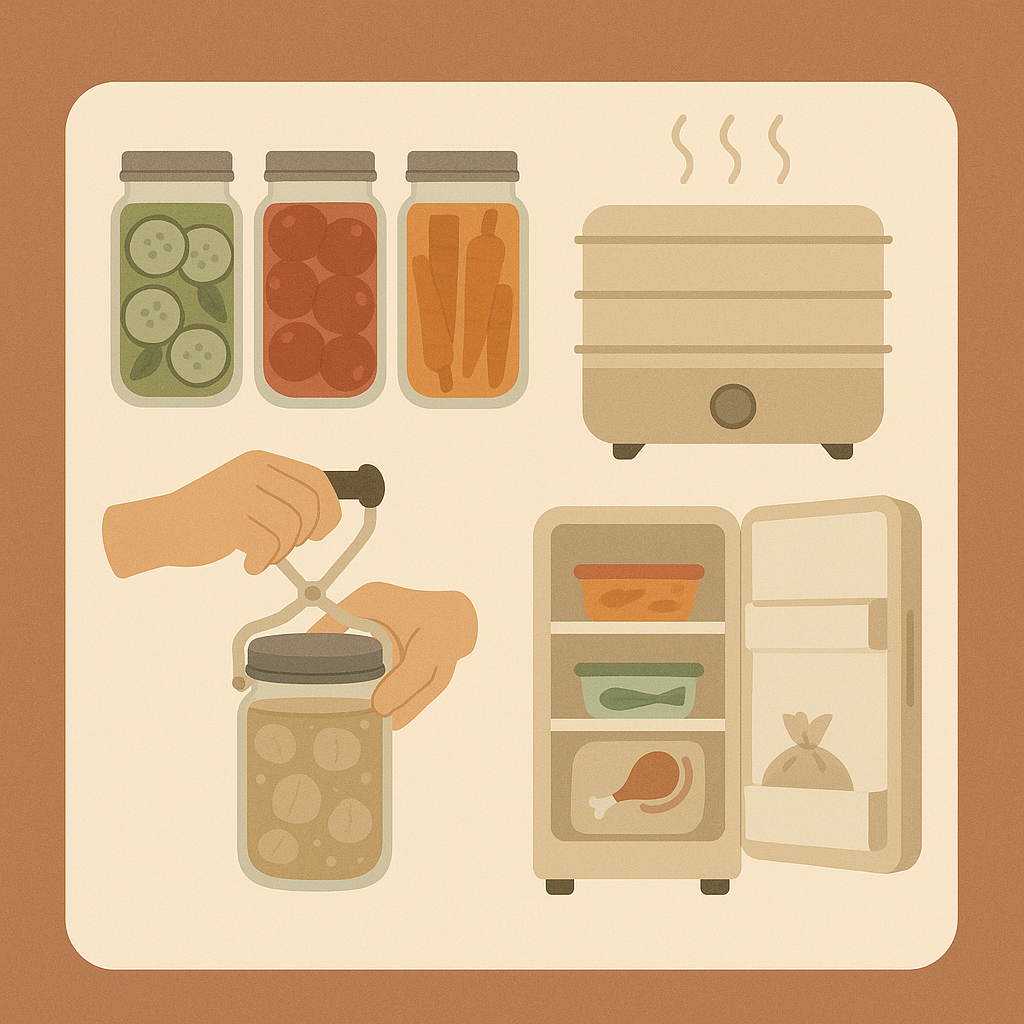
Canning is one of the most valuable skills because it creates shelf stable meals, sauces, broths, and vegetables. Dehydrating is perfect for herbs, fruits, and long term storage. Fermenting adds probiotics and creates foods that become traditional staples on many homesteads. Some homesteaders also freeze large portions of meat or bulk produce. Others build simple root cellars to store potatoes, onions, squash, or apples for several months at a time.
Common preservation methods
Water bath and pressure canning
Dehydrating produce and herbs
Fermenting foods for long term health benefits
Freezing, vacuum sealing, and bulk storage
Creating pantry systems for organization and rotation
Food preservation gives you security and ensures that your hard work in the garden does not go to waste.
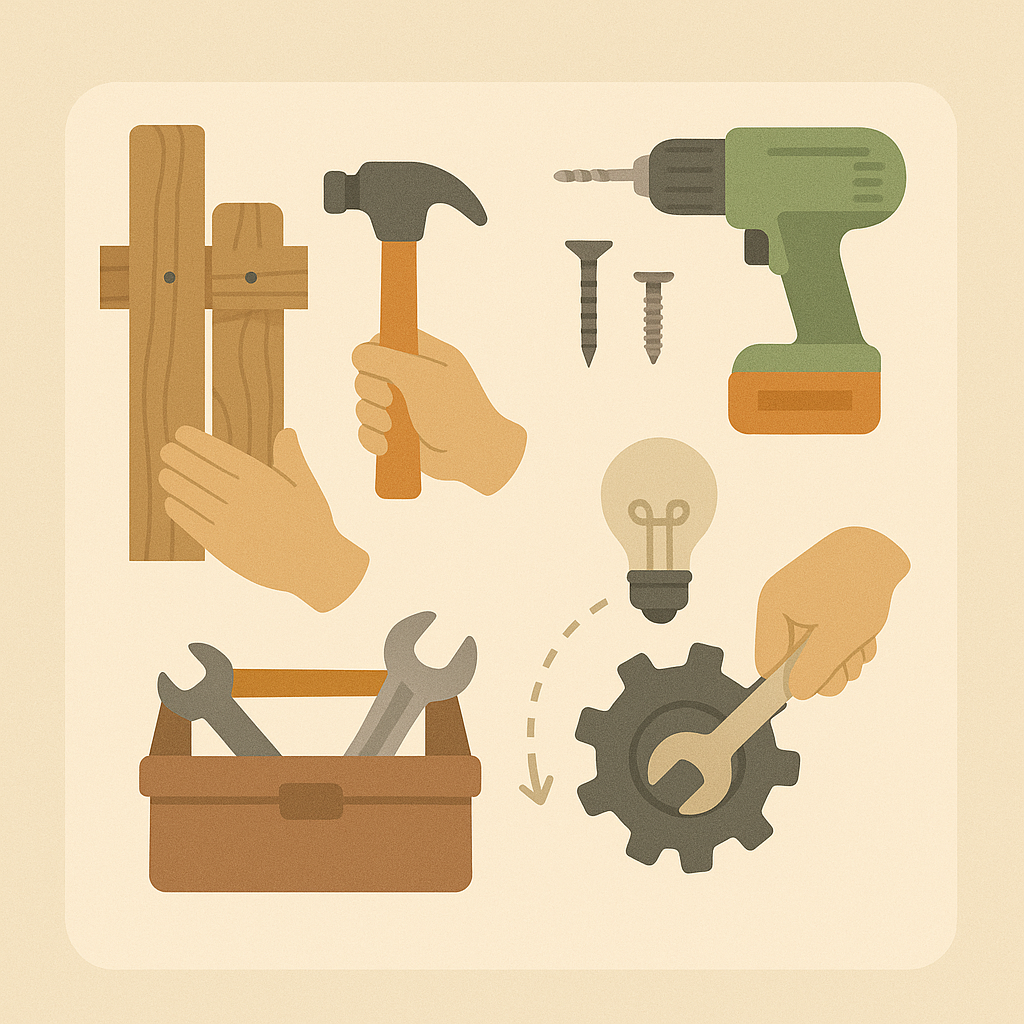
DIY Building, Repair, and Problem Solving Skills
Homesteading often includes many building and repair projects. Instead of relying on professionals for every task, homesteaders learn DIY skills that save money and allow for quick improvements. You may build raised beds, fences, animal shelters, tool sheds, or small barns as your property grows. These projects help you understand measurements, materials, and basic carpentry. Over time you learn how to repair tools, replace components, and solve unexpected issues.
DIY homesteading also teaches you how to improvise. You might need to create a temporary fence, patch a roof, redirect water, or protect plants from frost. These challenges teach you to think creatively and work with what you have. Even small skills like tightening bolts, repairing hinges, sealing wood, or laying pavers become valuable. You do not need to be a professional builder to homestead. You just need to be willing to try and learn as you go.
Valuable DIY skills
Carpentry, measuring, and tool use
Fencing installation and reinforcement
Basic plumbing or electrical familiarity
Building weather resistant structures
Equipment maintenance and repair
DIY skills allow you to shape your land exactly the way you want and handle emergencies with confidence.
Land Management, Observation, and Environmental Awareness
One of the most important homesteading skills is learning how to read your land. Every property has its own terrain, soil type, water movement, wildlife activity, and seasonal patterns. Understanding these details helps you plan projects, protect resources, and create a long term strategy. Homesteaders learn how wind moves across their land, where erosion occurs, how snow melts in spring, and where water pools during heavy rain. This knowledge guides decisions about gardens, cabins, animal areas, driveways, and future buildings.
Good land management includes protecting soil health, preventing erosion, rotating pastures, and encouraging beneficial wildlife. Planting trees or shrubs for windbreaks improves comfort and reduces weather damage. Managing invasive species preserves the natural landscape. Paying attention to fire safety, especially in high desert regions, helps protect the homestead during dry seasons. The more you observe your land, the easier it becomes to make smart improvements that last for decades.
Important skills include
Understanding drainage, slope, and elevation
Testing soil and adding long term amendments
Managing vegetation, fire risks, and wildlife patterns
Creating sustainable resource plans
Improving soil through mulch, compost, and cover crops
Land management keeps your homestead productive and healthy for future generations.
Closing Thoughts
Homesteading is built on a collection of practical skills that grow stronger over time. You do not need to learn everything at once. You begin with a few simple skills, practice them, and expand as your confidence builds. The most successful homesteaders are not the ones who know everything on day one. They are the ones who show patience, curiosity, and a willingness to learn from their land. Over time your skills allow your property to thrive. Your garden becomes more productive, your animals become healthier, your systems become more reliable, and your land becomes a place of stability and pride. Homesteading is not just a lifestyle. It is a long term investment in your future and a way to build a life that feels meaningful and self sufficient.