.webp)

Can I Raise a Cow on One Acre?
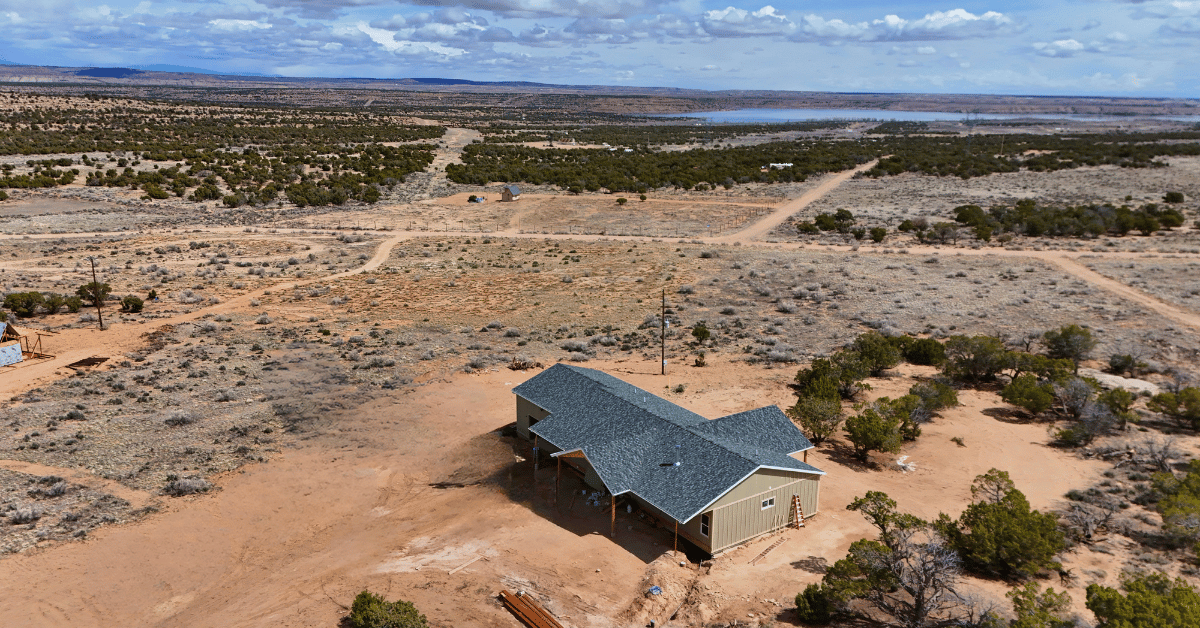
Many new homesteaders and rural land buyers ask whether one acre is enough space to raise a cow. The idea of having your own family milk cow or small beef steer is appealing, but the amount of land required varies widely depending on climate, water availability, feed options, and your long term plans. While one acre can support certain types of livestock, cows have specific needs that usually go beyond what a single acre can naturally provide. Understanding what is realistic helps you plan responsibly and avoid health, grazing, and land management issues in the future. In Utah’s high desert environment, where water and forage are limited, proper planning matters even more.
How Much Land Does a Cow Actually Need?
Cows are large grazing animals that rely on consistent forage throughout the year. In many regions with rich rainfall and thick pasture, homesteaders may support a cow on as little as one to two acres because the vegetation regrows quickly. Utah’s climate is different. Most rural parcels in Duchesne County, Fruitland, Tabiona, and similar areas receive limited rainfall, have native sagebrush or juniper cover, and do not grow enough natural grass to sustain a cow full time. Because of this, one acre is not enough for a cow to graze on without supplemental feeding. A cow can live happily on one acre, but only if you plan to bring in hay and manage the land carefully so it does not become overgrazed or compacted.
When homesteaders successfully raise cows on small acreages, they usually do so by treating the land as a living space rather than a grazing system. Instead of expecting the property to feed the cow, they provide feed themselves and use the land for exercise, shelter, and daily care. This approach is very common for milk cows, bottle calves, and families raising a single steer for the freezer.

Feeding Requirements on a One Acre Homestead
A single cow typically needs 25 to 30 pounds of hay per day, sometimes more depending on age, breed, and weather. On one acre in Utah, the land will not grow enough forage to support this requirement. This means you must be prepared to buy and store hay year round. Many homesteaders purchase hay in bulk during summer to get lower prices and ensure they have enough supply for winter. You may also supplement with grain, minerals, and salt blocks to maintain good health.
Water is another major factor. Cows drink between 5 and 20 gallons of water per day. If your property does not have a well or water hookups, you will need a reliable hauling system with tanks or storage totes. In winter, heated buckets or insulated troughs keep the water from freezing. These are realistic solutions, but they require planning and consistency.
Shelter and Fencing Needs for One Acre
One acre provides plenty of space for a cow to move freely, but it still needs proper shelter and secure fencing. Most homesteaders build a simple three sided shelter to block wind, snow, and summer sun. Cows tolerate cold well, but high winds and wet weather can cause stress if they do not have a dry place to bed down.
Fencing is one of the most important investments. Barbed wire, no climb fence, or hot wire systems all work as long as the property perimeter is safe and strong. Because one acre creates a small, contained area, the fencing must be durable enough to prevent escapes and strong enough to hold up against rubbing or leaning. Rotational grazing is possible on one acre if you divide the property into small paddocks, but it is still unlikely that the land will provide sufficient forage. The rotation is more about maintaining the soil and preventing large bare patches.

Manure Management and Land Health
On one acre, manure builds up quickly if not managed. Regular cleaning keeps the land healthy, reduces flies, protects groundwater, and improves overall animal health. Many homesteaders compost manure in designated areas and later use it for gardens or fruit trees. Others haul manure to designated dumping areas or spread it thinly across the property to improve soil quality.
Land health is especially important in Utah’s dry climate. Without carefully managing manure, water runoff, and foot traffic, the soil can become compacted or dusty. Using wood chips, gravel pathways, rotational fencing, and small grass plantings helps preserve the ground and gives your cow a comfortable environment.
Benefits of Raising a Cow on a Small Acreage
Even though one acre will not support grazing, raising a cow on a small property can still be rewarding. Many families raise a milk cow on one acre because it provides fresh milk for drinking, cheese making, butter, and yogurt. Others raise a steer annually for beef without needing a large pasture system. These setups work well because the homesteader controls the feed rather than relying on natural forage. A cow on one acre becomes part of a well managed homestead rather than a traditional ranching system.
Small acreages also offer benefits like hands on care, close monitoring of animal health, and easier infrastructure development. It is much cheaper to fence one acre than ten, and daily chores are faster and more efficient. For first time livestock owners, this can be a great way to learn without feeling overwhelmed.
Challenges to Consider Before Bringing a Cow Home
The biggest challenge is the ongoing cost of feed. Because you are not relying on pasture, the cow depends entirely on purchased hay. You must also plan for veterinary care, mineral supplements, shelter repairs, and water access. Time commitment is another factor. Cows require daily care, especially dairy breeds that must be milked on a regular schedule.
Neighbors and zoning also play a role. Most rural areas in Utah allow livestock, but county regulations may require setbacks for shelters, manure piles, or wells. Always verify zoning before buying livestock for a small parcel.
So, Can You Raise a Cow on One Acre?
Yes, you can raise a cow on one acre, but only with proper planning and an understanding of the land’s limitations. One acre is not enough for grazing in Utah, but it is plenty of room for a cow to live comfortably if you supply hay, water, shelter, and secure fencing. Many homesteaders successfully raise cows on small properties because they treat their land as a managed space rather than pasture.
If your goal is self sufficiency, a family milk cow or a steer for beef can absolutely fit into a one acre homestead as long as you are prepared for the responsibility. With thoughtful care and consistent management, one acre can support a cow and become a productive and enjoyable part of your rural lifestyle.



%20(446%20x%20128%20px)%20(306%20x%20105%20px)%20(2)%20(1).webp)


