.webp)
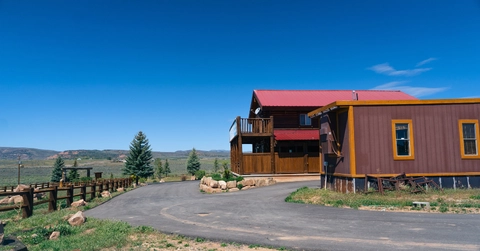
Living on remote land is not for everyone, but for many buyers, it offers advantages that are becoming harder to find in traditional housing markets. As cities grow more crowded and housing costs continue to rise, more people are looking toward remote land as a way to gain space, flexibility, and long term control over how and where they live.
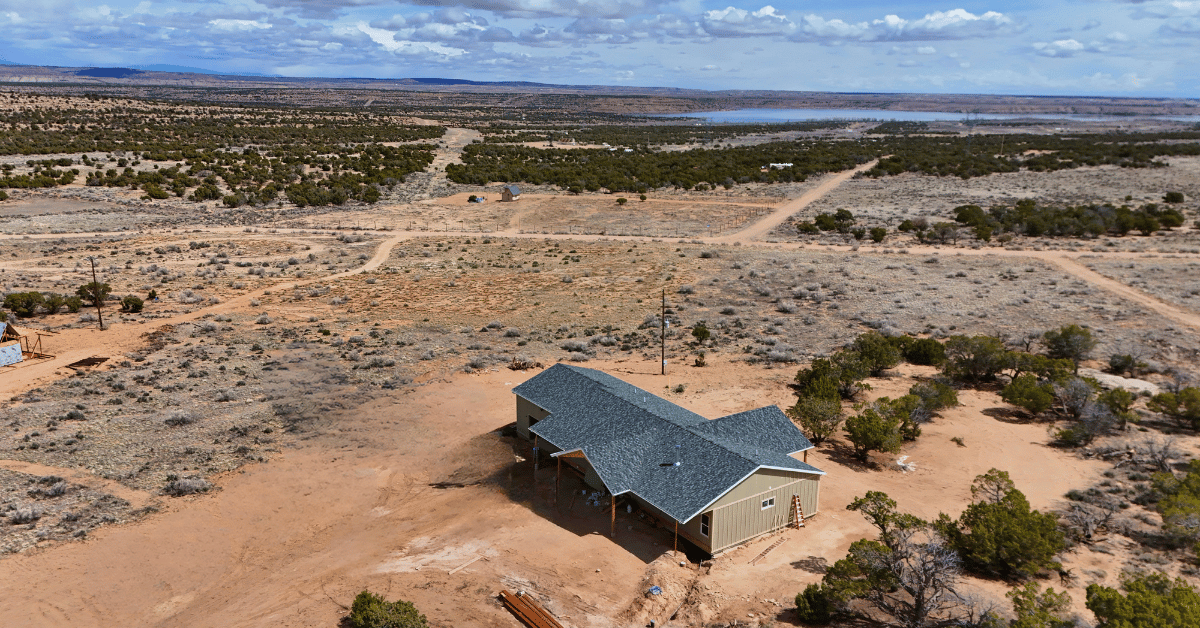
Remote land is typically located far from cities and major services, often surrounded by open space and natural landscapes. While this distance comes with tradeoffs, it also creates benefits that appeal to buyers who value independence, privacy, and a slower pace of life.
One of the most obvious benefits of living on remote land is space. Remote properties are usually larger and have fewer nearby neighbors, which creates a sense of privacy that is difficult to achieve in suburban or urban areas. This space allows owners to use their land without constant noise, traffic, or outside interference.
Privacy on remote land also means fewer restrictions from neighbors or nearby development. Owners often have more freedom to camp, build gradually, enjoy outdoor activities, or simply spend time on their property without interruption. For many buyers, this sense of separation is one of the biggest reasons to choose remote land.
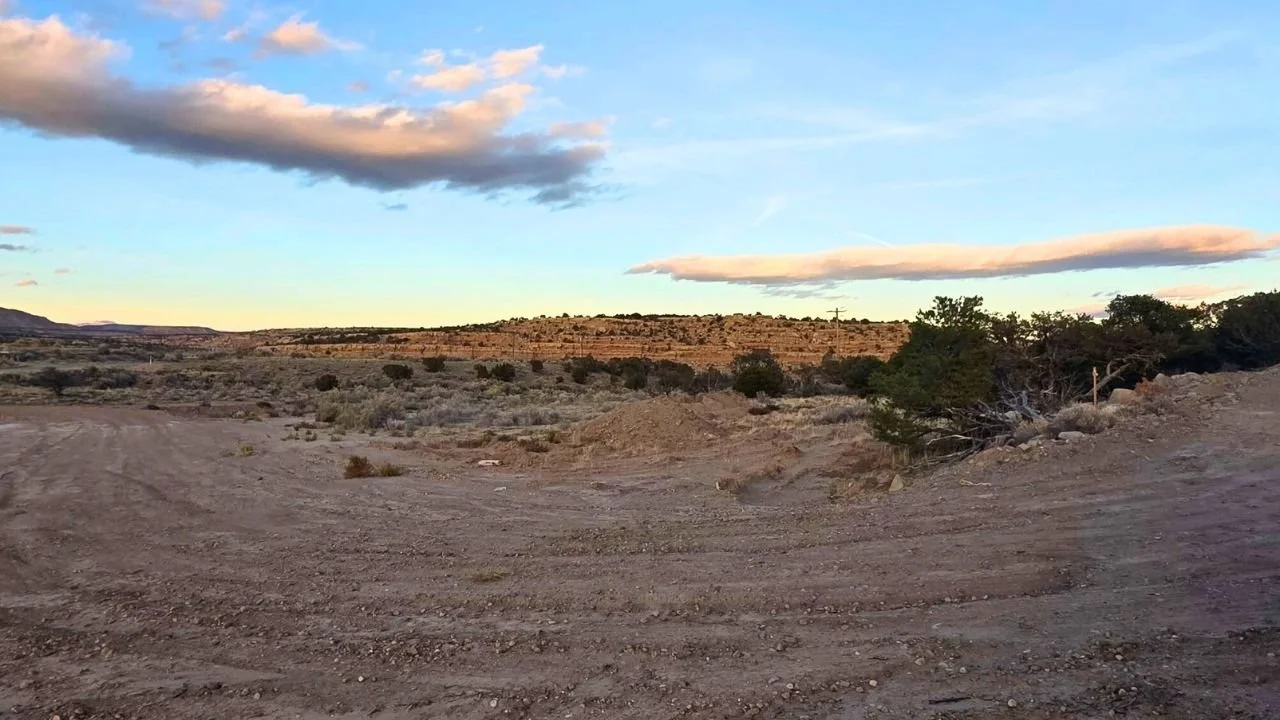
Remote land is often more affordable than property closer to cities. Distance from services and infrastructure reduces demand, which keeps prices lower. This allows buyers to purchase larger parcels or enter land ownership at a lower cost compared to residential homes.
In addition to lower purchase prices, ongoing expenses are often reduced. Property taxes on rural land are typically lower, and there are fewer maintenance costs compared to owning a home. Without a structure, owners are not responsible for repairs, utilities, or insurance tied to buildings unless they choose to develop.
Remote land is usually governed by county regulations rather than city ordinances or homeowners associations. This often results in fewer rules about how quickly land must be developed or how it can be used. Buyers can take their time planning and improving their property without pressure.
This flexibility makes remote land appealing for long term planning. Owners can hold the land, use it seasonally, or develop it in phases as budgets and goals evolve. The ability to move at your own pace is a major advantage for buyers who do not want rigid timelines.
Living on remote land provides daily access to natural surroundings. Many properties are located near mountains, forests, open desert, or water sources, offering opportunities for outdoor activities and quiet reflection. This connection to nature can improve quality of life and reduce stress.
Common activities enjoyed on remote land include hiking, camping, hunting, fishing, stargazing, and simply spending time outdoors. For buyers seeking a lifestyle that prioritizes nature over convenience, remote land offers experiences that are difficult to replicate elsewhere.
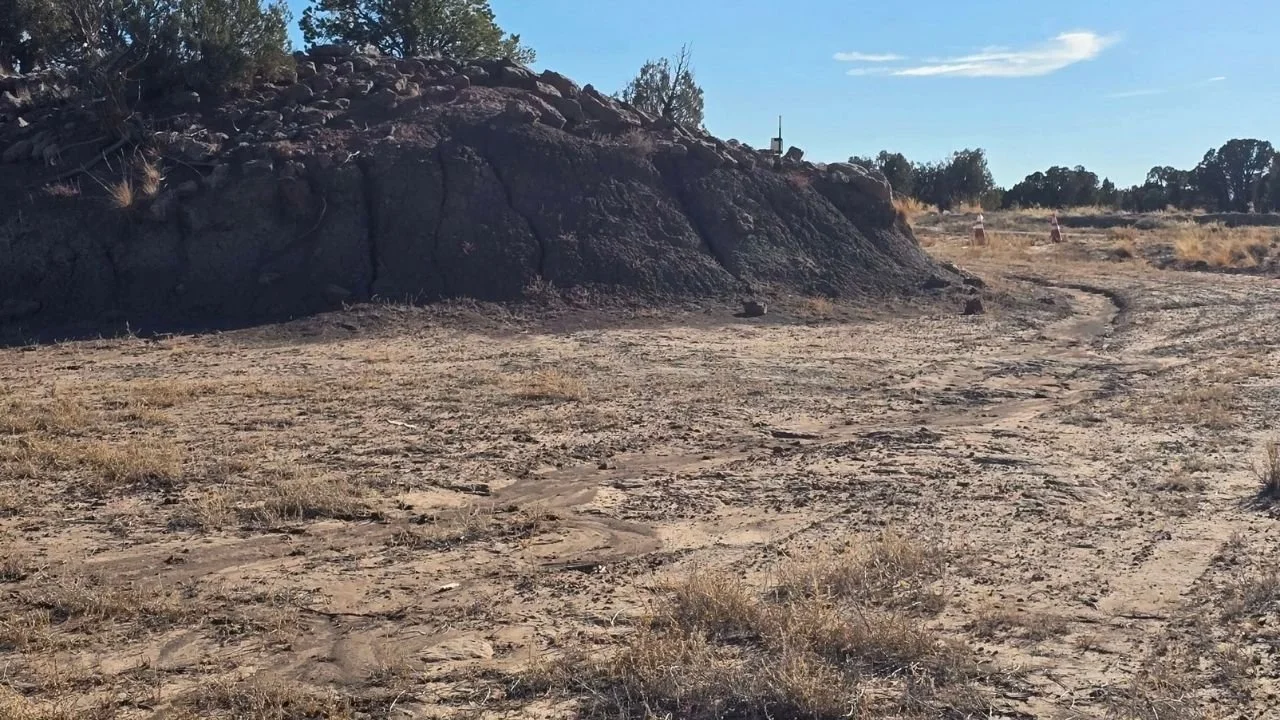
Remote living encourages a level of independence that many buyers find rewarding. Without reliance on city infrastructure, owners often manage their own water, power, and waste systems. While this requires planning, it also provides control and resilience.
Common off grid solutions include solar power, wells or hauled water, and septic systems. These setups allow owners to live independently and reduce reliance on public utilities. For buyers interested in preparedness or self sufficiency, remote land offers a practical foundation.
Remote land offers a quieter environment with fewer daily distractions. Without traffic, crowds, or constant activity, many owners find it easier to focus, relax, and disconnect from stress. This quieter setting appeals to people seeking balance and mental clarity.
The slower pace of remote living also encourages intentional use of time. Owners often report feeling more present and less rushed when spending time on their land, even if they do not live there full time.
While remote land may not appreciate as quickly as urban property, it can offer steady long term value. As cities expand and develop outward, land that was once considered remote may become more desirable over time. Holding land allows buyers to benefit from future growth without immediate development costs.
Remote land is also attractive as a legacy asset. Many buyers purchase land to pass down to family members, use for future plans, or hold as a long term investment without the volatility of housing markets.
While remote land offers many benefits, it is important to understand the tradeoffs. Distance from services, limited internet options, and seasonal access can affect daily life. Buyers should evaluate whether these factors align with their needs.
Important considerations include:
Understanding these factors helps buyers make informed decisions.
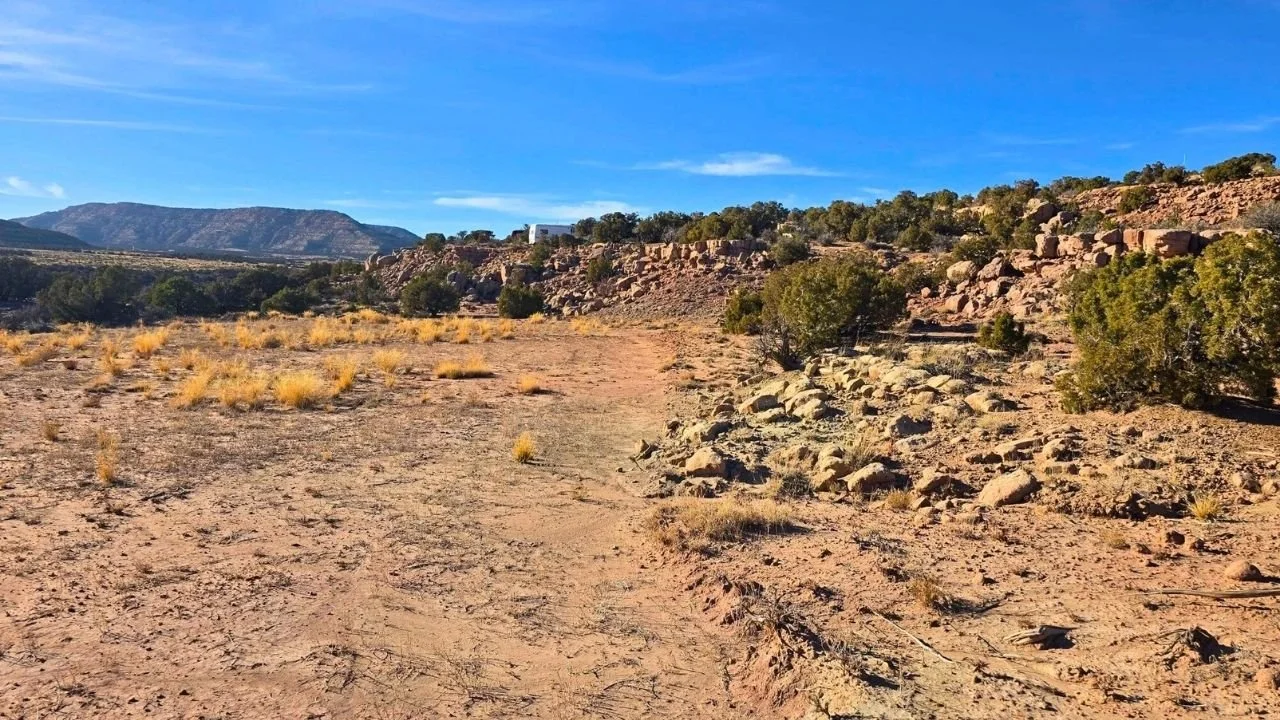
Remote land is best suited for buyers who value space, flexibility, and independence over convenience. It works well for those who plan ahead, enjoy outdoor living, and are comfortable managing property over time.
Buyers who need daily access to city services or move in ready housing may find remote land challenging. Clarifying your goals before purchasing helps ensure the land fits your lifestyle.
Final Thoughts
The benefits of living on remote land go beyond affordability. Space, privacy, flexibility, and a stronger connection to nature are driving more buyers to explore rural options. While remote living requires planning and realistic expectations, it offers opportunities that are increasingly rare in developed areas.
For buyers willing to think long term and embrace a different pace of life, remote land can provide freedom, control, and a meaningful connection to the land itself.