.webp)
When buyers compare real estate options, a common question comes up early in the process: is it cheaper to buy land than to build a house? At first glance, land prices often look far lower than home prices, which leads many people to assume land ownership is the cheaper path. The reality depends on timing, goals, and how much development a buyer plans to take on.
Buying land and building a house are two very different financial decisions. Understanding the full cost of each helps buyers decide which option fits their budget and long term plans.
Buying land is almost always cheaper upfront than buying a finished house. Land does not include a structure, utilities, or interior features, which significantly lowers the purchase price. This makes land appealing to buyers who want to enter real estate ownership without taking on a large immediate financial commitment.
However, a house includes many costs that land does not. These include construction materials, labor, utilities, permits, inspections, and ongoing maintenance. While a house provides immediate living space, those added features are reflected in the higher price.

Land prices are lower because land is unfinished. There is no building, no plumbing, no electrical system, and often no road improvements beyond basic access. This reduces both the seller’s investment and the buyer’s initial cost.
Land is often cheaper because:
For buyers who do not need immediate housing, this lower entry point can be a major advantage.
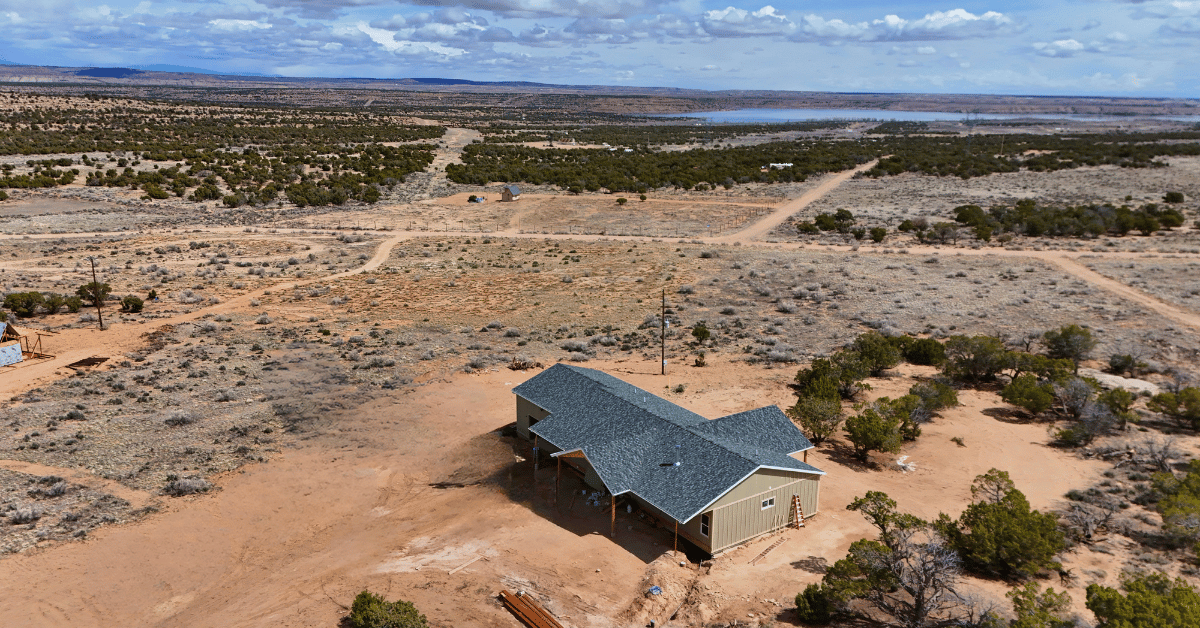
While buying land is cheaper at the start, building a house adds significant expenses over time. Construction costs vary widely depending on location, materials, size, and labor availability. In rural areas, building can also include additional costs for utilities and access improvements.
Common building costs include:
These costs add up quickly and can exceed the price of an existing home, especially if construction is done all at once.

One of the biggest advantages of buying land is flexibility. Unlike buying a house, land does not require immediate development. Buyers can hold the property, use it recreationally, or build gradually over time as finances allow.
Many landowners choose to:
This phased approach spreads costs out and reduces financial pressure, which is not possible when purchasing a move in ready home.
Financing also plays a major role in cost comparison. Traditional home loans often require strong credit, large down payments, and strict approval processes. Land purchases, especially with owner financing, often have simpler requirements and lower barriers to entry.
Owner financing allows buyers to purchase land without banks, credit checks, or construction timelines. This flexibility can make land ownership more accessible, even if building happens later.

Buying land is usually cheaper overall when buyers do not rush into building. Those who are patient and plan long term often spend less by purchasing land first and developing it gradually.
Land tends to be the more affordable option when:
In these cases, land allows buyers to control costs and timelines.
Building a house often costs more when buyers attempt to complete everything at once. Labor shortages, material costs, and unexpected site challenges can drive budgets higher than expected. In rural areas, even basic infrastructure can significantly increase total costs.
Buyers who need immediate housing or are not prepared for project management may find building more expensive and stressful than anticipated.
Choosing between buying land and building a house depends on your goals. Buyers looking for immediate housing and convenience may prefer purchasing an existing home. Buyers focused on flexibility, affordability, and long term planning often find land to be the better starting point.
Asking the right questions helps clarify the decision:
Understanding these factors helps buyers choose the path that fits their situation.
Buying land is almost always cheaper upfront than buying or building a house. Whether it stays cheaper overall depends on how and when development happens. For buyers who value flexibility, patience, and long term planning, land offers a lower cost entry into real estate ownership.
By understanding both the upfront and long term costs, buyers can make informed decisions and choose the option that aligns with their goals and financial comfort.