.webp)
.png)
When buyers first start looking at land, price is often the biggest question. Many assume the cheapest land must be low quality or unusable, but that is not always the case. In reality, land prices are driven by a specific set of factors, and understanding them helps buyers find affordable property that still fits their goals.
The cheapest land is usually not defined by acreage alone. Location, access, zoning, utilities, and demand all play a role in determining price. Knowing what drives land costs allows buyers to spot value instead of overlooking affordable options.
Land becomes cheaper when it lacks features that most buyers prioritize. This does not mean the land has no value, but it may require flexibility, planning, or a long term mindset.
Common reasons land is priced lower include:
Buyers willing to work within these conditions often find the best prices.
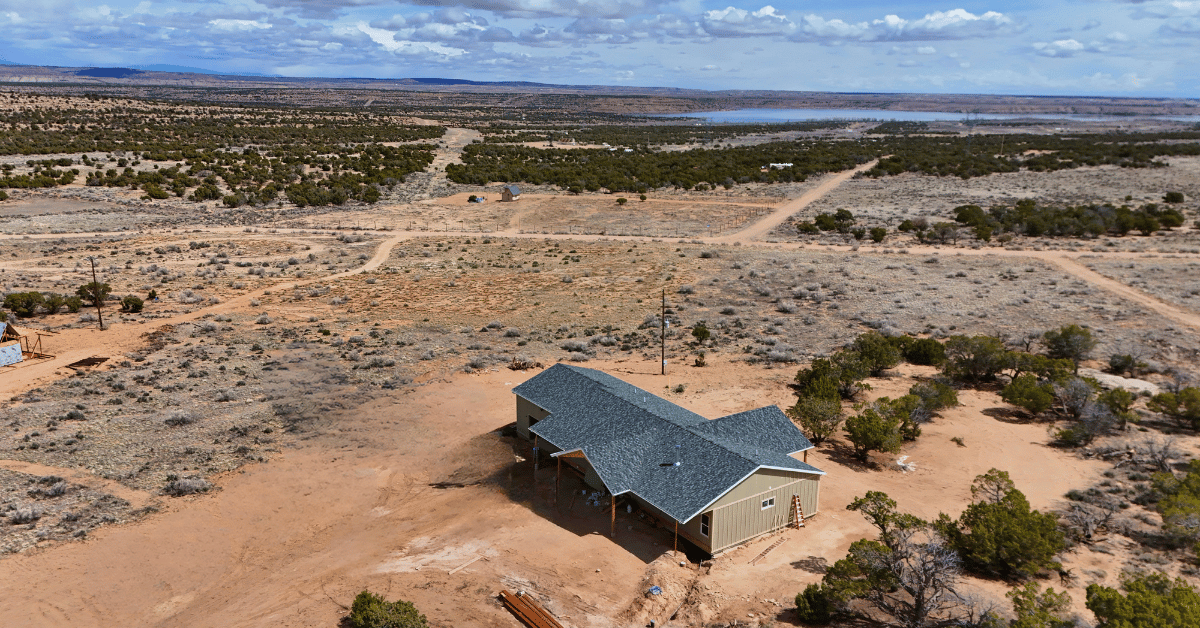
Remote rural land is consistently among the cheapest types of land available. These properties are located far from towns, shopping, schools, and services, which reduces competition from traditional buyers. Distance alone plays a significant role in pricing because convenience is a major driver of demand.
For buyers who prioritize privacy, space, or long term ownership over proximity, remote land can offer excellent value. While these properties often require planning for access and utilities, the lower purchase price allows buyers to enter land ownership without the high financial commitment associated with residential real estate.
Properties without existing utilities are typically priced lower because buyers must plan for alternative solutions. Installing power lines, wells, or septic systems adds cost and time, which discourages some buyers. As a result, demand is lower, and pricing reflects that reality.
Many landowners choose off grid solutions such as solar power, hauled water, or independent septic systems. Buyers who are comfortable with these options often save significantly on the initial purchase and gain more flexibility in how they use the land over time.
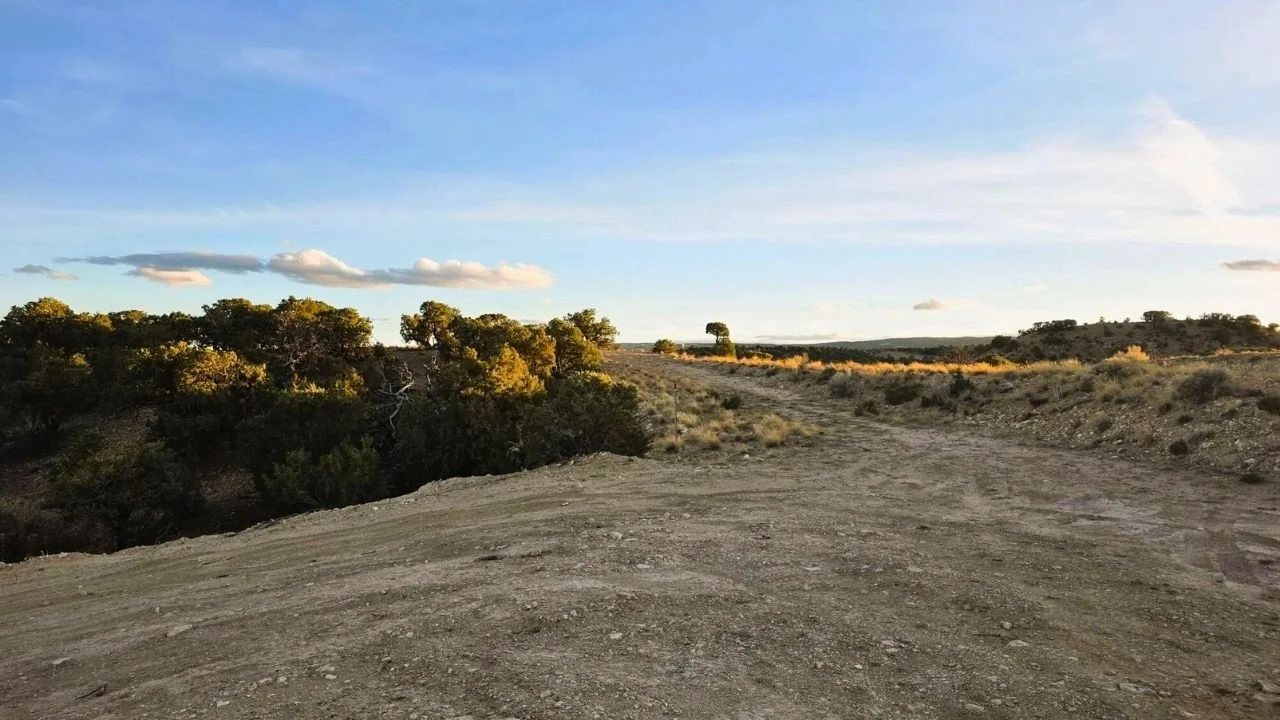
Land with seasonal access is another category that tends to be priced lower. These properties may be accessible during certain months but affected by snow, mud, or weather conditions during winter or spring. Limited access reduces year round usability, which in turn reduces buyer interest.
For buyers who plan to use land for seasonal recreation or long term holding, seasonal access can be a reasonable trade off for a lower purchase price. Understanding road conditions and maintenance responsibilities is essential before committing.
Land zoned primarily for recreational use is generally more affordable than residential land. Recreational zoning may allow camping, weekend use, or limited structures, but restrict full time residences or permanent improvements. These limitations reduce competition from buyers seeking homesites.
Recreational land is popular with buyers who want a place to enjoy the outdoors without immediate plans to build. The lower price point makes it accessible to first time buyers or those looking for a secondary property.
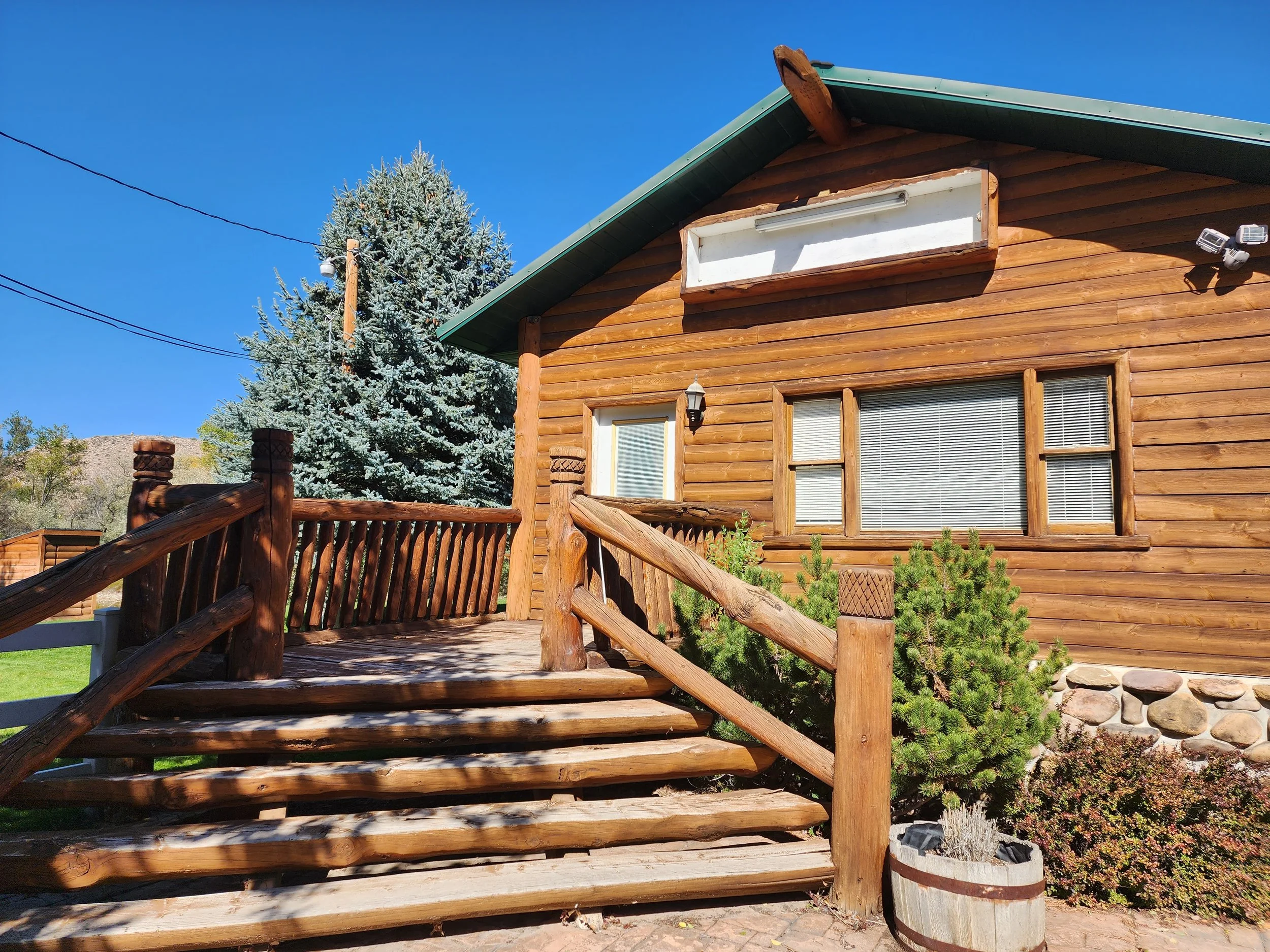
Demand plays a major role in land pricing. Areas with slower growth, fewer nearby developments, and limited infrastructure tend to have lower land values. These regions may not attract developers or large scale investment, which keeps prices stable and affordable.
Low demand does not mean poor quality. Many buyers intentionally seek out these areas for privacy, affordability, and long term ownership opportunities that are no longer available near growing cities.
Affordable land often requires more research, but it is not inherently risky. In many cases, cheap land simply lacks features that some buyers want immediately. Buyers who understand zoning, access, and utility options can find properties that fit their goals without overpaying.
The key is aligning the land with your intended use. Cheap land works best for buyers who value flexibility, patience, and long term planning rather than immediate development.
While affordable land presents opportunity, buyers should still perform due diligence. Certain limitations may affect how the land can be used or developed in the future.
Important factors to review include zoning restrictions, legal access, utility feasibility, environmental conditions, and county regulations. Working with a knowledgeable land specialist helps buyers evaluate these details before making a decision.
Final Thoughts
The cheapest land is typically rural, remote, and undeveloped. Properties without utilities, with seasonal access, or located in low demand areas offer some of the lowest entry points into land ownership.
For buyers willing to plan ahead and understand the realities of rural land, affordable property can be a practical and strategic choice. Knowing why land is cheap allows buyers to focus on value rather than assumptions.