.webp)
The idea of unclaimed land in the United States is one of the most common questions buyers ask when they first start researching property. With rising home prices and increased interest in rural living, it is understandable that people wonder if there is still land available that has not been taken or claimed. Online articles, videos, and social media posts often suggest that free or forgotten land still exists, but these claims rarely explain how land ownership actually works today.
In reality, land ownership in the US is highly regulated and documented. Every parcel is recorded through county and state systems, with clear ownership records, tax obligations, and legal boundaries. While some land may appear empty or unused, that does not mean it is unowned. Understanding this distinction helps buyers avoid misinformation and focus on realistic paths to land ownership.
When people use the term unclaimed land, they are often referring to land that is undeveloped, vacant, or not actively used. This can create the impression that no one owns it, especially in rural areas where properties may sit untouched for years. However, lack of development does not equal lack of ownership.
Most land that appears unclaimed falls into one of these categories:
In all of these cases, the land still has a legal owner. Ownership rights do not disappear simply because land is not being used or maintained.
Historically, the United States did distribute land through government programs, most notably the Homestead Act. This allowed settlers to claim land by living on it and improving it. That era ended long ago. The Homestead Act officially closed in the 1970s, and no modern program allows individuals to claim land simply by occupying it.
Today, land ownership is fully recorded and tracked. Parcels are surveyed, titled, taxed, and regulated. This system ensures legal clarity and protects property rights, but it also means there is no remaining land available to claim for free.
A significant portion of land in the United States is owned by the federal government. This includes national parks, national forests, Bureau of Land Management land, and protected wildlife areas. These lands are open to public use in certain ways, but they are not available for private ownership.
Public land may allow activities such as hiking, camping, or hunting, depending on regulations. However, it cannot be claimed, built on, or converted into private property. Government land exists for conservation, recreation, and public benefit, not for private acquisition.
Some buyers confuse abandoned looking land with unclaimed land. Properties that appear neglected or unused are often still owned, but may have unpaid taxes or inactive owners. In some cases, these properties enter the tax sale or foreclosure process.
Tax delinquent land may eventually be sold through county auctions, but this does not make it free or risk free. Buyers should understand that tax sales often come with challenges such as unclear access, title issues, or outstanding liens.
Common risks with tax sale land include:
These properties require careful research and are not suitable for every buyer.
Stories about unclaimed or free land spread easily because they offer hope in a difficult market. Headlines and videos often oversimplify land ownership or reference outdated laws without explaining current legal realities.
Most of these stories confuse public land access, abandoned properties, or tax sales with actual ownership. While these topics are related to land, they do not represent a legal path to claiming property without purchase.
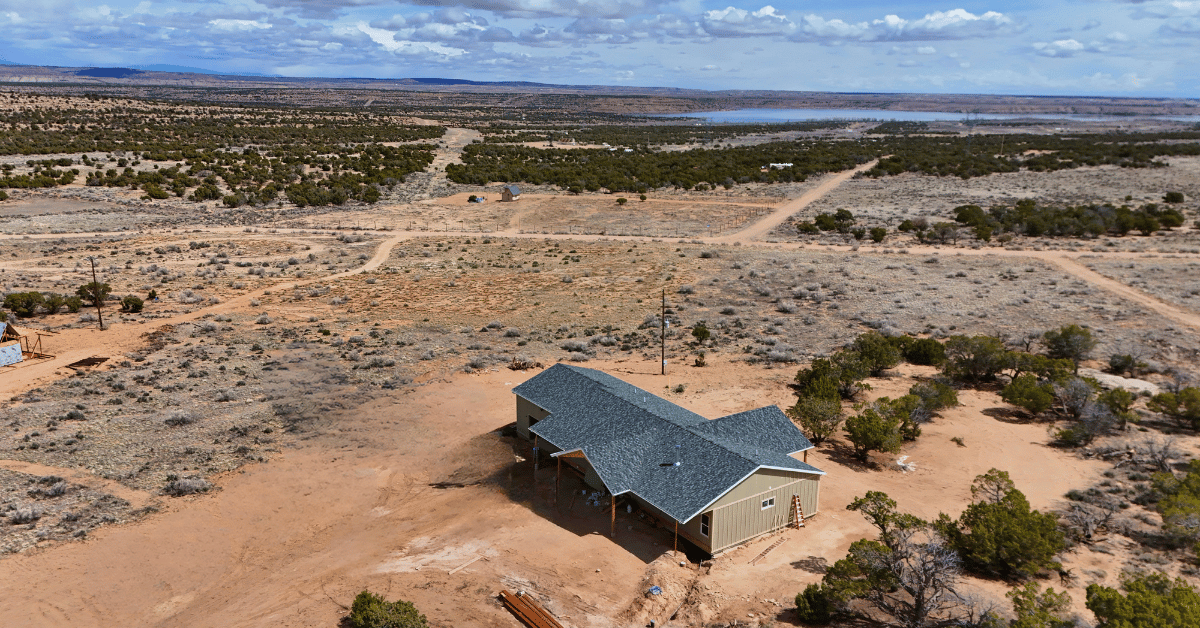
What many buyers are actually searching for is affordable land, not land without an owner. Rural land that is remote, undeveloped, or lacking utilities is often priced lower and can feel untouched or forgotten.
Affordable rural land typically has the following characteristics:
This land is fully owned and legally transferred, but it offers many of the benefits people associate with unclaimed land, such as privacy and flexibility.
Attempting to occupy or improve land without legal ownership can lead to serious legal consequences. Trespassing laws are strictly enforced, and improving land without permission does not create ownership rights.
While adverse possession laws exist, they are highly specific, vary by state, and require many years of open, continuous, and uncontested use. These laws rarely apply to large rural parcels and should not be relied on as a path to ownership.
The only legal way to own land in the United States is through a properly recorded transaction. This includes purchasing land from a private seller, acquiring property through a tax sale with clear title, or buying land released for sale by a government entity.
Legal ownership requires:
Following these steps protects buyers and ensures long term ownership rights.
Final Thoughts
There is no truly unclaimed land left in the United States. Every parcel has an owner, whether private or public. While the idea of free land is appealing, it does not reflect how modern land ownership works.
The good news is that affordable land is still widely available. Rural properties offer space, privacy, and long term opportunity for buyers who understand zoning, access, and utilities. By focusing on realistic options instead of myths, buyers can make informed decisions and confidently move toward land ownership.