.webp)
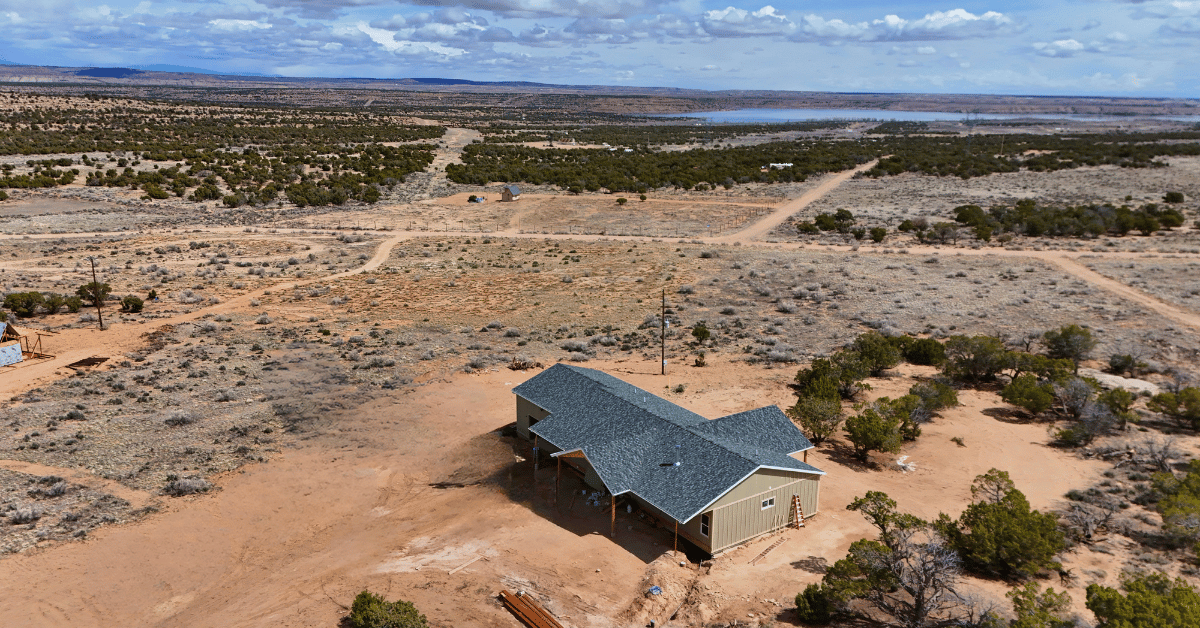
Rural land refers to property located outside of city limits and suburban developments, where population density is low and large scale infrastructure is limited or nonexistent. These areas are typically governed by county regulations rather than city ordinances, which often allows for more flexibility in how land can be used over time. Rural land is not defined by a single acreage size, but rather by its location, surrounding development, and zoning. In Utah, rural parcels are often found miles from town centers and are valued for space, privacy, and long term ownership potential rather than immediate development.
Understanding what qualifies as rural land is an important first step for buyers, especially those who are new to land ownership. Unlike residential properties with clear expectations around utilities, roads, and building timelines, rural land requires more planning and personal responsibility. Buyers who understand this early are better prepared to evaluate whether a property truly aligns with their goals.
Urban and suburban properties are typically surrounded by established infrastructure, including paved roads, municipal utilities, and nearby services. These properties are often subject to strict zoning rules, homeowners associations, and building timelines designed to support dense development. Suburban lots are usually smaller and designed for immediate construction, leaving little flexibility for alternative uses or long term holding.
Rural land operates very differently. Parcels are often larger, neighbors are farther apart, and development happens at a slower pace. Instead of relying on city systems, owners are responsible for planning access, utilities, and future use. This difference is what makes rural land appealing to buyers seeking control and flexibility, but it also requires a willingness to understand county rules and property conditions before buying.
Most rural properties share a set of characteristics that distinguish them from residential lots. These features vary by county and zoning, but they shape the overall experience of owning rural land.
These characteristics allow owners to approach land ownership gradually, making rural land well suited for long term planning rather than immediate use.

Zoning plays a central role in defining how rural land can be used. In Utah, rural parcels are commonly zoned for agricultural, recreational, or low density residential use. Zoning regulations determine whether you can camp, build a cabin, place a manufactured home, or hold the land undeveloped. They also outline requirements such as setbacks, permits, and minimum improvements.
Because zoning varies by county and sometimes by parcel, buyers must review zoning details carefully. Understanding these rules helps prevent surprises and ensures that the property aligns with your intended use. Working with a land specialist who understands local zoning can simplify this process significantly.
Rural land offers flexibility that is rarely available in urban markets. Many buyers do not develop their land immediately, choosing instead to use it seasonally or hold it long term. This flexibility allows owners to adjust their plans as finances, family needs, or market conditions change.
Common uses of rural land include recreational camping, hunting, fishing access, long term investment holding, and planning for a future homesite. Some owners gradually improve their land over time, while others choose to leave it undeveloped until they are ready to take the next step.
One of the most important differences between rural land and residential property is the availability of utilities. Many rural parcels do not have power, water, or sewer systems installed. Instead, owners may rely on wells, hauled water, solar systems, generators, or septic installations. These solutions require planning and budgeting but offer independence and flexibility.
Understanding utility options before purchasing land is essential. Buyers should consider both upfront installation costs and long term maintenance when evaluating whether a property fits their budget and goals.
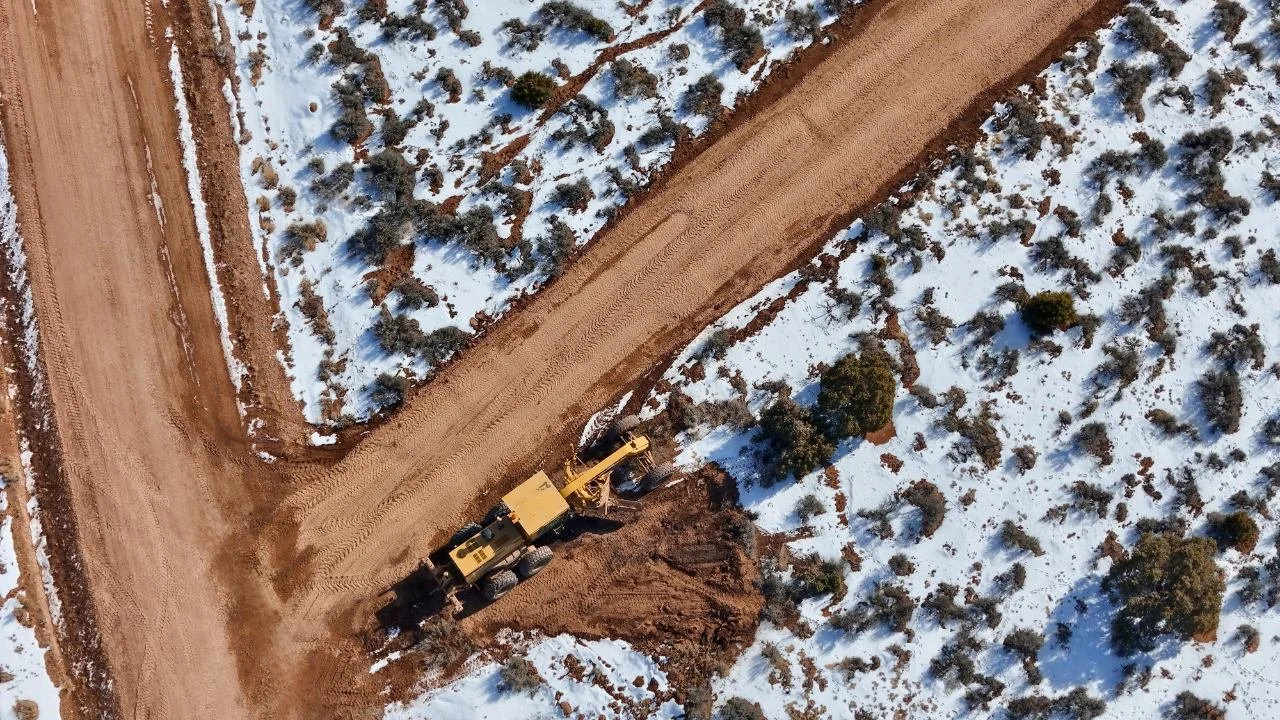
Access is a defining factor of rural land. Properties may be accessed by paved roads, gravel roads, or seasonal routes that are affected by weather conditions. Some roads are maintained by the county, while others are private or minimally maintained.
Knowing how access changes throughout the year helps buyers plan visits and long term use. Seasonal conditions such as snow or mud can affect accessibility, making it important to understand road types and maintenance responsibilities before purchasing.
Rural land is well suited for buyers who value space, privacy, and long term flexibility. It appeals to those who are comfortable planning ahead and taking a hands on approach to ownership. For buyers who want immediate housing, guaranteed utilities, or proximity to city services, rural land may present challenges.
Clarifying your goals before purchasing helps determine whether rural land is the right fit. Buyers who approach land ownership with realistic expectations are more likely to have a positive experience.
Final Thoughts
Rural land is defined by more than just its location. It represents a different approach to ownership, one focused on long term planning, flexibility, and personal responsibility. For buyers who understand these factors, rural land can offer opportunities that are difficult to find in more developed markets.
By learning how rural land works, understanding zoning and access, and planning utilities carefully, buyers can move forward with confidence and make informed decisions that align with their goals.