
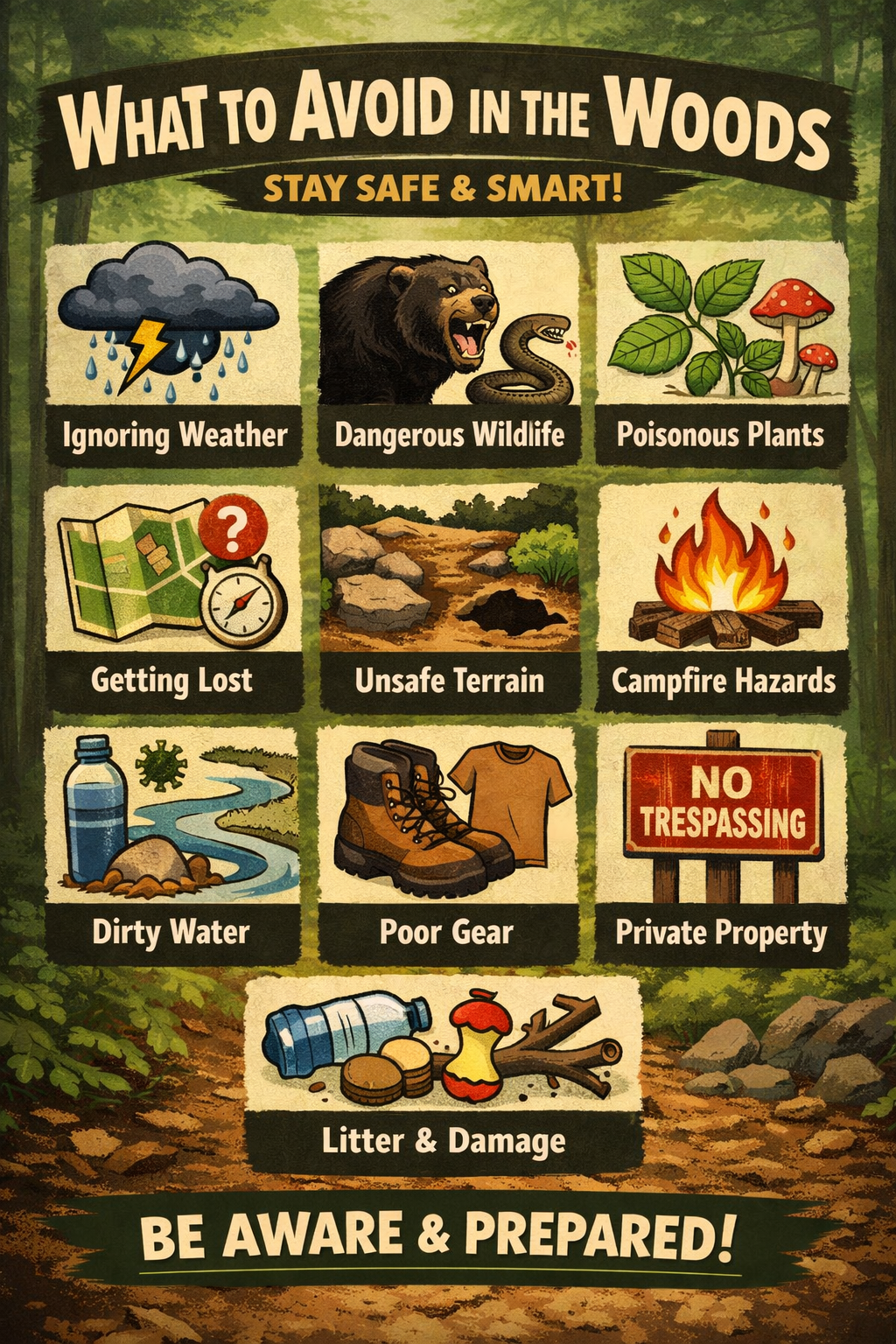
What to Avoid in the Woods
Spending time in the woods can be peaceful, rewarding, and grounding. Whether you are hiking, camping, hunting, or spending time on your own land, the woods come with real risks that are easy to underestimate. Most problems are not dramatic emergencies. They are small mistakes that stack up and turn into bigger issues.
Knowing what to avoid in the woods helps you stay safe, protect the land, and enjoy your time outdoors with fewer surprises.
Ignoring Weather and Seasonal Conditions
One of the most common mistakes in the woods is assuming the weather will stay consistent.
Weather can change fast, especially in mountainous or forested areas. Afternoon storms, sudden temperature drops, and high winds can create dangerous conditions quickly.
Things to avoid:
Heading out without checking the forecast
Assuming summer days mean warm nights
Ignoring wind advisories or storm warnings
Staying in exposed areas during lightning storms
Cold, wet conditions increase the risk of hypothermia even in mild temperatures. Heat, on the other hand, increases dehydration and exhaustion. Always plan for weather to be worse than expected.
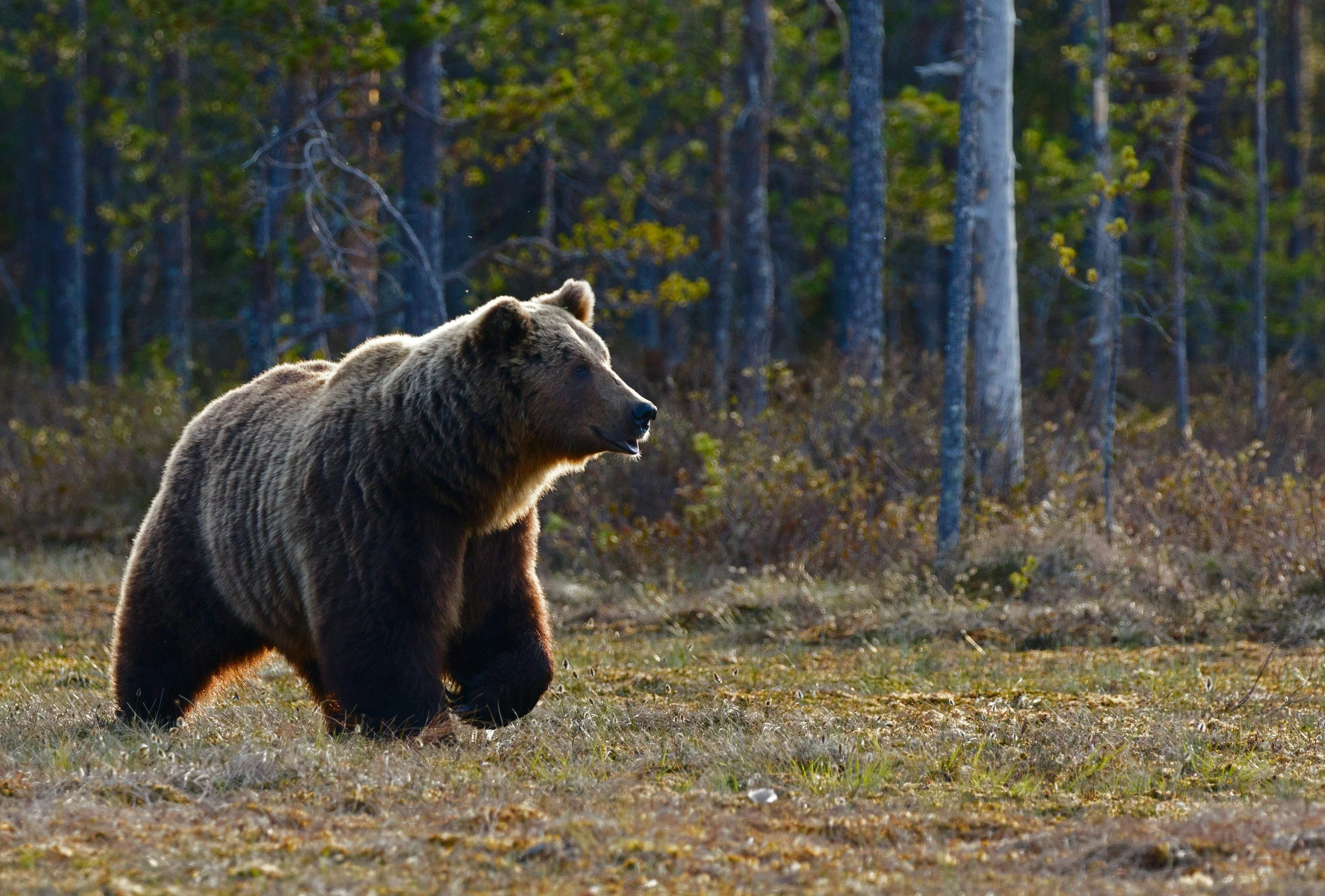
Unfamiliar or Unsafe Wildlife Interactions
Wildlife encounters are part of being in the woods, but getting too close or acting carelessly is something to avoid.
Most animals avoid people, but problems happen when humans surprise them, feed them, or get between them and food or offspring.
Avoid:
Feeding wild animals
Approaching animals for photos
Leaving food or trash unsecured
Ignoring tracks or fresh signs of animal activity
Snakes, bears, moose, elk, and even smaller animals can become dangerous if startled or threatened. Respect distance and never assume an animal will behave predictably.
Poisonous Plants and Hazardous Vegetation
Not everything green in the woods is harmless. Many plants can cause rashes, burns, or illness if touched or ingested.
Common hazards include plants that cause skin irritation, thorns that lead to infection, and fungi that are toxic if eaten.
What to avoid:
Touching unknown plants
Using leaves as toilet paper
Eating berries or mushrooms without expert knowledge
Walking through dense brush without protection
Even minor cuts from plants can become infected when dirt and bacteria are involved. Long sleeves and awareness go a long way.
Getting Lost by Overconfidence
Many people get lost not because they lack tools, but because they trust memory over navigation.
Forests can look similar in every direction. Trails fade. Landmarks disappear. Cell service is often unreliable.
Avoid:
Wandering off without marking your route
Relying only on your phone for navigation
Ignoring trail junctions or signage
Assuming you can find your way back easily
Simple tools like maps, compasses, or GPS units can prevent long and dangerous situations. Letting someone know where you are going matters just as much.
Unsafe Terrain and Hidden Ground Hazards
The woods hide more than they reveal. What looks like solid ground may not be safe.
Hazards to watch for:
Loose rocks and steep slopes
Fallen trees and unstable logs
Holes covered by leaves
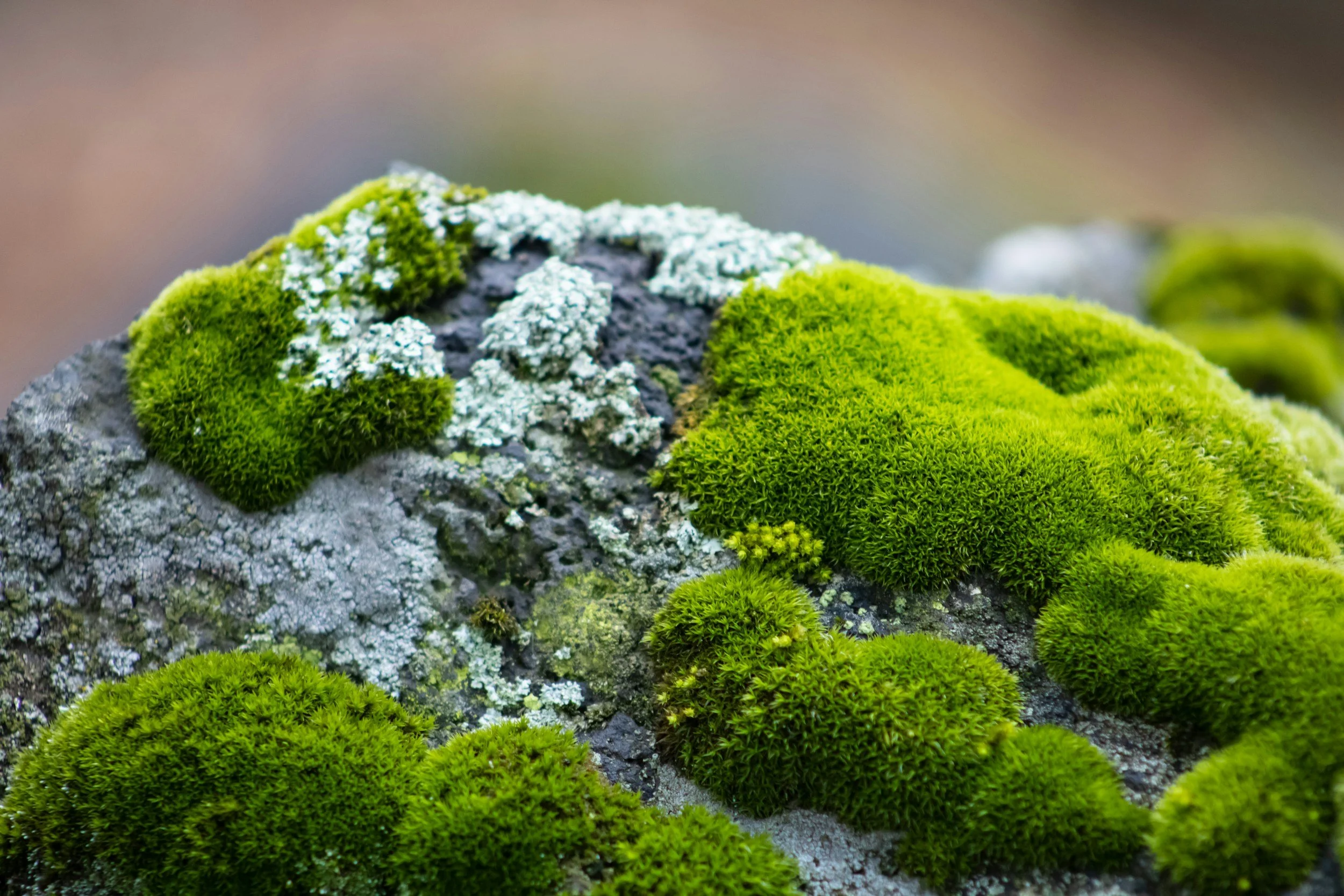
Slippery moss, mud, or wet roots
A simple fall can become serious when help is far away. Take your time, watch your footing, and avoid rushing through unfamiliar areas.
Campfire and Fire Safety Mistakes
Fire is useful and comforting, but it is also one of the biggest risks in the woods.
Avoid:
Building fires in restricted areas
Leaving fires unattended
Using fires during high wind conditions
Failing to fully extinguish embers
Wildfires often start from small, careless actions. Always check local fire regulations and prioritize safety over convenience.
Contaminated Water Sources
Clear water is not always clean water. Streams, rivers, and ponds can contain bacteria, parasites, or chemicals.
Avoid:
Drinking untreated water
Assuming fast moving water is safe
Skipping filtration or boiling steps
Using water sources near livestock or campsites
Waterborne illness can ruin a trip or become serious quickly. Always treat water before drinking, even in remote areas.
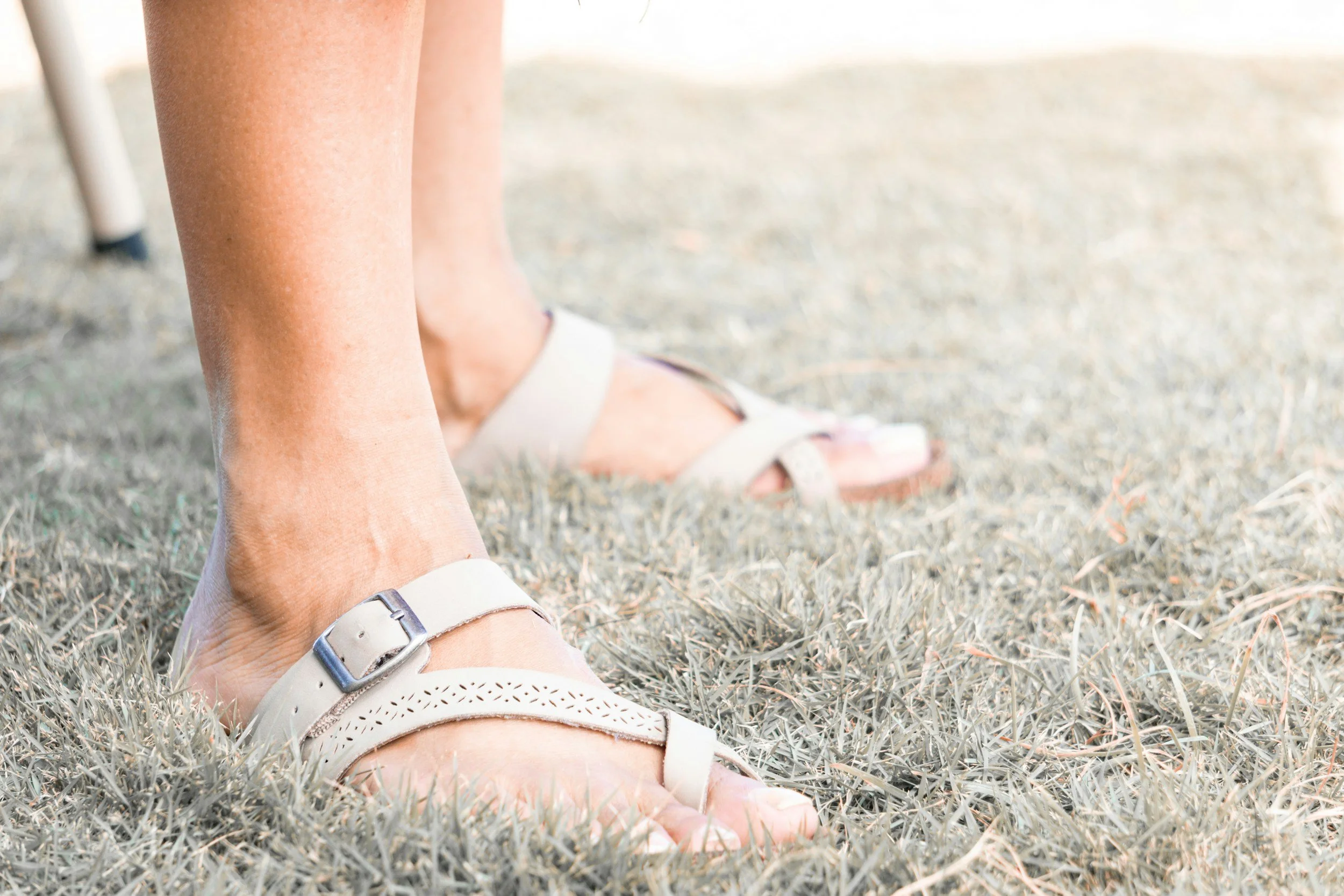
Poor Clothing and Gear Choices
Wearing the wrong gear creates problems before you realize it.
Things to avoid:
Cotton clothing that traps moisture
Inadequate footwear
No layers for changing temperatures
Skipping basic safety gear
Blisters, cold, sunburn, and fatigue all stem from poor preparation. Comfortable, practical gear is not optional in the woods.
Trespassing and Ignoring Property Boundaries
Not all wooded land is public. One of the most overlooked issues is crossing onto private property without permission.
Avoid:
Assuming unmarked land is public
Ignoring fences or posted signs
Using land without confirming access rights
Respecting property boundaries protects you legally and helps maintain good relationships with landowners.
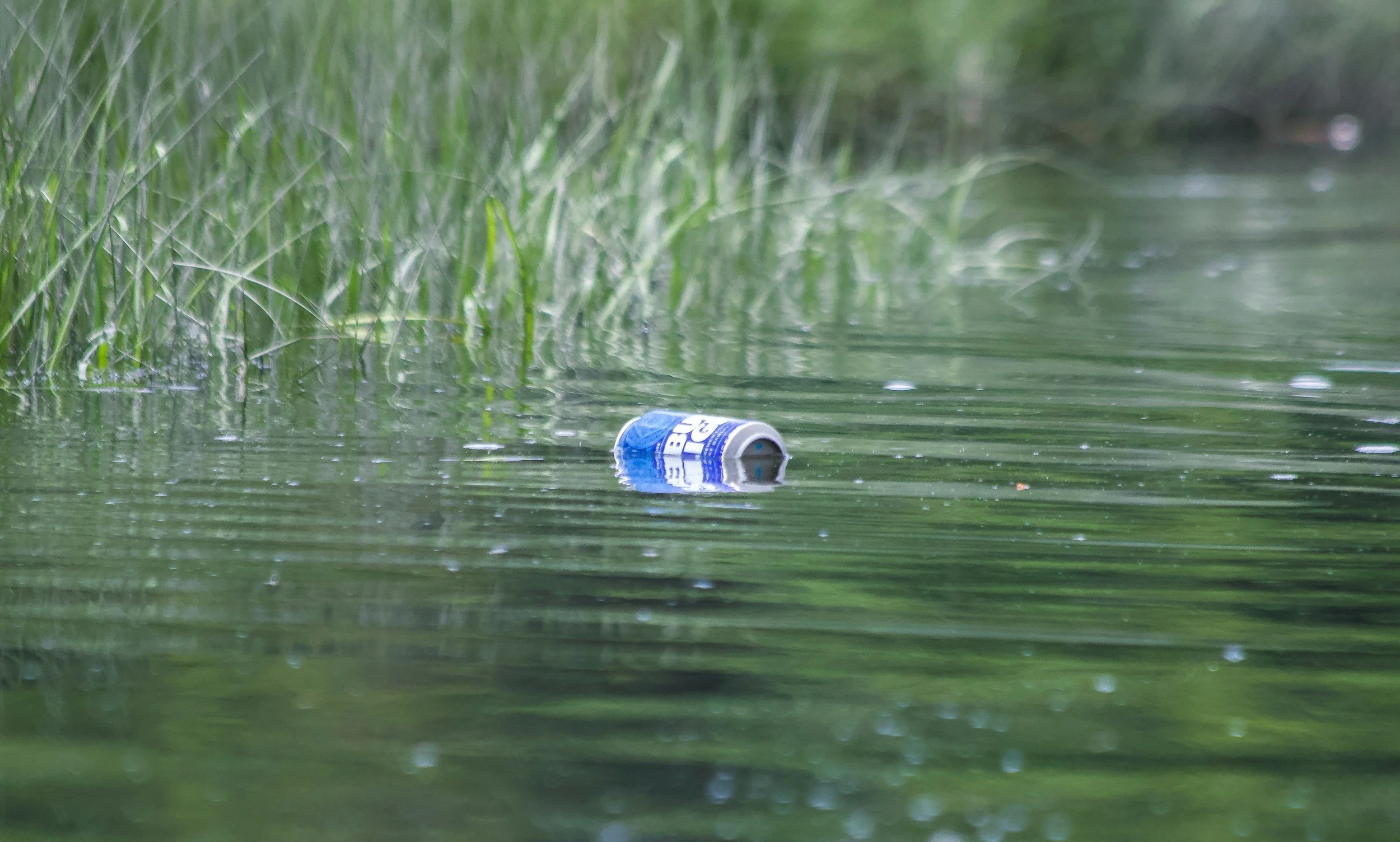
Leaving Trash or Disturbing the Environment
The woods are resilient, but not indestructible. Human impact adds up fast.
Avoid:
Leaving trash or food scraps
Cutting live trees unnecessarily
Damaging natural features
Creating new trails or campsites
Leave areas better than you found them. Responsible use preserves land for future use and wildlife.
Underestimating Fatigue and Time
Many accidents happen at the end of the day when people are tired and rushing.
Avoid:
Pushing past exhaustion
Starting long hikes too late
Skipping breaks or hydration
Ignoring signs of fatigue
Good decisions get harder when energy drops. Plan with time to spare and know when to turn back.
Final Thoughts
The woods are not something to fear, but they do demand respect. Most risks can be avoided with preparation, awareness, and restraint.
Avoid rushing. Avoid assumptions. Avoid cutting corners.
When you take the time to understand what not to do in the woods, you create space to enjoy what the woods are meant to offer. Quiet, freedom, and a deeper connection to the land.