
What is a Modern Day Homesteader?
A modern day homesteader is someone who wants more control over their land, lifestyle, and long term future, without necessarily disconnecting from modern life. Unlike traditional homesteaders of the past, today’s homesteaders often blend self sufficiency with technology, outside income, and gradual planning. The goal is not perfection or total independence, but flexibility, ownership, and resilience.
Modern homesteading looks different for everyone. Some people live full time on their land. Others use their property on weekends or seasonally. Many are still in the planning phase, slowly learning skills and improving land while maintaining jobs, families, and responsibilities elsewhere.
How Homesteading Has Evolved Over Time
Historically, homesteading was driven by necessity. Families depended on their land to survive, producing food, building shelter, and managing resources with little outside support. Today, modern homesteading is usually a choice. People choose it as a response to rising housing costs, lack of space, dependence on systems they do not control, or a desire for a slower and more intentional way of living.
Technology has reshaped what homesteading looks like. Solar systems, modern wells, internet access, and online education allow people to homestead while staying connected. Many modern homesteaders rely on remote work, flexible schedules, or mixed income streams to support their lifestyle.
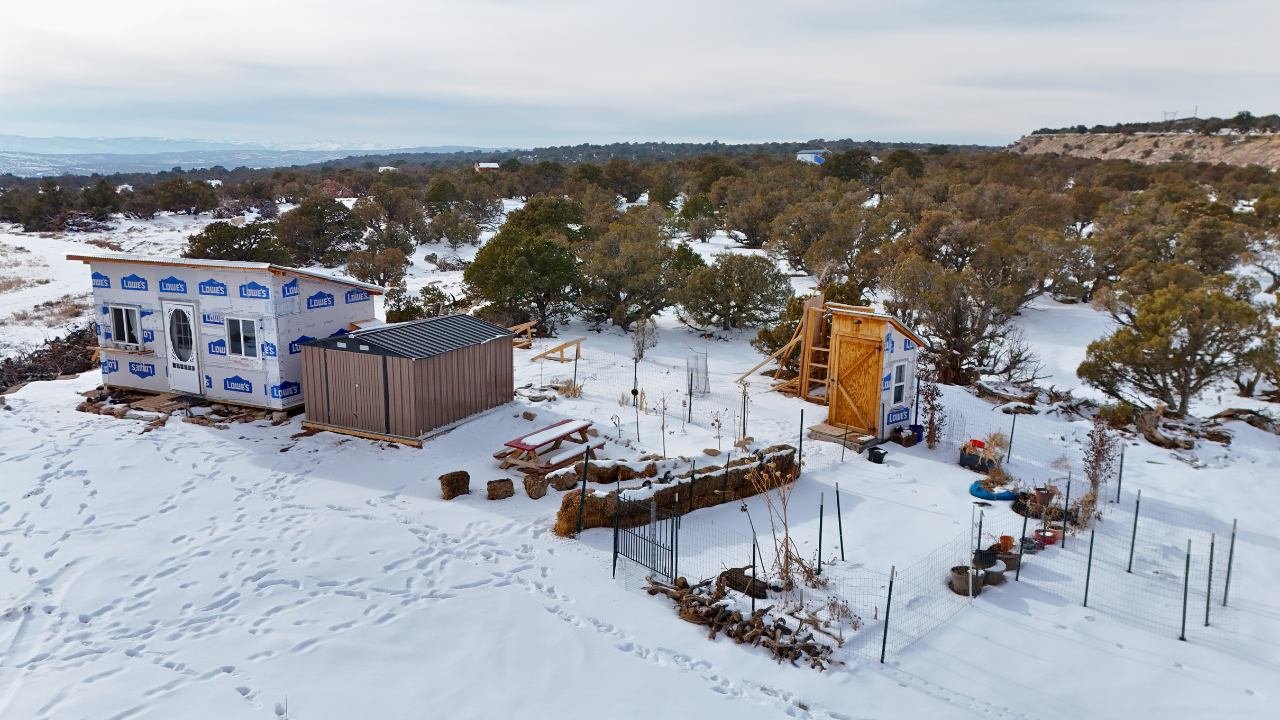
What Defines a Modern Day Homesteader
A modern homesteader is not defined by how much they grow or how off grid they live. They are defined by mindset. Most modern homesteaders share a few core priorities.
They value ownership over renting. They think long term instead of short term. They want the ability to make decisions about their land without constant restrictions. They are often willing to learn slowly, improve over time, and accept that homesteading is a process rather than a finished product.
Common Values of Modern Homesteaders
Owning land and having control over its use
Reducing dependence on outside systems where possible
Producing some food, not necessarily all food
Building practical skills over time
Planning for long term stability rather than quick returns
Using land in ways that fit their real life schedule
Modern homesteading is flexible. You do not have to check every box to be considered a homesteader.
You Can Be a Homesteader Without Living Off Grid
One of the biggest misconceptions about homesteading is that it requires living without power, water systems, or modern comforts. In reality, many modern homesteaders use grid power, internet, and nearby towns while still growing food, raising animals, or managing land independently.
Some start with recreational use and later transition to more permanent living. Others remain part time indefinitely. Homesteading today is about choice, not isolation.
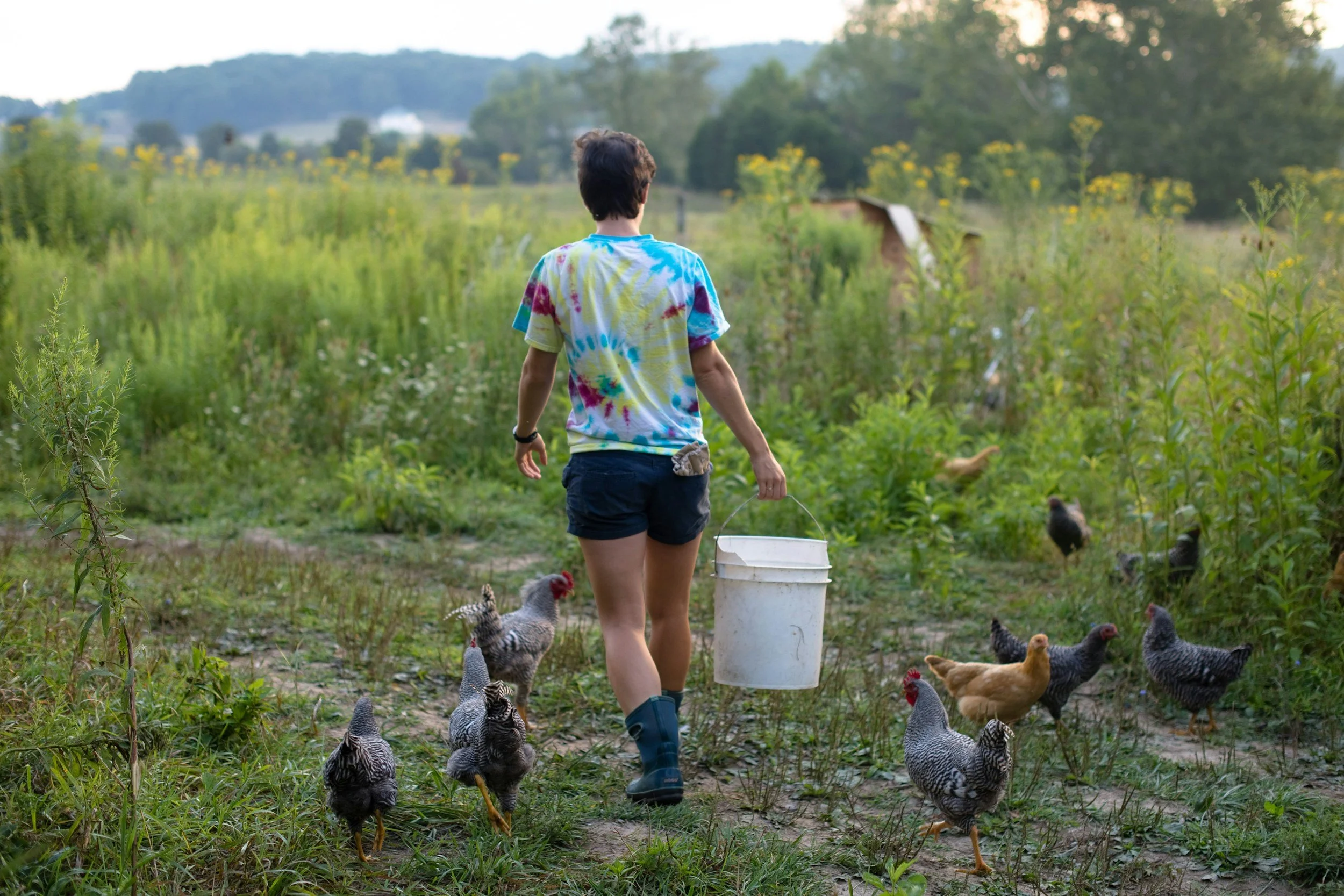
Different Types of Modern Day Homesteaders
The Part Time Homesteader
This is one of the most common paths. Part time homesteaders own land but live elsewhere. They visit on weekends or during certain seasons, slowly improving the property. This may include fencing, clearing access, planting trees, or preparing future building sites.
The Remote Worker Homesteader
With remote work becoming more common, many people now live on rural land while maintaining stable income. This allows them to balance independence with financial security. Reliable internet has made this lifestyle far more accessible.
The Family Focused Homesteader
Some families homestead to give children space, responsibility, and hands on learning. Animals, gardens, and outdoor projects become part of daily life. The goal is often lifestyle driven rather than financial.
The Prep Oriented Homesteader
These homesteaders focus on resilience and preparedness. They prioritize water access, food storage, backup power, and land ownership as a form of long term security. Many see land as a safeguard against uncertainty.
The Slow Build Homesteader
This type of homesteader buys land early and builds slowly. They may wait years before building a home, choosing instead to prepare infrastructure and save money. This approach reduces pressure and allows for better planning.
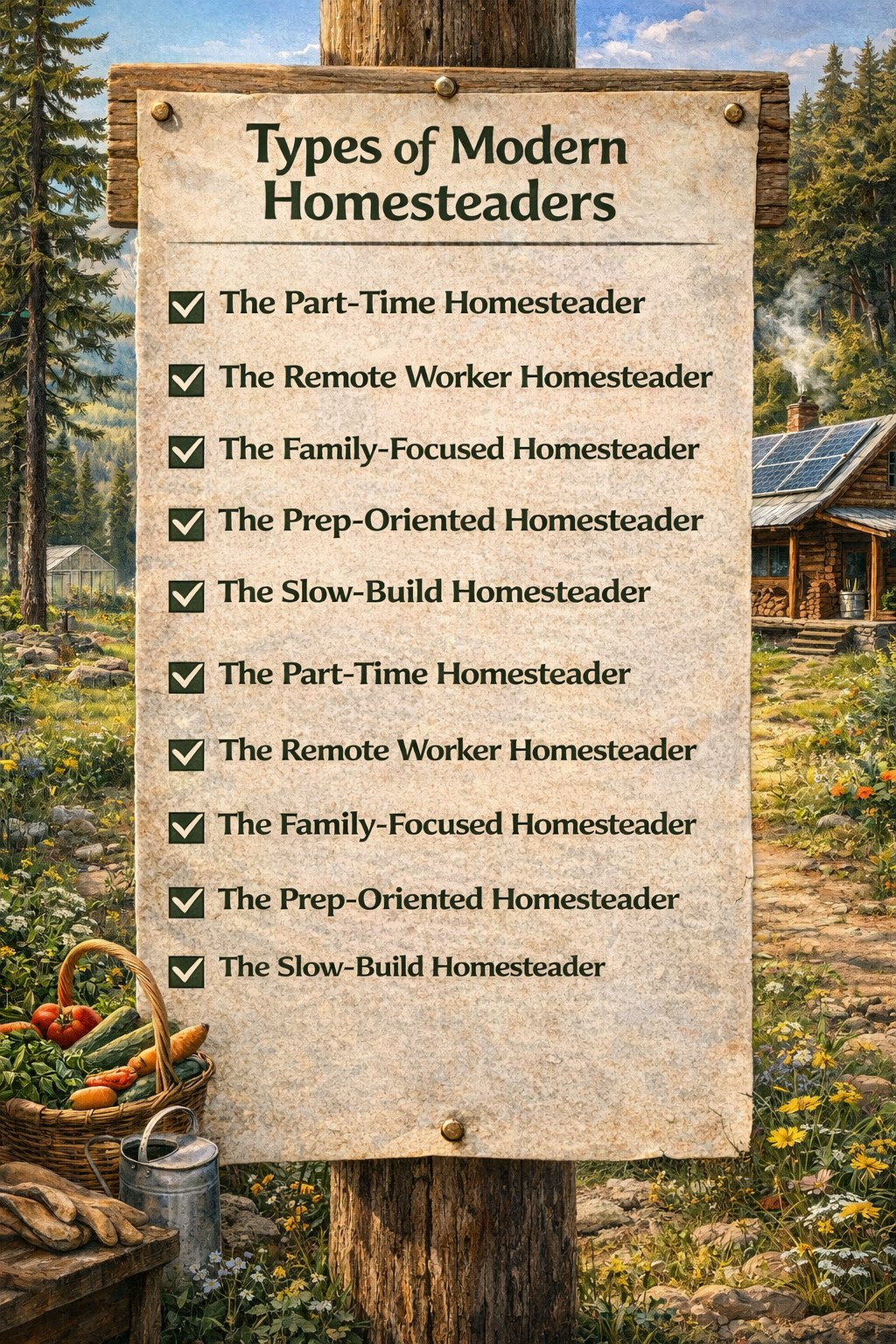
What Modern Homesteading Actually Looks Like Day to Day
For many people, modern homesteading is quiet and gradual. It may mean tending a small garden, checking animals, maintaining fencing, or planning future improvements. Some days involve hands on work. Others involve planning, budgeting, or learning new skills.
It is rarely about doing everything at once. Most homesteaders build systems one step at a time. This makes the lifestyle more sustainable and realistic.
Why Land Ownership Is the Foundation of Homesteading
Land ownership is what makes homesteading possible. Without owning land, long term planning becomes difficult. Renting limits what you can build, plant, or improve. Ownership allows people to invest time and effort into land knowing it will not be taken away.
Many modern homesteaders purchase land years before they move or build. This gives them time to plan, learn, and spread costs over time while securing a property that fits their goals.
Zoning, Access, and Planning Matter
Modern homesteaders often look closely at zoning, access, and county rules before buying land. Not all land allows animals, structures, or long term use. Understanding these details early helps avoid setbacks later.
Access is also important. Even off grid land needs reliable access for supplies, equipment, and emergencies. Many homesteaders balance privacy with practicality.
Modern Homesteading Is Not About Perfection
Social media often shows a polished version of homesteading that is not realistic for most people. In reality, modern homesteading includes mistakes, slow progress, and constant learning. That is normal.
Most homesteaders adapt as they go. They change plans, shift priorities, and adjust systems over time. There is no single correct way to homestead.
Is Modern Homesteading Right for You?
Modern homesteading may be a good fit if you value independence, long term planning, and ownership. You do not need to have every skill or resource right now. Many people start with land ownership and build from there.
If you want space, flexibility, and a future you can shape over time, modern homesteading may align with your goals.
Thinking About Land for Modern Homesteading?
The right land makes modern homesteading possible. Whether your plan is part time use, future building, or long term self sufficiency, starting with land gives you options and time.