
Why More Families Are Choosing Land Over Homes
For decades, buying a house was seen as the most reliable way for families to establish stability and long term security. That expectation is changing. As housing markets become more competitive and expensive, many families are questioning whether purchasing a traditional home right away still makes sense. Instead of rushing into a high priced mortgage, families are increasingly choosing to buy land first, viewing it as a flexible foundation for future plans rather than a final decision they must live with immediately.
This shift reflects broader changes in how families think about ownership, finances, and lifestyle. Land allows families to move forward without locking themselves into a structure, neighborhood, or financial commitment that may not fit their long term goals.
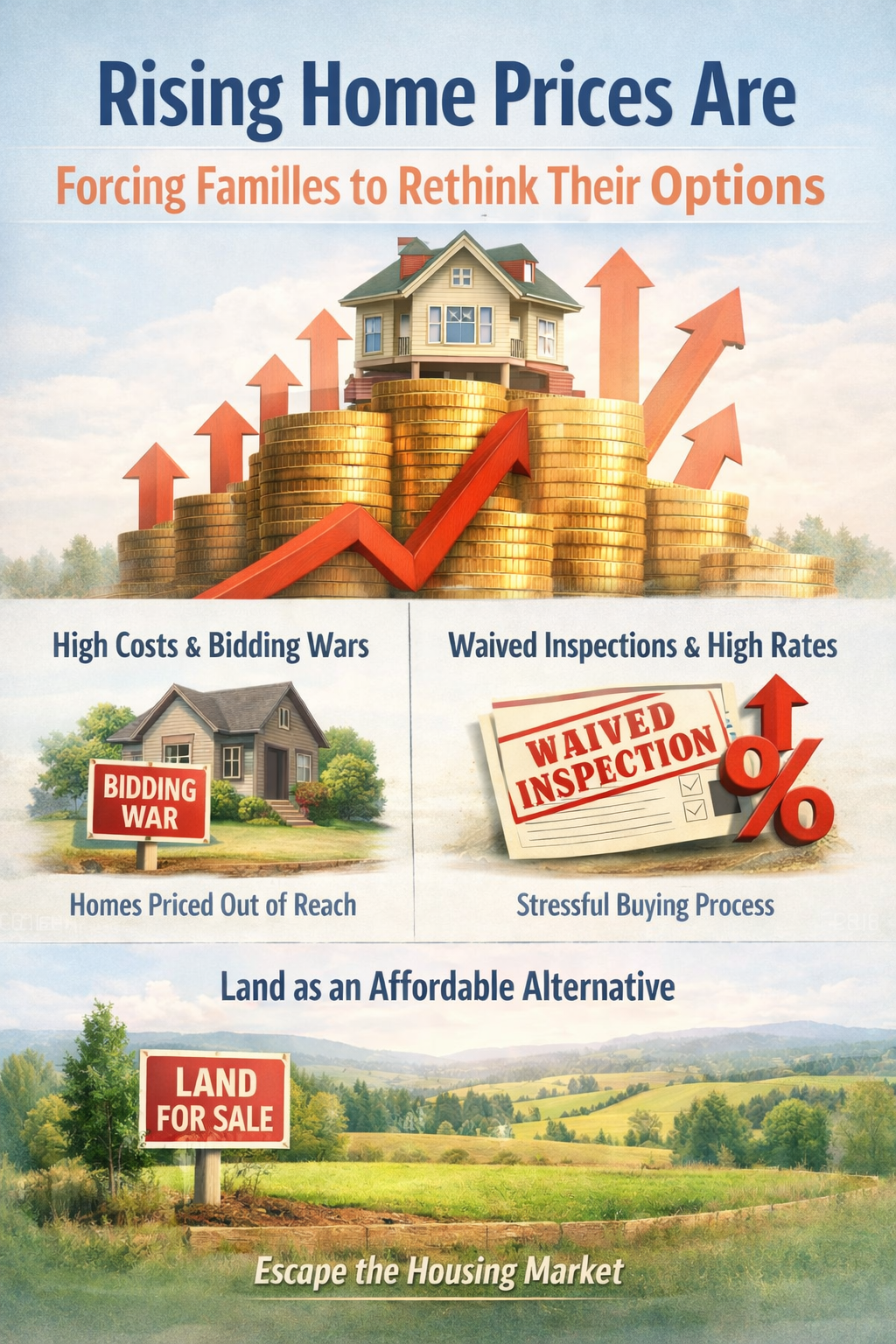
Rising Home Prices Are Forcing Families to Rethink Their Options
Home prices have increased faster than incomes in many parts of the country, making entry level homes difficult to afford for first time and growing families. Bidding wars, limited inventory, and rising interest rates have added pressure to an already challenging process. Many families find themselves compromising on location, space, or safety just to secure a house within their budget, often stretching their finances beyond what feels sustainable.
Land presents an alternative path. In many rural and semi rural areas, land can be purchased at a lower overall cost than a home, often with more flexible terms. This allows families to secure ownership without taking on a full mortgage immediately. Rather than competing against dozens of buyers, families can make more thoughtful decisions and enter ownership on terms that better align with their financial reality.
Families Want Control Over How and When They Build
Buying an existing home means accepting choices that were made by someone else, from layout and lot size to zoning and neighborhood rules. For families thinking long term, those limitations can feel restrictive. Land offers a level of control that traditional home purchases do not. Families can decide when to build, how large to build, and what features actually matter to them instead of paying for upgrades they may not want or need.
Many families use land in stages. Some begin with weekend visits or seasonal use, while others place temporary structures or plan infrastructure slowly over time. This phased approach spreads costs out and reduces pressure, allowing families to build when finances, timing, and life circumstances make sense. Ownership becomes a process rather than a single high risk decision.
Remote Work Has Changed Where Families Can Live
The rise of remote and hybrid work has significantly changed how families think about location. Jobs that once required proximity to urban centers can now be performed from almost anywhere with reliable internet. This shift has opened the door for families to consider land in areas that were previously viewed as impractical or too far removed from employment opportunities.
As connectivity improves in rural regions, land ownership has become compatible with stable income. Families are able to trade smaller homes in crowded neighborhoods for open space and privacy without giving up their careers. This flexibility has made land a realistic option rather than a distant dream.
Space and Privacy Matter More Than Ever
Many families are re evaluating what quality of life looks like. Dense neighborhoods, limited yards, and strict HOA rules can feel restrictive, especially for households with children, pets, or outdoor interests. Land offers physical space and personal freedom that are difficult to find in traditional housing developments.
Beyond the physical benefits, land creates a sense of separation and independence. Families value the ability to make decisions about their property without constant oversight. Whether it is gardening, raising animals, or simply having room to breathe, land provides an environment that supports a more self directed lifestyle.
Land Offers Long Term Security and Stability
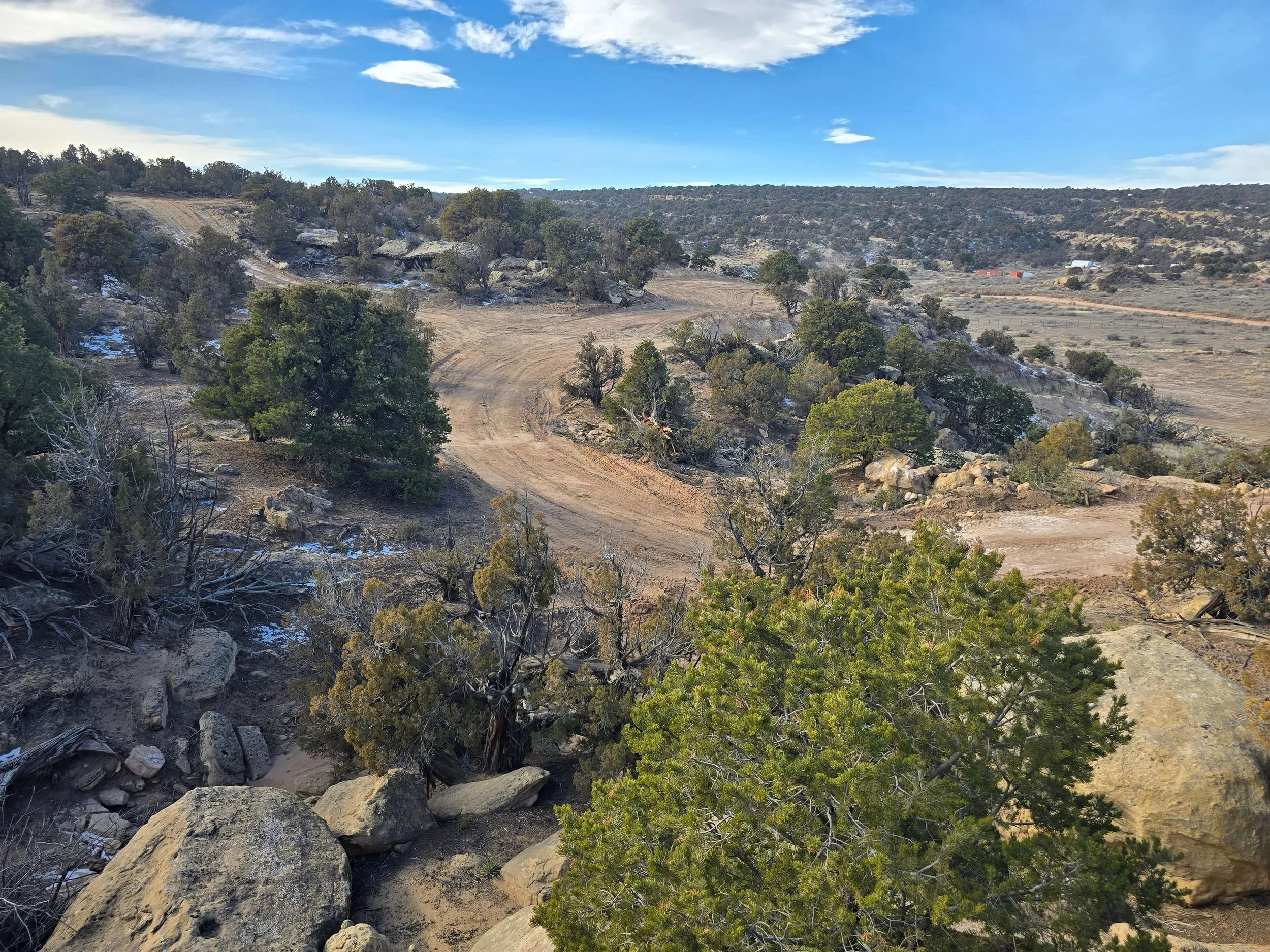
Land is a finite resource, and many families view it as a stable long term asset. Unlike homes, which require ongoing maintenance and are subject to wear, land ownership is often simpler to manage. It can be held, improved gradually, or passed down without the immediate costs associated with structures.
For some families, land represents a form of security. It is something tangible that is not tied to market trends in the same way as housing inventory. Owning land can provide peace of mind, whether it is used now or reserved for future generations.
A Slower Path That Fits Modern Family Life
Modern family life often involves balancing careers, childcare, financial planning, and long term goals. Buying land supports a slower and more intentional approach to ownership. Instead of rushing into a mortgage that dictates monthly expenses and limits flexibility, families can move forward at a pace that fits their circumstances.
This approach shifts the focus from immediate perfection to long term planning. Rather than asking what they can afford right now, families are thinking about where they want to be in five, ten, or twenty years.
Is Land the Right Choice for Your Family?
Choosing land over a home is not about avoiding responsibility or delaying commitment. It is about creating options. For families seeking space, control, and financial breathing room, land offers a path that aligns with long term thinking and evolving lifestyles.
Land ownership is no longer limited to investors or retirees. It has become a practical and strategic choice for families who want to build their future on their own terms.