
What Happens After You Buy Land?
Buying land is exciting, but many buyers are unsure what comes next once the paperwork is signed. Unlike buying a home, land ownership does not come with utilities, a move-in date, or automatic next steps. What happens after you buy land depends on your goals, the type of property, and how quickly you want to move forward.
This guide walks through what typically happens after you buy land, what to prioritize first, and how most landowners approach the months and years that follow.
Closing and Ownership Transfer
After closing, ownership of the land officially transfers to you. This usually includes recording the deed with the county and finalizing any financing documents. At this point, you are legally responsible for the property, including taxes and compliance with local regulations.
Buyers should keep copies of all closing documents, surveys, and financing agreements. These records are important for future planning, resale, or development.
Property Access and First Visit
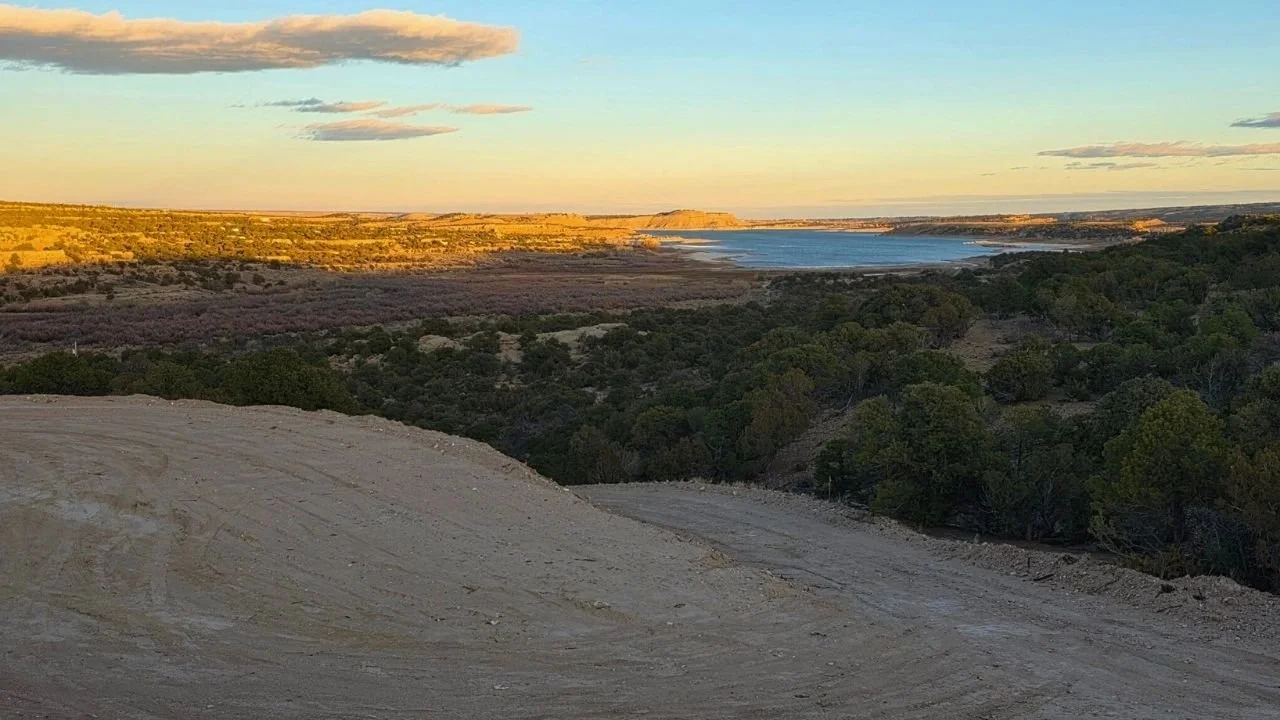
One of the first things many buyers do after purchasing land is visit the property in person, even if they viewed it earlier. This visit helps confirm access, understand terrain, and start visualizing how the land will be used.
During early visits, buyers often:
Walk boundaries if possible
Identify access points and road conditions
Assess slopes, vegetation, and drainage
Take photos and notes for planning
This step helps turn abstract ownership into a clear understanding of the land.
Understanding Zoning and County Rules
After purchasing land, buyers should review zoning and county regulations in more detail. Even if zoning was discussed before closing, ownership is a good time to confirm allowed uses, permit requirements, and long-term limitations.
Key items to review include:
Building allowances and timelines
Camping or RV rules
Agricultural or recreational use
Permit requirements for improvements
Understanding these rules early helps avoid costly mistakes later.
Planning Utilities and Off-Grid Options
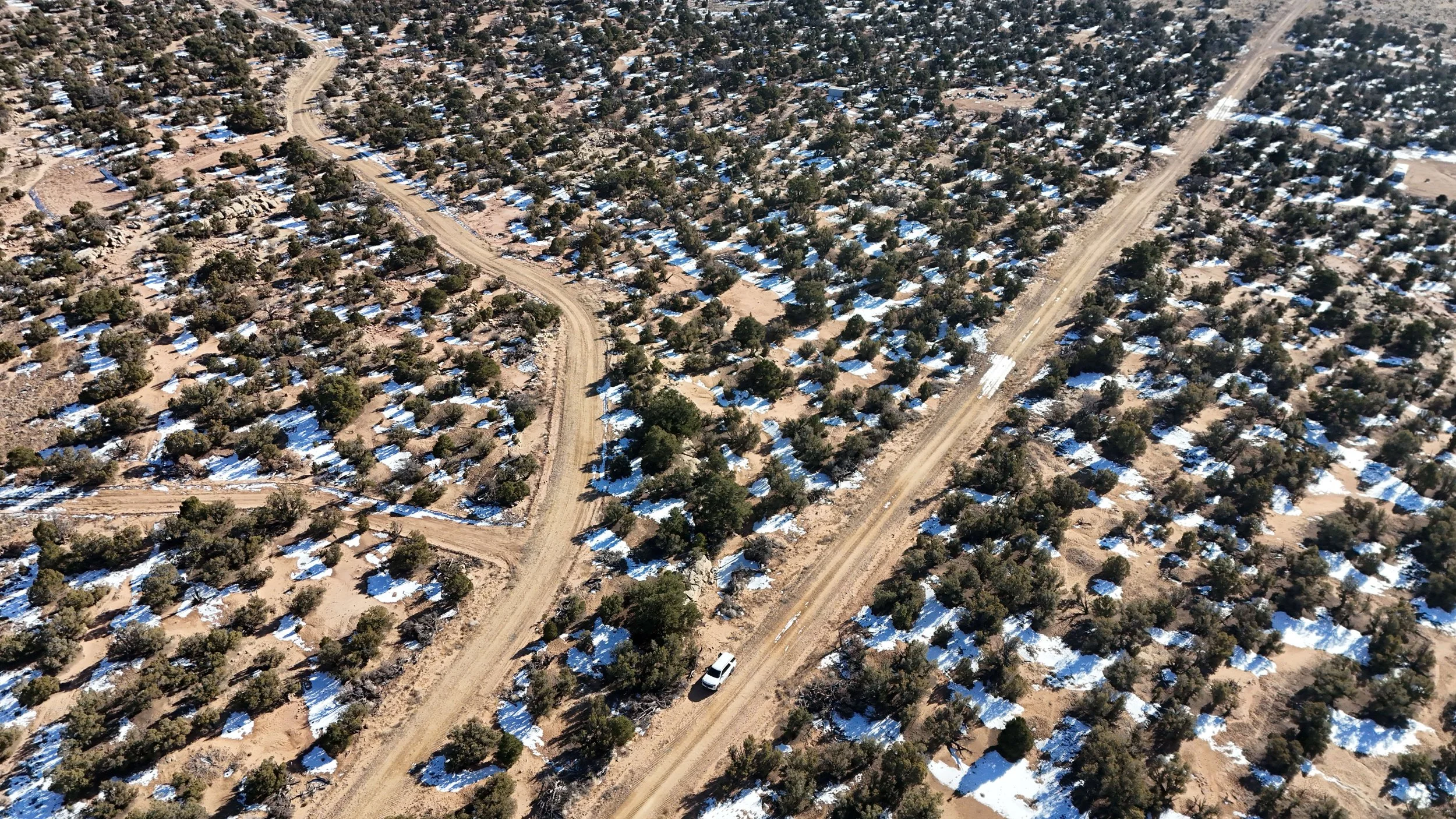
Most rural land does not come with utilities already in place. After purchase, buyers often begin planning how power, water, and waste will be handled. This does not mean immediate installation, but it does mean setting realistic expectations.
Common next steps include:
Evaluating solar or generator options
Understanding water hauling or water rights
Researching septic or alternative waste systems
Utility planning is often done gradually, especially for buyers using the land seasonally.
4
Deciding How You’ll Use the Land First
Many landowners do not build or develop right away. Instead, they choose an initial use that fits their timeline and budget. This could include camping, recreation, or holding the land as an investment.
Common early uses include:
Weekend camping
Seasonal recreation
Clearing access or basic improvements
Long-term holding without development
There is no requirement to rush development unless permits or financing terms require it.
Improving the Land Over Time
Land ownership is often a long-term process. Improvements are typically made in stages rather than all at once. Buyers may start with access improvements or clearing areas before moving on to larger projects.
Typical improvements include:
Improving road access
Clearing build sites
Adding fencing or gates
Preparing future utility locations
Gradual improvements allow landowners to spread costs and adjust plans over time.
Ongoing Responsibilities as a Landowner
Owning land comes with fewer responsibilities than owning a home, but there are still obligations. Property taxes must be paid annually, and owners are responsible for maintaining access and complying with county rules.
Landowners should also:
Monitor property boundaries
Address trespassing issues if they arise
Stay informed on zoning changes
Keep records organized
These tasks help protect long-term value.
Long-Term Options After Buying Land
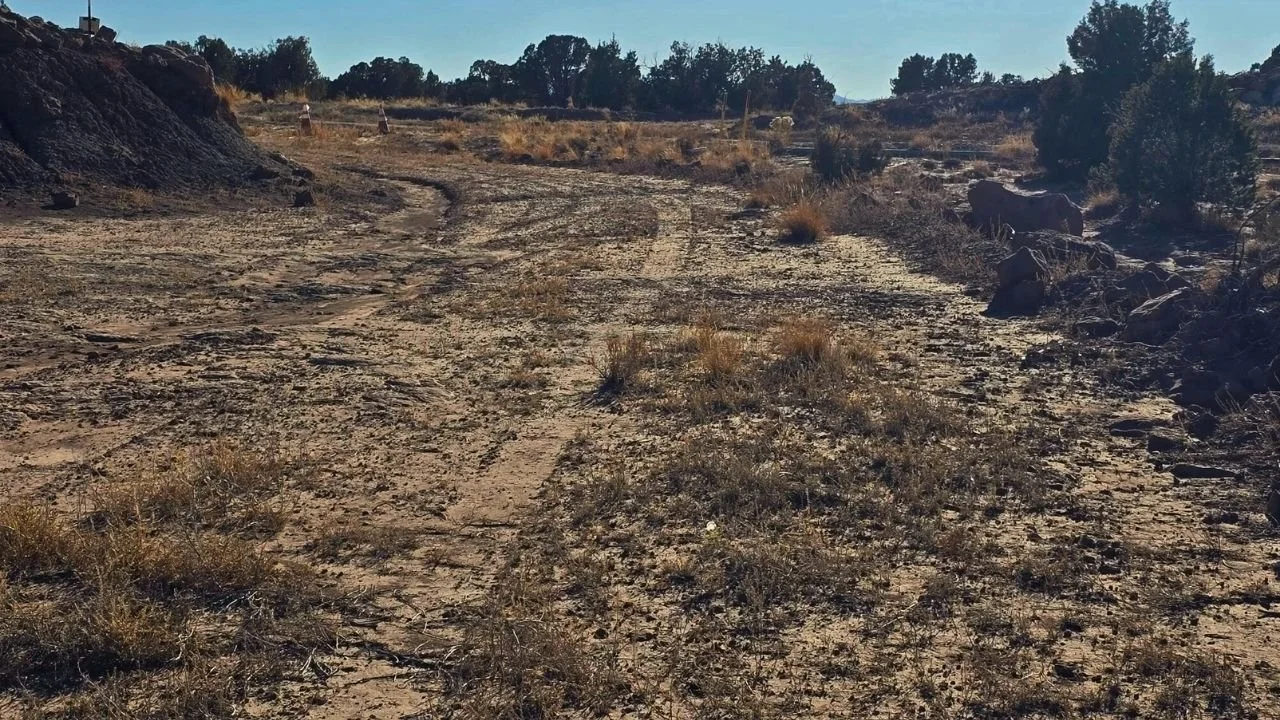
Over time, landowners may choose to build, sell, or continue holding the property. Some buyers purchase land as a future homesite, while others view it as a flexible asset.
Long-term options include:
Building a home or cabin
Continuing recreational use
Selling the land in the future
Passing the land to family members
Land ownership allows you to decide the pace and direction.
Final Thoughts
After you buy land, there is no single path you must follow. The value of land ownership lies in flexibility. Whether you use the land immediately or hold it long term, understanding what comes next helps you plan confidently and avoid unnecessary pressure.
Taking time to learn the land, understand regulations, and set realistic goals ensures your purchase works for you both now and in the future.