.webp)
One of the most common questions buyers ask when shopping for land is how much acreage they actually need. The answer is rarely one-size-fits-all. Some buyers assume more land is always better, while others worry about managing too much property. In reality, the right amount of land depends on how you plan to use it, where it’s located, and how hands-on you want to be.
This guide breaks down how to think about land size realistically, based on lifestyle, budget, and long-term goals.
The most important factor in deciding acreage is intended use. Land size should support what you want to do, not exceed it unnecessarily.
Common uses include:
Each of these uses comes with different space needs, and buying more land than necessary can increase costs without adding real value.
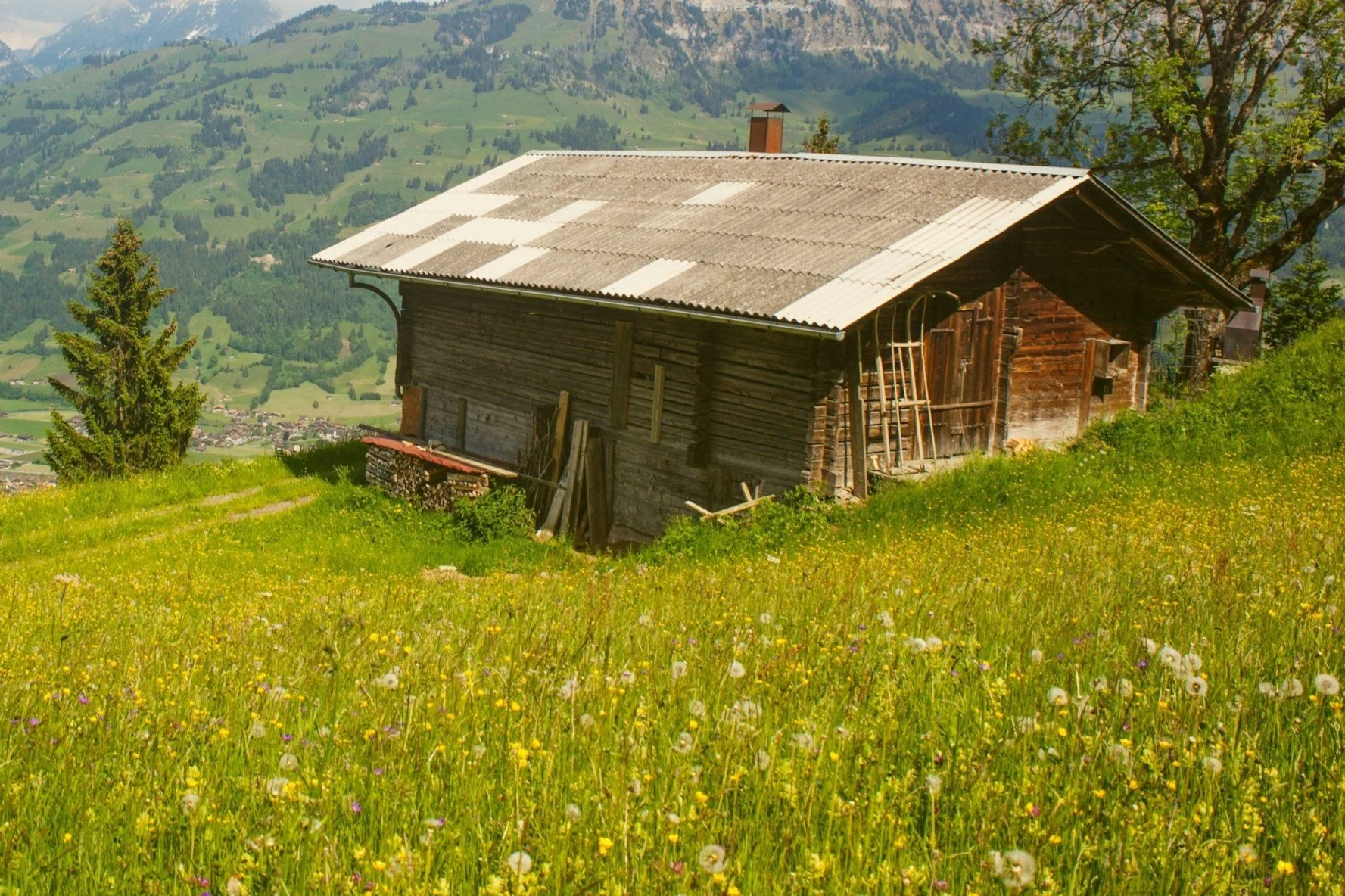
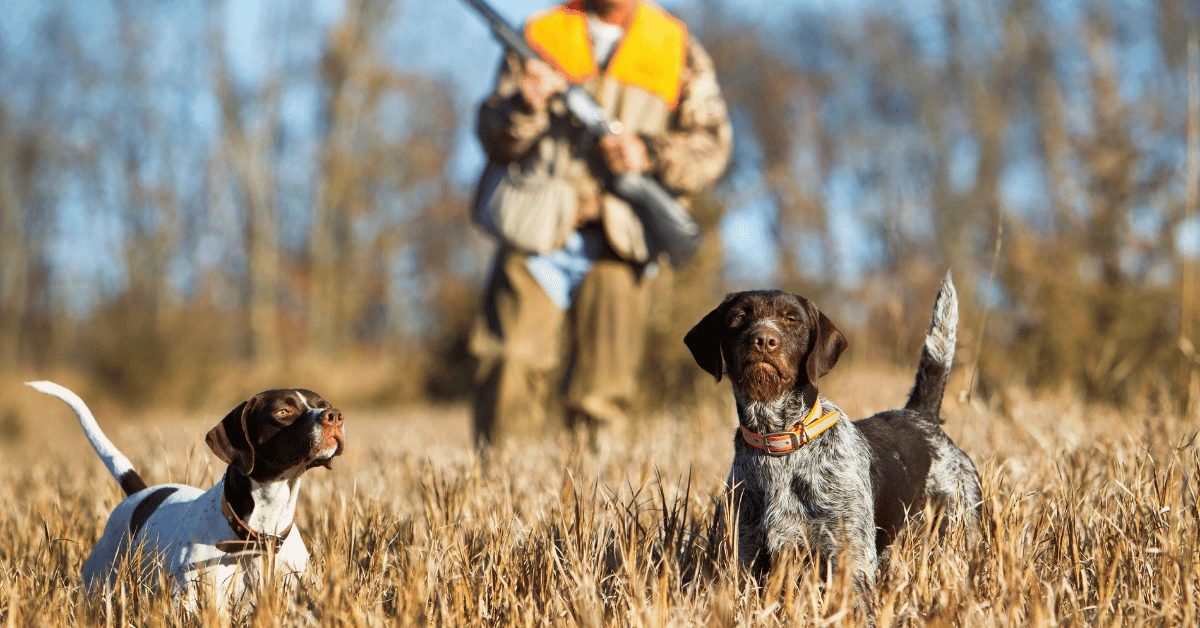
For recreational use, many buyers need less land than they expect. A few acres can be enough for camping, RV use, target shooting where allowed, or weekend getaways, especially when the property borders open land or public areas.
In many cases:
Recreational buyers often prioritize access and surroundings over raw acreage.
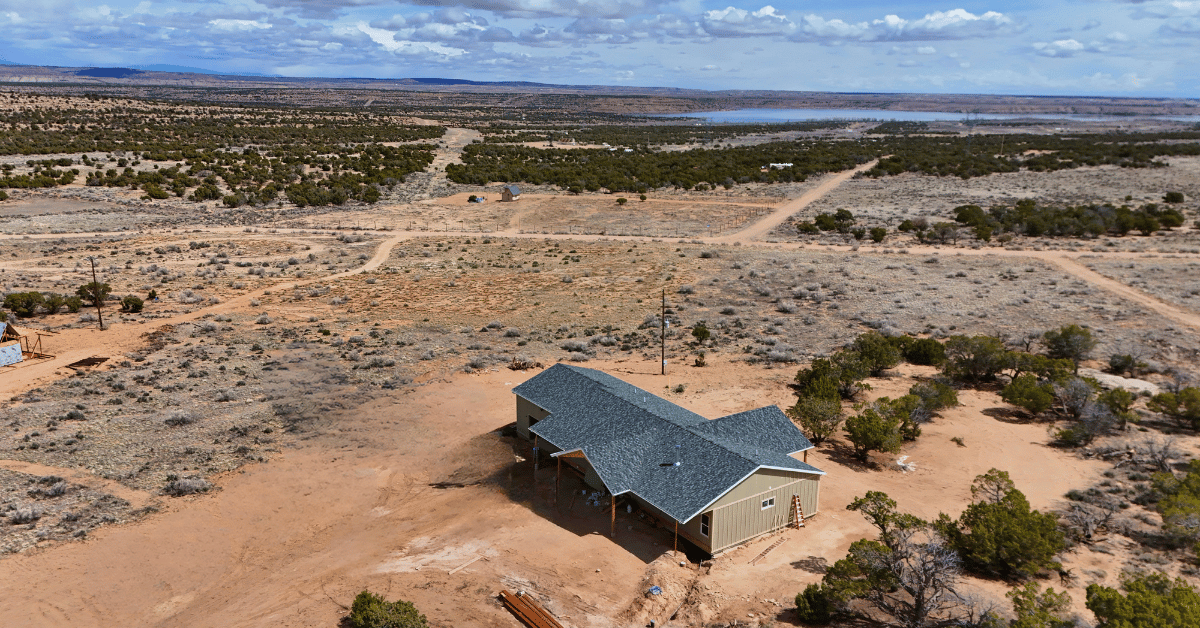
If your goal is to build, acreage requirements depend more on zoning than personal preference. Some counties require minimum lot sizes for residential construction, while others allow homes on smaller parcels.
Buyers planning to build should consider:
In many rural areas, 5–10 acres is more than sufficient for a home, while larger parcels offer privacy rather than necessity.
Off-grid living does not always require large acreage, but additional land can make systems easier to plan. Solar placement, water storage, and waste systems benefit from space, though efficient layouts can work on smaller parcels.
Buyers interested in off-grid living often choose:
The key is balancing independence with manageability.
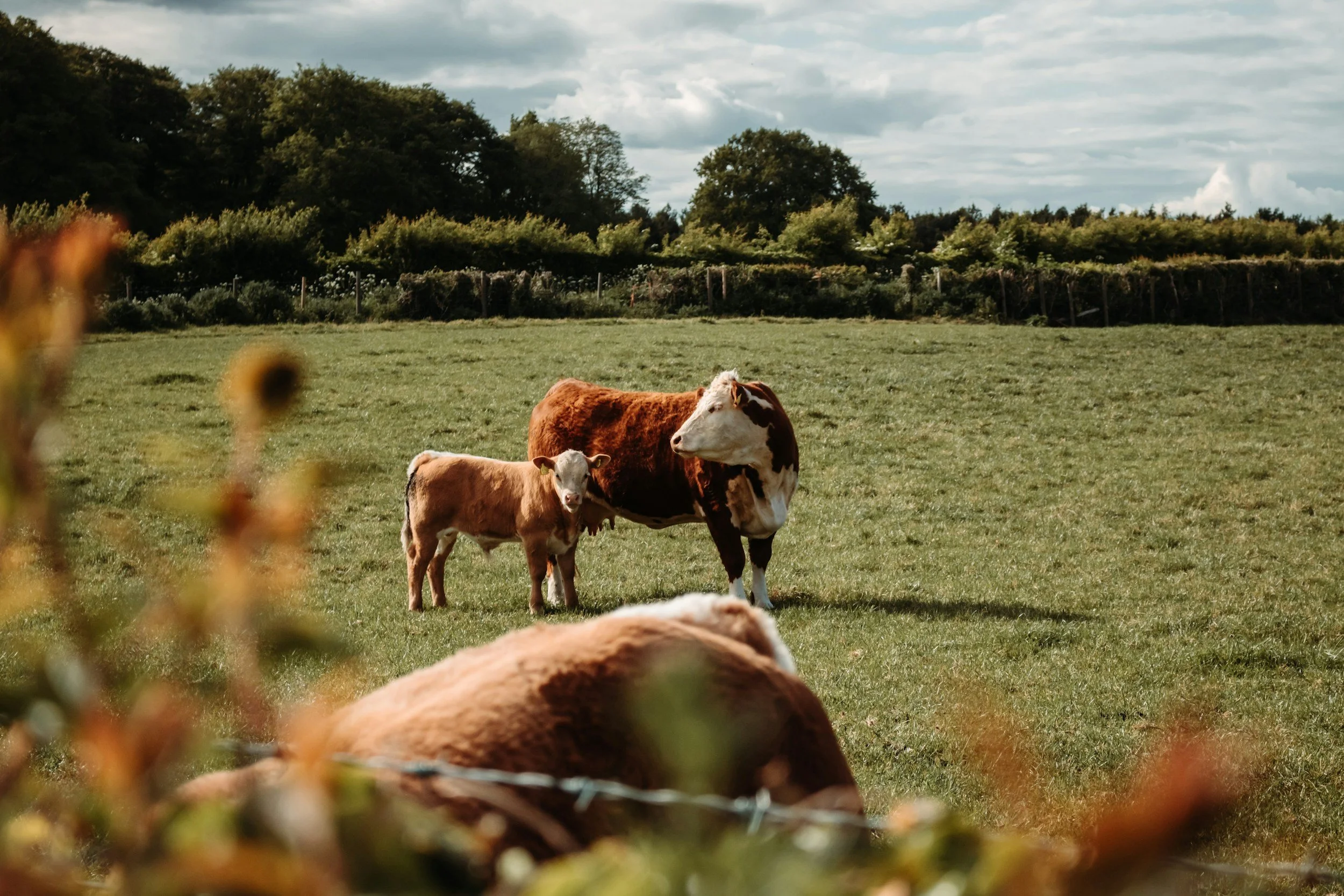
Agricultural use changes the equation. Livestock, grazing, and crop production require enough space to meet county rules and practical needs.
Important considerations include:
Small-scale or hobby farming can work on modest acreage, while larger operations require significantly more land.
For buyers focused on long-term investment, land size is often less important than location, access, and zoning. Smaller parcels can appreciate just as well as larger ones if they are usable and desirable.
Investment-focused buyers often prioritize:
In many cases, a well-located smaller parcel outperforms a large, remote one.
More acreage usually means higher purchase price, property taxes, and maintenance responsibilities. Roads, fencing, clearing, and monitoring boundaries all become more time-consuming as land size increases.
Before buying large acreage, consider:
Buying only what you need helps keep ownership manageable.
Most buyers discover they need less land than they initially imagined. The right acreage supports your goals without creating unnecessary expense or work. Whether that’s a few acres for recreation or a larger parcel for long-term plans, clarity matters more than size.
The best approach is to define how you’ll use the land now and how you might use it later, then choose acreage that fits both without overextending.