
Can You Camp on Land You Own in Utah?
Camping on land you own in Utah is one of the biggest reasons people buy rural property. Whether it’s for weekend getaways, seasonal use, or testing land before building, camping offers flexibility that traditional real estate does not. However, owning the land does not automatically mean you can camp on it without limits.
The answer is yes, you can camp on land you own in Utah, but it depends on zoning, county regulations, and how the land is being used. This guide explains what is typically allowed, what restrictions to watch for, and how to camp legally and confidently on your own property.
What Determines Whether You Can Camp on Your Land?
Camping rules in Utah are not set statewide. Instead, they are determined at the county level through zoning and land-use ordinances. Two properties that look similar on a map can have very different camping rules depending on where they are located.
Key factors that affect camping permissions include:
County zoning classification
Length of stay
Type of camping (tent, RV, trailer)
Whether the land has a permitted structure
Health and safety regulations
Because of this, it is important to verify allowed use before assuming camping is permitted.
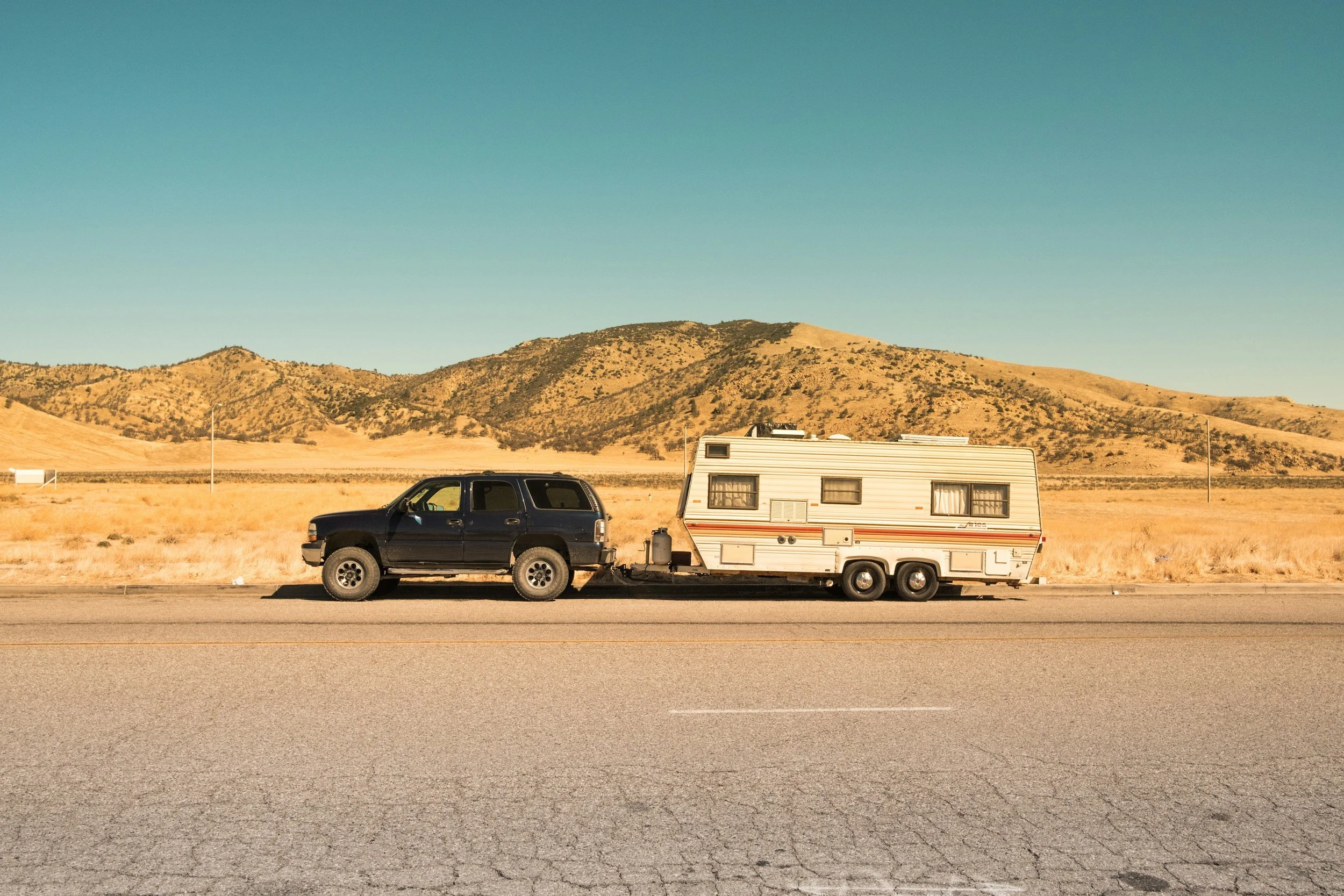
Camping on Rural and Recreational Land
Most rural and recreational land in Utah allows some form of camping, especially short-term or seasonal use. Many buyers purchase land specifically to camp, hunt, or recreate without immediate plans to build.
Common scenarios where camping is often allowed include:
Weekend or seasonal camping
Tent camping
RV or trailer camping for limited periods
Recreational use tied to hunting or outdoor activities
That said, counties may limit how long you can camp consecutively or within a calendar year.
Can You Camp Full-Time on Your Land in Utah?
Full-time camping is where restrictions are more likely to apply. Many counties do not allow permanent camping or long-term RV living without an approved dwelling or permit. This is often tied to health regulations related to sanitation, waste disposal, and water access.
If your goal is long-term or year-round camping, you may need:
A temporary use permit
An approved septic or waste system
A building permit in progress
Rules vary widely by county, so long-term camping should always be confirmed directly.
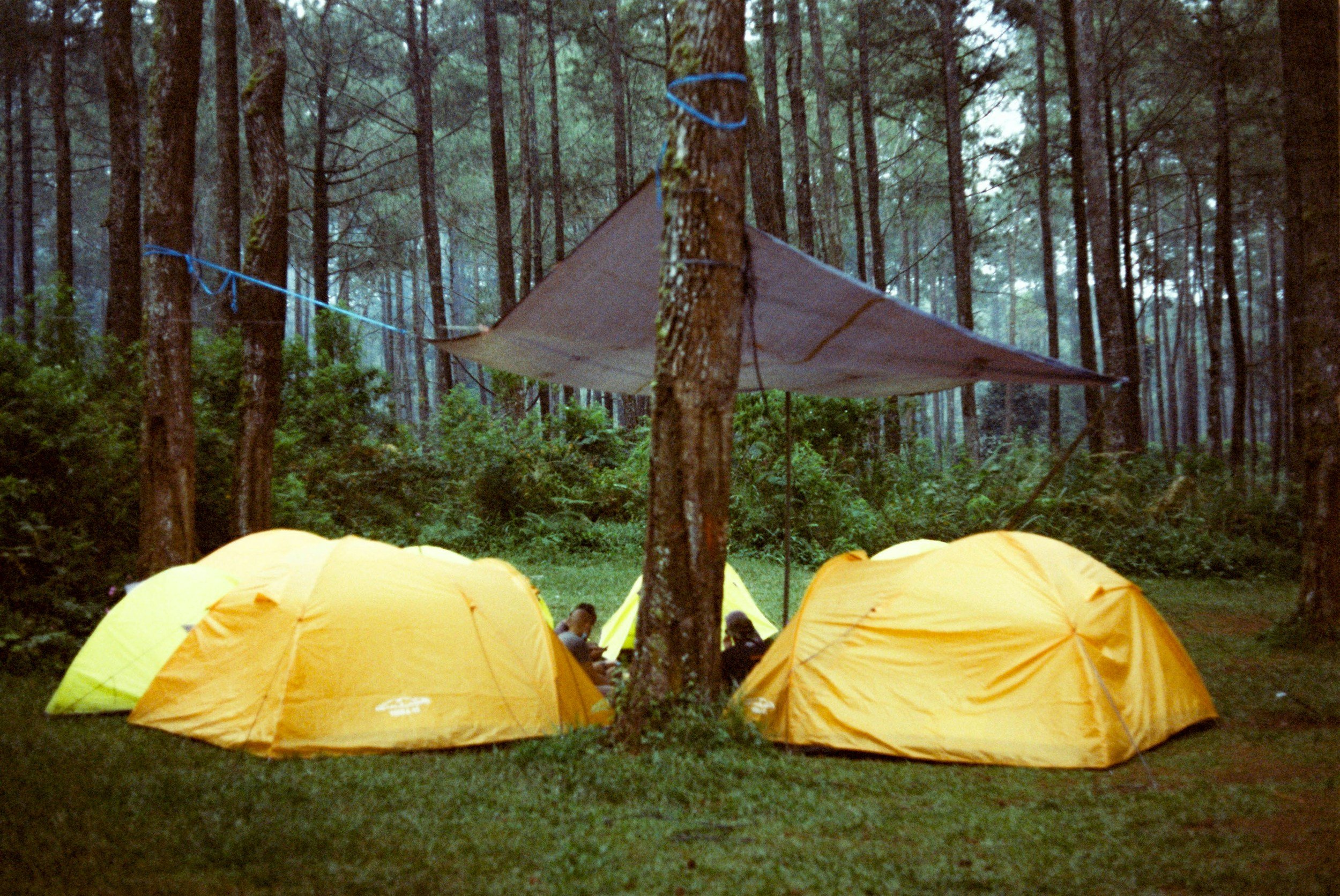
Tent Camping vs RV Camping on Private Land
Tent camping is usually viewed as less impactful and is more commonly allowed without permits, especially for short stays. RV camping, on the other hand, is more frequently regulated because it involves waste systems, hookups, and longer stays.
Counties may regulate:
How long an RV can stay on the property
Whether hookups are required
How wastewater is handled
Whether the RV can be occupied continuously
Understanding the distinction between tent and RV camping is critical when planning land use.
4
Zoning Matters More Than Ownership
Owning the land does not override zoning rules. Agricultural, recreational, and residential zones all have different allowances when it comes to camping. Some zones allow camping as a primary use, while others only allow it temporarily or as an accessory to building.
Before purchasing land for camping, buyers should confirm:
Zoning designation
Maximum allowed camping duration
Permit requirements
Seasonal restrictions
Skipping this step is one of the most common mistakes buyers make.
Health, Safety, and Sanitation Considerations
Even when camping is allowed, counties may enforce health and safety rules. This often includes requirements for waste disposal, water sources, and environmental protection.
Common requirements include:
Proper disposal of wastewater
Approved septic systems for long-term use
Restrictions near waterways
Fire safety regulations
These rules exist to protect both landowners and surrounding properties.
Can You Camp While Planning to Build?
In many Utah counties, camping is allowed while actively planning or constructing a permitted structure. This may involve obtaining a building permit or demonstrating progress toward development.
This option is popular with buyers who want to:
Use the land immediately
Save money while building
Gradually improve the property
Permits and timelines vary, so this should be discussed before camping long term.
Common Mistakes Landowners Make
Landowners often assume that private ownership means unrestricted use. The most common mistakes include:
Camping long term without permits
Ignoring county zoning rules
Assuming RV rules are the same as tent camping
Not planning for waste and sanitation
Failing to verify seasonal access
Avoiding these mistakes saves time, money, and potential fines.
Final Thoughts
Camping on land you own in Utah is often allowed, especially on rural or recreational property, but it is not unlimited. Zoning, county rules, and length of stay all play a role in what is permitted. Buyers who plan ahead and verify regulations can enjoy their land confidently without running into compliance issues.
If camping is your primary goal, clarity upfront ensures the land fits your plans both now and in the future.