
How Much Land Do You Need to Build a 2,000 Sq Ft Home?
A 2,000 square foot home is a common size for families, retirees, and rural buyers who want space without building something oversized. When people shop for land in Utah, they often assume the house footprint is the biggest factor in choosing lot size. In reality, the house itself takes up far less space than you might expect. The real limiting factors are county setbacks, septic requirements, driveway access, and how much outdoor space you want around the home. This guide breaks down exactly how much land you need for a 2,000 sq ft home and what Utah buyers should consider before choosing a parcel.
The Footprint of a 2,000 Sq Ft House
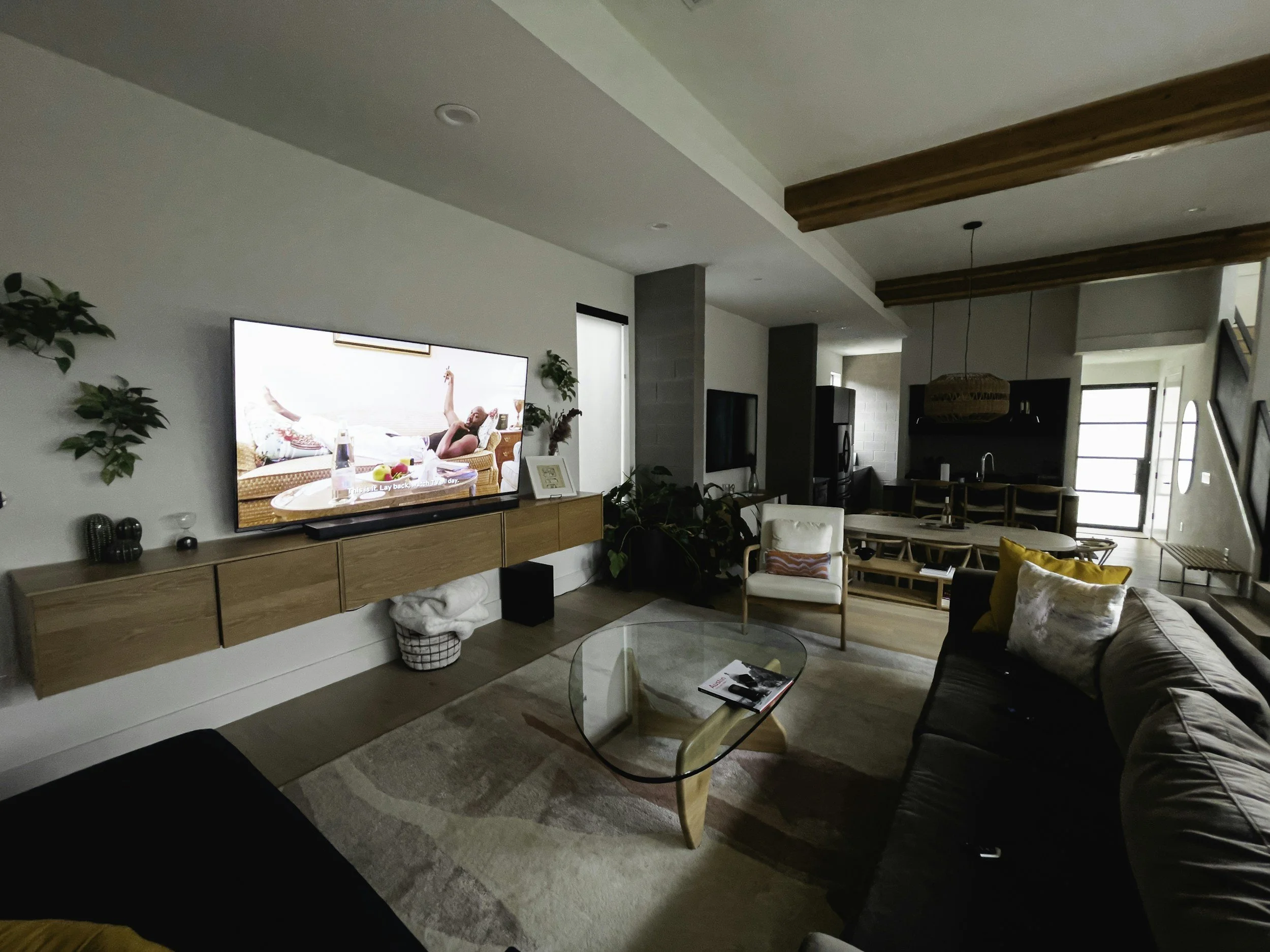
A 2,000 square foot home does not always mean a large footprint on the ground. Homes can be built as one story, two story, or split level. A single level home will take more land than a two story because the entire square footage sits on one level. For example, a 2,000 sq ft single story home might take a footprint of around 2,000 to 2,400 square feet depending on the layout, garage, porches, and exterior shape. A two story home could reduce the footprint to about 1,000 to 1,200 square feet on the ground. This means that even small lots can technically fit a home this size. The challenge comes from everything that must be built around the home.
County Setbacks and Buildable Area
Every Utah county requires setbacks that limit how close you can build to the property lines. These requirements protect privacy, fire safety, and access easements. On rural land, setbacks are usually larger than what you find in suburban neighborhoods. Many counties require around 30 feet in the front and back and roughly 10 to 15 feet on each side. These setbacks reduce the usable building area on your land. Even if the footprint of your 2,000 sq ft home is small, you need enough space inside the setback box to place the home comfortably. For example, a one acre lot will easily have space for a home this size, while a quarter acre lot might feel tight if the home is a full single story layout.
Septic Requirements for a 2,000 Sq Ft Home
In rural Utah, septic requirements often determine the minimum lot size more than the house itself. A standard septic system for a 2,000 sq ft home requires a drain field that takes up a significant amount of space. Counties also require a reserve area equal to the size of the primary drain field. This means you must have a large portion of the property dedicated solely to wastewater treatment. Most counties recommend at least half an acre to one acre for a home that will rely on a traditional septic system. If your land requires alternative septic types due to soil or slope issues, the needed area could increase. This makes one acre lots especially ideal for rural buyers planning a typical home.
Driveways, Utilities, and Parking
Beyond the house and septic, you need enough land for driveways, vehicle turnaround space, and parking. Fire access requirements sometimes mandate specific driveway widths or turnarounds for emergency vehicles. Utility lines such as water, power, and gas need space for trenching, clearances, and easements. These elements take up room on the property and can influence how much land you truly need. A narrow or oddly shaped parcel may technically have the square footage but still feel restrictive when placing the home, septic, and driveway in a safe and efficient layout.
How Much Land Do You Really Need?
While you can technically place a 2,000 sq ft home on as little as a quarter acre in suburban or in-town areas, most rural Utah buyers choose one acre or more. The extra land creates room for:
Septic systems and reserve fields
Driveway access and parking
A garage or shop
Outdoor storage and garden areas
Future expansions or outbuildings
Better privacy and distance from neighbors
A one acre parcel usually provides more than enough room for a home of this size and still leaves plenty of usable yard space. If you are planning additional structures such as a barn, RV pad, workshop, or guest house, then two to five acres often provides the best long-term flexibility.
Land Shape and Terrain Matter
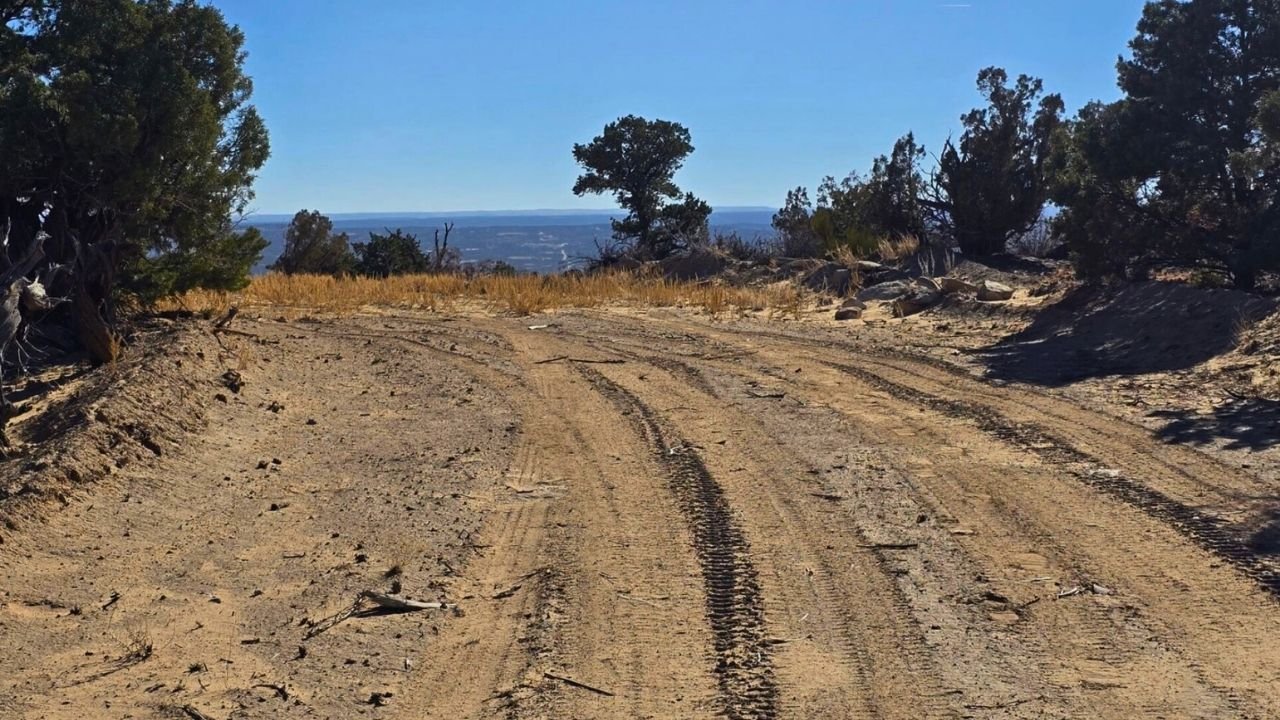
Two pieces of land with the same acreage can function very differently. A flat, wide parcel is much easier to build on than a steep, narrow, or heavily wooded lot. If the building site is limited by slopes, trees, or elevation changes, you may need more land to create a practical layout for your home. Utah land often includes natural features that shape where a 2,000 sq ft home can sit. Buyers should walk the property and identify the most suitable building area before deciding whether the lot is large enough.
Planning for Future Use
Most buyers want more on their land than just a house. A 2,000 sq ft home fits comfortably on a small parcel, but many Utah buyers also want:
Garden beds or small livestock
Toolsheds or workshops
Play areas for children
RV parking or toy storage
Outdoor patios or fire pits
If you plan to add any of these features, choosing at least one acre will keep your layout open and functional. Many people who buy smaller lots later wish they had purchased more land to accommodate future additions.
Final Thoughts
A 2,000 square foot home does not require a large piece of land on its own, but the supporting systems and lifestyle choices that come with rural living usually increase the needed area. While a small suburban lot can technically fit this home, rural Utah buyers almost always find that one acre or more provides the best balance of space, comfort, and long term use. By considering setbacks, septic needs, driveway placement, and future plans, you can choose a property that supports your goals and gives you room to grow.