.webp)

Understanding what one acre looks like can be difficult because most people do not regularly measure large open spaces. When you walk land in Utah, an acre can feel huge on a flat field or smaller when covered in trees or slopes. Even though an acre is a fixed measurement of 43,560 square feet, your eyes interpret that space differently depending on the terrain, shape, and surroundings. This guide explains exactly how big one acre is, what it looks like in real-world comparisons, and how to visually estimate acre size when touring rural land.
An acre equals 43,560 square feet. The easiest way to think about it is as a large square measuring 208.7 feet on each side. Most rural parcels are not perfect squares, so your acre might stretch longer in one direction or feel narrow depending on the shape. The key is to remember the total area rather than the shape itself. A sloped or irregular acre still contains the same amount of land, but the usable building space may feel different. When buyers walk an acre in Utah for the first time, they are often surprised by how much room it offers for a home, driveway, shed, and outdoor space.
The most common visual comparison is a football field without the end zones. A standard football field is about 48,000 square feet from goal line to goal line, which is very close to an acre. This makes it easier to picture: if you stood on a football field, removed the end zones, and placed fencing around the main rectangle, you would almost have exactly one acre. This comparison helps buyers understand that an acre is a substantial amount of space and can comfortably support many types of layouts, especially on flat terrain.
.png)
In residential settings, one acre is much larger than most people expect. A typical suburban lot is often between 0.15 and 0.25 acres. Owning a full acre means having a yard that is four to eight times the size of a standard neighborhood lot. This gives you enough room for a long driveway, a large backyard, a garden, sheds, and space between neighbors. When placed in a more open rural environment, that acre feels even bigger because there are fewer visual boundaries like fences or nearby houses. The open landscape makes the land feel more expansive from every angle.
.png)
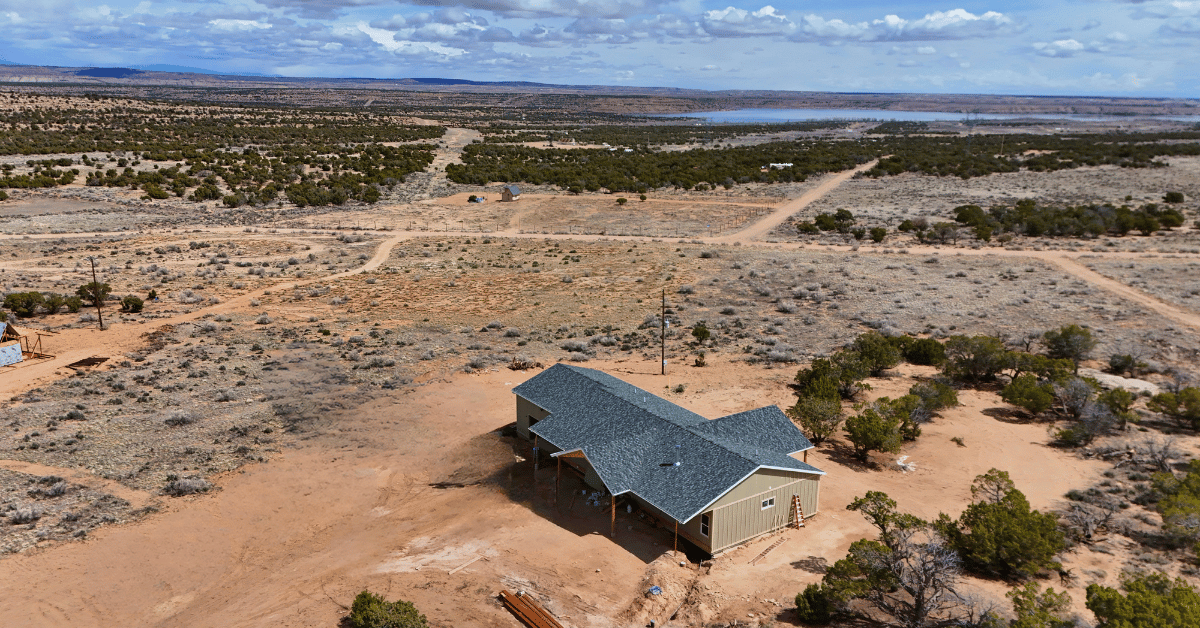
One acre does not always look the same. Terrain has a major impact on how your eyes interpret space. A flat acre appears wide and open because you can view the entire area at once. A wooded acre can feel smaller because trees create visual walls. A sloped acre may feel larger when viewed from below but smaller from above. Juniper and sagebrush cover can also give the illusion that the land is shrinking or expanding depending on how thick the vegetation is. Utah buyers should walk the entire acre so they can see the space from different elevations and understand the true footprint.
Below are simple real-world comparisons to help you visualize the size of one acre:
These comparisons help buyers recognize that one acre is more spacious than most people imagine, especially if they have only lived on small city lots.
When you are physically standing on an acre of land, the easiest way to visualize it is by walking or pacing the boundary. Since an acre is roughly 208 feet by 208 feet, you can pace out the edges. Most people walk about 2.5 to 3 feet per step. This means about 70 to 80 steps represent one side of a square acre. Walking the outline helps you feel the true width and depth of the space, especially on rural Utah land where the openness can make distances feel shorter than they actually are.
A single acre can support many types of builds and outdoor features. Most Utah buyers use an acre for:
Even with all of these features, most one acre parcels still feel spacious. Buyers looking for future expansions, guest homes, or multi-building layouts often upgrade to two to five acres for more flexibility.

One acre is a generous amount of land, equal to nearly a full football field and significantly larger than most residential lots. The way it appears visually depends on terrain, vegetation, and the shape of the parcel. For Utah buyers, one acre offers plenty of room for a home, driveway, septic system, yard space, and outdoor features without feeling crowded. Understanding how big an acre truly is helps you choose the right property with confidence and plan your layout more effectively.