
The 30/30/3 Rule in Real Estate
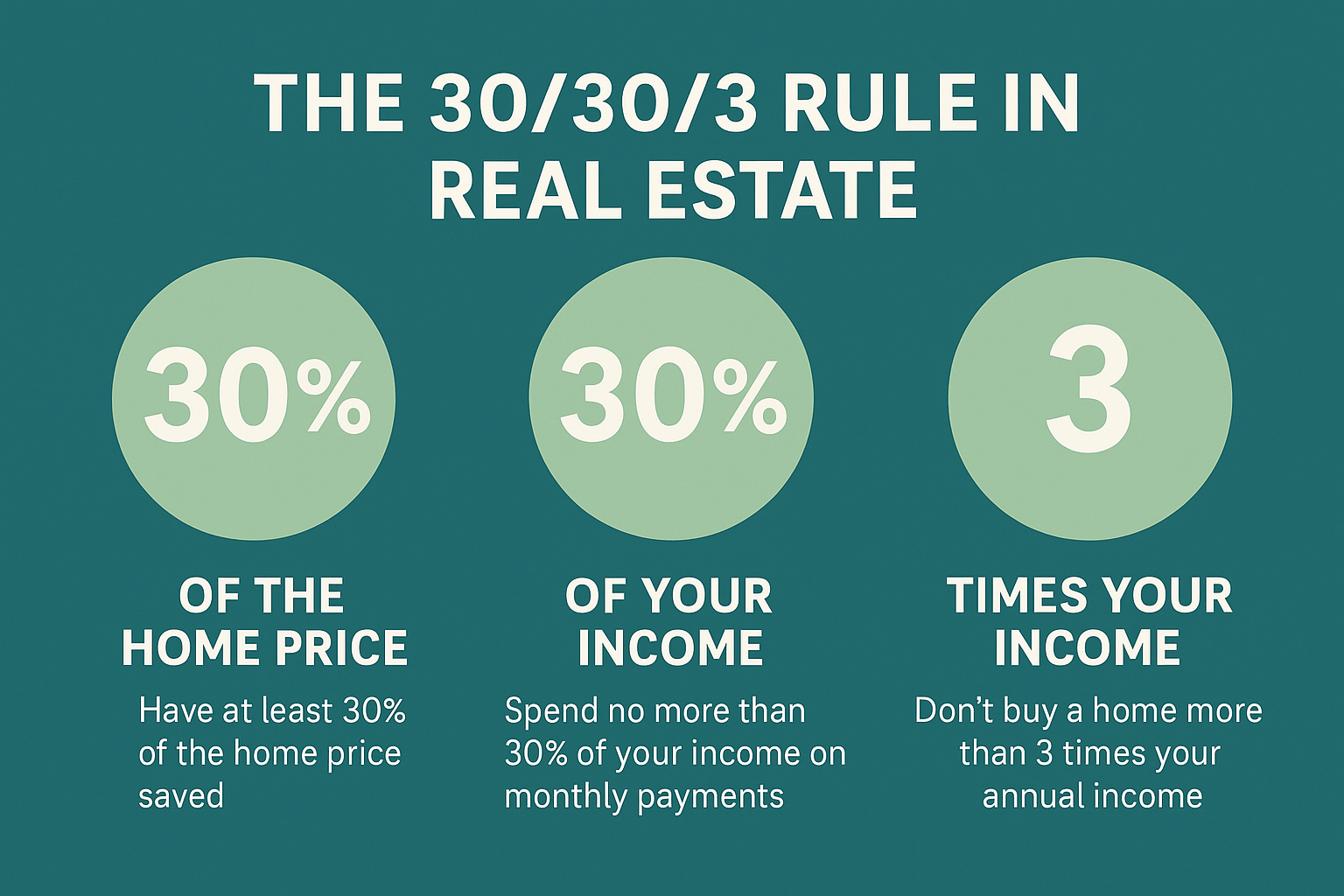
The 30/30/3 rule is a simple financial guideline used to help buyers understand whether they are truly ready to purchase real estate. While it is most commonly applied to traditional home buying, it can also be adapted for land buyers who want to stay realistic about affordability, upfront costs, and long term financial stability. Raw land comes with unique expenses like utilities, excavation, septic, road access, and future construction planning. Using the 30/30/3 rule gives you a clear structure for evaluating your readiness and helps you avoid costly surprises. This guide breaks down each part of the rule and explains how it applies to land purchases so you can buy confidently and responsibly.
Understanding the 30 Percent: Your Down Payment and Savings
The first part of the 30/30/3 rule states that you should have at least 30 percent of the home price saved before buying. For land and rural property, this guideline creates a buffer not just for the purchase itself but also for unexpected improvements or future plans. Many buyers underestimate how much early preparation costs. Excavation, clearing, utilities, temporary RV setups, and fencing often come earlier than expected. By having a true 30 percent cushion, you protect yourself from being financially stretched and give yourself the freedom to move forward with your property improvements at a comfortable pace.
What to include in your 30 percent savings:
The down payment, whether through a bank loan or owner financing
Closing costs and recording fees
An emergency land improvement fund
Early development costs like water access, grading, or septic evaluation
A reserve for unexpected expenses after you close
Having this savings upfront helps ensure that your purchase is not stressful and that you can move forward with confidence as you begin customizing your land or planning future construction.
The Second 30 Percent: Your Debt To Income Comfort Zone
The rule also suggests that your monthly mortgage or land payment should not exceed 30 percent of your gross income. This helps keep your budget balanced and prevents your land purchase from creating financial strain. Many rural buyers choose owner financing because it is flexible and avoids bank approval requirements. Even with flexible financing, staying within this guideline is important because land ownership is a long term commitment. You will likely take on additional expenses like utilities, temporary structures, materials, or travel to the property.
A comfortable debt load helps you stay consistent and avoid falling behind. It also gives you the space to build savings for long term projects such as a cabin, barn, shed, RV pad, driveway, or fencing.
Factors to consider in the 30 percent payment zone:
Your monthly land payment
Gas and travel expenses for visiting the property
Future building budgets and material costs
Current debts like car payments, insurance, and credit cards
Your long term goal for the land
When your monthly obligations stay under this 30 percent threshold, it becomes much easier to enjoy the property rather than worrying about the payment.
The 3 Times Rule: Do Not Buy More Than Three Times Your Annual Income
The final part of the rule states that the total purchase price should not exceed three times your annual income. This protects buyers from getting into a purchase that grows too large over time, especially if they plan to build in the future. If you buy land that is already at your maximum affordability, you may feel stuck when it comes time to add utilities, clear the land, or start a cabin build.
For land buyers, staying within the 3 times range also means that you have realistic room to invest in future improvements. Unlike buying a finished home, raw land is only the first step in the process. Roads, power poles, excavation, and foundations come later. Keeping the land price in a safe range ensures that you still have the resources to create the long term property you imagine.
Why the 3 times limit matters for land:
Makes future construction more financially achievable
Reduces the chance of long term financial strain
Leaves room for unexpected development costs
Protects your ability to qualify for future loans if needed
Ensures you stay within a realistic and sustainable budget
This guideline keeps your purchase grounded and helps you create a full plan rather than focusing only on the initial cost.
Bringing It All Together: How to Use the 30/30/3 Rule for Land Buying
The 30/30/3 rule gives you a clear structure for evaluating whether you are financially prepared to purchase land. It helps you take a big picture view of the costs, the long term commitment, and the real requirements of building or improving raw property. Land is a valuable investment, but it becomes even more powerful when you buy within a comfortable range that allows you to grow, develop, and enjoy it without financial stress.
By following this rule, you could set yourself up for long term success and protect your ability to make good decisions as you begin improving your rural property. Land is a long game, and building a strong financial foundation from the start helps you make the most of your investment.
Disclaimer: Mountains West Ranches is not a licensed financial advisor, investment advisor, etc. The information provided on this blog and in any related materials is for informational purposes only and does not constitute financial, investment, legal, or tax advice. We encourage all investors to conduct their own due diligence and consult with a licensed financial advisor or other qualified professional before making any investment decisions.