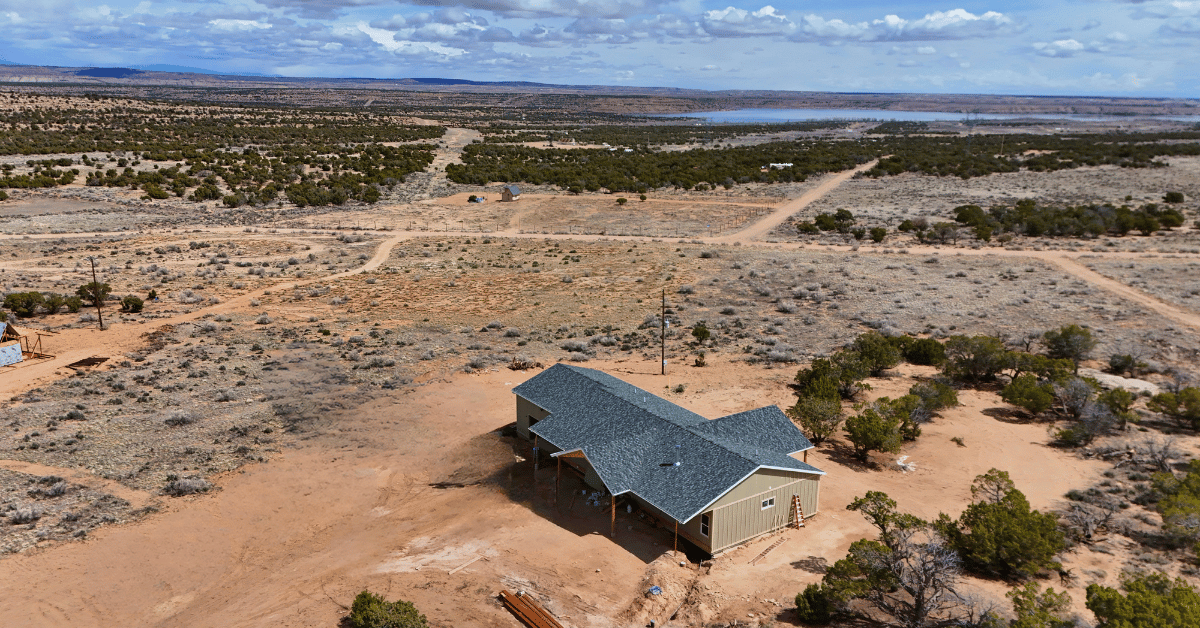
.webp)
Understanding how many houses can fit on one acre is an important part of buying land in Utah. Whether you want to build a future cabin, plan a family compound, or create space for rentals, you need to know how much room each home requires. Acreage may look big in person, but once you factor in setbacks, driveways, utilities, and open space, the available building area becomes more defined. This guide explains what an acre can realistically support and how different zoning types change your layout options.
An acre is 43,560 square feet. Most people picture a large open field, but the actual size becomes easier to understand when you compare it to everyday spaces. One acre is about the size of a football field without the end zones. It can hold a wide range of home layouts, but the final number depends on how the land is shaped, where utilities are placed, and what the county requires for building regulations. Even rural Utah acreage that feels spacious may have natural features like trees, slopes, or rocky areas that shape where a home can be placed. Understanding the true buildable portion of your acre helps you plan more efficiently.

The general rule used by planners is that four to six standard homes can fit on a single acre in a suburban neighborhood. These are usually smaller lots between 6,000 and 10,000 square feet per home. In rural Utah, the number is usually much lower because zoning requires larger setbacks, larger septic systems, and more distance between structures. Some rural zoning types allow only one home per acre, while others allow one home for every five acres. This is why it is important to check zoning before you buy land. Even if your acre feels open, the county may limit density for safety reasons.
Below is a breakdown to help you understand what is realistic for most buyers.
Each county has its own density rules. Utah rural counties like Duchesne and Uintah tend to keep density low to preserve open space and manage infrastructure. Even if you plan to build small cabins, each one may still be counted as a dwelling, which affects how many you can place on your land.
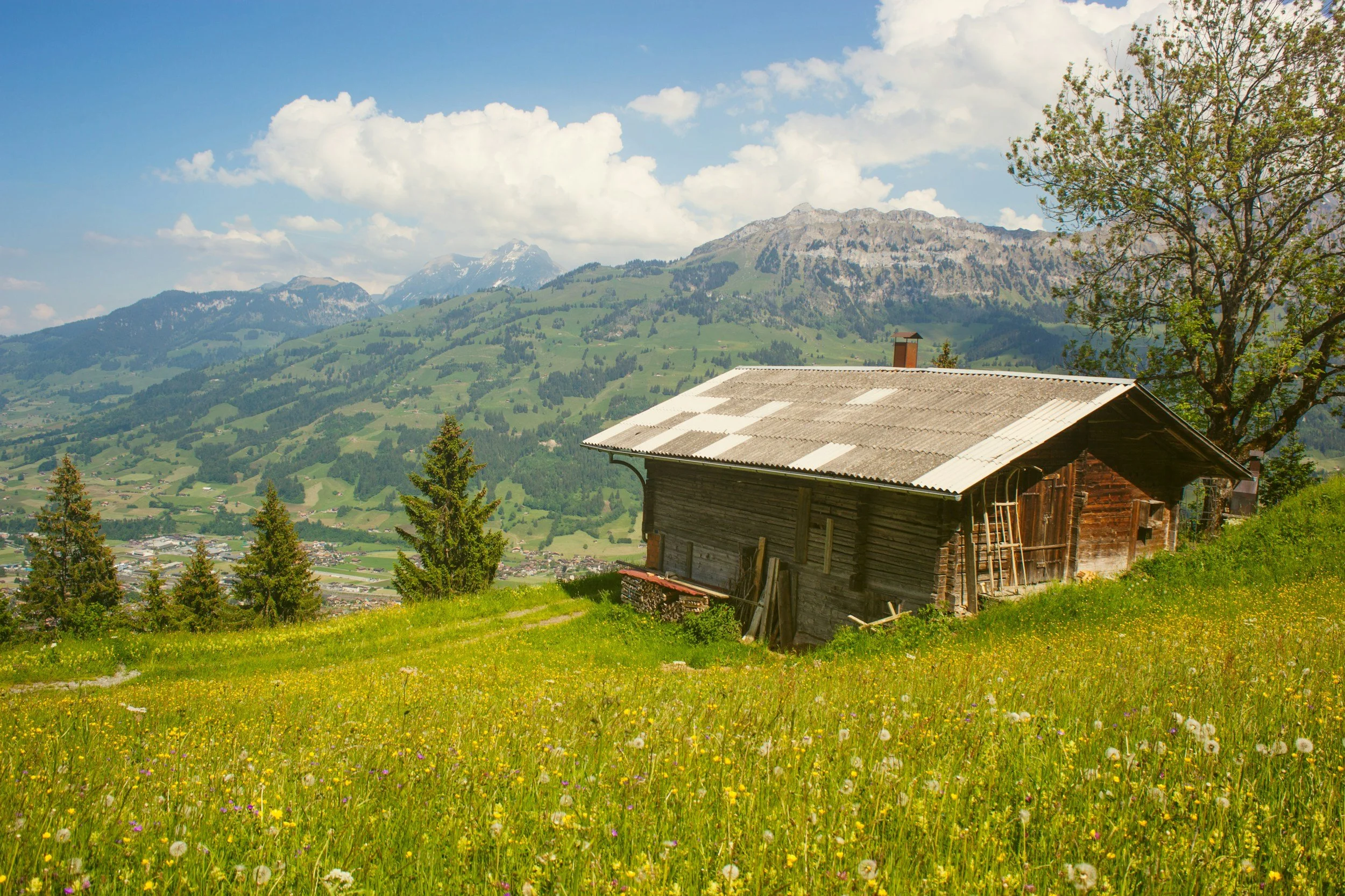
Every home must follow county setback requirements. These are the required distances between the structure and the property line. Setbacks protect access, fire safety, and privacy. On a one acre lot, setbacks can remove a noticeable portion of the buildable area. Most rural counties require at least 30 feet from the front and back and around 10 feet from the sides. Easements may also cross the property for utility access, which limits where you can place homes. This is why two acres can feel more flexible for multi-home projects, while a single acre usually supports just one main residence.
In rural Utah, the size of your septic system often controls how many homes you can build. A one acre lot can usually support one standard septic system. Multiple homes would require multiple systems or a shared system designed for higher capacity, which counties rarely approve on small parcels. Driveways also take space and must meet fire department access rules. Power hookups, water lines, and parking spacing need to be factored in as well. These practical details reduce the total number of homes that physically fit on the land.
Even though most one acre lots are intended for a single home, there are a few situations where you may be able to place more than one structure.
Some counties allow one main home and one ADU on a lot, but this varies widely. An ADU may be limited to a small footprint or specific design.
These are sometimes allowed as temporary dwellings if they meet county guidelines, but they often cannot be counted as official homes.
If used seasonally and not considered full dwellings, multiple cabins may be allowed. These still require county approval.
Always confirm with planning and zoning. What is allowed in one rural area may not be allowed in another.
A full family compound is usually not feasible on just one acre in rural Utah. Most compounds need more space for privacy, utilities, and separate dwellings. Two to five acres is better for this type of layout. One acre works well for:
This setup gives you flexibility without crowding the land.
One acre gives you enough land to enjoy rural living without feeling overwhelmed. It works well for:
Buyers who want multiple households or multi-building layouts generally move to 2 to 10 acres.
A single acre offers plenty of room for a comfortable home layout, but it rarely supports multiple full-size houses in rural Utah. Setbacks, septic requirements, and zoning laws all shape how many structures you can legally and safely build. For most buyers, one acre is perfect for a home, a guest space, and plenty of outdoor room. If your long-term plans include multiple households, a family compound, or several cabins, consider purchasing a larger tract of land where the regulations give you more flexibility. Understanding these limits before you buy helps you choose the right property for your goals and avoid surprises later.