
Is Utah a Good State to Live In?
Utah has become one of the fastest-growing states in the country, attracting families, professionals, retirees, and outdoor enthusiasts alike. Frequently ranked among the best states to live in, Utah stands out for its strong economy, access to nature, and overall quality of life. But high rankings do not always tell the full story.
If you are considering moving to Utah or simply wondering whether it is a good place to live long term, this guide breaks down the facts. Below, we look at real data, lifestyle factors, advantages, and challenges so you can decide if Utah fits your priorities.
Utah at a Glance
Population: Approximately 3.3 million residents
Median home sale price: Around $550,000 to $570,000 depending on region
Median household income: About $85,000, higher than the national average
Unemployment rate: Consistently below the U.S. average
National rankings: Frequently ranked among the top states for economy, quality of life, and fiscal stability
Utah’s rapid population growth reflects demand, but it also creates pressure on housing, infrastructure, and resources.
Strong Economy and Job Market
Utah is widely recognized for having one of the strongest economies in the United States. The state regularly ranks at or near the top for job growth, business environment, and financial stability. Industries such as technology, healthcare, finance, education, construction, and outdoor recreation all contribute to a diverse employment landscape.
The Salt Lake City metro area, often referred to as “Silicon Slopes,” has become a major tech hub, attracting startups and established companies alike. This economic diversity provides stability and opportunity for residents at different career stages.
When adjusted for cost of living, Utah ranks very high in median household income, meaning residents tend to retain more purchasing power compared to many other states. This combination of income potential and job availability is one of Utah’s biggest strengths.
Outdoor Recreation and Natural Beauty
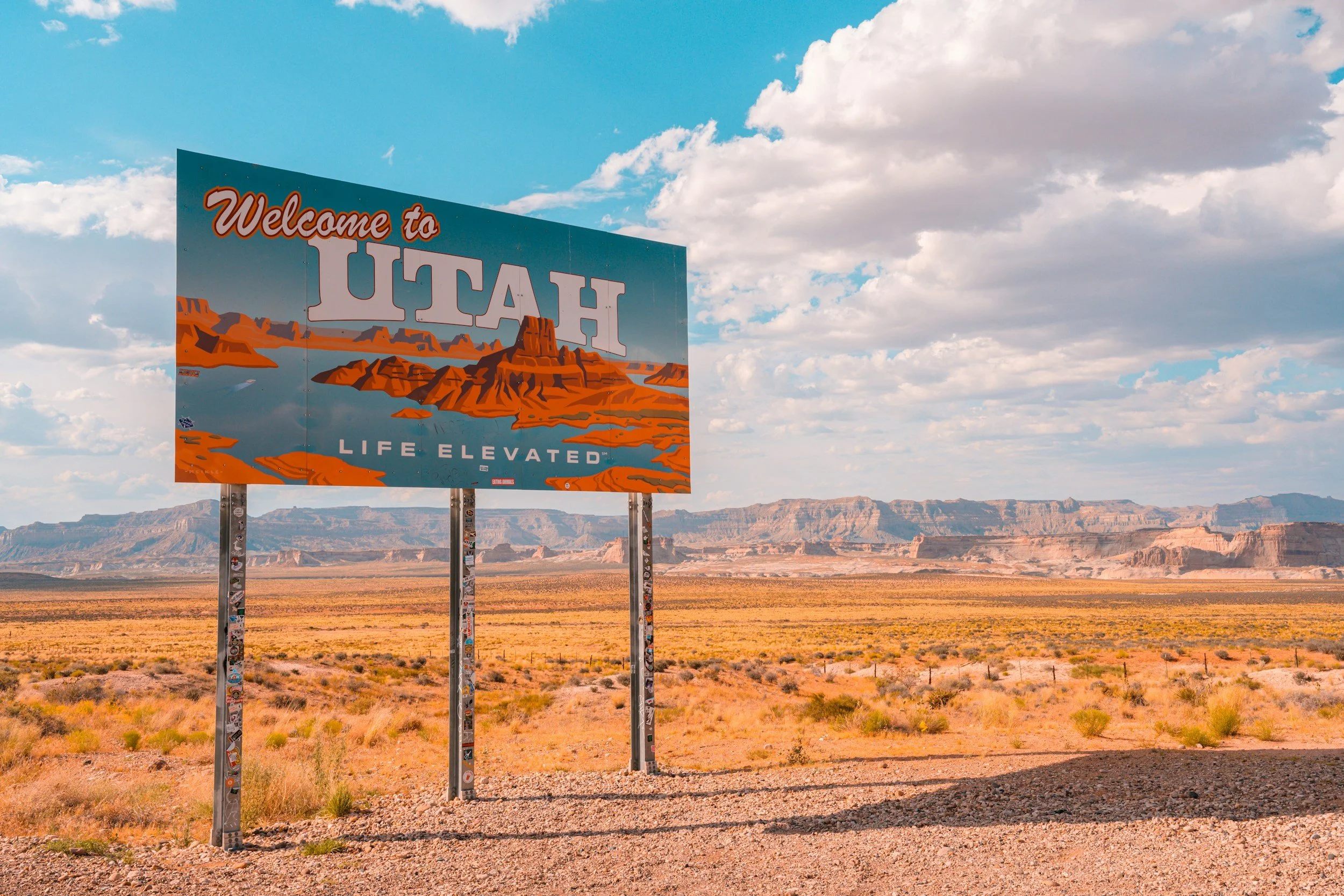
One of the most well-known reasons people move to Utah is access to the outdoors. Utah is home to five national parks, world-class ski resorts, mountain ranges, deserts, lakes, and thousands of miles of trails. Outdoor recreation is not just a weekend activity, it is part of daily life for many residents.
Hiking, skiing, camping, fishing, mountain biking, and off-roading are all easily accessible, often within an hour of major cities. This makes Utah especially appealing to people who value an active lifestyle and time outside.
Tourism and outdoor recreation also play a major role in the state’s economy, contributing billions of dollars annually and supporting local jobs.

Community, Safety, and Family-Friendly Living
Utah consistently ranks well for safety, with crime rates that are generally lower than the national average. Many cities and towns emphasize community involvement, family activities, and local events, creating a strong sense of connection among residents.
Utah also has one of the youngest populations in the country, which contributes to a family-oriented environment. Schools, parks, and community programs are often a priority in city planning, particularly in suburban areas.
For families, Utah offers a balance of opportunity, safety, and access to outdoor education through nature-based activities.
Cost of Living and Housing Market
While Utah remains more affordable than many coastal states, the cost of living has increased significantly in recent years. Housing is the biggest factor driving this change.
Median home prices have risen rapidly, particularly along the Wasatch Front. Rent prices have also increased, making affordability a growing concern for first-time buyers and renters. That said, costs for utilities, transportation, and groceries often remain near or slightly below national averages, especially outside major metro areas.
Many residents are now looking to smaller cities, rural communities, or undeveloped land to offset rising housing costs while still benefiting from Utah’s overall quality of life.
Education and Healthcare
Utah places a strong emphasis on education, with high graduation rates and growing investment in both public and higher education institutions. While per-student spending may be lower than in some states, outcomes remain competitive, and higher education access is strong.
Healthcare access is generally good, with major hospitals and medical centers located throughout the state, particularly along the Wasatch Front. Rural areas may have fewer facilities, but statewide healthcare quality remains solid.
Climate and Environmental Factors
Utah’s climate varies widely by region. Residents experience four distinct seasons, with hot summers and cold, snowy winters in many areas. The dry climate appeals to some people, especially those coming from humid states, but it may take adjustment for others.
One notable challenge is air quality. During winter months, temperature inversions can trap pollution in valley areas, particularly along the Wasatch Front. While efforts are underway to address this issue, it remains an important factor to consider.
Water availability and long-term sustainability are also growing concerns as the state continues to grow.
Culture and Lifestyle Considerations
Utah’s culture is often described as friendly, community-oriented, and outdoors-focused. While the state has become more diverse over time, cultural dynamics can vary significantly between urban and rural areas.
Salt Lake City and other larger cities offer a growing arts scene, diverse dining options, and nightlife, while smaller towns tend to be quieter and more traditional. Some newcomers appreciate the slower pace and close-knit feel, while others may miss the density and cultural variety of larger metropolitan areas.
Pros and Cons of Living in Utah
Pros
Strong economy and job growth
High quality of life rankings
Access to outdoor recreation year-round
Family-friendly communities
Lower crime rates than national averages
Cons
Rising housing costs
Air quality issues in some regions
Dry climate and water concerns
Less urban density compared to major metro states

Is Utah a Good State to Live In?
For many people, the answer is yes. Utah offers a rare combination of economic opportunity, outdoor access, safety, and community. It consistently ranks highly in national studies for a reason. However, affordability challenges and environmental concerns mean it is not a perfect fit for everyone.
Utah tends to be an excellent choice for:
Families seeking safety and outdoor space
Professionals looking for job growth outside coastal markets
People who value nature and active lifestyles
Those who prioritize dense urban living, lower housing costs, or high humidity climates may want to weigh their options carefully.
Ultimately, whether Utah is a good state to live in depends on your lifestyle goals, budget, and long-term priorities. The data shows Utah continues to attract people for good reason, but the best decision is one that aligns with what matters most to you.