
What are the Three Basic Skills in Hiking?
Hiking is one of the easiest ways to get outdoors, but that does not mean it requires no skill. Even well-marked trails can present challenges like changing weather, uneven terrain, or unexpected fatigue. Many hiking mishaps happen not because a trail is too difficult, but because hikers underestimate the basics. Learning a few foundational skills can dramatically improve both safety and enjoyment.
The three most important hiking skills every beginner should understand are navigation, pacing and physical management, and situational awareness. These skills help hikers make better decisions before and during a hike, whether they are on a short neighborhood trail or exploring remote areas.
Navigation and Knowing Where You Are
Navigation is more than following a trail sign or opening a map on your phone. It is the skill of understanding your surroundings and knowing how to get where you want to go safely. Even on popular trails, signage can be limited, damaged, or confusing. Relying solely on technology can also be risky if batteries die or service disappears.
Good navigation starts before the hike begins. Reviewing a trail map, reading recent trail reports, and understanding the total distance and elevation gain helps set realistic expectations. During the hike, navigation means paying attention to trail markers, junctions, landmarks, and elevation changes. Recognizing these details makes it easier to confirm that you are on the correct path and notice early if something feels off.
Navigation also includes knowing how to turn around and retrace your steps. Many hikers push forward hoping the trail will correct itself, which can lead to longer distances, fatigue, or unsafe conditions. Understanding where you are at all times builds confidence and helps you hike with intention instead of uncertainty.

2. Pacing and Managing Your Energy
Pacing is one of the most overlooked hiking skills, especially for beginners. It is common to start a hike with too much enthusiasm, only to feel exhausted halfway through. Hiking is not about speed. It is about maintaining a steady, comfortable rhythm that allows you to move safely across different types of terrain.
Managing your energy means listening to your body and adjusting as needed. Taking short breaks, drinking water regularly, and eating small snacks helps prevent sudden drops in energy. Proper pacing also reduces the risk of injuries caused by fatigue, such as missteps or strained muscles.
This skill becomes especially important on longer hikes, steep climbs, or warm days. Knowing when to slow down, rest, or even turn back is a sign of experience, not weakness. A well-paced hike often feels easier and more enjoyable, even if it takes a little longer.
3. Situational Awareness and Decision Making
Situational awareness is the ability to stay alert and respond to what is happening around you. This includes noticing weather changes, trail conditions, wildlife activity, and your own physical and mental state. Many hiking accidents happen because hikers ignore small warning signs that gradually add up.
Being aware of your environment helps you make smarter decisions in real time. For example, recognizing darkening clouds, rising winds, or slippery terrain may mean adjusting your pace or heading back sooner than planned. Situational awareness also includes tracking daylight, especially during fall and winter when days are shorter.
This skill requires honesty with yourself. Knowing your limits and respecting them is critical for safe hiking. Situational awareness is not about fear. It is about preparedness and adaptability. When hikers stay aware, they are better equipped to handle unexpected challenges calmly and confidently.
How These Three Skills Work Together
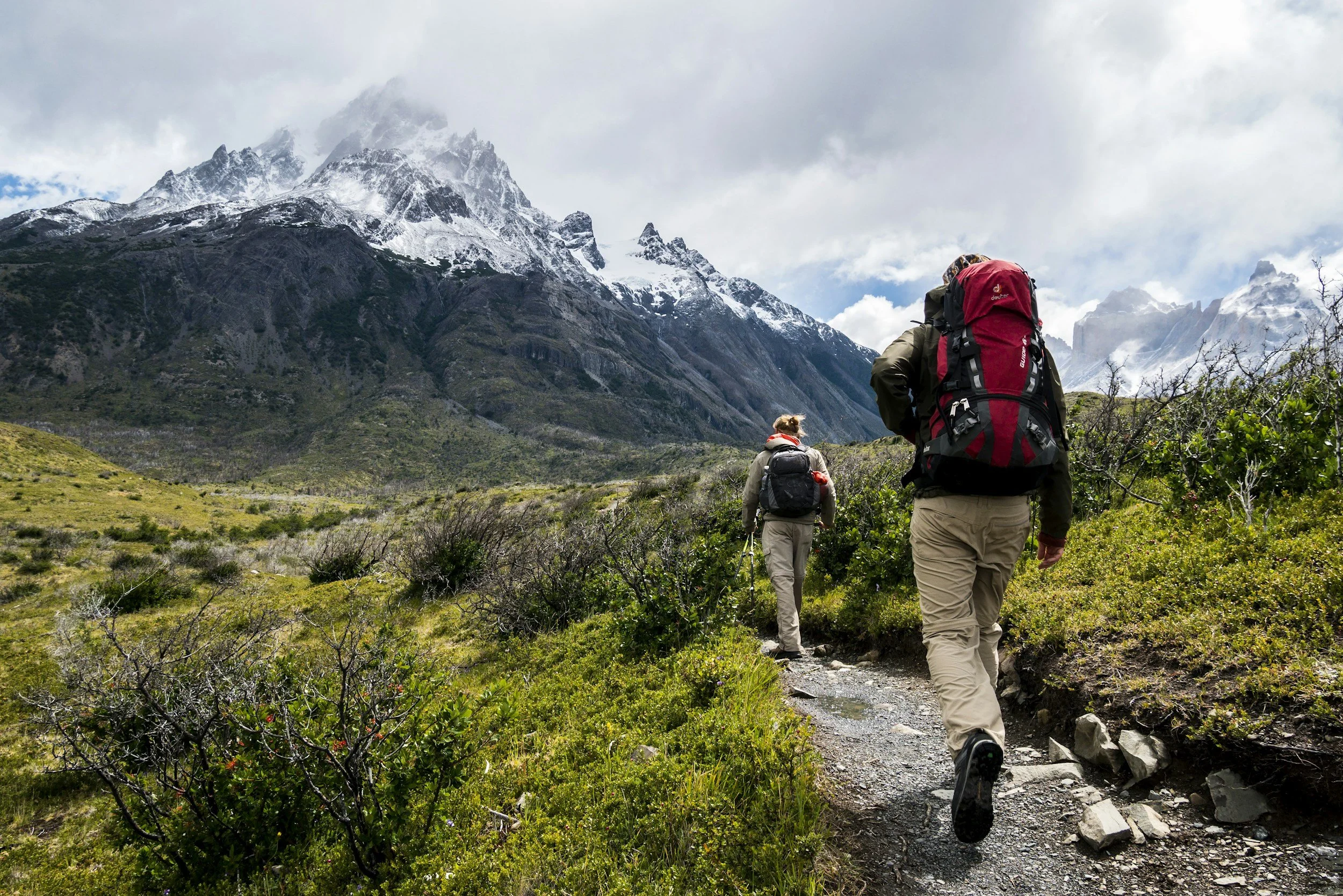
Navigation, pacing, and situational awareness are closely connected. Good navigation helps you pace your hike properly. Proper pacing makes it easier to stay alert and aware. Situational awareness helps you adjust your route and pace as conditions change. When all three skills are practiced together, hiking becomes safer and more enjoyable.
These skills apply to all hikers, regardless of experience level. Beginners benefit from learning them early, while experienced hikers rely on them instinctively. Over time, they become habits rather than conscious decisions.
Building Confidence on the Trail
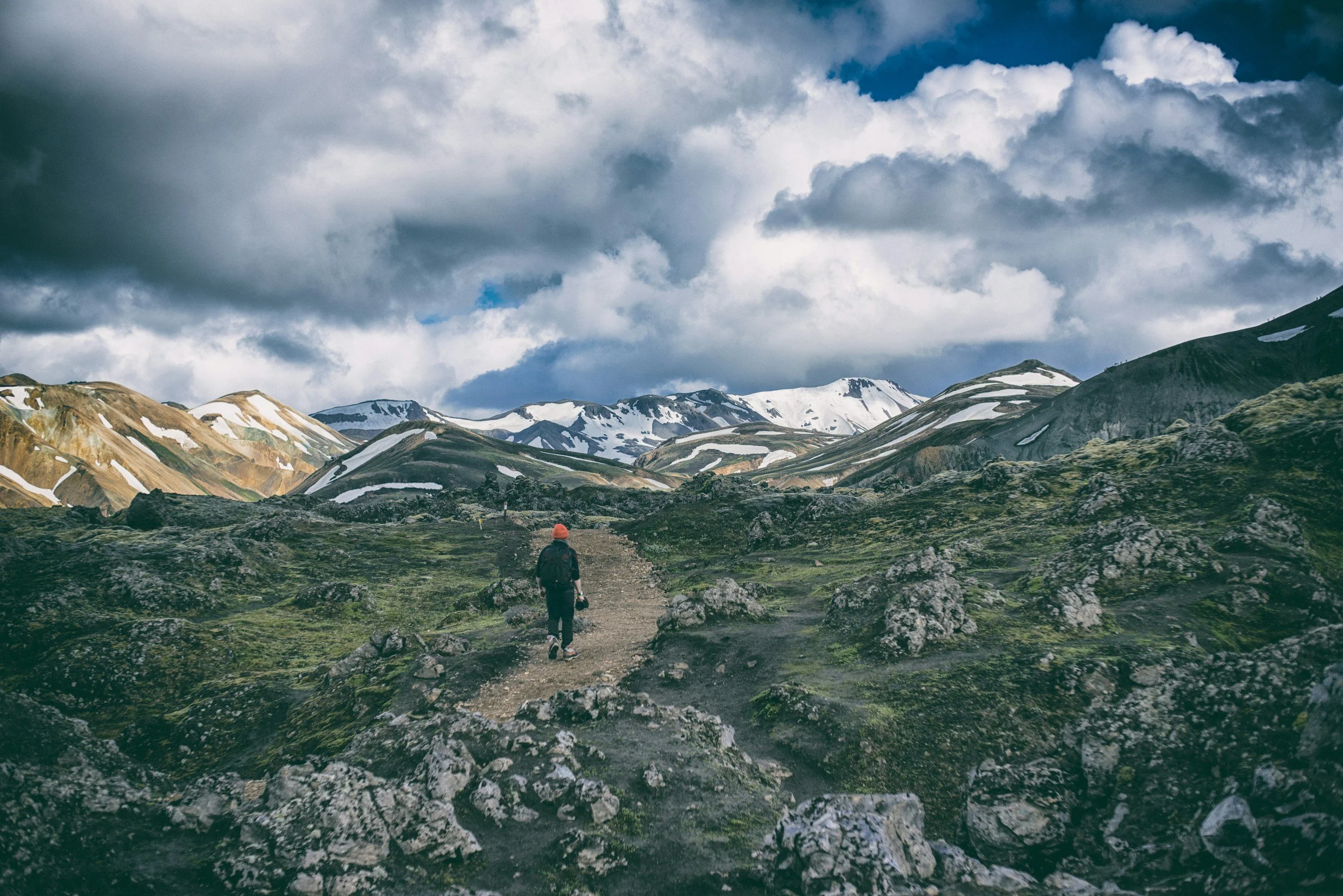
Hiking does not require expensive gear or advanced training to start. What matters most is learning how to move through outdoor spaces with awareness and intention. By developing these three basic skills, hikers gain confidence, reduce risk, and enjoy the trail for what it is meant to be: an experience, not a race.
Whether you are hiking locally, traveling to new trails, or exploring open land, mastering these fundamentals creates a strong foundation for every outdoor adventure.