
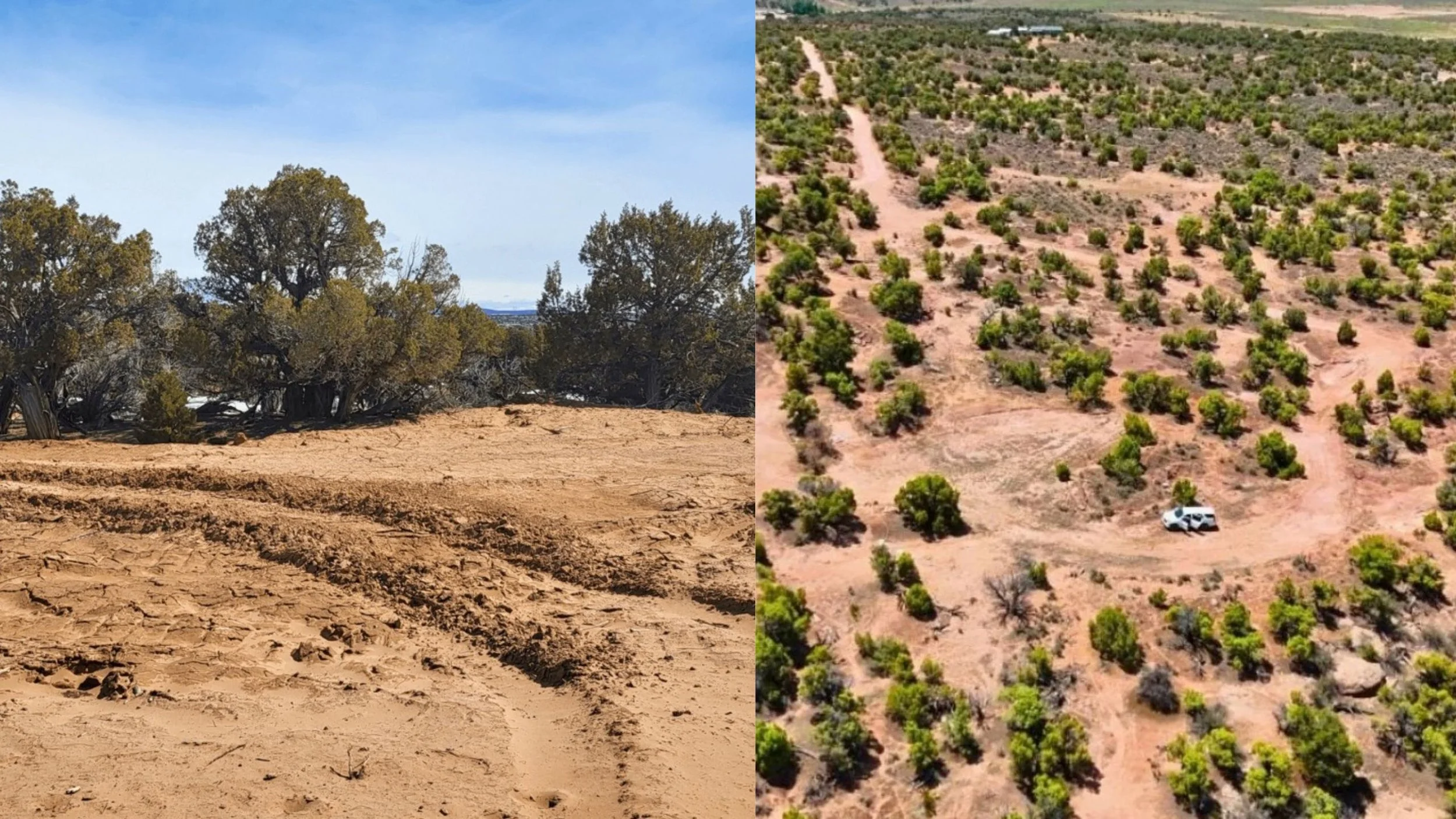
Compare Utah parcels with a clear checklist: access, zoning, utilities, terrain, water, title, and long term use so you can choose the right land with fewer surprises.
What Makes One Utah Parcel Better Than Another?
The Real Difference Between Two Utah Parcels
-
![Buck Horn Mesa Area near Starvation Reservoir in Duchesne, Utah]()
Access Determines Usability
Two parcels can sit next to each other, but if one has recorded legal access and the other does not, they function very differently. A parcel with clear access can be used immediately, reached year round, and explained easily when it is time to resell.
Without legal access, even a beautiful property can come with delays, added costs, or limitations on how it can be used. Access is often the first filter that separates a usable parcel from a complicated one.
-
![One of our past properties being built on in Duchesne, Utah]()
Zoning Shapes What Is Actually Possible
Zoning controls what you can and cannot do on a parcel. One property may allow residential use, animals, or long term camping, while another nearby parcel may have restrictions that limit those same activities.
The real difference is not what you hope to do, but what the zoning allows without special approvals. Matching zoning to your intended use avoids surprises later and keeps plans flexible.
-
![Trailer in Duchesne property for sale]()
Land Quality Matters More Than Acreage
Total acreage does not always equal usable space. Terrain, slope, soil, and natural features all affect how a parcel can be used. A smaller parcel with flat, accessible ground may be more practical than a larger one with steep slopes or limited build areas.
Evaluating how the land lays on the ground often matters more than how many acres are on paper.
-
![Property we do easy financing]()
Improvement Costs Change the True Value
Two parcels with similar prices can have very different long term costs. Distance to power, water options, driveway work, and site preparation all affect the total investment.
A parcel that appears cheaper upfront may require more work to make usable, while another may be ready for immediate use. Understanding improvement costs early helps identify which parcel offers better long term value.

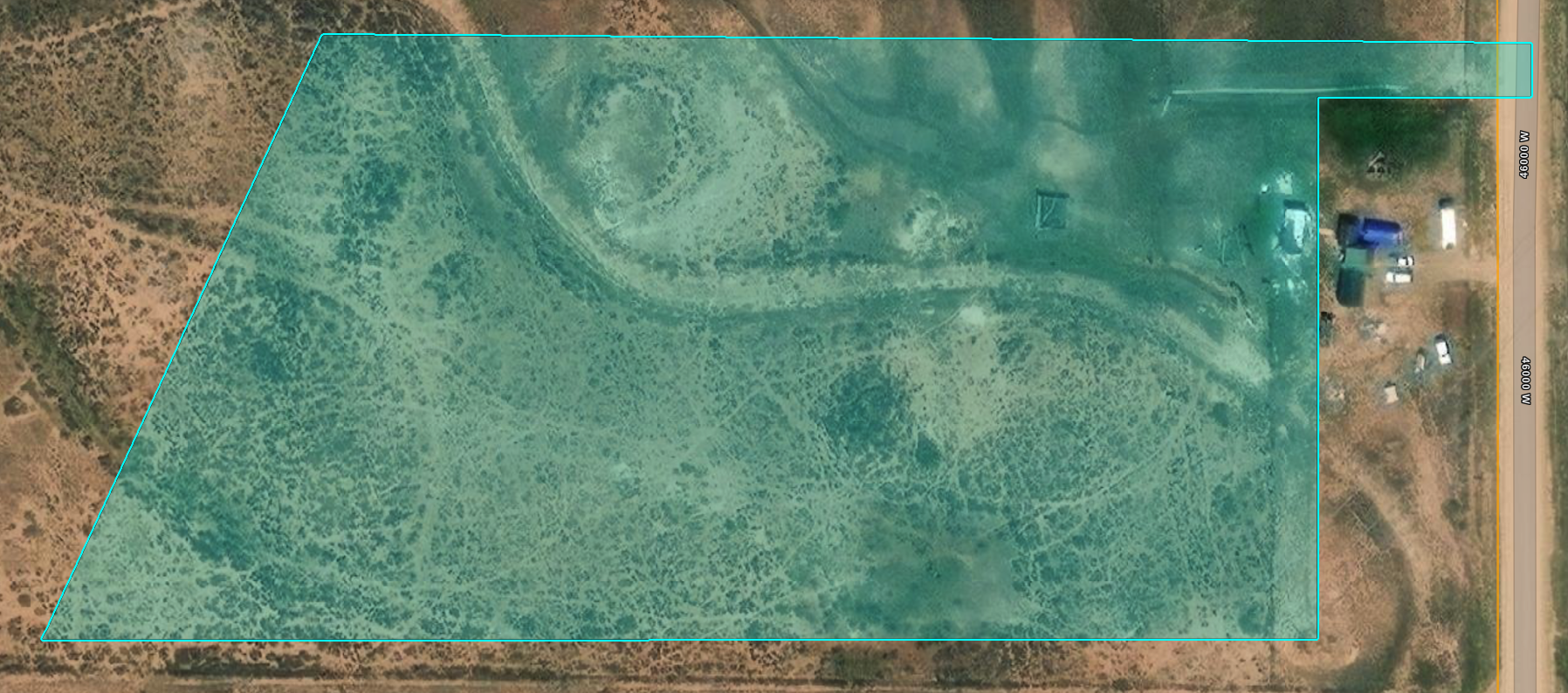
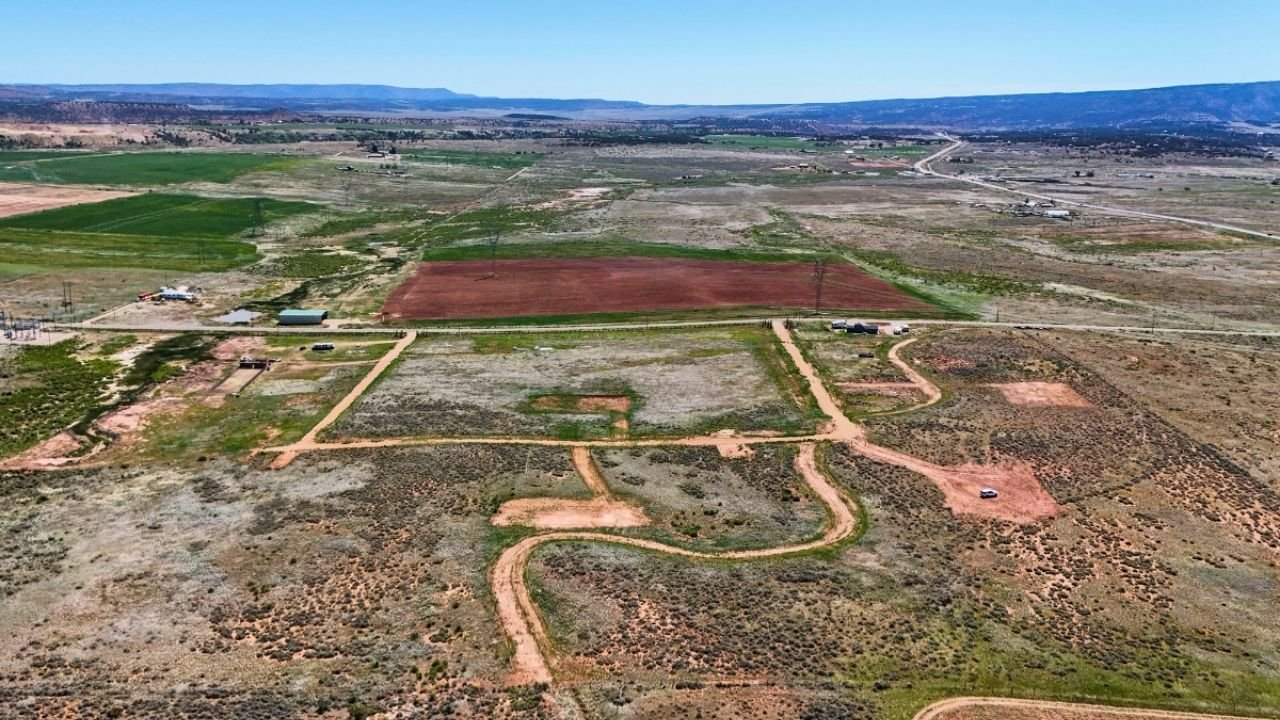
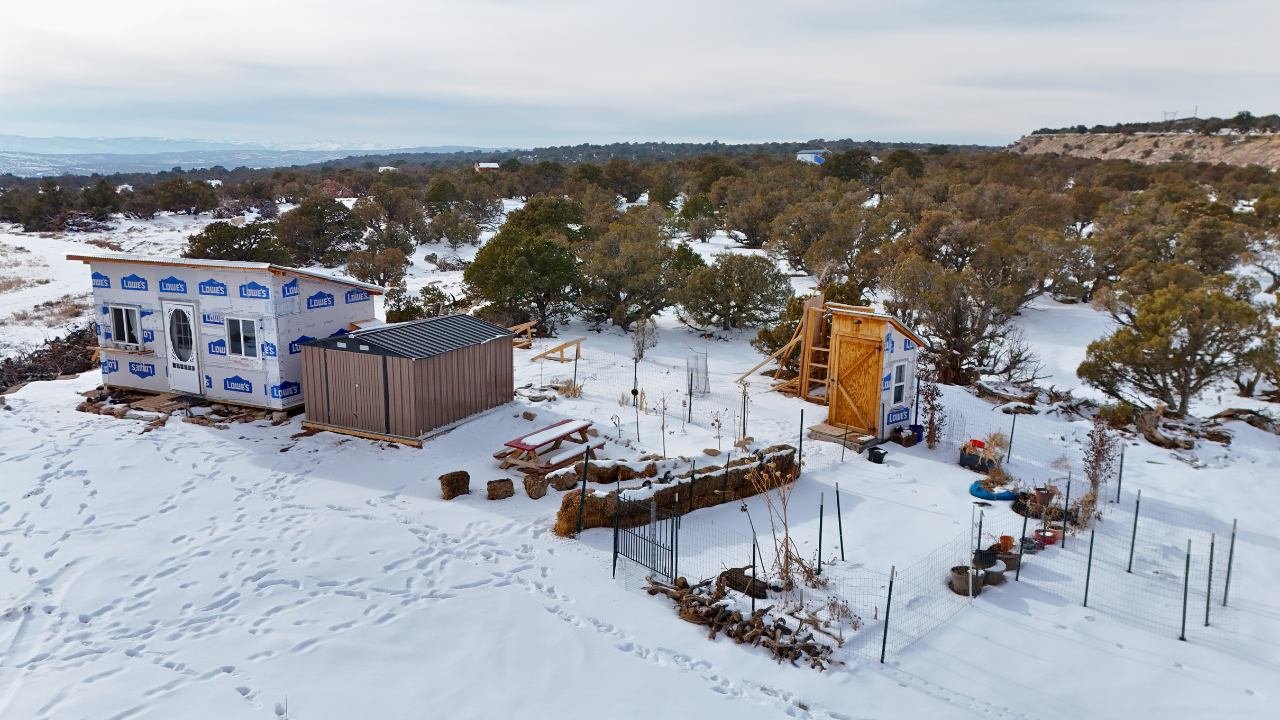
Browse Different Parcels For Sale
Browse through our different parcels and see which might fit your needs. We offer parcels that already might have a well, be close to a lake, have paved roads, and more.

Enjoy the quiet of Utah’s high desert on this 5-acre off-grid lot in Coyote Hills North, northwest of Duchesne and just minutes from Starvation Reservoir.
The land has scattered junipers, sandstone outcrops, and flat spots ready for camping, RVing, or a future cabin.
Water rights are available for a private well, and the property is perfect for solar, propane, or a generator.
Public lands nearby give you space to ride ATVs, hike, and enjoy the outdoors.
Just 20 minutes from Duchesne City, you’ll have nearby essentials while keeping your privacy.
Owner financing available.
Highlights
Low down, no credit checks, flexible terms
Off-grid ready — solar, propane, or generator
Water rights available (buyer to verify)
Junipers, sandstone, and desert views
Near Starvation Reservoir and public lands
Property Details
County: Duchesne, Utah
Parcel: CHILLS-N-1
Size: 5 acres
Location: Coyote Hills North, northwest of Duchesne and Starvation Reservoir
Access: Dirt road; 4x4 recommended during wet seasons
Utilities: Off-grid (solar, propane, or generator)
Water: Well rights available (buyer to verify)
Zoning: Rural residential / recreational
Nearby: ~20 minutes from Duchesne City, Starvation Reservoir, and public lands
This 5-acre parcel gives you space, views, and flexibility. Use it for camping, RVing, hunting, or your future off-grid getaway.
Simple, quiet, and ready for your plans.
Enjoy the quiet of Utah’s high desert on this 5-acre off-grid lot in Coyote Hills North, northwest of Duchesne and just minutes from Starvation Reservoir.
The land has scattered junipers, sandstone outcrops, and flat spots ready for camping, RVing, or a future cabin.
Water rights are available for a private well, and the property is perfect for solar, propane, or a generator.
Public lands nearby give you space to ride ATVs, hike, and enjoy the outdoors.
Just 20 minutes from Duchesne City, you’ll have nearby essentials while keeping your privacy.
Owner financing available.
Highlights
Low down, no credit checks, flexible terms
Off-grid ready — solar, propane, or generator
Water rights available (buyer to verify)
Junipers, sandstone, and desert views
Near Starvation Reservoir and public lands
Property Details
County: Duchesne, Utah
Parcel: CHILLS-N-1
Size: 5 acres
Location: Coyote Hills North, northwest of Duchesne and Starvation Reservoir
Access: Dirt road; 4x4 recommended during wet seasons
Utilities: Off-grid (solar, propane, or generator)
Water: Well rights available (buyer to verify)
Zoning: Rural residential / recreational
Nearby: ~20 minutes from Duchesne City, Starvation Reservoir, and public lands
This 5-acre parcel gives you space, views, and flexibility. Use it for camping, RVing, hunting, or your future off-grid getaway.
Simple, quiet, and ready for your plans.

Lot Area: 5 Acres
Listed at $69,900
5-acre seasonal mountain property with stunning views of Fruitland
Flat pad ready for camping or building a summer cabin
Ideal for relaxing under the stars, hosting family and friends, or creating a private retreat
Remote, peaceful location for true off-grid living
Accessible seasonally during warmer months
Great for hiking, fishing, and stargazing
A perfect canvas for a getaway, retreat, or long-term memory-making
Área del Lote: 5 Acres
Precio: $69,900
Propiedad de montaña estacional de 5 acres con vistas impresionantes de Fruitland
Superficie plana ideal para acampar o construir una cabaña de verano
Perfecto para relajarse bajo las estrellas, convivir con familia y amigos o crear un refugio privado
Ubicación remota y tranquila para una experiencia fuera de la red
Acceso estacional durante los meses cálidos
Ideal para actividades al aire libre como senderismo, pesca y observación de estrellas
Un lienzo perfecto para escapadas, retiros o crear recuerdos duraderos
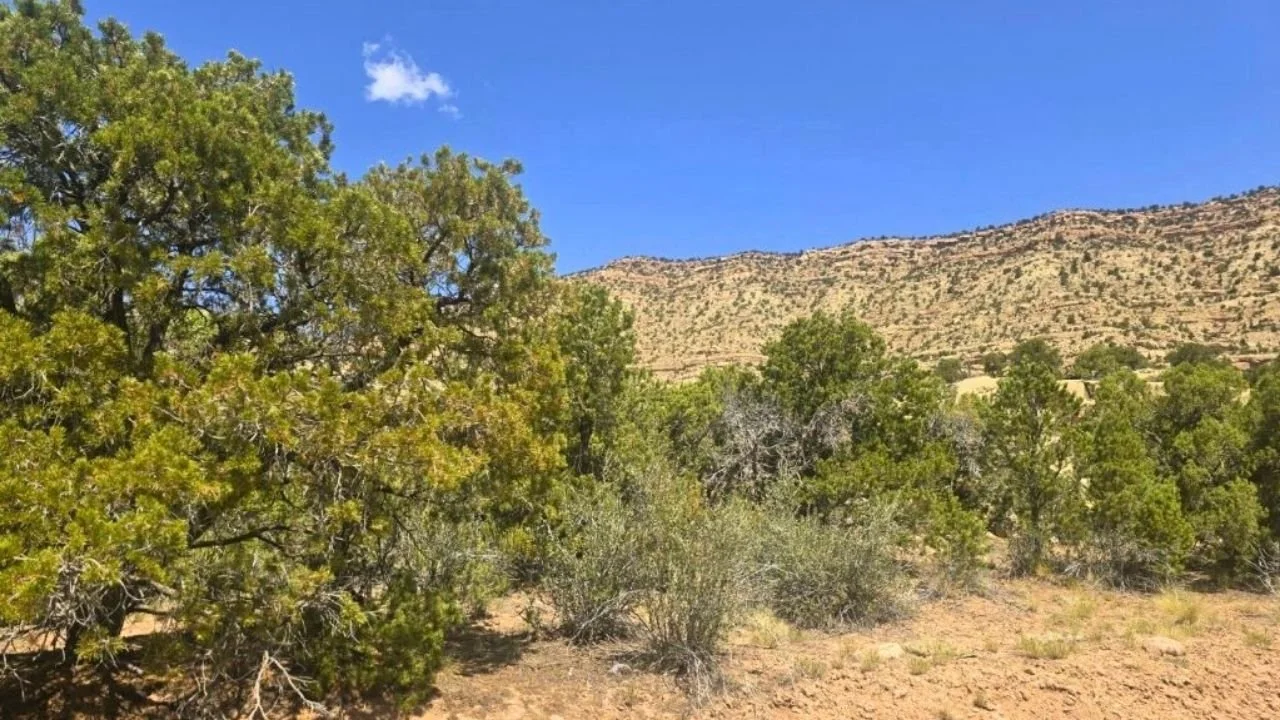
Parcel 3402-0006 offers 5 beautiful acres for $69,900 and comes fully equipped with the essentials to help you get started right away. This property includes water rights, A5 zoning, and a cleared pad—perfect for parking your RV, setting up camp, or starting the foundation for a future cabin or getaway retreat.
The land is dotted with juniper trees, which add natural beauty, shade, and privacy, while the open terrain gives you plenty of usable space for projects and recreation. You won’t have to spend time preparing the land, which makes it ideal for buyers who want to enjoy their property from day one.
Located near Starvation Reservoir, this parcel gives you easy access to some of Utah’s best outdoor recreation. You can enjoy boating, fishing, and year-round adventure just minutes from your land. Whether you’re looking for a weekend escape, a seasonal basecamp, or a smart long-term investment, Parcel 3402-0006 checks all the boxes for flexibility, convenience, and natural beauty.
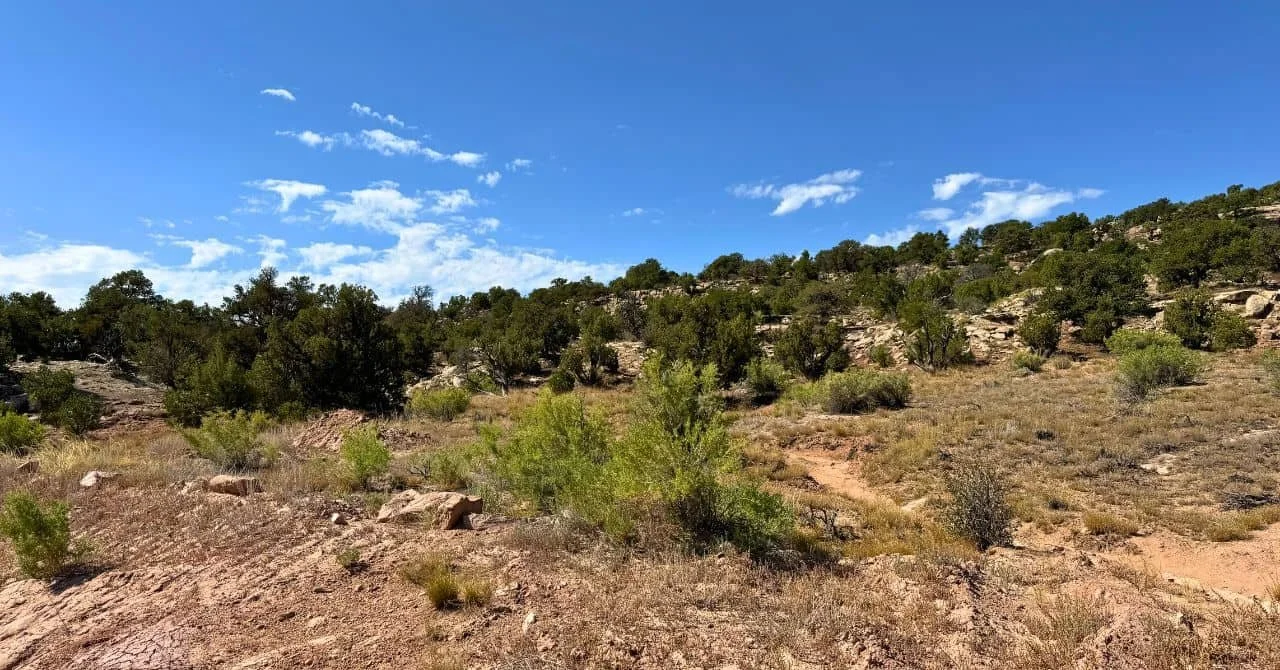
Find your freedom in Coyote Hills North, one of Duchesne County’s most scenic recreational areas. This 5-acre parcel offers a perfect balance of privacy and usability — flat ground for camping or building, framed by natural junipers and sandstone ridges.
Bring your RV or cabin plans and enjoy panoramic skies, quiet evenings, and easy access to Starvation Reservoir, where boating, swimming, and fishing are minutes away. The land is perfect for off-grid power systems, and water rights are available if you plan to drill your own well.
Located about 20 minutes from Duchesne City, this property offers the ideal blend of convenience and seclusion.
Owner-financing available — start your Utah land adventure today!
Highlights
Owner-Financing Available — low down payment, no credit checks, flexible monthly terms
Off-Grid Ready — solar, generator, or propane setups welcome
Water Rights Available — drill your private well at buyer’s expense
Beautiful Terrain — open desert ground with scattered junipers and mild slope
Close to Recreation — near Starvation Reservoir for fishing, boating, and camping
Property Details
County: Duchesne, Utah
Parcel / Lot: CHILLS-N-8
Acreage: 5 acres
Location: Coyote Hills North, northwest of Duchesne & Starvation Reservoir
Access: Dirt road; 4x4 recommended in wet seasons
Utilities: Off-grid (solar, propane, or generator)
Water: Water rights available for private well (buyer to verify)
Zoning / Use: Rural residential / recreational — verify with county
Nearby: Approx. 20 minutes from Duchesne City; close to Starvation Reservoir and public lands
Notes
CHILLS-N-8 is a property where peace and potential meet. With room to camp, build, or simply explore, it’s a great base for weekends in Utah’s backcountry. Open skies, rugged beauty, and flexible owner-financing make this a smart and accessible investment in your off-grid future.

Lot Area: 5.01 Acres
Conejo Hills
5.01 acres of mostly flat land—great for building a home or cabin
Electricity nearby or on the property (varies by lot)
Ideal for livestock, ranching, or hobby farming
Open space with plenty of room to spread out
Perfect for those seeking a peaceful rural lifestyle
Área del Lote: 5.01 Acres
Conejo Hills
5.01 acres de terreno mayormente plano—ideal para construir una casa o cabaña
Electricidad disponible cerca o dentro del lote (según el terreno)
Perfecto para tener ganado o establecer tu propio rancho
Espacio abierto con mucho terreno para aprovechar
Ideal para quienes buscan un estilo de vida rural y tranquilo

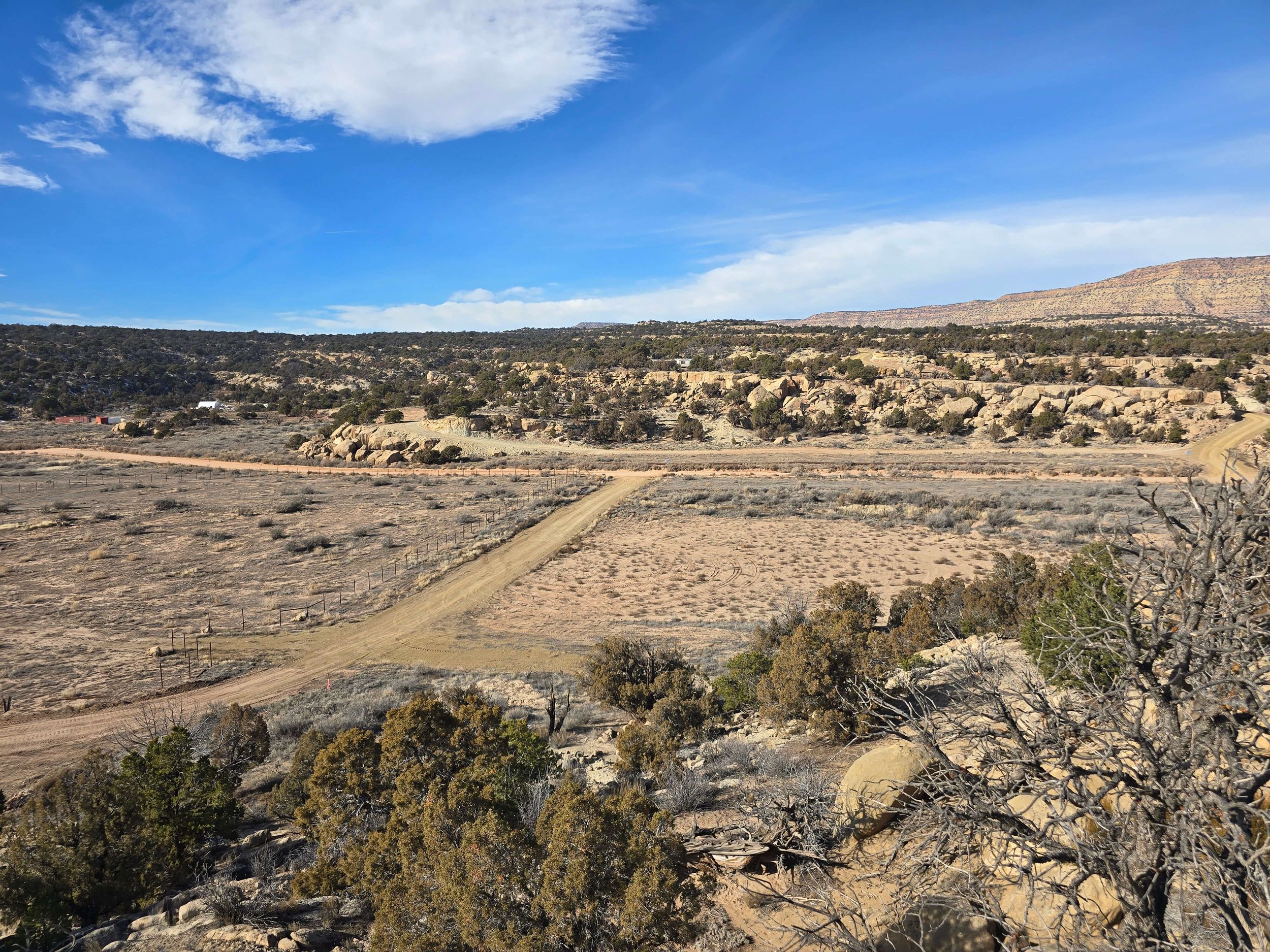
Enjoy peace, elevation, and endless views on this 5-acre property in Coyote Hills South, part of Utah’s most scenic high-desert region. The land combines open usable ground with lightly wooded hillsides, offering perfect spots for a future cabin, RV pad, or campsite under the stars.
This property is ideal for off-grid living or weekend getaways, with access to water rights if you plan to install a well. Spend your days exploring ATV trails, public lands, and Starvation Reservoir just minutes away.
Located 20 minutes from Duchesne City, you’re close to conveniences while surrounded by total privacy.
Owner-financing available — start your Utah land journey today!
Highlights
Owner-Financing Available — low down payment, no credit checks, flexible monthly terms
Elevated Views — beautiful vistas of Utah’s red rock canyons and juniper-covered hills
Off-Grid Ready — ideal for solar, generator, or propane power
Water Rights Available — option to drill a private well (buyer to verify)
Recreation Everywhere — minutes to Starvation Reservoir for boating & fishing
Property Details
County: Duchesne, Utah
Parcel / Lot: CHILLS-S-2
Acreage: 5 acres
Location: Coyote Hills South, northwest of Duchesne & Starvation Reservoir
Access: Dirt road; 4×4 recommended in wet seasons
Utilities: Off-grid (solar, propane, or generator)
Water: Water rights available for private well (buyer to verify)
Zoning / Use: Rural residential / recreational — verify with county
Nearby: Approx. 20 minutes from Duchesne City; close to Starvation Reservoir & public lands
Notes
CHILLS-S-2 delivers spectacular views and flexibility — ideal for a camping base, future cabin, or simply an investment in Utah’s growing recreation region. The blend of open terrain and junipers provides privacy and natural beauty with room to build or explore.

Quick Checklist to Compare Parcels
Legal access and road type
Zoning and allowed uses
Utilities nearby or on property
Terrain, slope, and build usability
Water options and local rules
Parcel shape, frontage, and boundaries
Restrictions, HOA, and covenants
Taxes, assessments, and ongoing costs
Nearby services, towns, and emergency access
Resale demand and marketability
What People Miss When Comparing Utah Land
-
Many buyers assume water is simple. In Utah, water can mean wells, hauling, cisterns, culinary connections, or seasonal sources. Well feasibility depends on local rules, depth, cost, and approvals. If your plan depends on water, confirm what is realistic before you buy.
-
A long, narrow parcel can be harder to use than a compact one. Frontage impacts access and how improvements feel on the property. The best layout depends on your plan. Recreation buyers may want privacy and separation. Future builders may want a clean building envelope and an easy driveway path.
-
Some parcels have few limits, others have strict rules. Covenants can control RV use, building size, animals, fencing, and storage. HOAs can add fees and rules that change over time. The better parcel is the one where the rules align with how you want to use the land.
-
Low purchase price is only one part of the equation. Taxes, association fees, road assessments, and maintenance costs affect long term affordability. A parcel that looks cheaper upfront can cost more if access requires constant work or if fees are high.
Common Comparison FAQ’s
What is the single most important factor when comparing parcels?
Legal access is usually the first priority. Without recorded access, using the land and reselling it can be harder. After that, zoning and terrain tend to be the next biggest drivers.
Is a parcel with power always better?
Not always, but it often reduces future costs if you plan to improve the property. If your plan is off grid or recreational use, power may matter less than access and terrain.
How can I tell if a parcel is buildable?
Start with zoning and county requirements, then evaluate access, slope, soil, and utilities. “Buildable” can also depend on septic approval, setbacks, and road standards. A parcel can be great for recreation even if building later would take more planning.
What makes a parcel easier to resell?
Clear access, clean zoning for common uses, usable terrain, simple restrictions, and a location buyers recognize. Parcels that are easy to explain and easy to use often move faster.
