
Why Rural Land Feels Safer to Buyers Right Now
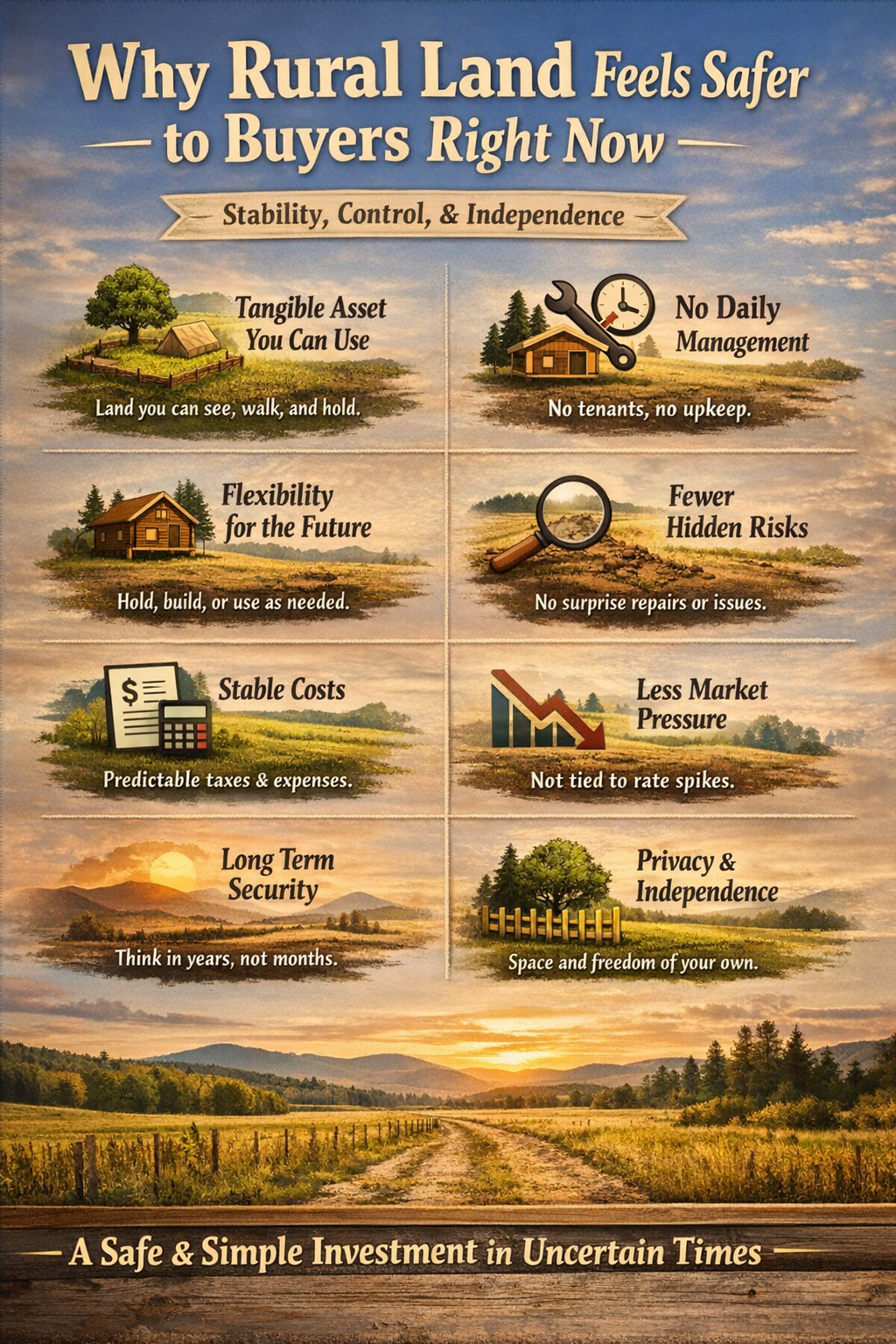
Rural land has always appealed to buyers who value space and independence, but recently it has taken on a deeper meaning. In a time when many systems feel unpredictable, land ownership offers something simple and grounded. Buyers are not just looking for returns or appreciation. They are looking for control, clarity, and assets they understand.
This shift is not driven by hype. It is driven by how people are reassessing risk, stability, and long term planning. Rural land checks many of those boxes, which is why it feels safer to so many buyers right now.
A Physical Asset in a Digital Heavy World
Many modern investments exist mostly on paper or screens. Stocks, accounts, and platforms rely on systems staying operational and rules staying the same. Rural land is different because it exists whether markets are open or not.
Buyers often find comfort in owning something they can physically visit and verify. Walking a property, seeing boundaries, and knowing exactly what is owned removes a layer of abstraction. That tangible ownership creates confidence, especially for buyers who feel disconnected from financial systems they do not control.
Ownership Without Ongoing Dependency
One of the main reasons rural land feels safer is that it does not rely on daily activity to retain its value. There is no requirement to generate income, no tenants to manage, and no services that must be constantly maintained.
Vacant land ownership allows buyers to step back. They can hold property quietly without worrying about missed payments from renters, rising maintenance costs, or sudden repairs. For many, that low dependency reduces financial and emotional strain.
Fewer Forced Decisions
Homes and income properties often push buyers into immediate commitments. Repairs need to be made. Tenants need answers. Renovations need funding. Rural land does not apply that same pressure.
Buyers can choose when and how to act. Some hold land for years before making any improvements. Others use it slowly while planning for future goals. That lack of urgency gives buyers flexibility and makes the ownership experience feel safer and more manageable.
Clear Costs and Predictable Holding Expenses
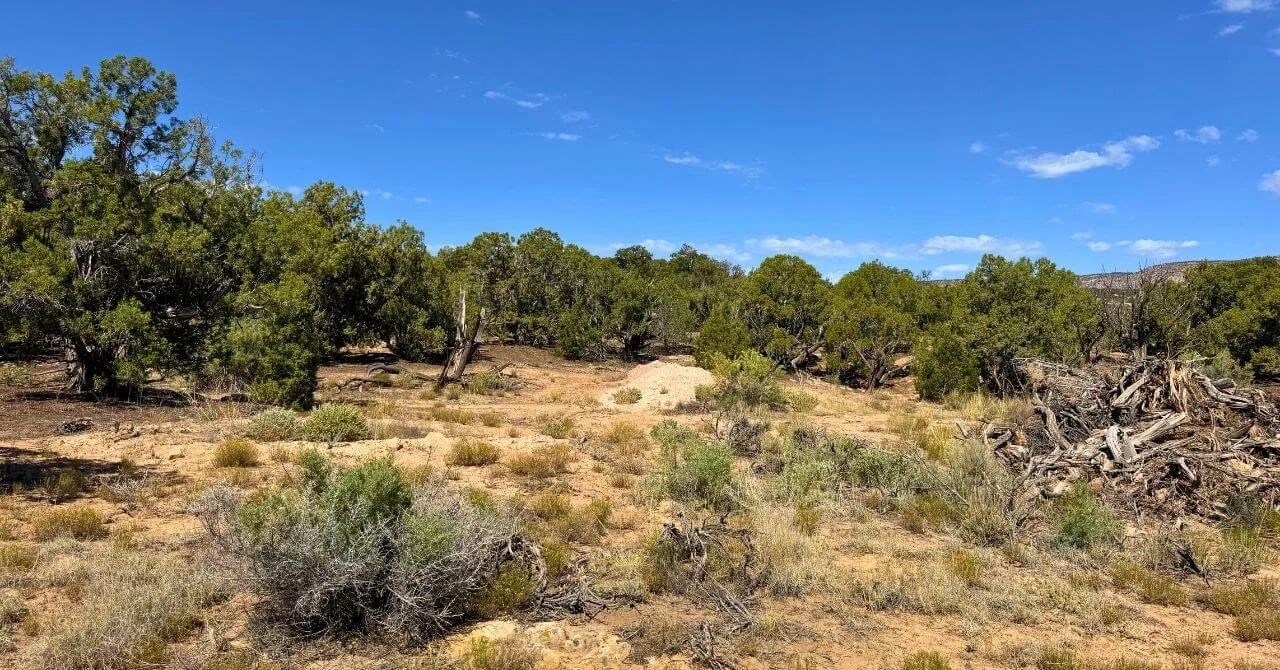
Another reason buyers feel more secure with rural land is cost transparency. While every property is different, land ownership typically involves fewer line items than built property.
Common holding costs are easier to anticipate, such as:
Property taxes
Occasional access or maintenance needs
Optional improvements chosen by the owner
There are fewer surprise expenses compared to structures that can fail or age unpredictably. Buyers appreciate knowing that costs are largely within their control.
Reduced Exposure to Interest Rate Pressure
Housing markets often react quickly to interest rate changes. Payments shift, demand fluctuates, and buyers can feel pushed to time decisions carefully. Rural land often operates outside that pressure.
Many land buyers are less dependent on traditional financing or are more flexible with timelines. This allows them to hold through rate changes without feeling trapped. The ability to wait out market conditions contributes to the sense of safety.
Simplicity Compared to Complex Assets
Some investments require ongoing education, monitoring, and adjustment. Land is straightforward. You own it. You decide how to use it. You decide when to sell.
That simplicity is appealing to buyers who want fewer variables. They are not trying to outperform markets or chase trends. They want ownership that is easy to understand and easy to explain.
Flexibility for Changing Life Plans
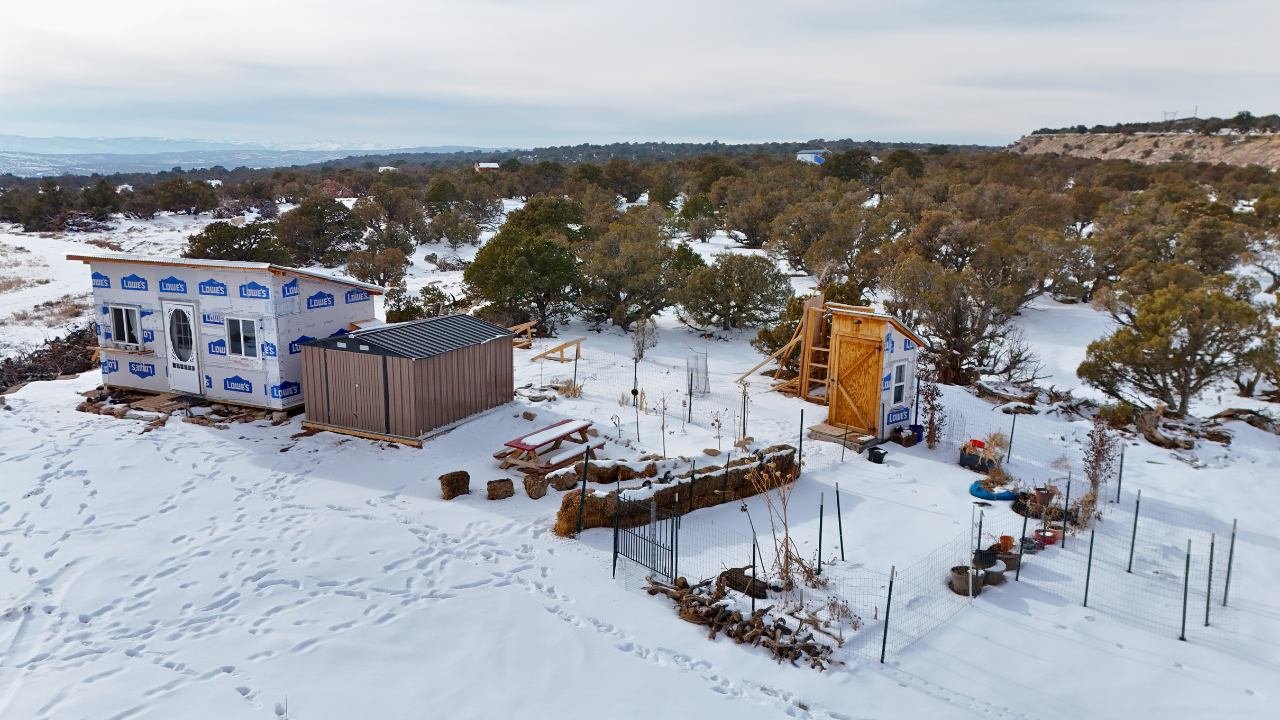
One of the strongest reasons rural land feels safer right now is adaptability. Buyers are more aware that life plans can change. Jobs shift. Families grow. Priorities evolve.
Rural land can support many paths over time:
Long term holding
Recreational use
Future homesite planning
Legacy property for family
Because the land does not demand a single purpose immediately, buyers feel protected against needing to make the wrong decision too soon.
Fewer Hidden Risks Than Built Property
With homes, many risks are concealed until inspection or ownership. Structural issues, outdated systems, or deferred maintenance can surface unexpectedly. Raw land does not carry those same unknowns.
While buyers still need to confirm zoning, access, and local guidelines, the overall risk profile feels simpler. What exists today is likely what exists tomorrow. That predictability builds trust in the purchase.
Emotional Security Beyond Financial Value
For many buyers, safety is not only about money. It is about peace of mind. Owning rural land often represents independence, privacy, and the ability to step away from crowded or restrictive environments.
Even if the land is not used immediately, knowing it is there can feel reassuring. It is space that belongs to the buyer and remains available when needed.
A Long Term View Instead of Short Term Pressure
Rural land encourages long term thinking. Buyers are less focused on short term fluctuations and more focused on future possibilities. This mindset shift alone can reduce stress and decision fatigue.
Rather than reacting to monthly market headlines, land buyers often think in years or decades. That longer horizon makes temporary uncertainty feel less threatening.
Final Thoughts
Rural land feels safer to buyers right now because it offers control, simplicity, and flexibility in an uncertain environment. It is tangible, understandable, and adaptable. Ownership does not depend on daily performance or outside systems continuing to function exactly as expected.
For buyers who value stability over speed and options over pressure, rural land stands out as a grounded choice. It may not be flashy, but for many, that is exactly why it feels secure.