
Why Do I Feel Better in Nature?
Many people notice the same feeling after spending time outdoors. Stress softens. Thoughts slow down. Breathing feels easier. Even short time in nature can create a sense of calm that is hard to replicate elsewhere. This reaction is not imagined, and it is not accidental. There are real reasons why nature has this effect on the human mind and body.
Understanding why nature feels so grounding helps explain why people are drawn to open spaces, quiet environments, and outdoor experiences, especially during busy or uncertain times.
Nature Reduces Mental Overload
Modern life requires constant attention. Screens, notifications, traffic, noise, and decision making keep the brain in a near constant state of stimulation. Over time, this creates mental fatigue.
Nature offers a different kind of environment. Instead of demanding focus, natural settings allow the brain to relax. Sounds like wind, water, and birds are predictable and nonintrusive. Visual patterns in nature are complex but not overwhelming. This combination allows the mind to rest.
As mental load decreases, stress often follows.
Being Outdoors Lowers Stress Responses
Spending time in nature has been shown to reduce stress hormones in the body. When stress levels drop, the nervous system shifts into a calmer state. Breathing becomes deeper. Muscles relax. Heart rate steadies.
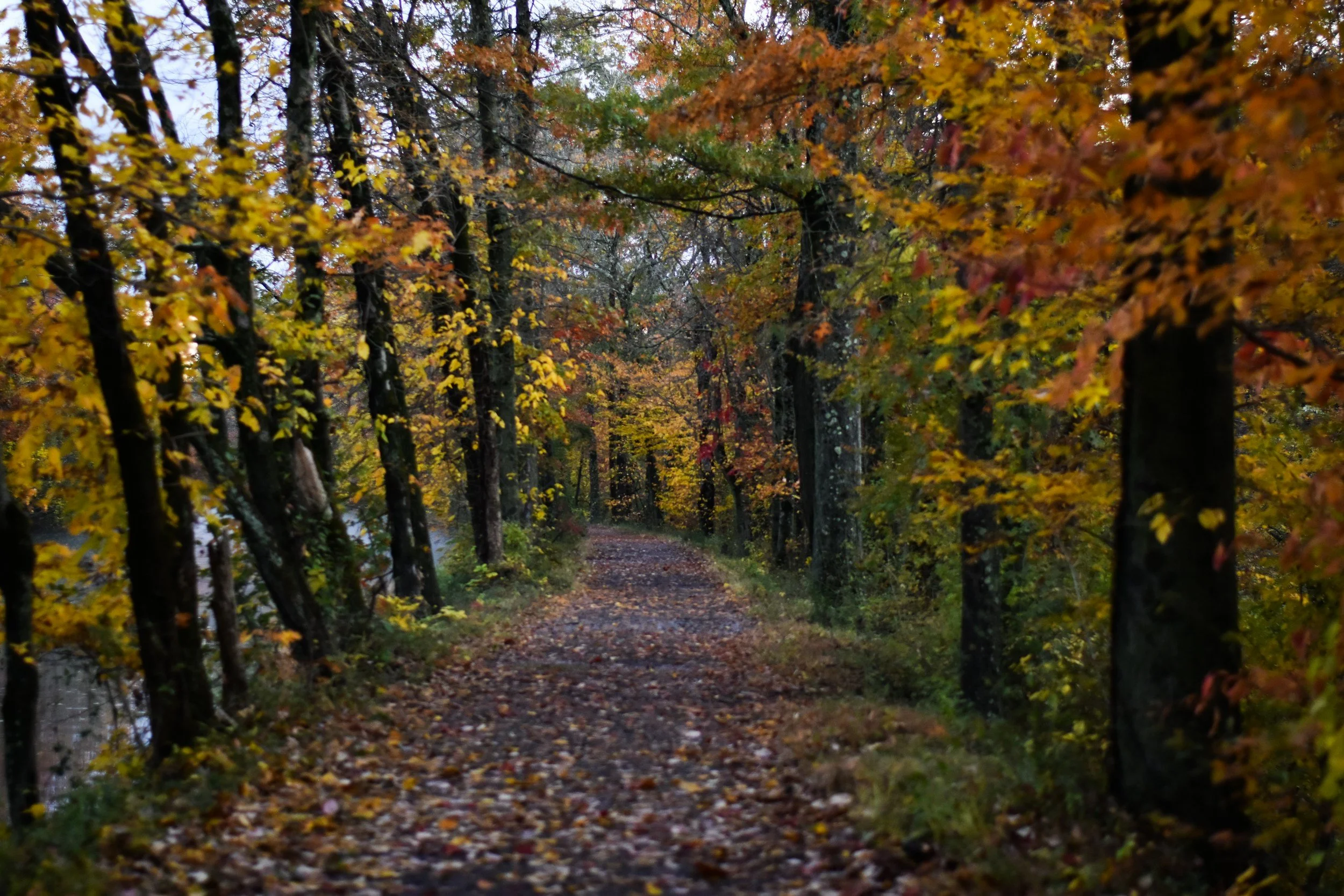
Even brief exposure to natural environments can create this shift. You do not need to hike for hours or travel far. Sitting outside, walking through trees, or spending time near open landscapes can trigger the same calming response.
This physical reaction contributes to the sense of relief many people feel outdoors.
Nature Encourages Presence
Nature naturally draws attention to the present moment. The feeling of sunlight, the movement of air, and the sound of surroundings pull focus away from constant mental chatter.
Without needing to try, people often become more aware of what is happening around them instead of what might happen next. This presence reduces anxiety, which is often tied to future focused thinking.
Being present is one of the reasons nature feels grounding rather than stimulating.
Natural Environments Reduce Decision Fatigue
Every day requires countless small decisions. Over time, this decision making drains mental energy. Nature removes many of these choices.
Outdoors, there are fewer decisions to make and fewer inputs competing for attention. This mental simplicity allows the brain to recover from constant evaluation and problem solving.
The result is often mental clarity or emotional relief.
Nature Creates a Sense of Perspective
Being in nature often reminds people that life exists beyond schedules and screens. Open space, wide views, and quiet environments can make personal stress feel smaller and more manageable.
This shift in perspective does not minimize problems, but it reduces their emotional weight. Many people report clearer thinking or renewed motivation after spending time outdoors.
Perspective is a powerful contributor to emotional balance.
The Body Responds to Natural Movement
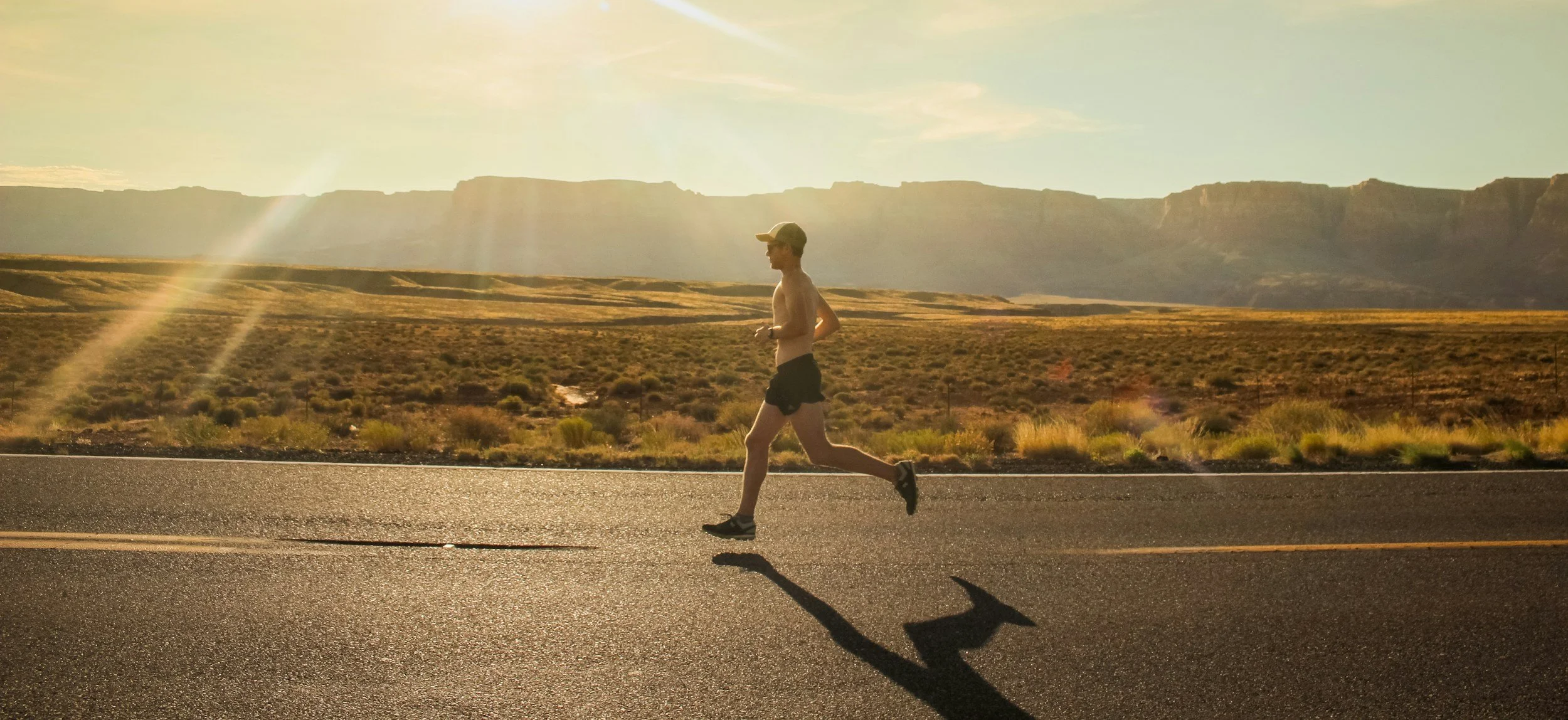
Outdoor movement tends to be gentle and unstructured. Walking, standing, sitting, or stretching outdoors feels different than structured indoor activity.
Natural movement supports circulation and physical relaxation without triggering stress responses. The body often feels more at ease when movement is not forced or timed.
This physical ease contributes to emotional well being.
Nature Provides a Break From Constant Input
Modern environments are filled with artificial stimuli. Nature offers a different sensory experience. Colors are softer. Sounds are less abrupt. Scents are subtle and grounding.
This sensory change gives the nervous system a break from constant stimulation. As the system settles, emotional regulation improves.
The sense of calm that follows is often felt quickly.
Why the Feeling Lingers After You Leave
Many people notice that the calm from nature does not disappear immediately. Even after returning to daily life, the effects can linger.
This is because the nervous system takes time to shift back into a heightened state. The reset created by nature carries forward, making the rest of the day feel lighter or more manageable.
Repeated exposure strengthens this effect.
You Do Not Need Perfect Conditions
Nature does not require ideal circumstances. Short walks, nearby parks, quiet outdoor moments, or time in open space all count. The benefit comes from connection, not from distance or duration.
Consistency matters more than intensity.
Final Thoughts
Feeling better in nature is not coincidence or imagination. It is the result of how the human body and mind respond to environments that allow rest, presence, and perspective.
Nature removes pressure rather than adding stimulation. In doing so, it creates space for calm, clarity, and emotional balance. That is why even short time outdoors can make such a noticeable difference.