
What It Costs to Live a Low Utility Lifestyle on Rural Land
Living a low utility lifestyle on rural land is often viewed as a way to reduce monthly expenses and gain more control over basic living costs. For many buyers, the goal is not to eliminate utilities entirely, but to limit dependence on public systems and keep ongoing expenses predictable. Rural land makes this possible because it allows flexibility in how utilities are set up and used over time.
The cost of a low utility lifestyle depends on how far you want to go, how you plan to use the land, and whether the property is used seasonally or full time. Some owners start with basic setups for occasional use, while others invest more upfront to support long term living. Understanding realistic costs helps buyers plan without overcommitting financially.
Electricity Costs With Low Utility Living
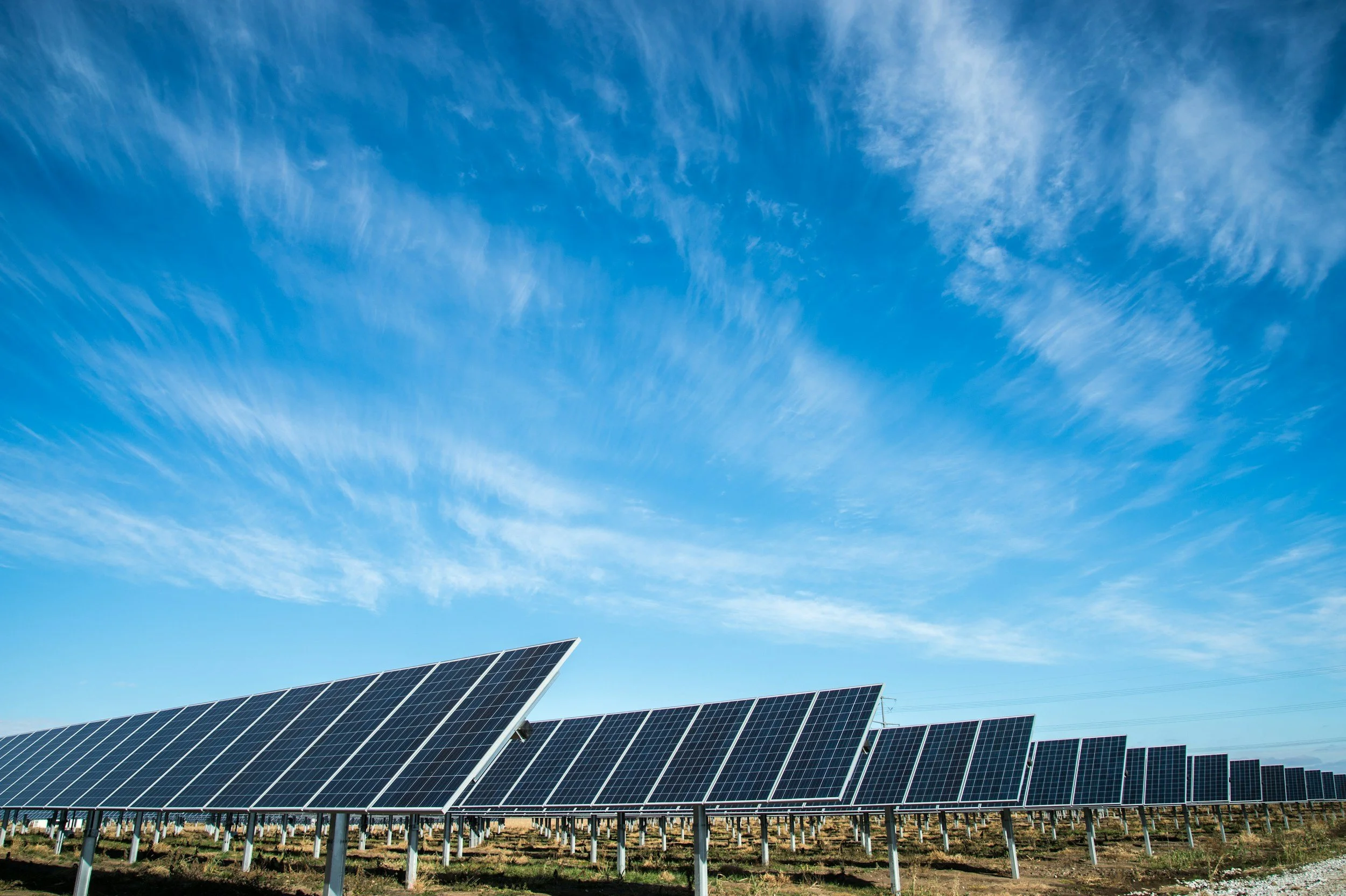
Electricity is often the first utility people think about reducing or replacing. On rural land, many owners choose solar systems instead of connecting to a power grid. Solar allows users to scale their system based on needs rather than paying monthly bills tied to usage.
For basic use such as lighting, charging devices, and small appliances, a starter solar setup can be relatively affordable. More advanced systems that support refrigeration, water pumps, or full time living require larger investments. While upfront costs can be higher than traditional utility hookups, monthly expenses are often minimal once the system is installed.
Typical electricity cost considerations include:
Initial solar equipment and installation
Battery storage capacity
Maintenance and replacement over time
For many rural landowners, the long term savings and independence outweigh the upfront investment.
Water Solutions and Ongoing Costs
Water access is another major factor in low utility living. Rural landowners often choose between wells, hauled water, or rain collection depending on location and regulations. Each option comes with different upfront and ongoing costs.
Hauled water is common for seasonal or part time use because it requires minimal infrastructure. Owners pay per delivery, which keeps costs low if usage is limited. Wells require a higher upfront investment but provide consistent access for long term living. Rain collection may supplement other systems where allowed.
Water costs are influenced by:
Usage level
Storage capacity
Local availability and regulations
By managing usage carefully, many rural landowners keep water expenses lower than city utility bills.

Waste and Septic Expenses
Living with limited utilities does not eliminate the need for waste management. Septic systems are the most common solution for rural land. Costs vary depending on soil conditions, system type, and county requirements.
For seasonal use, some owners delay installing a full septic system and use temporary or portable solutions where allowed. Full time living typically requires a permitted septic installation. While septic systems involve upfront costs, ongoing expenses are minimal compared to monthly sewer bills.
Understanding county requirements early helps buyers avoid unexpected expenses later.
Internet and Communication Costs
Internet access is often a concern for buyers considering rural living. While rural land rarely has traditional cable service, alternatives like satellite internet, cellular hotspots, or fixed wireless systems are widely used.
Costs vary based on speed needs and coverage. Basic plans are often sufficient for email, browsing, and light streaming. Higher usage households may need premium plans. Even with higher monthly costs, many rural landowners still spend less overall when other utilities are reduced.
Planning internet needs realistically helps balance cost and functionality.
Heating, Cooling, and Energy Use
Heating and cooling costs can be managed effectively with a low utility approach. Many rural landowners rely on wood stoves, propane heaters, or efficient insulation rather than electric systems. Cooling is often handled through natural ventilation, shade, and building placement.
Fuel based systems allow owners to control usage and budget ahead of time. Seasonal planning and energy efficiency play a major role in keeping costs low. This approach reduces reliance on continuous utility consumption.
Monthly Cost Comparison: Low Utility vs Traditional Living
When comparing low utility rural living to traditional housing, the biggest difference is predictability. Instead of multiple monthly bills, costs are often spread across occasional deliveries, maintenance, and seasonal expenses.
Low utility living typically includes:
Minimal or no electric bill
Lower water expenses
No sewer bill
Fewer service fees
This structure appeals to buyers who prefer planning and control over fluctuating monthly costs.
Realistic Budget Expectations
While low utility living can reduce monthly expenses, it is not free. Upfront investments are common, and maintenance is ongoing. Buyers should budget for setup, repairs, and upgrades over time.
A realistic approach focuses on:
Starting small and scaling systems gradually
Matching utility setups to actual usage
Avoiding overbuilding early
This mindset allows buyers to stay within budget while building toward long term goals.

Is a Low Utility Lifestyle Right for You?
Low utility living works best for buyers who value flexibility, planning, and independence. It appeals to those who are comfortable managing systems and adjusting usage habits. Buyers who expect city level convenience without effort may find it challenging.
Understanding your lifestyle, usage needs, and budget helps determine whether this approach fits your goals.
Final Thoughts
Living a low utility lifestyle on rural land is less about eliminating costs and more about controlling them. By choosing alternative systems, managing usage, and planning carefully, many landowners reduce monthly expenses while gaining independence.
For buyers considering rural land through Mountains West Ranches, understanding realistic utility costs is an important step toward confident ownership. With the right expectations and planning, low utility living can be both affordable and sustainable.