.webp)
Utah and Arizona consistently rank among the top states land buyers consider when they want space, flexibility, and a break from rising housing costs. On the surface, both states offer wide open landscapes, rural counties, and large acreage opportunities. This surface level similarity often leads buyers to compare prices alone, but price per acre is only one small part of the ownership experience. Once buyers begin thinking about how they will actually use the land, differences between the two states become much clearer.
Many buyers start their search in Arizona because listings can appear abundant and affordable. Others are drawn to Utah because of its reputation for outdoor access and long term livability. The reality is that land ownership is not just about what looks good in photos. It is about access, rules, climate, and whether the land fits into your life not just this year, but ten or twenty years from now.
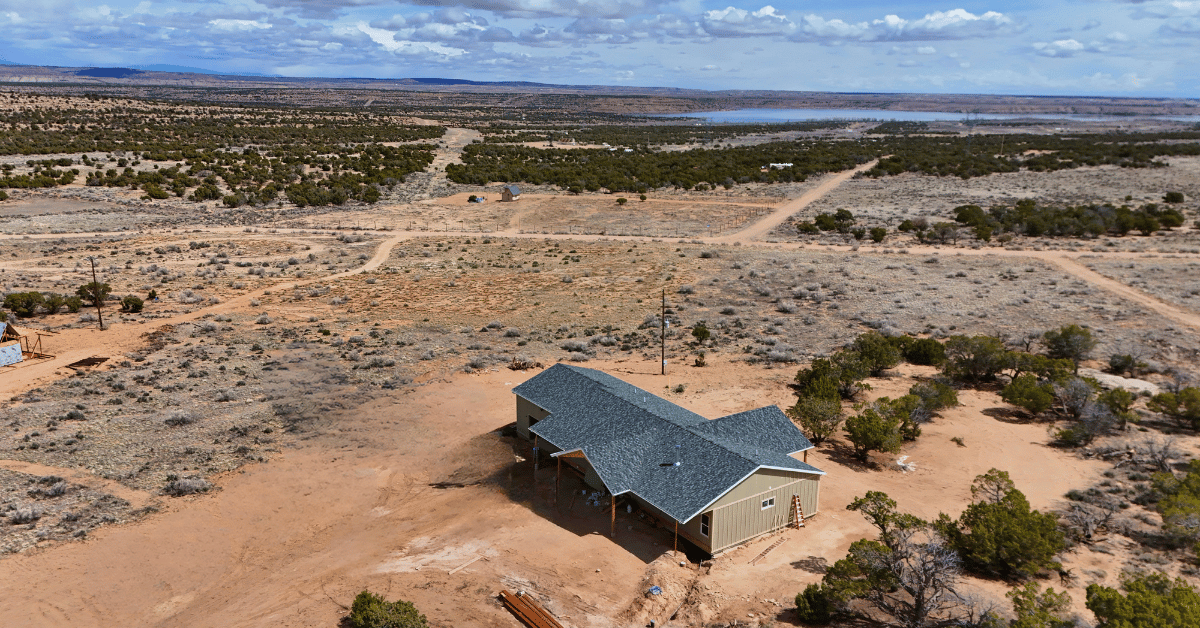
Arizona’s climate is dominated by long, intense summers and relatively mild winters. While this appeals to buyers who want winter accessibility or plan to visit during colder months, it often limits how frequently the land is used during peak summer. Extreme heat can make camping, working the land, or even visiting uncomfortable or unsafe for extended periods. Many owners find themselves avoiding their property during the hottest months, which reduces overall usability.
Utah offers a more balanced seasonal climate that many buyers find easier to work with long term. Summers are typically milder, especially in rural or higher elevation areas, making outdoor use more comfortable for longer stretches of the year. Winters can bring snow, but this is often viewed as a manageable tradeoff for buyers who value four season use. This seasonal balance allows owners to enjoy their land more consistently rather than working around extreme conditions.
Zoning is one of the most misunderstood parts of land ownership, yet it has a major impact on how a property can be used. In Utah, many rural parcels allow recreational use, camping, cabins, agricultural activities, and gradual improvement without forcing immediate construction. Zoning categories such as A5 are attractive because they give owners flexibility while keeping long term options open.
In Arizona, zoning can be far more restrictive depending on the county. Buyers often assume desert land equals freedom, only to discover limits on camping, RV use, or temporary structures. Some parcels require permits for activities buyers assumed were allowed. These restrictions can turn what looked like affordable land into property that is difficult to use without additional approvals or expenses.
Water access is one of the most important differences between Utah and Arizona. Arizona is a water limited state, and many land listings do not include water rights or reliable access to water sources. Drilling wells can be costly, regulated, and uncertain depending on location. For buyers planning frequent use, long term holding, or future building, water access becomes a major concern rather than a minor detail.
Utah generally offers more favorable conditions when it comes to water access, especially in rural areas. While not every parcel includes water rights, buyers often have more options through existing rights, nearby sources, or more predictable well regulations. For long term planning, water availability directly impacts land usability, improvement potential, and future value.
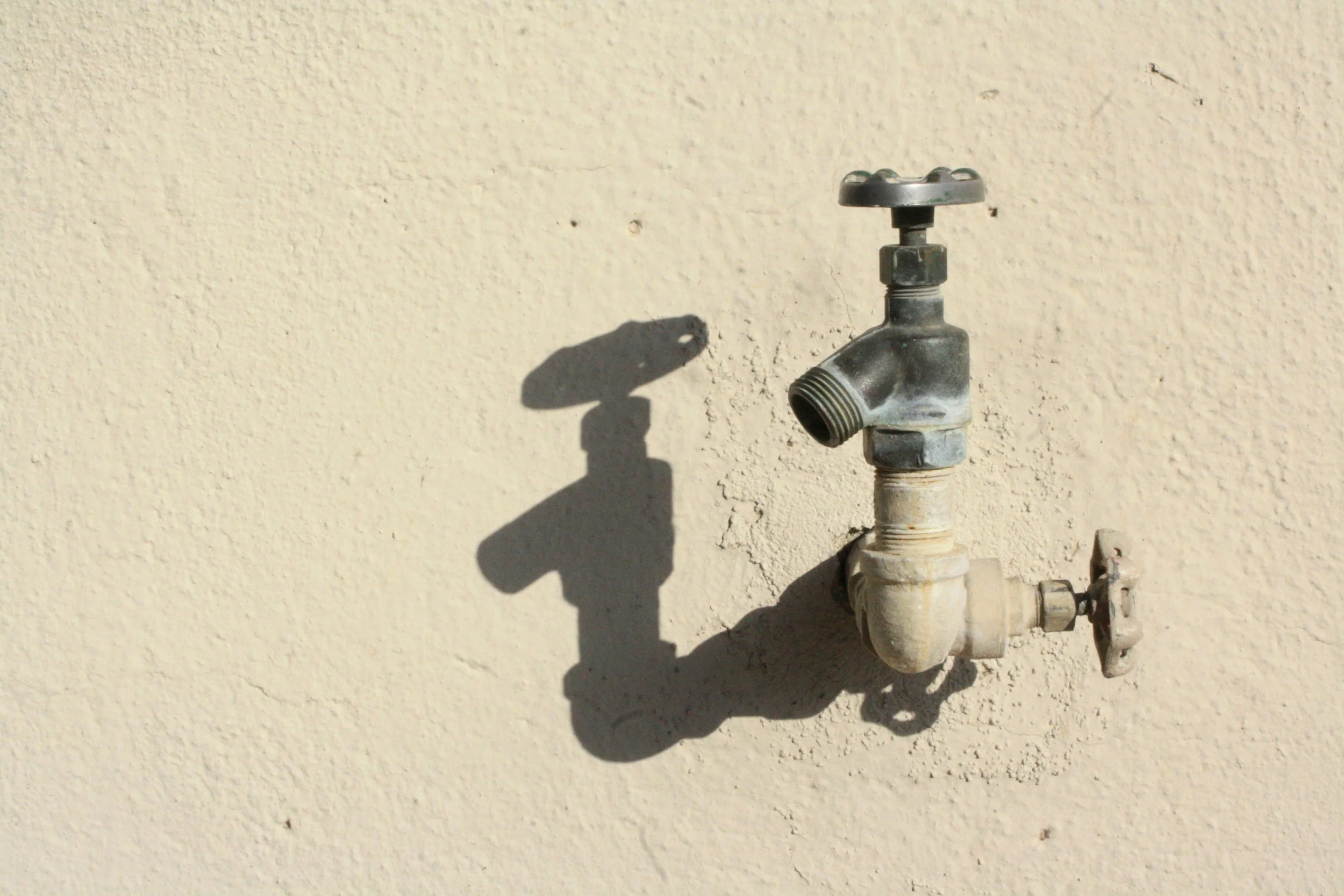
Arizona land prices can vary dramatically. Small parcels near metropolitan or resort areas often carry high price tags, while remote desert land may appear inexpensive. However, lower prices often reflect limited access, lack of utilities, restrictive zoning, or challenging terrain. What looks affordable on paper may require significant investment to become usable.
Utah land prices in rural counties often reflect a better balance between cost and function. Buyers can find larger parcels with legal access, zoning flexibility, and practical use cases at reasonable per acre prices. For buyers focused on usability rather than speculation, Utah often provides land that offers more value over time.
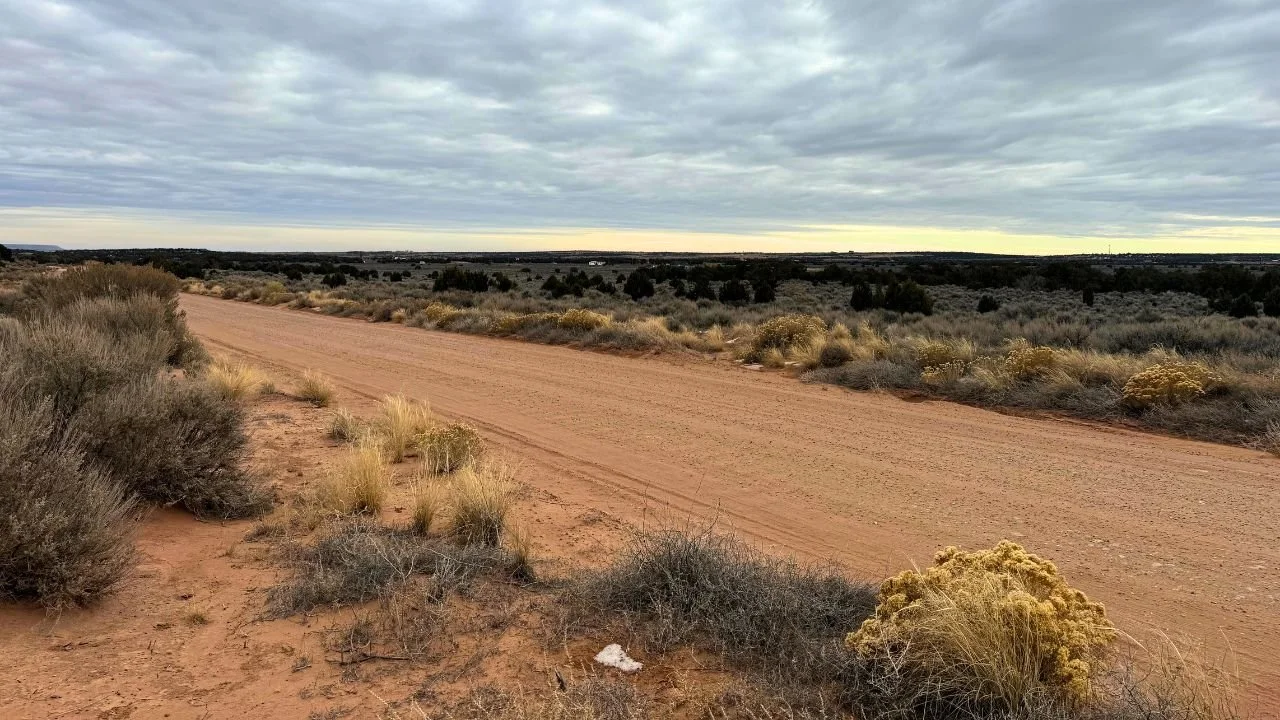
Access determines how often land can realistically be used. Arizona has many parcels accessed by informal dirt roads or seasonal paths that may wash out or become impassable. Some properties lack clearly defined legal access, which can complicate future use or resale.
In Utah, many rural properties have established legal road access, including options that remain usable year round. This makes visiting the property, transporting supplies, and planning future improvements far more manageable. Reliable access reduces frustration and supports long term ownership without constant logistical challenges.
Arizona appeals to buyers seeking desert landscapes, winter warmth, or proximity to large metro areas. Utah tends to attract buyers focused on flexibility, phased planning, and long term lifestyle goals. Many Utah buyers plan to use their land recreationally first, then improve gradually, and eventually build when timing aligns.
This phased approach works well in Utah because zoning and land use policies often support gradual development. Buyers are not forced into rushed decisions and can adapt plans as finances and life circumstances evolve.
Neither state is objectively better. The right choice depends on how you plan to use the land. Arizona may be a good fit for buyers prioritizing winter access or desert scenery. Utah may be a better fit for buyers who want land that supports recreation, flexibility, and long term planning.
Understanding your actual use goals matters more than choosing a state based on trends or pricing alone.

At Mountains West Ranches, we work with buyers who want land they can realistically use, not just own. Our focus is on properties with legal access, flexible zoning, and long term usability. Many buyers come to us after exploring Arizona and realizing they want land that fits into their future without unnecessary limitations.
We help buyers compare options honestly so they can move forward with confidence and clarity.
Utah and Arizona both offer land ownership opportunities, but the ownership experience can differ significantly. Climate, zoning, water access, and infrastructure all shape how land fits into daily life and long term plans. Buyers who take the time to understand these differences are far more likely to end up with land that truly works for them.
If you are comparing Utah and Arizona and want guidance rooted in real world use, Mountains West Ranches is here to help you evaluate your options thoughtfully and confidently.