.webp)

Rural land in Utah offers flexibility that residential and city property usually does not. Whether your goal is lifestyle, recreation, long-term investment, or income generation, rural acreage can support a wide range of uses depending on zoning, access, and location. Understanding what rural land can be used for and how to make money from it helps buyers set realistic expectations and build a clear plan.
This guide breaks down common uses for rural land in Utah and practical ways landowners turn raw land into an asset.
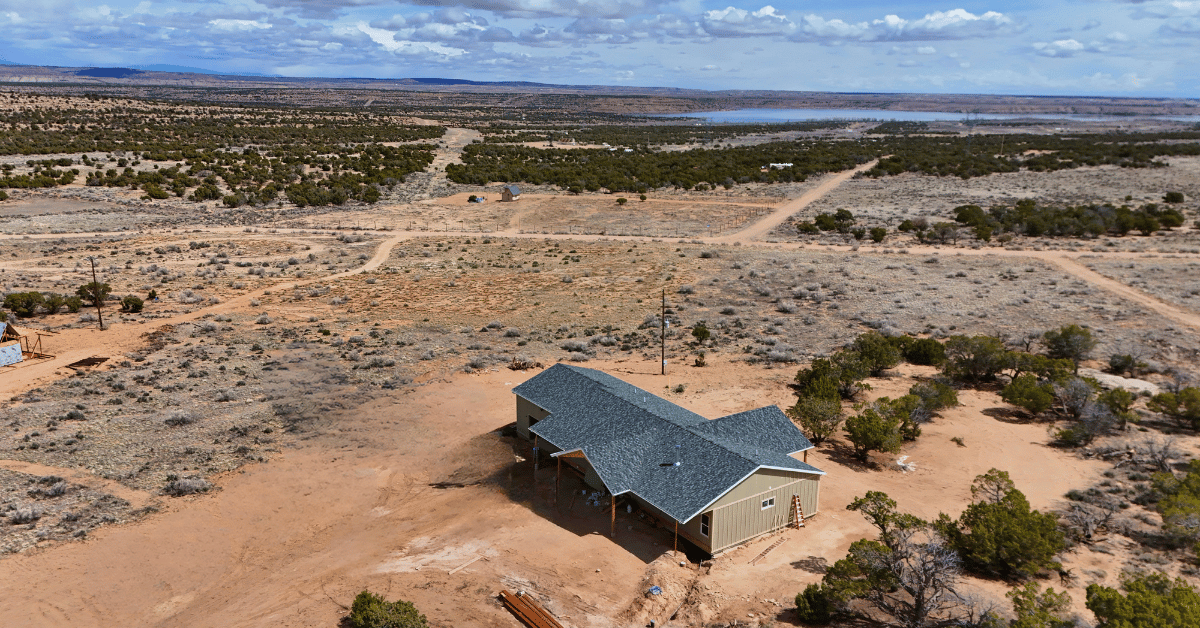
Rural land in Utah typically refers to property outside city limits, often zoned for agricultural, recreational, or low-density residential use. These parcels may or may not have utilities, paved roads, or nearby services. Many are accessed by county roads or maintained dirt roads and are located in areas with fewer building restrictions.
Because zoning and county rules vary, allowed uses depend on the specific parcel. Always check local zoning ordinances before purchasing or developing land.
One of the most popular uses of rural land in Utah is recreation. Many buyers purchase land specifically for weekend use or seasonal activities.
Common recreational uses include:
Recreational land often requires minimal improvements, which keeps upfront costs lower and allows owners to enjoy the property immediately.

Rural Utah is well known for off-grid living opportunities. Depending on zoning and county regulations, landowners may build:
Many buyers choose to build slowly, starting with camping and adding improvements over time. This flexibility is one reason rural land appeals to long-term planners and homesteaders.
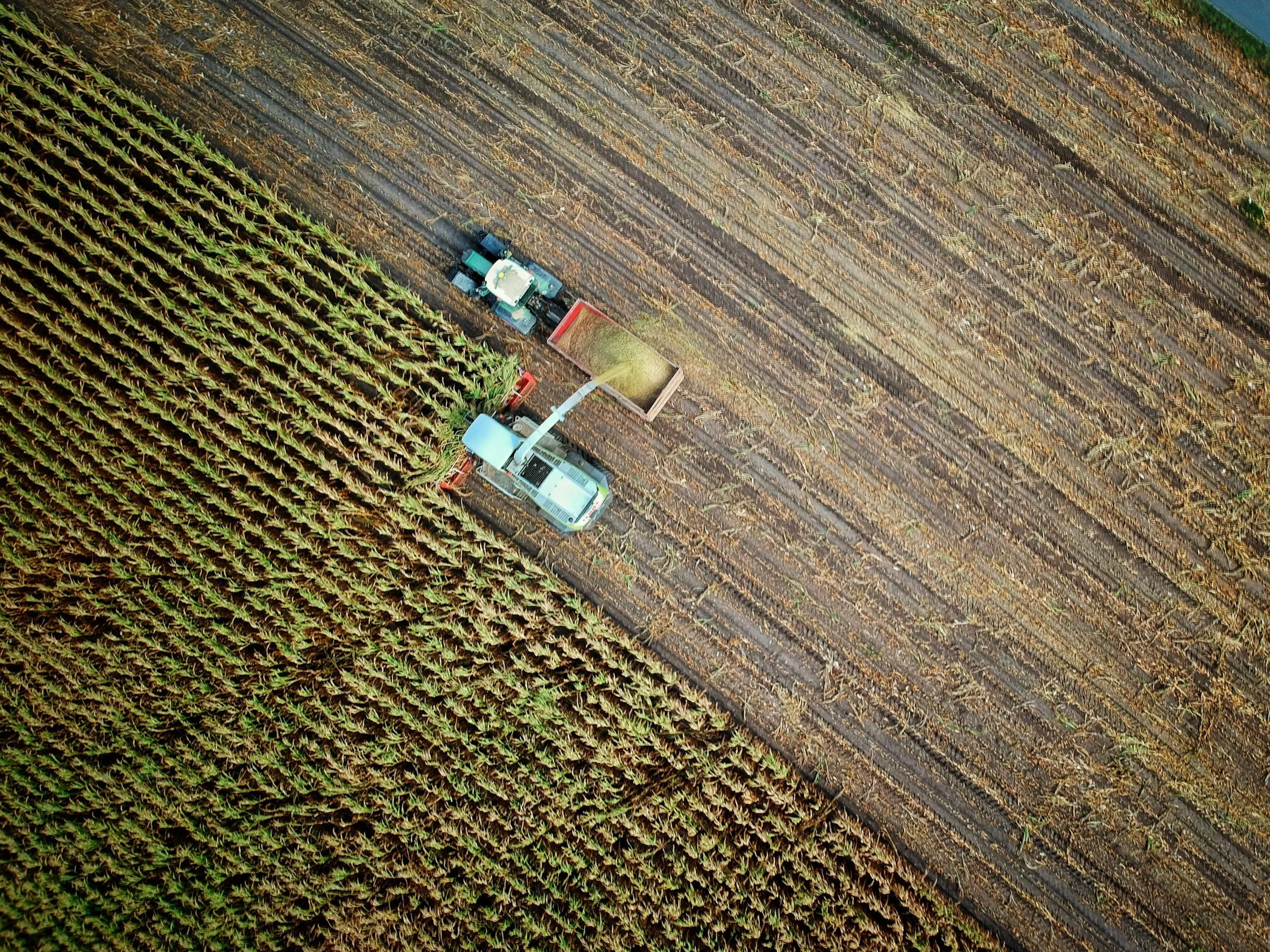
Rural land in Utah is often zoned for agricultural use, even if it is not actively farmed. Depending on soil, water access, and zoning, land may support:
Not all rural land is suitable for intensive agriculture, but many owners use it for hobby farming or supplemental income rather than full-scale operations.
Some buyers purchase rural land with no immediate plans to build or use it. This strategy, often called land banking, focuses on long-term appreciation rather than short-term income.
Reasons investors choose rural land include:
Land banking works best with patience and realistic expectations. Rural land appreciation is typically slower than urban real estate but can still provide long-term value.
Landowners can generate income by leasing their land for seasonal or recreational purposes. This may include:
Leasing allows owners to retain ownership while generating recurring income with limited development.
Some landowners allow short-term camping or RV stays on their property. This can work well in areas near reservoirs, trails, or public land.
Important considerations include:
This approach often requires minimal infrastructure but still benefits from basic improvements like gravel pads or designated camping areas.
Many rural landowners plan to sell after holding the property for several years. Improvements such as better access, cleared areas, or utility planning can increase resale value.
Common value-adding steps include:
Even without improvements, land may increase in value based on location and market demand.

In some cases, larger parcels can be subdivided if zoning allows. This can increase total resale value but often involves additional costs and approvals.
Subdivision feasibility depends on:
This strategy is more complex but can significantly change the land’s value when done correctly.
Before purchasing or developing rural land in Utah, review these key factors:
These details determine what is realistically possible on a specific parcel.
Rural land works best for buyers who value flexibility, long-term planning, and outdoor access. It may not provide immediate income without effort, but it offers options that residential property does not.
Whether your goal is recreation, building, investment, or income generation, rural land in Utah can be shaped around your timeline and priorities.
If you want help understanding what specific parcels allow, zoning rules, or how to match land to your goals, that clarity should come before you buy.