.webp)
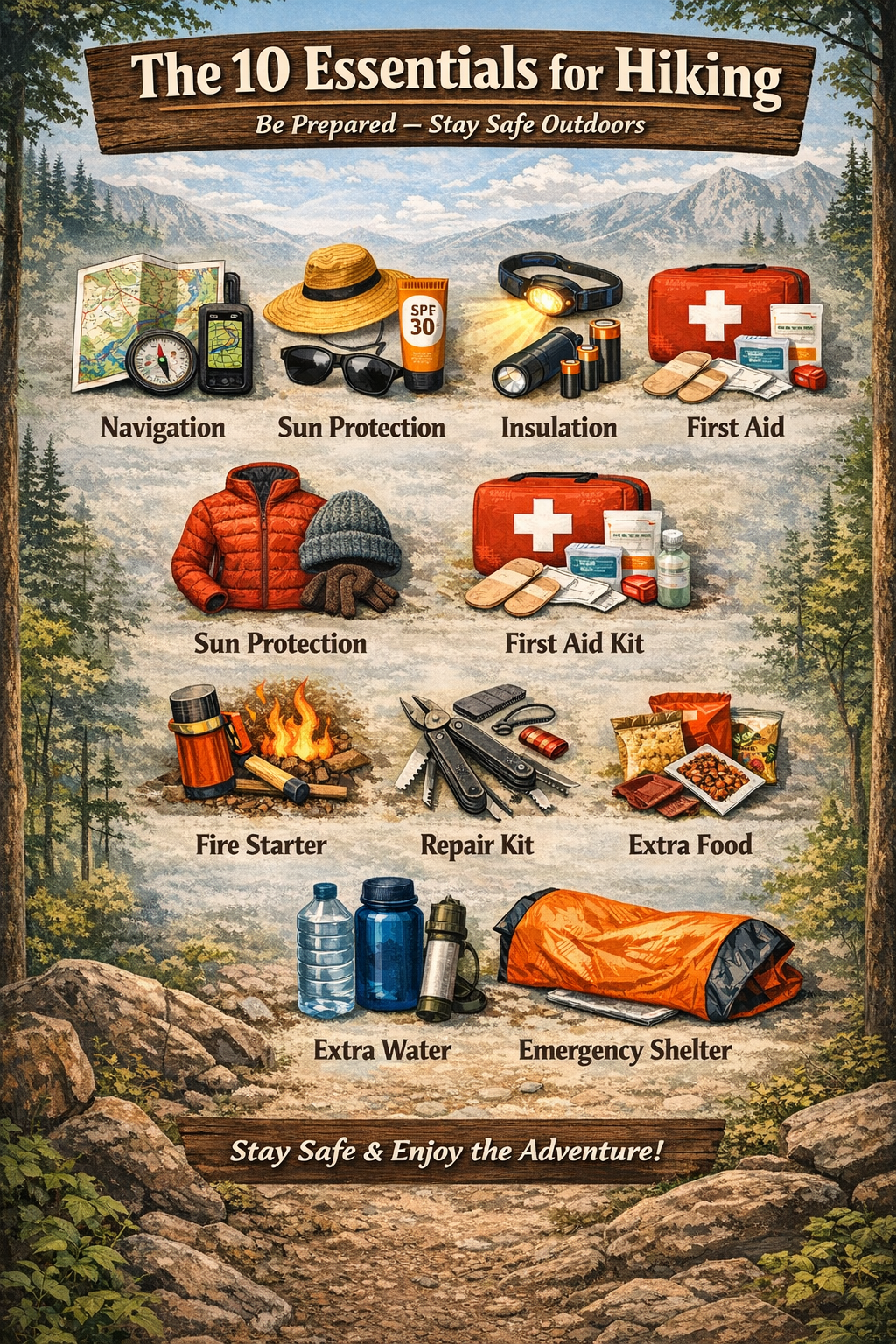
The 10 essentials for hiking are a long standing outdoor safety system designed to help hikers prepare for the most common risks encountered on the trail. They are not reserved for extreme adventures or remote wilderness trips. Even short hikes close to town can turn into stressful or dangerous situations due to weather changes, injuries, navigation errors, or unexpected delays. The 10 essentials exist to give hikers a margin of safety when plans do not go as expected.
At their core, the 10 essentials focus on survival priorities such as staying oriented, regulating body temperature, maintaining energy, and being able to respond to minor emergencies. Carrying them does not mean you expect something to go wrong. It means you understand that nature is unpredictable and preparation allows you to respond calmly instead of reactively.
Below is a detailed breakdown of the 10 essentials for hiking, why each one matters, and how they contribute to a safer outdoor experience.
1. Navigation Tools
Navigation is the foundation of hiking safety. Trails can disappear, signage can be unclear, and terrain can look very different on the return trip. Many hikers rely heavily on their phones, but battery life, signal loss, or device failure can quickly leave you without direction.
Essential navigation tools include a physical map, a compass, and a GPS device or offline maps downloaded to your phone. A paper map and compass do not rely on batteries and provide a reliable backup when technology fails. Knowing how to use them is just as important as carrying them.
Navigation tools help prevent one of the most common hiking emergencies. Getting lost. Even a short wrong turn can lead to hours of wandering, fatigue, or exposure to changing weather conditions.

2. Sun Protection
Sun exposure is often underestimated, especially in cooler weather or shaded environments. Ultraviolet rays can still cause sunburn, dehydration, and heat related illness even when temperatures feel mild.
Sun protection essentials include sunscreen, sunglasses, and a hat or sun protective clothing. In higher elevations or open terrain, sun intensity increases significantly. Snow, rock, and water can also reflect sunlight, increasing exposure.
Proper sun protection helps conserve energy, prevent painful burns, and reduce long term skin damage. It also supports hydration and temperature regulation, both of which are critical for maintaining endurance on longer hikes.
3. Insulation (Extra Clothing)
Insulation is essential because weather conditions rarely stay consistent. A hike that starts warm and comfortable can become cold, windy, or wet within hours. Even in summer, temperature drops at higher elevations or after sunset can be significant.
Insulation essentials may include a fleece layer, a lightweight insulated jacket, extra socks, gloves, or a warm hat depending on conditions. The key is layering rather than relying on a single heavy jacket.
Extra insulation protects against hypothermia, which can occur in surprisingly mild temperatures when wind, moisture, and fatigue combine. Having spare layers allows you to stay warm during rest breaks, emergencies, or unplanned delays.
4. Illumination
Illumination is critical any time there is a chance you may be out longer than planned. Hikes often take more time than expected due to terrain, weather, or fatigue. If daylight fades, visibility drops quickly.
Illumination essentials include a headlamp or flashlight and extra batteries or a backup power source. A headlamp is often preferred because it allows hands free movement, which is especially important on uneven terrain.
Even if you do not plan to hike after dark, carrying a light ensures you can navigate safely if something delays your return. It also allows you to signal for help if needed.

5. First Aid Kit
A basic first aid kit allows you to treat minor injuries before they become serious problems. Cuts, blisters, sprains, and scrapes are common on the trail and can quickly affect mobility if left untreated.
A hiking first aid kit may include bandages, blister treatment, antiseptic wipes, pain relievers, and any personal medications. The goal is not to carry a full medical kit but to be prepared for common injuries.
First aid supplies help reduce infection risk, manage pain, and keep you moving safely until you can return or seek further care.
6. Fire Starter
Fire serves multiple purposes in an emergency. It provides warmth, light, a morale boost, and a way to signal for help. In cold or wet conditions, the ability to start a fire can be life saving.
Fire starter essentials include waterproof matches, a lighter, and fire starter material that works in damp conditions. Even if you do not intend to build a fire, having the ability to do so adds a critical layer of preparedness.
Always follow local fire restrictions and regulations. Fire should only be used responsibly and when conditions allow.
7. Repair Kit and Tools
Gear failures are more common than people expect. Broken straps, torn clothing, or damaged footwear can quickly turn a manageable hike into a serious problem.
A basic repair kit may include a multi tool or knife, duct tape, safety pins, or gear patches. These items take up very little space but can solve a wide range of issues in the field.
Repair tools help extend the usability of your gear and allow you to address small problems before they escalate into larger safety concerns.

8. Extra Food
Extra food provides energy when hikes take longer than expected. Fatigue increases the risk of accidents and poor decision making, especially when calorie intake is insufficient.
Extra food essentials include high calorie, non perishable items such as energy bars, trail mix, or dried foods. These items should be easy to eat and require little preparation.
Packing extra food ensures you maintain strength and focus during delays or emergencies, helping you think clearly and move safely.
9. Extra Water
Water is one of the most critical hiking essentials. Dehydration affects physical performance, mental clarity, and overall safety. Even mild dehydration can increase fatigue and impair judgment.
Water essentials include carrying enough water for your planned hike and bringing a water filter or purification method. Natural water sources are not always safe and should be treated before drinking.
Having extra water allows you to handle unexpected heat, longer routes, or delays without risking dehydration.
10. Emergency Shelter
Emergency shelter protects you from exposure if you are forced to stop due to injury, weather, or exhaustion. Wind, rain, and cold can quickly become dangerous without protection.
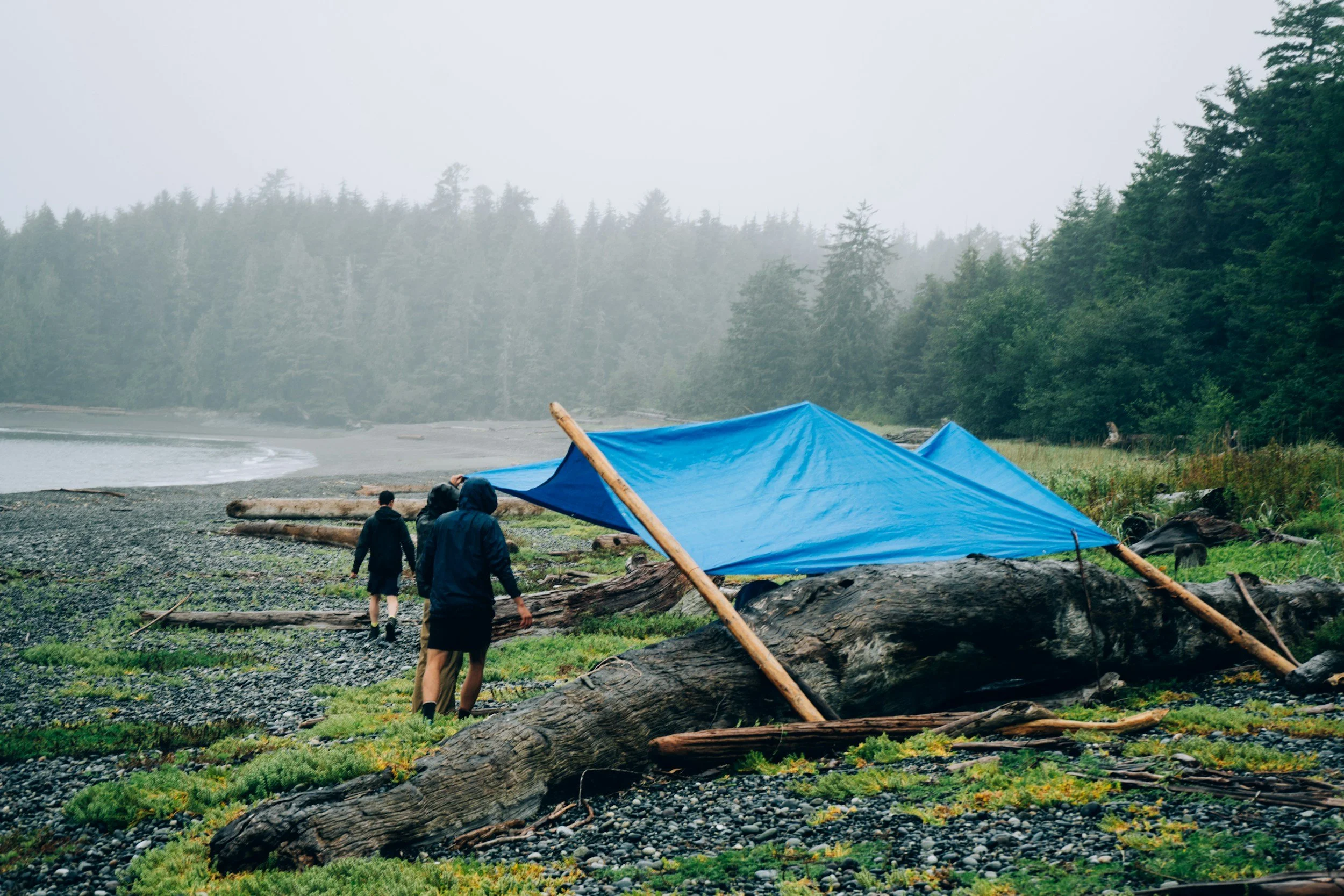
Emergency shelter essentials include a lightweight tarp, emergency bivy, or space blanket. These items are compact and designed specifically for unexpected situations.
Shelter helps retain body heat, block wind, and create a safer environment while you rest, recover, or wait for help.
The 10 essentials for hiking are not about fear or overpacking. They are about managing risk and staying prepared. Most outdoor emergencies start small and become serious due to lack of preparation rather than extreme conditions.
By carrying the 10 essentials, hikers give themselves time and options. Time to rest, time to think, and time to make safer decisions.
Yes, but the form they take can vary. A phone with offline maps may supplement navigation, a lightweight shell may count as insulation in warm weather, and compact emergency gear may replace bulkier items.
What matters is not skipping categories. Each essential addresses a specific risk that can occur on any hike, regardless of distance or difficulty.
Final Thoughts
Understanding what the 10 essentials for hiking are is one of the most important steps toward outdoor safety. These items help you prepare for the unexpected, protect your health, and enjoy the outdoors with confidence.
Whether you are hiking public trails, exploring remote areas, or spending time on your own land, the 10 essentials provide a simple framework for responsible outdoor preparation.