
Buck Horn Mesa vs Conejo Hills: Which One Fits Your Lifestyle Best?
When buyers start exploring rural land in Duchesne County, two areas consistently stand out: Buck Horn Mesa and Conejo Hills. Both offer acreage, privacy, and access to Utah’s high-desert landscape, but they appeal to different lifestyles and long-term goals. Choosing between them often comes down to how you plan to use the land, what kind of scenery you prefer, and how much flexibility you want for building or recreation.
This comparison breaks down the key differences, similarities, and ideal use cases for each subdivision so you can decide which one truly fits your lifestyle.
Overview of Buck Horn Mesa
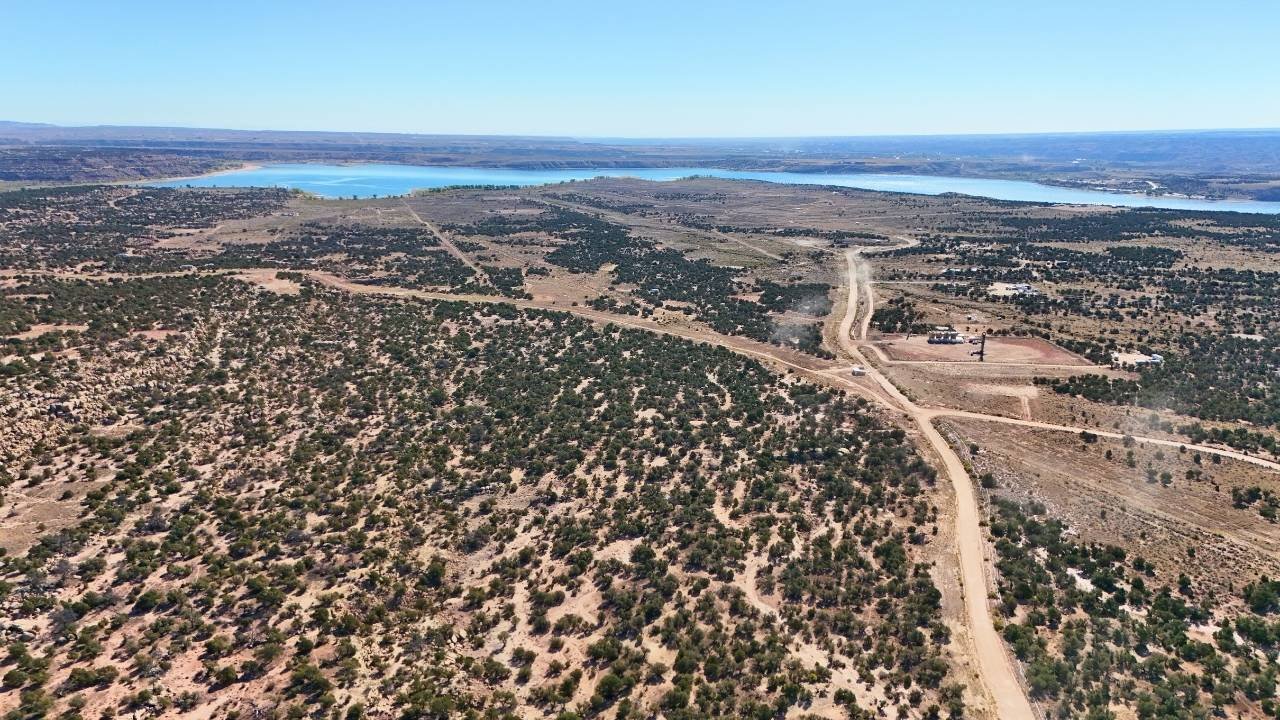
Buck Horn Mesa is known for its elevated terrain, sandstone features, and layered views stretching across mesas and toward Starvation Reservoir. Parcels in this area tend to have more natural variation, including gentle slopes, rock outcroppings, and pockets of buildable ground that feel tucked into the landscape rather than wide open.
Many buyers are drawn to Buck Horn Mesa for the sense of seclusion it offers. Lots often feel more private due to elevation changes and natural features that break up sightlines. The area appeals to buyers who want land that feels scenic and rugged while still being usable for cabins, RV pads, or long-term builds.
Buck Horn Mesa is commonly chosen by buyers planning future construction, off-grid cabins, or recreational use with a strong emphasis on views and character.

Overview of Conejo Hills
Conejo Hills offers a different type of rural experience. This area is known for wide, open parcels with flatter terrain and long horizon views. Many lots are easier to build on immediately due to minimal elevation change and open ground, making Conejo Hills especially appealing for buyers focused on practicality and usability.
Because of its layout, Conejo Hills works well for buyers interested in homesteading, animals, gardens, RV living, or simple cabin builds without extensive site work. The land feels spacious and accessible, with plenty of room to spread out and plan improvements over time.
Conejo Hills is often chosen by buyers who prioritize flexibility, affordability, and straightforward land use over dramatic terrain.

Key Differences at a Glance
Terrain and Layout
Buck Horn Mesa tends to feature rolling ground, elevation changes, and sandstone formations that create visual interest and privacy. Buildable areas are often positioned to take advantage of views, which can require more planning but reward buyers with unique settings.
Conejo Hills is typically flatter and more open, offering easier access for vehicles, animals, and building equipment. This layout is ideal for buyers who want simple layouts and fewer obstacles when developing the land.
Views and Scenery
Views are one of the biggest deciding factors between these two areas.
Buck Horn Mesa offers elevated viewpoints, layered mesas, canyon-like features, and distant sightlines toward Starvation Reservoir. The scenery feels dramatic and varied, with changing perspectives depending on where you stand on the property.
Conejo Hills provides wide-sky views and open horizons. While less elevated, the scenery feels expansive and peaceful, with uninterrupted sightlines across open land and surrounding hills.
Access and Feel
Both subdivisions are accessible from county and dirt roads, but the overall feel differs.
Buck Horn Mesa often feels more tucked away due to terrain and elevation, even when access is straightforward. Properties may feel more secluded once you’re on the land.
Conejo Hills tends to feel more open and approachable, with easier navigation across parcels and fewer natural barriers.
Key Similarities Between Buck Horn Mesa and Conejo Hills
Despite their differences, these areas share several important traits that make both attractive for rural buyers.
Buildable Land
Across both subdivisions, most parcels include usable ground suitable for cabins, full-time homes, garages, or RV pads. While Buck Horn Mesa often requires more thoughtful placement due to terrain, Conejo Hills usually offers immediate buildability with minimal site prep.
RV-Friendly Use
Both areas are commonly used for recreational purposes, including camping and RV use. Buyers often start with weekend trips or seasonal use before committing to long-term improvements. County rules still apply, but both areas are well-suited for gradual land use.
Water Rights and Utility Options
Many parcels in both subdivisions offer water rights or the ability to drill a well, subject to county and state verification. Power availability varies by lot, with some properties having nearby access and others better suited for solar or off-grid systems. This flexibility appeals to buyers planning off-grid living or phased development.

What’s Better for You?
Choosing between Buck Horn Mesa and Conejo Hills depends on how you plan to use the land and what kind of environment you want to live in or escape to.
Choose Buck Horn Mesa if:
You value elevated views and dramatic scenery
You want land with natural character and privacy
You’re planning a cabin or future build with scenic placement
You enjoy varied terrain and unique landscapes
Choose Conejo Hills if:
You want flatter, easier-to-use land
You plan to homestead, garden, or raise animals
You prefer open layouts and simple access
You want flexibility at a more accessible price point

Frequently Asked Questions
Can I build on land in both areas?
Yes. Both Buck Horn Mesa and Conejo Hills generally allow building, subject to county zoning, setbacks, and permit requirements. Always verify specifics with Duchesne County.
Are both areas good for off-grid living?
Yes. Many buyers in both subdivisions choose solar power, hauled water, or private wells. These areas are well-suited for off-grid or partially off-grid setups.
Which area is better for long-term investment?
Both offer long-term potential. Buck Horn Mesa often appeals to buyers seeking scenic value, while Conejo Hills attracts buyers focused on usability and affordability. Investment potential depends on location, access, and improvements.
Final Thoughts
Buck Horn Mesa and Conejo Hills each offer a distinct rural lifestyle, even though they’re located in the same general region. One emphasizes elevation, views, and natural character. The other focuses on open space, usability, and flexibility.
Neither is better overall. The right choice depends on your goals, timeline, and how you envision using your land. Understanding these differences helps you choose a property that fits not just your budget, but your long-term lifestyle.