
What Kind of Roads Lead to Rural Utah Properties
When buying rural land in Utah, one of the most important details is also one of the easiest to overlook: road access. Roads affect everything from how often you can visit your property to whether you can build, live there full time, or comfortably use it year-round. In rural areas, roads are not uniform, and the type of road leading to a property can significantly shape your experience as a landowner.
Understanding road types ahead of time helps buyers avoid surprises and choose land that truly fits their plans, whether that means building a home, parking an RV, or holding land long-term as an investment.
Why Road Access Is a Big Deal in Rural Utah
In cities, road access is almost a given. In rural Utah, access varies widely depending on location, terrain, and county maintenance. Some properties sit directly on paved highways, while others are reached by miles of dirt or two-track roads.
Road access affects daily convenience, emergency response times, vehicle wear, and even financing or insurance options. It also impacts resale value. A property with reliable, year-round access appeals to a wider range of buyers, while more remote access may limit use to seasonal or recreational purposes.
Paved Roads: The Most Reliable Option
Paved roads offer the highest level of convenience and reliability for rural properties. These roads are typically maintained by the county or state and are designed for year-round use. Snow removal, grading, and repairs are usually handled by the local government.
Properties with paved road frontage are easier to reach in all weather conditions, including winter storms or spring runoff. This makes them especially attractive for full-time residences, frequent travel, or buyers who want minimal maintenance responsibilities. Paved access also simplifies deliveries, emergency services, and construction logistics when building a home or cabin.

Gravel Roads: A Common Middle Ground
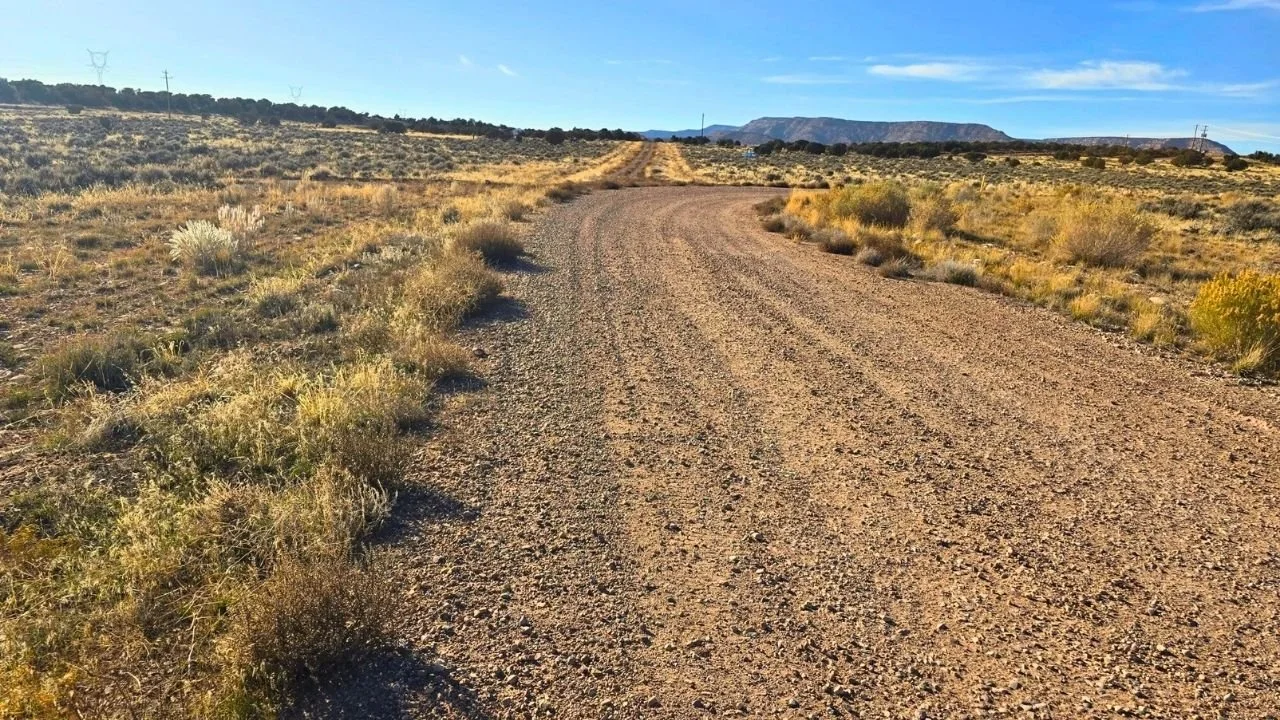
Gravel roads are extremely common in rural Utah and can offer a good balance between accessibility and affordability. These roads are often county-maintained but may not receive the same level of upkeep as paved roads.
Well-maintained gravel roads are usually passable year-round and can handle regular traffic, including trucks and trailers. However, conditions can change after heavy rain, snow, or freeze-thaw cycles. Dust, washboarding, and occasional potholes are part of life on gravel roads, but many buyers find these manageable trade-offs for rural living.
Gravel road access is generally suitable for homes, cabins, RV use, and recreational properties, especially when paired with proper vehicle selection.
Dirt Roads and Two-Track Roads
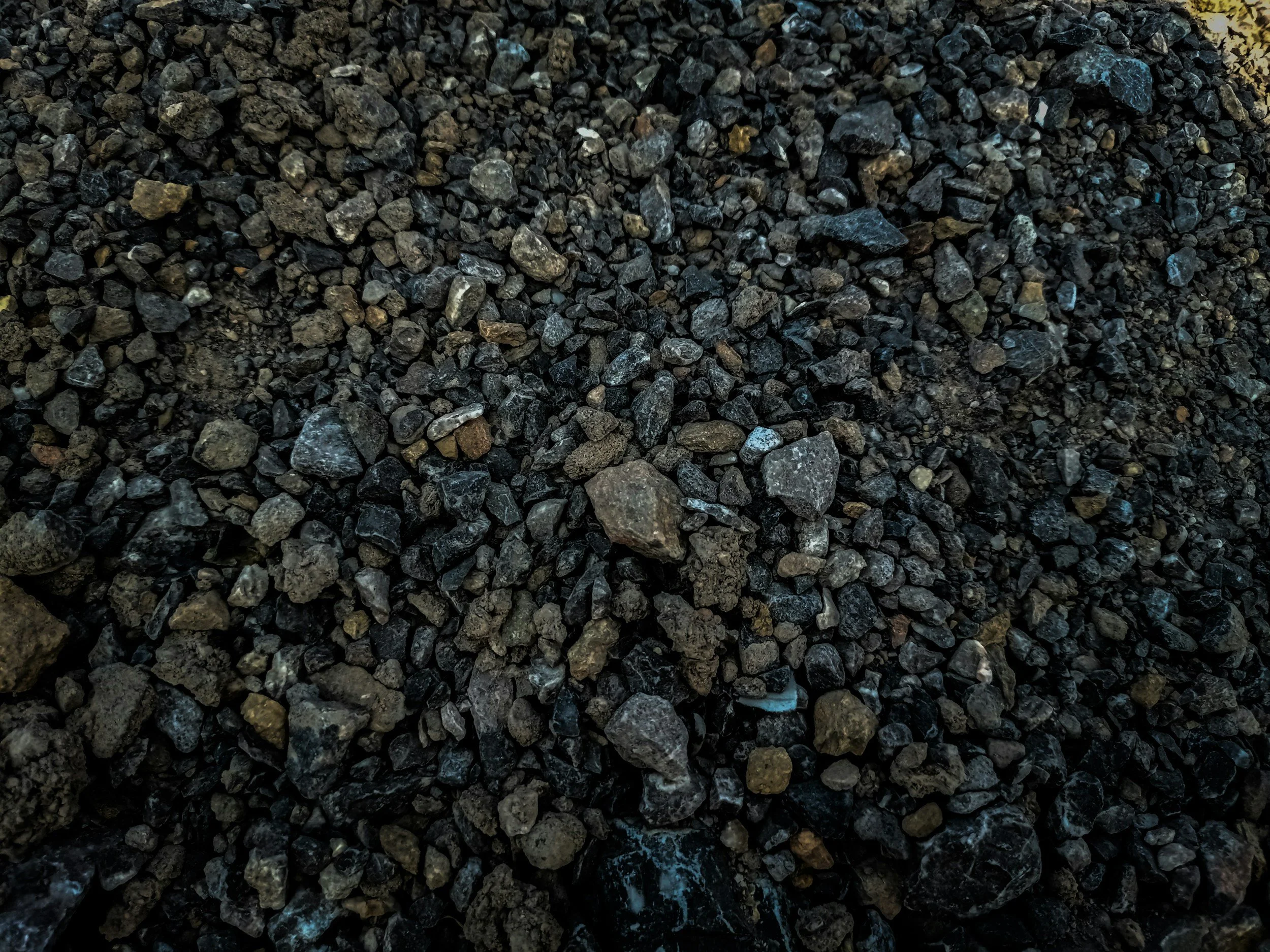
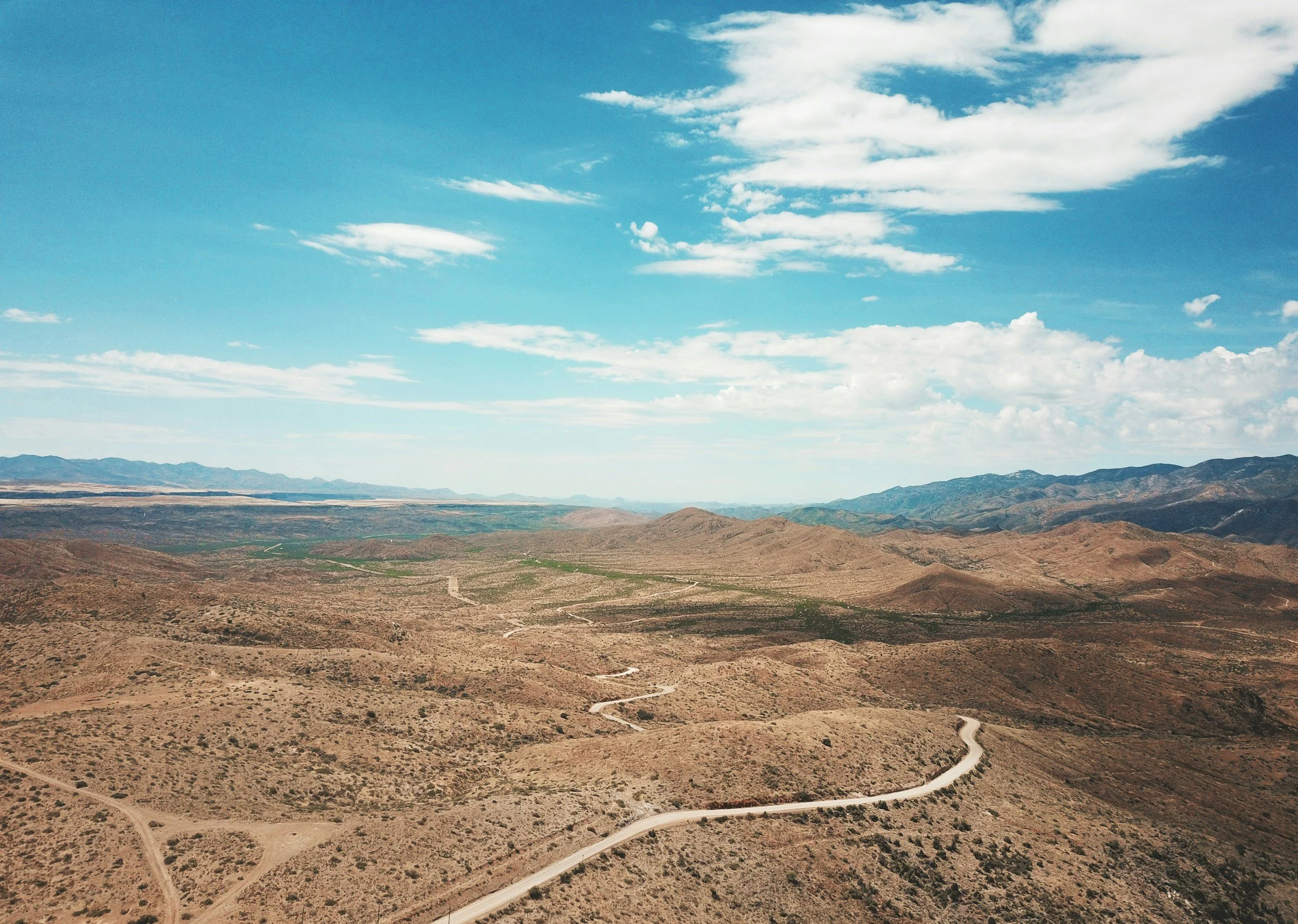
Dirt roads and two-track trails are common in more remote parts of Utah. These roads may be county-designated, privately maintained, or simply established through long-term use. Their condition depends heavily on soil type, drainage, and weather patterns.
After rain or snowmelt, dirt roads can become muddy, rutted, or temporarily impassable, particularly in areas with clay-heavy soil. During dry seasons, they may be firm and easy to travel. Because of this variability, many properties with dirt-road access are best suited for seasonal use or buyers who are comfortable with limited access during certain times of year.
Four-wheel drive is often recommended for properties reached by dirt or two-track roads, especially in winter or wet conditions.
County Roads vs Private Roads
Not all roads are maintained the same way, even if they look similar. County roads are part of the public road system and typically receive some level of maintenance. They also usually have official names, which helps with addressing, emergency response, and mapping.
Private roads, on the other hand, are maintained by landowners. Maintenance responsibilities may be shared through informal agreements or recorded easements. While private roads offer privacy and lower traffic, they require cooperation among neighbors and personal investment in upkeep.
Understanding whether a road is public or private helps buyers plan for long-term maintenance costs and access reliability.
Year-Round Access vs Seasonal Access
One of the most important distinctions in rural Utah is whether a road provides year-round access or seasonal access. Some roads are fully accessible in summer but become difficult or impossible to use during winter months.
Seasonal access does not mean a property is unusable, but it does require planning. Buyers using land for camping, hunting, or summer recreation may find seasonal access perfectly acceptable. Full-time residents, however, typically prioritize roads that remain passable throughout the year.
Knowing this distinction helps align expectations with real-world conditions.
How Road Access Affects Building and Utilities
Road access plays a major role in construction. Bringing in building materials, heavy equipment, septic installers, or utility crews is much easier on reliable roads. Some counties also consider road access when issuing building permits or approving certain improvements.
Even for off-grid setups, access matters. Solar installers, water hauling, and supply runs all depend on roads that can handle regular traffic.
Questions to Ask Before Buying Rural Land
Before purchasing rural land in Utah, buyers should ask:
What type of road leads to the property?
Is the road publicly or privately maintained?
Is access year-round or seasonal?
Is four-wheel drive recommended?
How far is the property from paved roads?
These answers help determine whether the land fits your intended use and lifestyle.
Final Thoughts
Roads are more than a path to your property. They influence how you live on the land, how often you visit, and how easily you can build or improve it. In rural Utah, understanding road access is essential for making a confident, informed purchase.
Whether you prefer the convenience of paved access or the seclusion of a remote dirt road, knowing what to expect helps you choose land that truly works for your goals, both now and in the future.