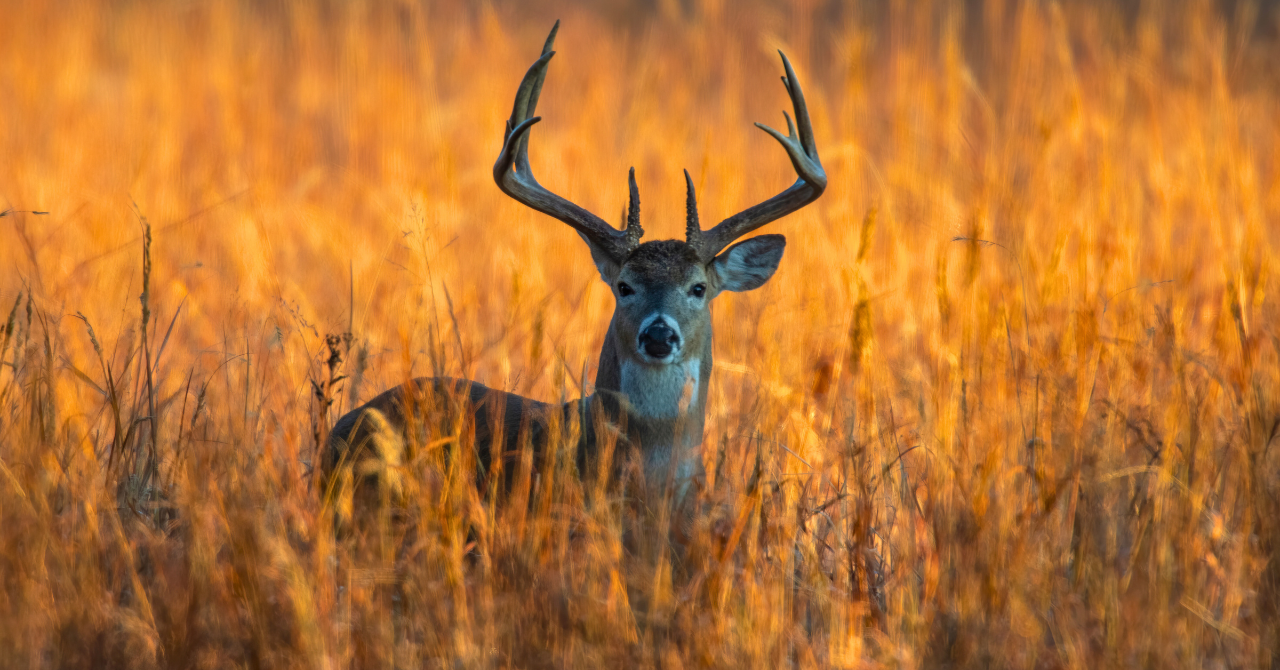
Small farms for sale give buyers a way to own workable acreage without taking on a large operation. These properties are often used for livestock, gardens, small agriculture, or long-term land ownership goals. Whether you want to build over time or start using the land right away, small farm land offers flexibility based on location, zoning, and access.
Small Farms For Sale
Explore Small Farms For Sale

Lot Area: 5 Acres
This 5-acre property offers a fantastic opportunity with a partially finished cabin, providing a solid foundation for anyone eager to complete their off-the-grid retreat. Nestled in a peaceful, natural setting, this land strikes the perfect balance between rustic charm and the beginnings of comfortable living. Surrounded by breathtaking landscapes, it’s an ideal location for those seeking a secluded lifestyle with plenty of space to expand.
With ample room for growth, this property allows you to personalize the cabin and design your perfect getaway, whether for summer vacations or a more permanent off-grid residence. The tranquil surroundings offer the perfect environment for those who want to enjoy the peace and beauty of nature. It’s the ideal spot to escape the hustle and bustle of everyday life and create a private oasis where you can relax, unwind, and make lasting memories with family and friends.
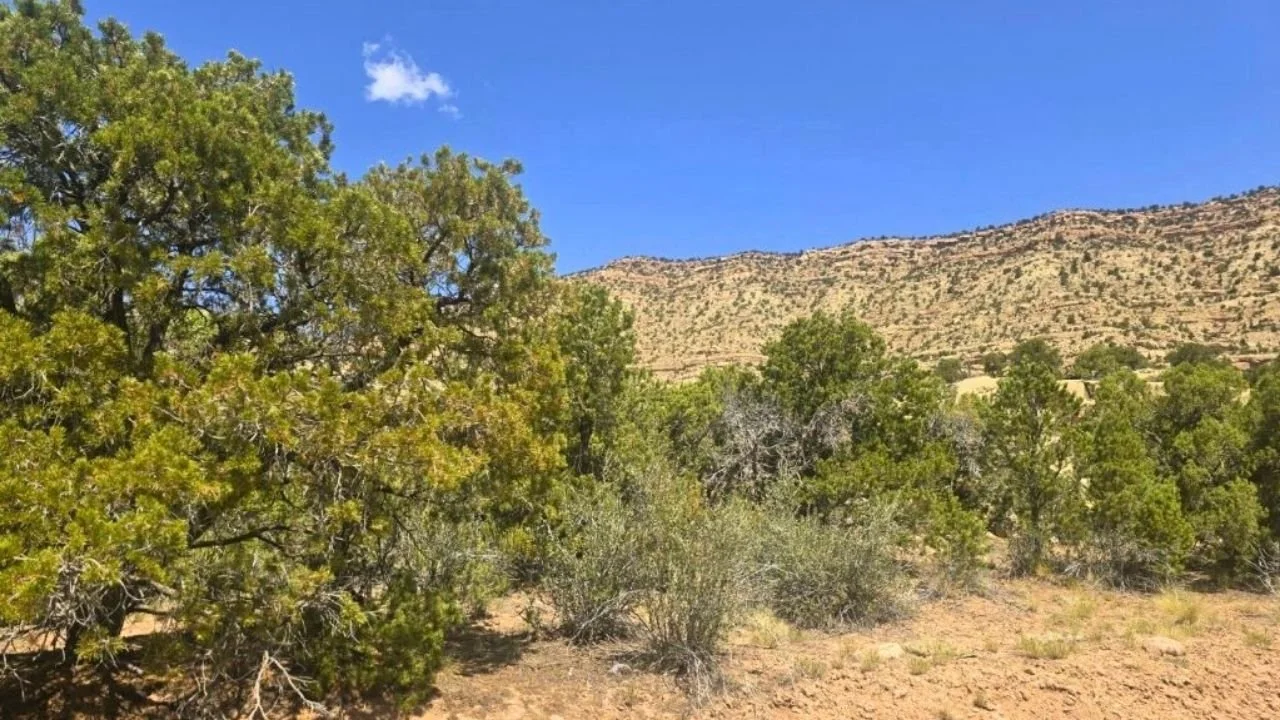
Parcel 3402-0006 offers 5 beautiful acres for $69,900 and comes fully equipped with the essentials to help you get started right away. This property includes water rights, A5 zoning, and a cleared pad—perfect for parking your RV, setting up camp, or starting the foundation for a future cabin or getaway retreat.
The land is dotted with juniper trees, which add natural beauty, shade, and privacy, while the open terrain gives you plenty of usable space for projects and recreation. You won’t have to spend time preparing the land, which makes it ideal for buyers who want to enjoy their property from day one.
Located near Starvation Reservoir, this parcel gives you easy access to some of Utah’s best outdoor recreation. You can enjoy boating, fishing, and year-round adventure just minutes from your land. Whether you’re looking for a weekend escape, a seasonal basecamp, or a smart long-term investment, Parcel 3402-0006 checks all the boxes for flexibility, convenience, and natural beauty.
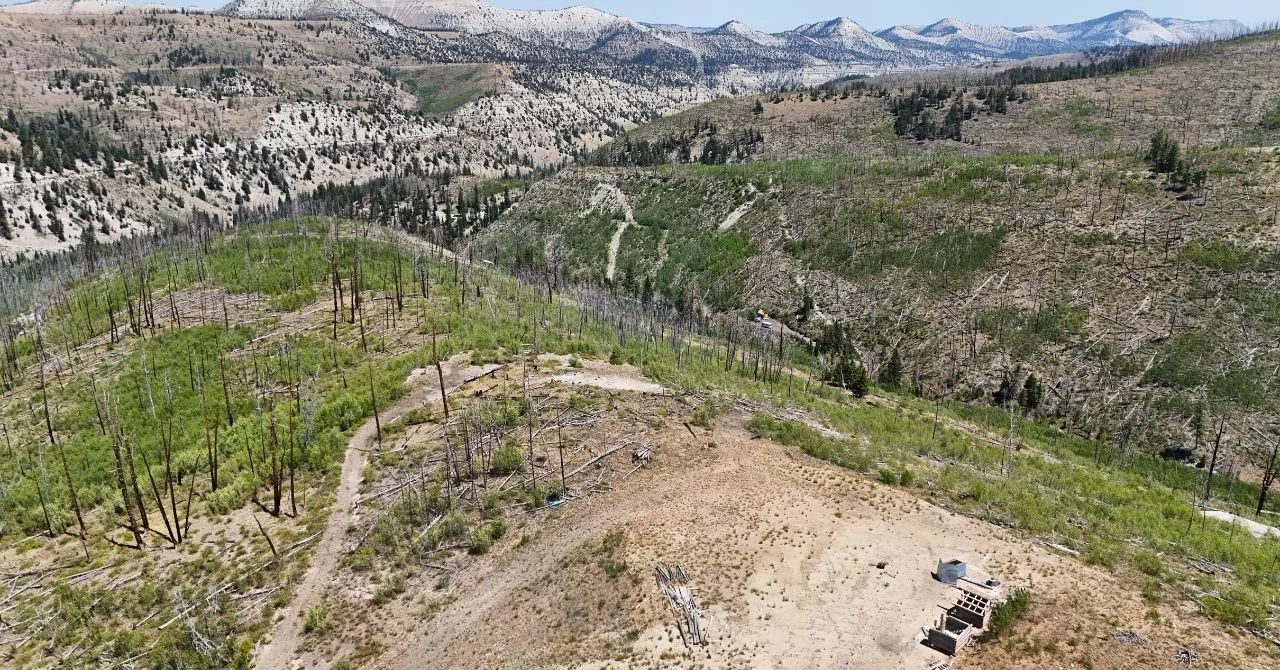
4941-1-2 in Argyle Canyon is a high-elevation retreat perfect for those seeking seasonal access, privacy, and mountain scenery. The land features open meadows, scattered aspens, and visible signs of natural fire recovery—offering a raw, renewing landscape. With a small metal shed and stacked logs already on site, it’s an ideal base for a rustic campsite or future off-grid cabin.
El lote 4941-1-2 en Argyle Canyon es un refugio de alta elevación con acceso estacional, perfecto para quienes buscan privacidad, aire fresco de montaña y vistas panorámicas. El terreno cuenta con praderas abiertas, álamos dispersos y señales de regeneración tras incendios pasados—un paisaje natural con carácter. Incluye una pequeña caseta metálica y troncos apilados, ideal para un campamento rústico o futura cabaña fuera de la red.
Property Features | Características de la Propiedad
High-Elevation Setting
Breathtaking views and crisp mountain air
Ubicación elevada con vistas impresionantes y aire frescoAspens & Open Terrain
Mix of tree cover and buildable clearings
Combinación de álamos y terreno abierto para construirFire Recovery Landscape
Evidence of past wildfire with natural regrowth underway
Área con señales de incendios pasados y regeneración naturalSmall Shed & Stacked Logs Included
Rustic storage and a head start for outdoor projects
Incluye caseta metálica pequeña y troncos apiladosSeasonal Access
Best accessed during spring, summer, and early fall
Acceso estacional disponible en primavera, verano y otoñoGreat for Stargazing & Solitude
No light pollution—perfect for off-grid quiet living
Cero contaminación lumínica—ideal para desconectarse y observar estrellas
Build, Camp, or Just Breathe | Construye, Acampa o Respira Tranquilo
Whether you're planning a seasonal escape, an off-grid build, or a rustic retreat, this property in Argyle Canyon offers room to explore and space to recharge.
Ya sea que busques una escapada de temporada, construir fuera de la red o disfrutar de la tranquilidad, este lote en Argyle Canyon te brinda espacio y libertad para desconectarte.

Lot Area: 5 Acres
Listed at $69,900
5-acre seasonal mountain property with stunning views of Fruitland
Flat pad ready for camping or building a summer cabin
Ideal for relaxing under the stars, hosting family and friends, or creating a private retreat
Remote, peaceful location for true off-grid living
Accessible seasonally during warmer months
Great for hiking, fishing, and stargazing
A perfect canvas for a getaway, retreat, or long-term memory-making
Área del Lote: 5 Acres
Precio: $69,900
Propiedad de montaña estacional de 5 acres con vistas impresionantes de Fruitland
Superficie plana ideal para acampar o construir una cabaña de verano
Perfecto para relajarse bajo las estrellas, convivir con familia y amigos o crear un refugio privado
Ubicación remota y tranquila para una experiencia fuera de la red
Acceso estacional durante los meses cálidos
Ideal para actividades al aire libre como senderismo, pesca y observación de estrellas
Un lienzo perfecto para escapadas, retiros o crear recuerdos duraderos

This is a performing real estate note secured by land in Duchesne County, Utah. The borrower began payments in July 2024 and has an established payment history. This note includes our Recourse Agreement. if the borrower defaults, we will replace your note with another performing note of equal value.
The note is fully serviced by our in-house loan servicing team, with monthly ACH payments sent directly to your bank account or a mailed check if preferred.
Note Details:
Loan Amount: $237,500.00
Interest Rate: 9.00%
Term Length: 180 months (15 years)
Monthly Payment to Investor: $2,136.85
Remaining Balance (P&I): $231,883.81
Payment Method: ACH or Mailed Check
Servicing Fee: $15/month
Servicing Provider: In-house (Mountains West Ranches, 5-person team)
Online Access: Yes (via MyNote system)
Date Sold: 07/20/2024
Maturity Date: 08/15/2039
What Sets Us Apart:
35+ years of experience in land and note sales
Recourse Guarantee — we replace any defaulted note
Dedicated in-house loan servicing team
Secure investor portal for full transparency
Title-insured, seamless closing process
What to Look For When Buying a Small Farm
-
![Buck Horn Mesa Area near Starvation Reservoir in Duchesne, Utah]()
Zoning and Allowed Use
Zoning determines what you can do with the land. Many small farm properties fall under agricultural or rural zoning, which can allow farming, animals, storage, and in some cases future building. Rules vary by county, so it is important to confirm permitted uses before purchasing.
-
![One of our past properties being built on in Duchesne, Utah]()
Water Access and Irrigation Options
Water is one of the most important factors for farm land. Some properties include water rights, irrigation shares, or access to a well. Others require hauling water or developing a new water source. Always verify what is included and what may be required to support your plan.
-
![Trailer in Duchesne property for sale]()
Road Access and Year-Round Entry
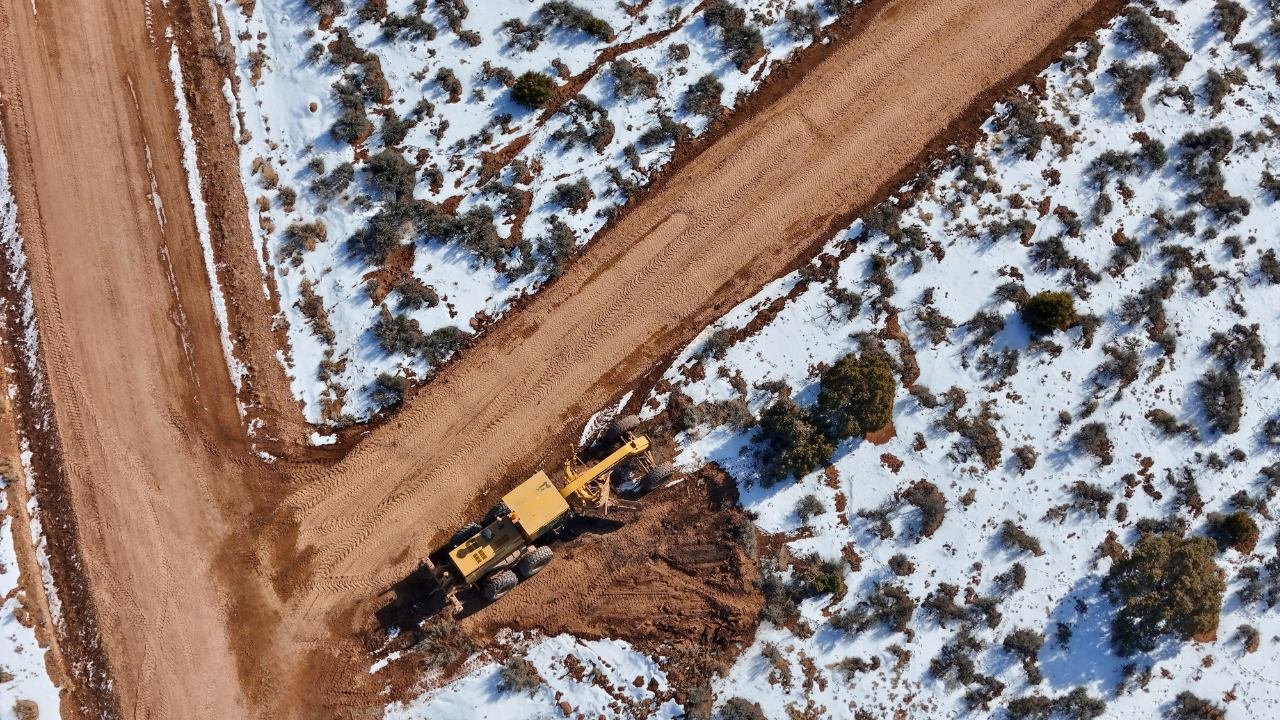
Access affects daily use and long-term value. Some parcels have maintained county roads while others rely on dirt roads that change with snow, mud, and seasonal runoff. Visiting the property helps you understand road conditions, distance to services, and what access looks like throughout the year.
-
![Property we do easy financing]()
Utilities and Off-Grid Readiness
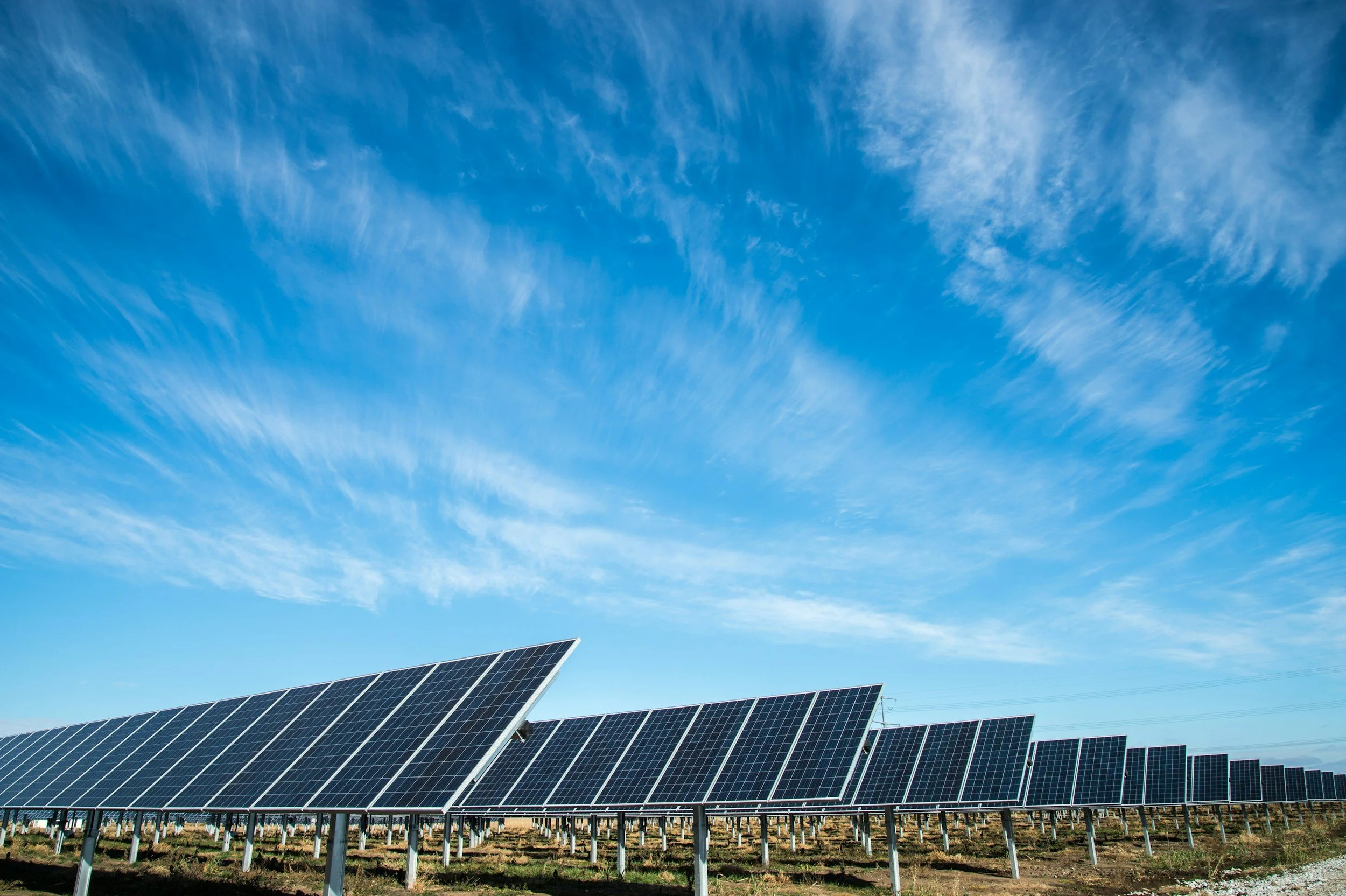
Small farms vary from fully serviced to off-grid. Some have power nearby, while others require solar or generators. If you plan to build or spend extended time on the property, it helps to understand utility distance, costs, and realistic options for the site.

Small Farm Property Types
Ready to Use Properties
These small farms may have easier access, nearby utilities, and terrain that works well for immediate use. Buyers often choose these when they want to start fencing, bringing animals, or setting up storage quickly.
Off-Grid and Recreational Farms
Some small farms are used seasonally, part time, or for mixed recreation and agriculture. These can work well for weekend use, small animal keeping, or gradual development while keeping costs lower than fully improved land.
Build Over Time Properties
Many buyers purchase small farms with a long-term timeline. This approach allows owners to secure land now and add improvements later such as access upgrades, fencing, a well, power, or a home site.
Investment Focused Properties
Some buyers prioritize location, zoning, and long-term value over immediate use. These properties may be held as a long-term asset, improved slowly, or kept for future family plans.

FAQs About Small Farms for Sale
How many acres are considered a small farm?
Small farms can range from a few acres to several dozen acres. The right size depends on your goals, zoning, and how you plan to use the land.
Can you have animals on small farm land?
Often yes, but it depends on zoning and county rules. Some areas allow a range of livestock while others limit animal types or require setbacks and fencing standards.
Do small farms come with water rights?
Some do, some do not. Water rights, irrigation shares, wells, and water hauling options vary by property. Always confirm what is included before buying.
Can you build a home on a small farm?
In many areas, rural or agricultural land can allow residential building, but requirements vary. Confirm building rules, permits, and utility options with the county.

How to Choose the Right Farm in Duchesne
Choosing the right farm in Duchesne County starts with understanding how the land will realistically support your plans. Not all farm properties offer the same access, water availability, or zoning flexibility, so it is important to look beyond acreage alone. Visiting the property and reviewing county guidelines can help buyers avoid surprises and choose land that fits both short-term use and long-term goals.
Key factors to evaluate include:
Zoning and permitted agricultural uses
Water access, wells, or irrigation availability
Road access and year-round usability
Terrain, soil quality, and usable acreage
Proximity to utilities or off-grid feasibility
Distance to services, supplies, and nearby towns
5 to 10 Acre Farms in Duchesne
Talk to our team!
How far are our farmland parcels from…
-
Fruitland is approximately 5.5 to 6.5 hours from northern Arizona. Flagstaff and Page are within driving distance, making it a good option for Arizona residents looking for cooler summers and affordable rural land
-
The Nevada border is roughly 4.5 to 5.5 hours away from Fruitland, depending on the route. Elko and other eastern Nevada towns are within a day’s drive, while Las Vegas is about 7 hours away.
-
Colorado is one of the closest neighboring states, just 2 to 3 hours from Fruitland to the western Colorado border. Grand Junction is the nearest major city across the state line.
-
Fruitland is around 9 to 11 hours from the California border. Driving from cities like Sacramento or San Bernardino will take a full day, but you’ll trade traffic and high prices for peace and wide-open space.
-
Idaho is about 4 to 5 hours away via I-15 north. Southern Idaho towns like Pocatello and Idaho Falls are an easy weekend trip away from your Utah property.
Wild Life On Farmland Properties
Farmland properties often support a wide range of wildlife due to open space, natural vegetation, and nearby water sources. Depending on the location, owners may see deer, elk, birds of prey, small mammals, and seasonal migratory species. Wildlife presence can affect fencing, crop planning, and animal management, so it is important to consider how land use and natural habitats interact. Many buyers value farmland not only for agricultural use, but also for the opportunity to coexist with local wildlife and maintain the natural character of the land.