
Which Cities Have Great Outdoor Living Homes
Outdoor living has become a major priority for buyers who want more than just square footage inside their homes. People are paying closer attention to how often they can step outside, use their yard, access trails, or spend time in nature without needing to plan a full trip. In many cases, outdoor living spaces are no longer considered extras. They are central to how people relax, socialize, and maintain daily routines.
Certain cities stand out because outdoor living is built into everyday life. Climate, geography, home design, and local culture all influence how much people actually use outdoor spaces. In these places, patios, decks, gardens, and nearby parks are not seasonal features. They are extensions of the home itself.
What Makes a City Ideal for Outdoor Living
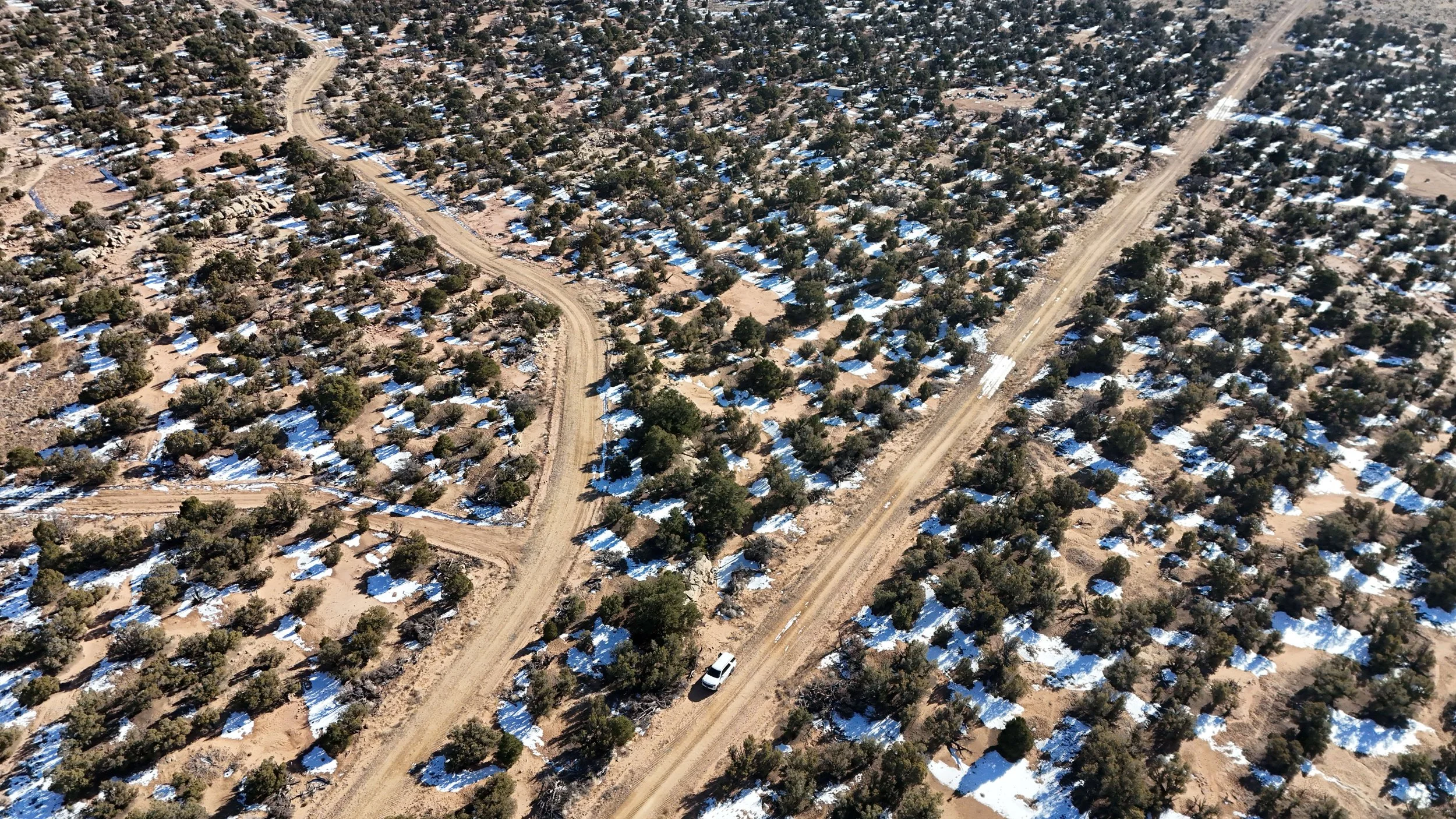
Outdoor living works best in cities where the environment and community support time spent outside. This goes beyond having a backyard. It includes how neighborhoods are designed, how close nature is, and whether outdoor time fits naturally into daily schedules.
Cities that support strong outdoor living often share several traits:
Moderate or predictable seasonal weather
Easy access to parks, trails, water, or open space
Homes designed with usable outdoor areas
A culture that values time outside, not just convenience
When these factors come together, outdoor living becomes sustainable rather than aspirational.
Boulder, Colorado
Boulder is one of the most well known cities for outdoor living because nature is unavoidable there. The city sits directly against the foothills of the Rocky Mountains, and many neighborhoods are built with views, trail access, and outdoor recreation in mind. Homes often feature decks, patios, and yards designed for gathering, relaxing, and enjoying the scenery.
Outdoor routines in Boulder are part of daily life. Morning walks, evening hikes, backyard dinners, and weekend trail use are common. The city invests heavily in open space preservation, which means residents rarely feel separated from nature, even while living in a developed area.
Asheville, North Carolina
Asheville offers a slower pace paired with deep access to forests, mountains, and waterways. Outdoor living here often centers around decks, porches, and shaded yards that take advantage of cooler mountain air. Many homes are built to blend with the landscape rather than dominate it.
Residents often spend time outdoors through gardening, hiking, biking, and community gatherings. Outdoor living in Asheville feels grounded and intentional, shaped by both the natural environment and a strong local culture that values creativity and connection.
Salt Lake City, Utah
Salt Lake City stands out as a city where outdoor access and urban living coexist. Mountains, reservoirs, and trail systems are minutes away from residential neighborhoods. This proximity shapes how homes are designed and how people use their outdoor spaces.
Many homeowners use patios, yards, and nearby parks for daily outdoor time rather than occasional trips. Seasonal changes encourage different activities throughout the year, keeping outdoor living active and varied. The balance between city infrastructure and nature access makes Salt Lake City a strong example of outdoor living within an urban framework.
Duchesne, Utah and the Role of True Outdoor Living
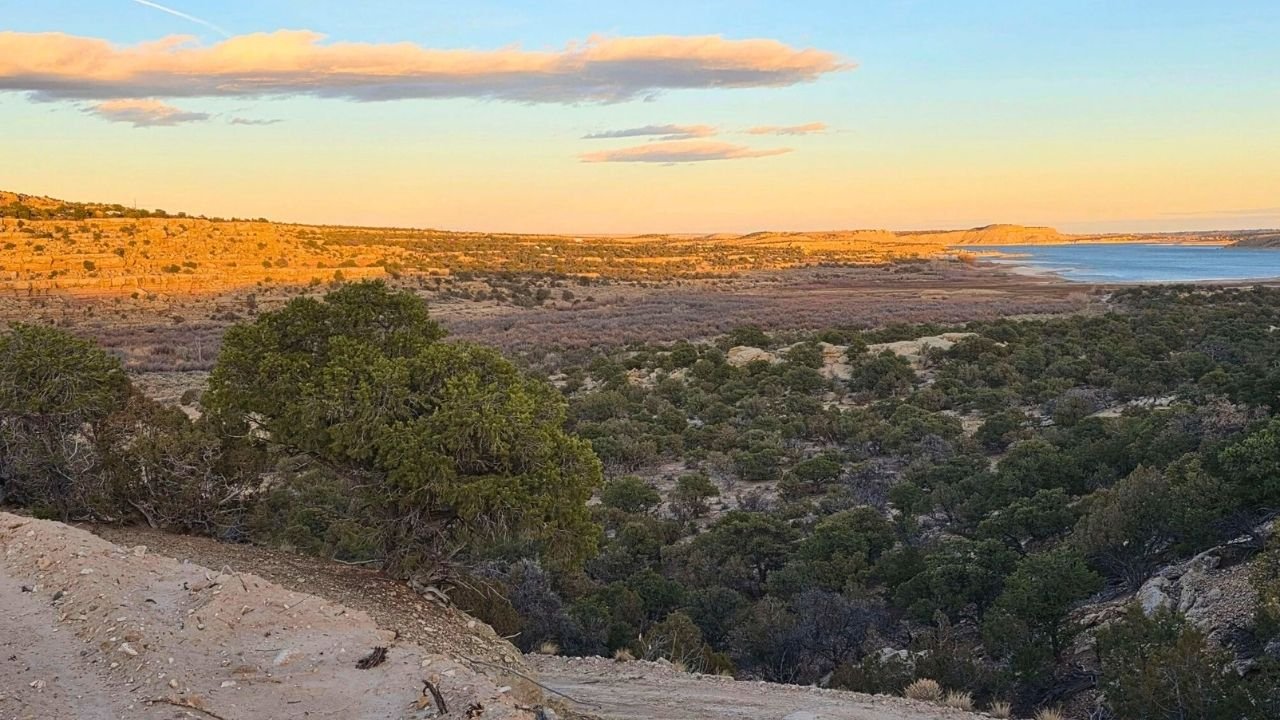
While many lists focus on larger cities, outdoor living often reaches its fullest expression in smaller communities. Duchesne, Utah is a clear example of this. Located near mountains, reservoirs, and wide open spaces, Duchesne offers an outdoor lifestyle that goes beyond patios and parks.
Homes in and around Duchesne are closely tied to the outdoors. Yards are used for gathering, projects, and recreation. Access to hunting, fishing, camping, and open land shapes daily routines rather than serving as an occasional escape. Outdoor living here is not curated. It is practical, functional, and deeply integrated into everyday life.
This is one reason buyers working with Mountains West Ranches are often drawn to the Duchesne area. The outdoor lifestyle extends beyond city limits and into how people live, plan, and invest long term. Outdoor living in Duchesne is not defined by trends. It is defined by access, space, and use.
Austin, Texas
Austin’s outdoor living culture is driven by climate and community. Warm weather supports year round outdoor use, and homes often include large patios, pools, and entertainment spaces. Outdoor kitchens and gathering areas are common features rather than luxury upgrades.
Beyond private homes, Austin’s public outdoor spaces play a major role. Trails, lakes, and parks encourage residents to spend time outside daily. Music, food, and social events often take place outdoors, reinforcing a lifestyle where indoor and outdoor living blend together.
Portland, Oregon
Portland’s outdoor living culture focuses on connection rather than spectacle. Gardens, neighborhood parks, greenways, and river access shape how residents interact with their environment. Homes often prioritize functional outdoor spaces that support gardening, quiet time, and neighborhood interaction.
Outdoor living here is less about weather perfection and more about consistency. Even with seasonal rain, residents continue to use outdoor spaces because they are integrated into daily routines and supported by thoughtful urban planning.
How Outdoor Living Shapes Daily Life
Cities with strong outdoor living options tend to influence behavior in meaningful ways. People structure their days differently when outdoor time is accessible. Morning routines, family time, exercise, and social gatherings often happen outside instead of being confined indoors.
Outdoor living can impact:
Mental and physical wellbeing
Family routines and social connection
How often people disconnect from screens
Long term satisfaction with where they live
These benefits often become clearer over time, especially for buyers who move from more crowded or indoor focused environments.
Tradeoffs to Consider
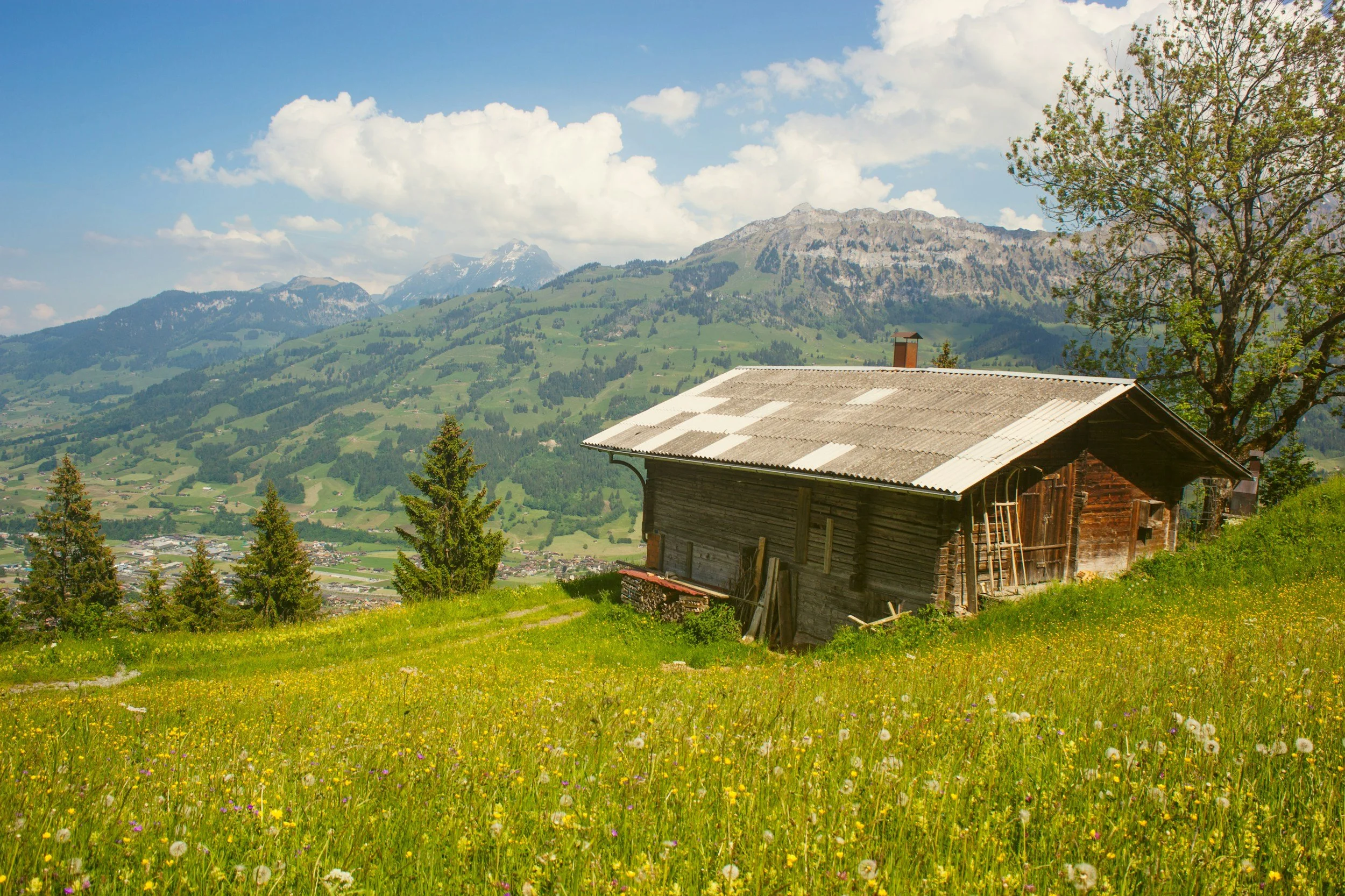
Outdoor living is not without challenges. Climate extremes, maintenance, and seasonal changes can affect how often outdoor spaces are used. Some cities with strong outdoor cultures also come with higher housing costs or limited inventory.
Buyers should consider how outdoor living fits their lifestyle realistically, not just aspirationally. Understanding how often outdoor spaces are usable and how much effort they require helps set accurate expectations.
Final Thoughts
Cities that support outdoor living do so through a combination of environment, design, and culture. Whether in larger cities like Boulder or Salt Lake City, or smaller communities like Duchesne, Utah, outdoor living thrives where access, space, and routine align.
For buyers exploring outdoor focused lifestyles, it is worth looking beyond traditional metrics like square footage and amenities. How a place supports time outside often matters just as much. Communities connected to nature, like those served by Mountains West Ranches, continue to attract people who want outdoor living to be part of everyday life, not just a weekend activity.