
What “Usable Acreage” Really Means on Rural Land
When buyers start searching for rural land, acreage is often one of the first numbers they focus on. Five acres, ten acres, forty acres. While total acreage is important, it does not tell the full story. One of the most misunderstood terms in rural real estate is “usable acreage.”
Usable acreage is not a legal definition, a zoning classification, or a fixed measurement. Instead, it is a practical concept that describes how much of a property can realistically be used for a buyer’s intended purpose. Understanding this distinction can prevent disappointment, clarify expectations, and help buyers choose land that actually fits their plans.
Total Acreage vs. Functional Land
Total acreage is determined by legal boundaries. These boundaries are recorded in county records and shown on surveys or plats. This number does not change based on terrain, vegetation, or accessibility.
Usable acreage looks beyond boundaries and focuses on how the land behaves on the ground. It considers slope, elevation changes, soil conditions, access, and natural features. Two properties with the same total acreage can feel completely different depending on how the land is laid out.
A five-acre parcel with gentle terrain may feel larger and more functional than a ten-acre parcel with steep slopes or irregular shapes. This is why acreage alone should never be the only deciding factor.
How Slope and Elevation Affect Usability
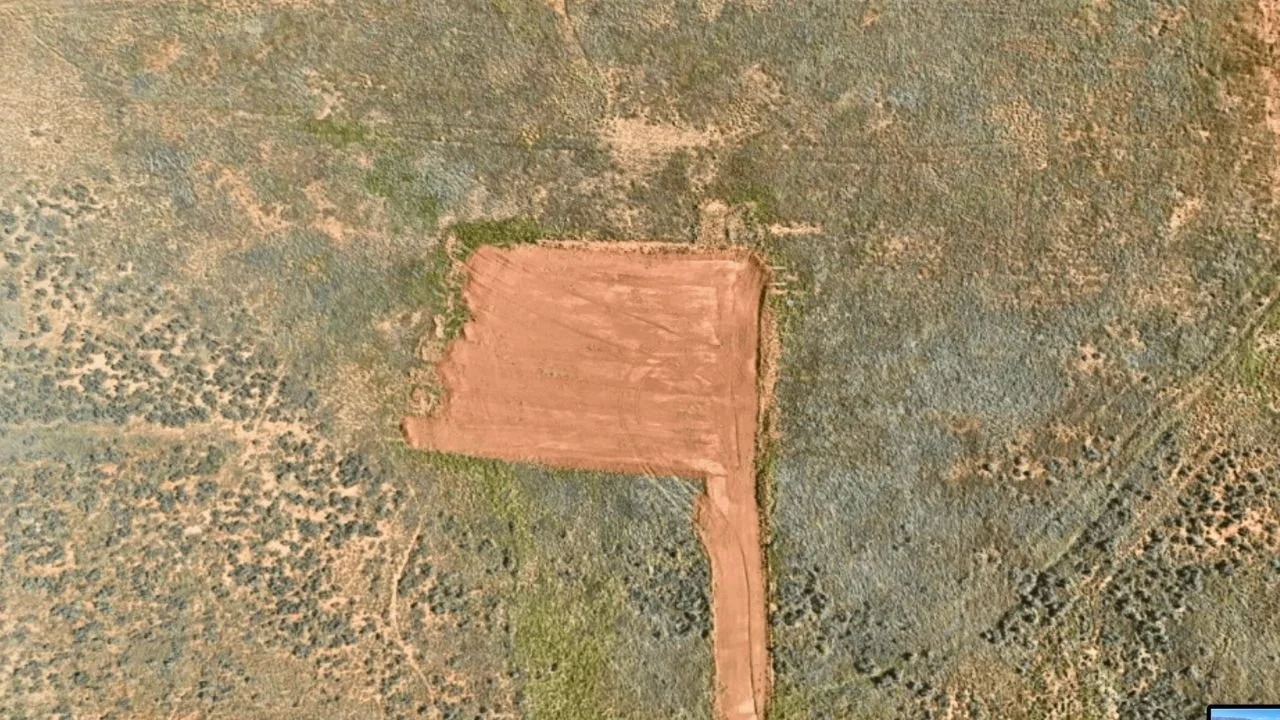
Slope is one of the biggest factors in determining usable acreage. Flat or gently sloped areas tend to offer the most flexibility. These sections are easier to walk, drive on, and develop.
Steeper areas may limit certain uses but still serve a purpose. Elevated sections often provide better views, natural separation from neighboring parcels, or added privacy. In some cases, buyers intentionally choose land with varied elevation to create distinct zones for different uses.
Usable acreage does not require land to be flat. It requires land to be practical for the buyer’s specific goals.
Soil Conditions and Ground Composition
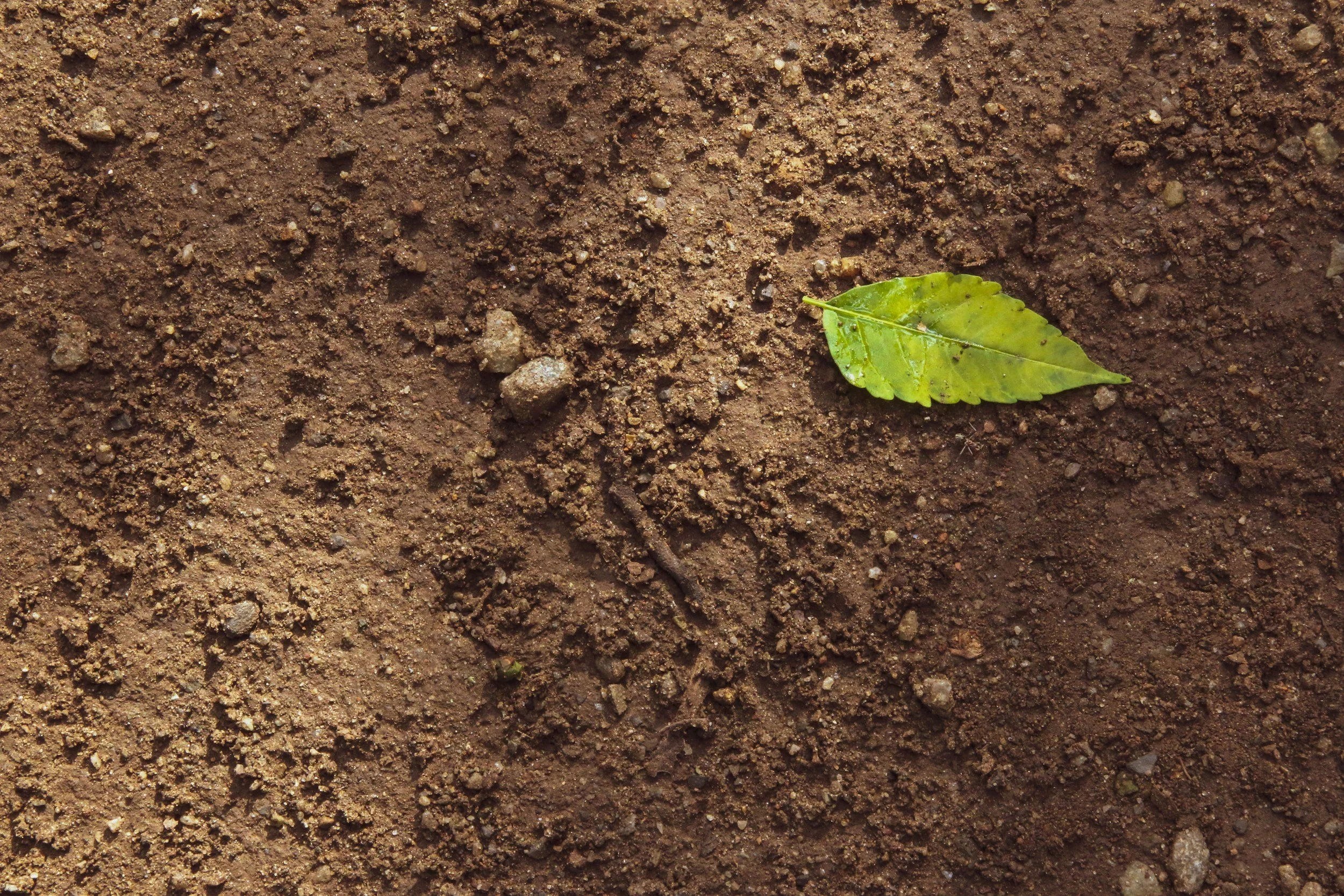
Soil quality and ground composition play a major role in how land can be used. Rocky soil may limit certain types of construction but can still be suitable for recreation, storage, or seasonal use.
Sandy or loose soil may require preparation for building but often drains well. Clay-heavy soil may hold moisture longer and affect placement decisions.
These conditions do not reduce acreage, but they influence how portions of the land are used and how much preparation may be required.
Natural Features and Their Role in Usability
Natural features often shape how land is used rather than reducing its value. Trees, brush, washes, and natural drainage areas are common on rural properties.
Light vegetation can often be cleared selectively to create open areas while still maintaining privacy. Heavier tree coverage may require more planning but provides shade, wind protection, and visual separation.
Washes or drainage paths are typically left undisturbed, but they often occupy only a portion of the property. The remaining land may still offer plenty of usable space.
Usable acreage includes both active-use areas and supporting features that enhance the property’s function.
Access and Layout Matter More Than Size
Access is a critical component of usability. A property with road access that leads directly to a usable section often feels far more functional than a larger property with difficult entry points.
Internal layout also matters. A parcel with a central flat area surrounded by varied terrain may feel more usable than a long, narrow parcel with limited buildable sections.
Usable acreage is often about how land connects together, not how much land exists overall.
Usable Acreage for Different Buyer Goals
Usable acreage is highly dependent on how the buyer plans to use the land.
Homesites and Cabins
For buyers planning to build, usable acreage typically includes areas suitable for a building pad, driveway, and outdoor space. A single flat acre may be all that is needed for a comfortable homesite, even on a larger parcel.

Recreational Use
For camping, weekend retreats, or seasonal use, usability may focus on clearings, shaded areas, and accessible sections rather than large continuous flat areas.
Agricultural and Farm Use
For small-scale farming or livestock, usable acreage often depends on soil quality, water availability, and fencing potential. Even land with mixed terrain can work well if key sections support grazing or planting.
Equipment and Storage
Storage use requires level ground and reliable access. This may only require a portion of the property to be fully usable.
Long-Term Investment
Investors often look at usable acreage in terms of flexibility. Land that offers multiple usable zones tends to appeal to a broader range of future buyers.

Why Usable Acreage Is Subjective
There is no universal standard for usable acreage. What one buyer considers unusable, another may see as ideal.
A steep section may be unsuitable for building but perfect for privacy. A wooded area may feel restrictive to one buyer and valuable to another.
This subjectivity is why it is important to evaluate land based on personal needs rather than assumptions.