.webp)
What States Allow Off-Grid Living? A Guide for New Homesteaders and Land Buyers
Off grid living has become one of the fastest growing lifestyle trends in the United States as more people seek independence, financial freedom, and a deeper connection to land and nature. Many buyers dream of generating their own power, collecting their own water, raising their own food, and building a quiet, self sufficient life away from dense urban areas. Because of that, one of the most common questions people ask before purchasing land is whether off grid living is allowed in different states. The good news is that most states do allow some form of off grid living, but the level of freedom varies dramatically depending on local zoning laws, building regulations, water rights, and septic requirements.
Understanding these differences is essential because the state you choose influences how easily you can set up utilities, build shelters, place an RV, drill a well, or rely on solar systems. Some states are extremely supportive of off grid lifestyles, offering flexible land use policies and affordable acreage, while others enforce strict rules that can make the process slow, costly, or heavily regulated.
Across the country, interest in off grid living continues to rise as people search for affordable land, long term investment opportunities, or a retreat from high cost cities. Many buyers are not seeking total isolation, but instead want land where they can build at their own pace, use alternative systems, and enjoy the freedom that comes with rural living. States with large rural areas, lower land prices, and fewer zoning restrictions naturally attract the most interest from homesteaders, RV owners, tiny home builders, and recreational cabin buyers. Understanding where each state falls on the off grid spectrum helps you choose the right place for your goals before you make a land purchase.
States That Are the Most Friendly for Off Grid Living
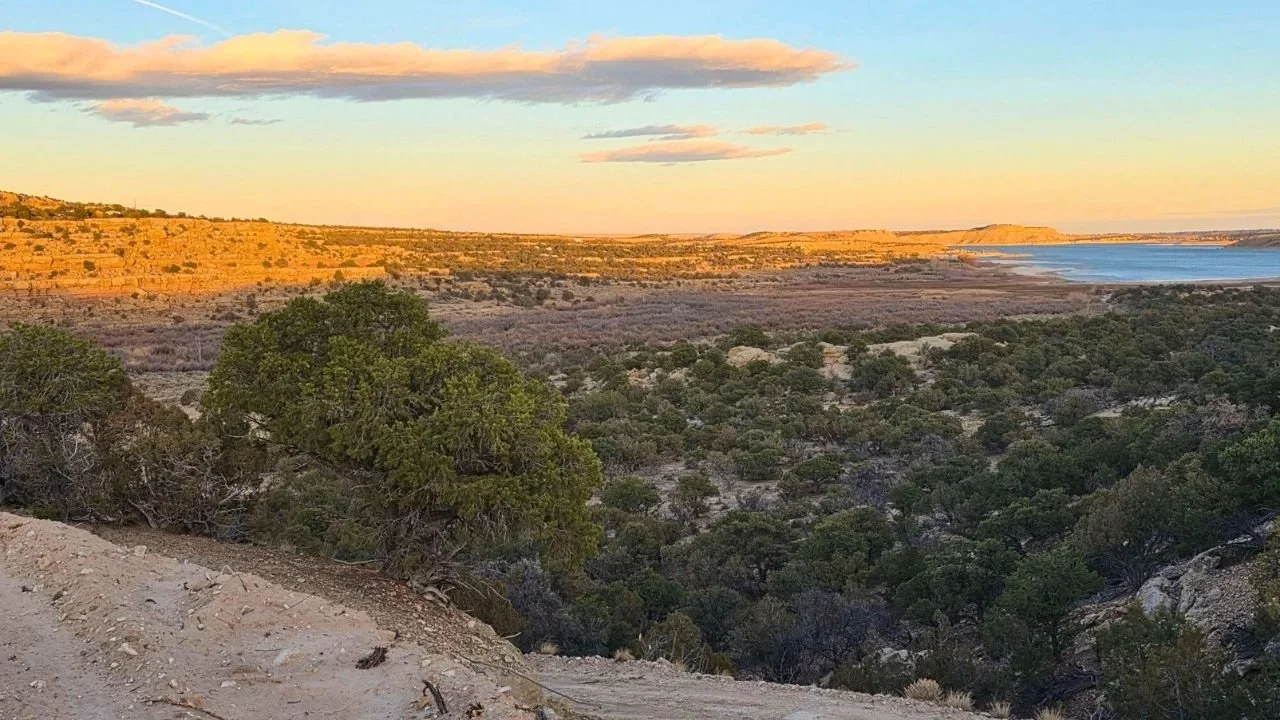
Some states stand out because they offer abundant rural acreage, relaxed zoning laws, and an overall culture that supports self sufficiency. These states make it easier to disconnect from public utilities, use solar and well water, install septic or composting systems, and build alternative housing without extensive red tape. Their policies create a welcoming environment for homesteaders who want to build gradually, live seasonally, or transition to full time off grid living.
1. Utah
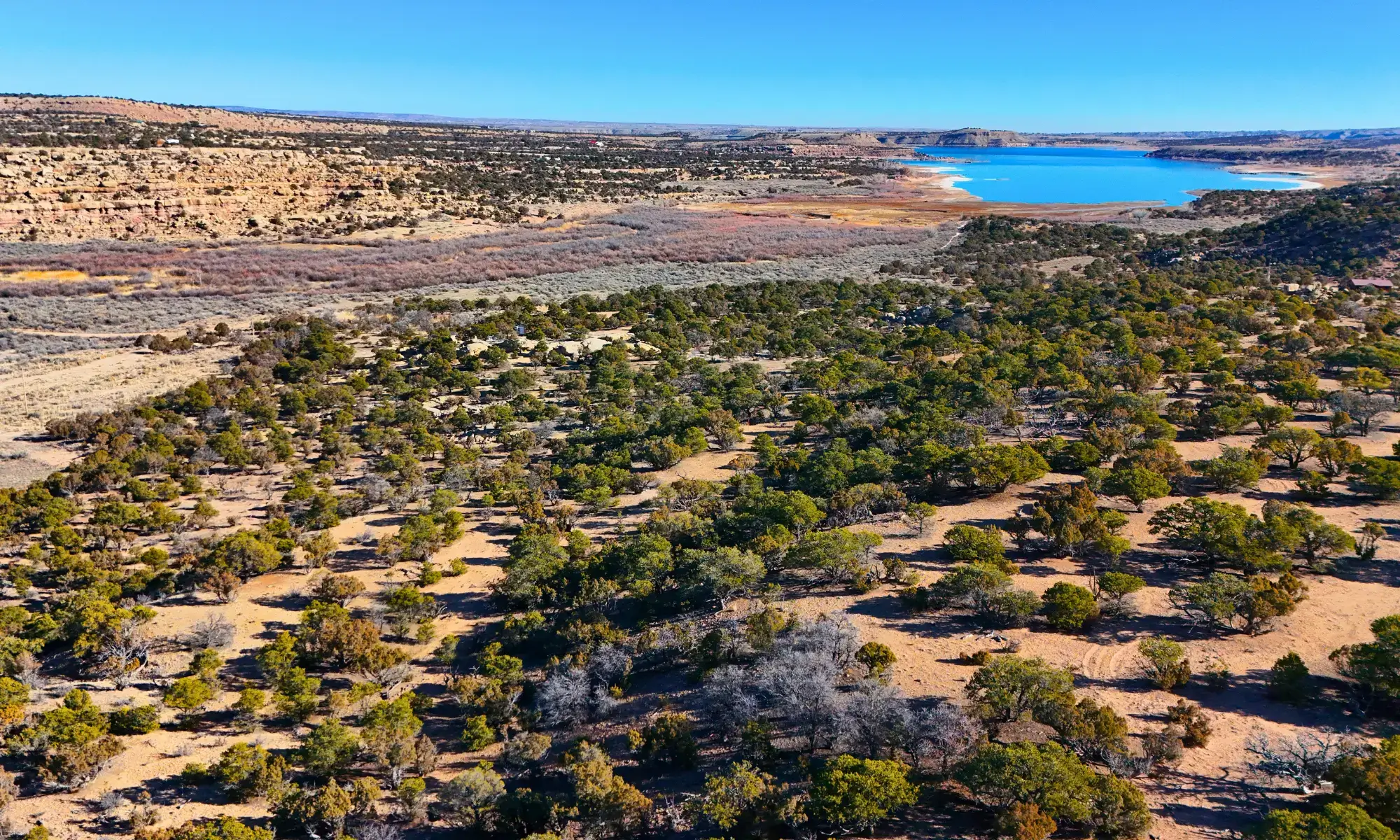
Utah is considered one of the strongest off grid states because of its combination of flexible zoning, large amounts of rural land, and a long standing culture of self reliant living. Counties like Duchesne, Uintah, Iron, and San Juan offer some of the most accessible off grid opportunities, allowing landowners to use solar power, haul water, install composting toilets, or place RVs while planning future structures. Many rural subdivisions in Utah allow buyers to camp, build cabins, create homestead setups, and use off grid systems year round as long as septic and access requirements are met for permanent dwellings. Utah’s climate supports solar energy extremely well, and the terrain gives buyers a chance to choose between high desert land, forested acreage, mesa top views, and seasonal mountain retreats. The affordability in eastern Utah is a major draw for first time land buyers who want a manageable entry point into off grid living.
2. Arizona
Arizona is another top choice for off grid living because of its warm climate, powerful solar potential, and widespread acceptance of alternative housing. Many rural counties have lenient building regulations that allow tiny homes, mobile structures, earthships, and fully off grid cabins without significant obstacles. The abundance of desert land provides buyers with inexpensive acreage, giving them space to experiment with solar systems, water catchment, composting toilets, and low cost building materials like adobe and rammed earth. The biggest challenge in Arizona is water, since some regions rely heavily on hauled water or deep wells. However, many off grid communities function successfully with large storage tanks and regular delivery services. For buyers who want year round sun, low rainfall, and flexible land use, Arizona remains one of the easiest places in the country to go off grid.
3. New Mexico
New Mexico is well known for alternative living communities and off grid culture. The state’s relaxed building regulations, affordable rural land, and support for solar energy attract homesteaders who want freedom and low development costs. Many areas allow rainwater harvesting, composting toilets, and experimental building methods like straw bale or earthbag construction. Remote counties make it easy to place RVs or live in structures while building. New Mexico’s climate supports long growing seasons in some regions, and land prices remain low enough for buyers to purchase multiple acres for gardening, livestock, or long term expansion. The state offers some of the best flexibility for creative builders and individuals wanting a fully self reliant lifestyle.
4. Idaho
Idaho appeals to off grid buyers because of its natural resources, abundant forested land, and moderate climate that supports both gardening and livestock. Rural counties outside of Boise and Coeur d’Alene allow a wide range of alternative housing types, making it possible to live in a cabin, shed, RV, or tiny home while building long term structures. Idaho’s agricultural heritage means that wells, livestock, and independent food production are widely accepted. Although winters can be cold, the state provides strong opportunities for buyers who want land that feels wild, private, and capable of supporting a long term homestead.
5. Montana
Montana offers wide open acreage, mountain valleys, and large remote sections where off grid living is common and culturally accepted. Rural counties typically allow solar setups, wells, septic systems, cabins, and seasonal structures without significant resistance. Because of the colder climate, buyers must plan for insulation, wood heat, and winter access, but the reward is a landscape that supports hunting, livestock, gardening, and long term sustainability. Montana’s mixture of scenic land and low population density makes it a top destination for buyers who want true independence.
6. Wyoming
Wyoming is one of the most off grid friendly states because of its minimal regulations, large rural parcels, and long tradition of ranching and land stewardship. Many counties allow owners to drill wells, install septic, use generators or solar systems, and live in cabins or RVs while building. Wyoming’s tax structure, low population, and open land appeal to buyers seeking privacy and long term stability. Winters can be harsh, but the freedom to build and live independently draws many homesteaders to the state.
7. Tennessee
Tennessee has become increasingly popular among off grid families because of its moderate climate, reliable rainfall, and supportive legal environment for homesteading. Rural counties allow rainwater harvesting, gardens, livestock, and flexible building options. The land is more fertile than western desert states, making it easier to grow food and maintain small farms. Tennessee’s affordability and welcoming culture contribute to its off grid appeal.
8. Missouri
Missouri remains one of the easiest states for off grid living because many rural counties have extremely relaxed building codes or none at all. Wells and septic are common, and the state receives sufficient rainfall to support gardens, orchards, and livestock. Missouri is especially appealing for buyers who want affordable acreage with forest cover and a long growing season for self sufficiency.
States Where Off Grid Living Is Possible but More Regulated
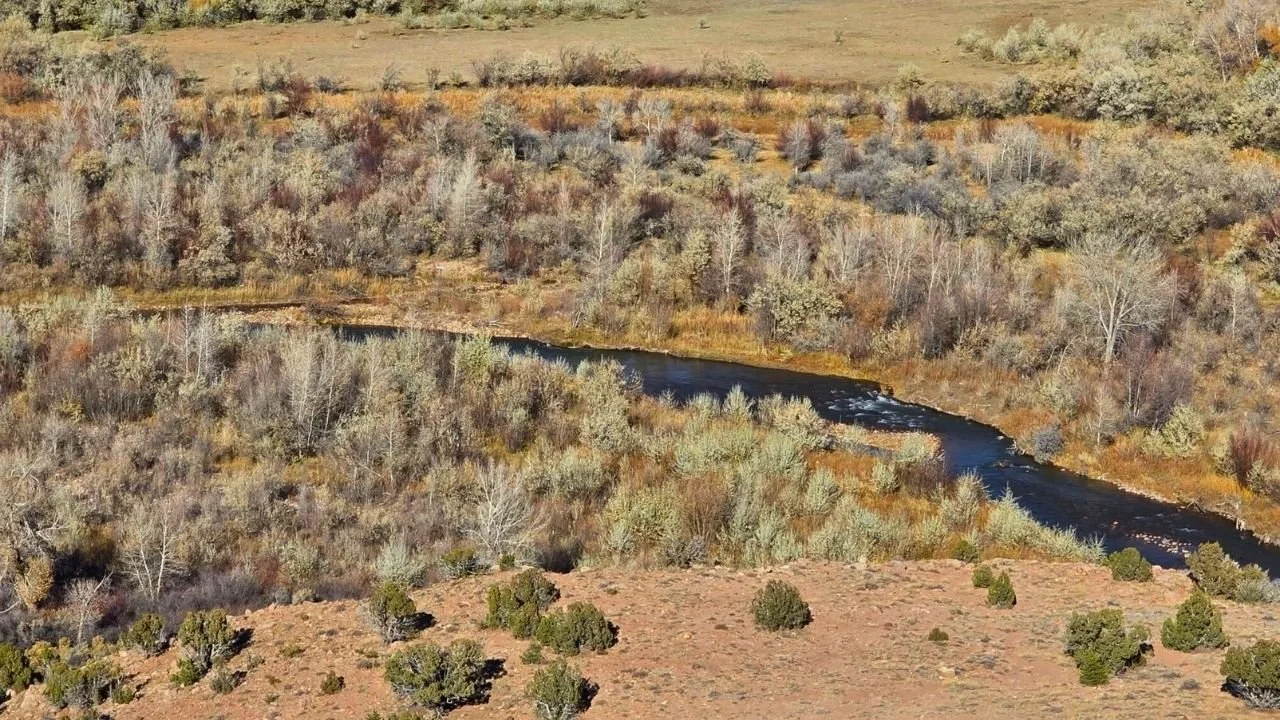
Some states do allow off grid living, but the process involves more oversight. These states may require professional septic installation, engineered electrical systems, specific foundation types, or code certified dwellings. Off grid living is still doable, especially in rural areas, but buyers must be ready for inspections, fees, and more paperwork.
These states include Colorado, California, Oregon, Washington, Michigan, Maine, and North Carolina. In these regions, off grid living is achievable if buyers choose counties with larger agricultural zones or unincorporated areas where land use restrictions are lighter. The main challenge is balancing local code requirements with the desire for independence. Some buyers thrive here by building hybrid systems that meet code while still reducing reliance on public utilities. For others, the cost and oversight push them to more flexible states like Utah, Arizona, or New Mexico. The key is researching each county individually because regulations may vary widely even within the same state.
States Where Off Grid Living Is the Most Difficult
A handful of states maintain strict building rules that make off grid living challenging for the average homesteader. These regions often require full utility hookups for permanent dwellings, engineered septic systems, certified electrical installations, and compliance with dense zoning regulations. States like New Jersey, New York, Connecticut, Rhode Island, and Massachusetts fall into this category. While off grid living is not impossible here, it typically occurs in rural pockets where zoning is agricultural or where seasonal cabins are permitted. Buyers often face higher costs, more inspections, and limited freedom to use composting toilets, alternative power systems, or unconventional building materials. For this reason, many off grid families choose western or southern states where the legal environment is more supportive.
Key Factors That Determine Whether You Can Live Off Grid in Any State
No matter which state you choose, certain requirements always affect how easily you can live off grid. Zoning is one of the most important factors because it determines what type of structures you can place, how large they must be, and what utilities are required. Agricultural and rural residential zones typically offer the most flexibility. Water access is another major factor, especially in western states where water rights dictate whether you can drill a well or collect rainwater. Septic rules also matter, since many states require engineered systems or minimum soil quality before issuing permits. Access and road conditions influence whether emergency services can reach your property and whether year round living is allowed. Finally, utility regulations determine how solar systems, generators, or alternative waste systems must be installed. Understanding these elements in advance prevents costly surprises later.
Why Utah Remains One of the Best States for Off Grid Living
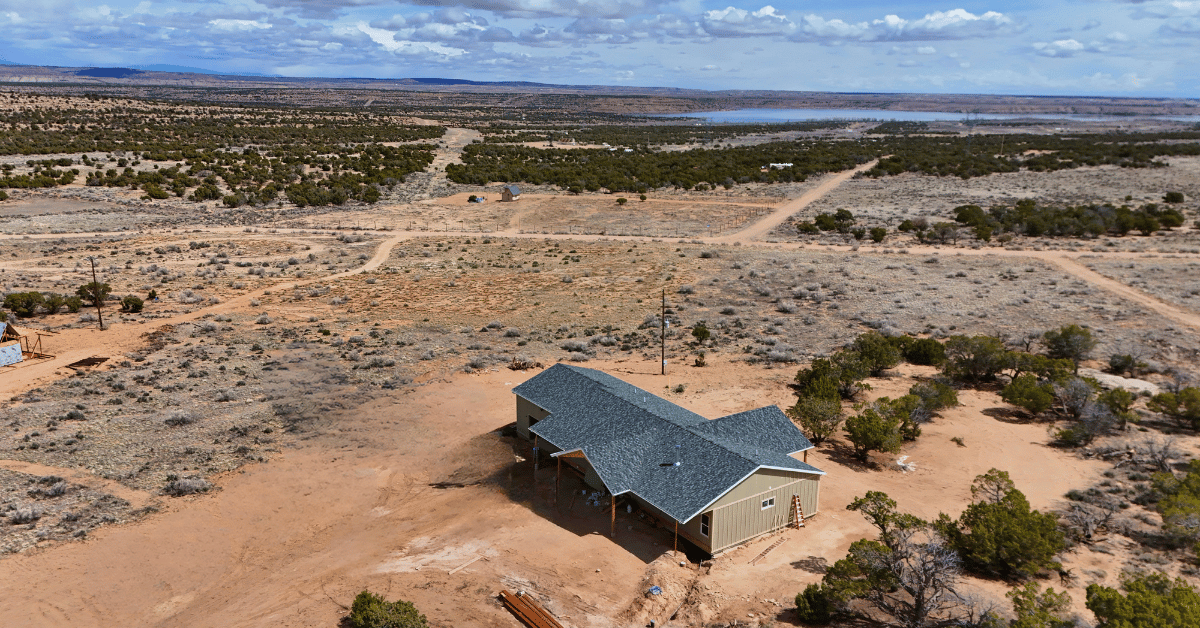
Utah consistently ranks among the top off grid states because it offers a rare combination of affordability, flexible zoning, diverse landscapes, and strong solar potential. Counties like Duchesne allow RV use, seasonal camping, long term cabin construction, and a wide variety of off grid setups. Many parcels in rural Utah provide buyers with full independence, allowing them to haul water, drill wells, install septic, or use composting toilets depending on the use case. The state’s climate, open space, and recreational opportunities also create an environment where off grid living feels natural rather than restricted. For first time buyers, Utah remains one of the most accessible and welcoming states for building a long term homestead or retreat property.
Final Thoughts
Most states allow some form of off grid living, but the level of freedom varies greatly depending on local zoning rules, water laws, terrain, and building regulations. States like Utah, Arizona, New Mexico, Idaho, Wyoming, Montana, Tennessee, and Missouri offer the most flexible environments with affordable rural acreage and limited barriers to alternative living. Other states allow off grid living but with more restrictions, while a few make it difficult or expensive. By understanding where each state stands and what local laws require, buyers can choose land that supports their long term goals. With proper research and planning, off grid living can be possible in many parts of the country and provide a rewarding, self sufficient lifestyle.
%20(446%20x%20128%20px)%20(306%20x%20105%20px)%20(2)%20(1).webp)


