
What is Duchesne County Famous For?
Duchesne County is known for its wide open land, outdoor recreation, and strong ties to Utah’s agricultural and energy history. Located in northeastern Utah, the county attracts people looking for space, access to nature, and a slower pace of life. While it may not be widely known outside the region, Duchesne County plays an important role in Utah’s rural identity.
From reservoirs and mountain ranges to ranching communities and public land access, Duchesne County is best known for how closely daily life is connected to the land.
Outdoor Recreation and Open Space
One of the main things Duchesne County is famous for is outdoor access. Large portions of the county are made up of public land, making recreation easy and accessible for residents and visitors.
Popular outdoor activities include:
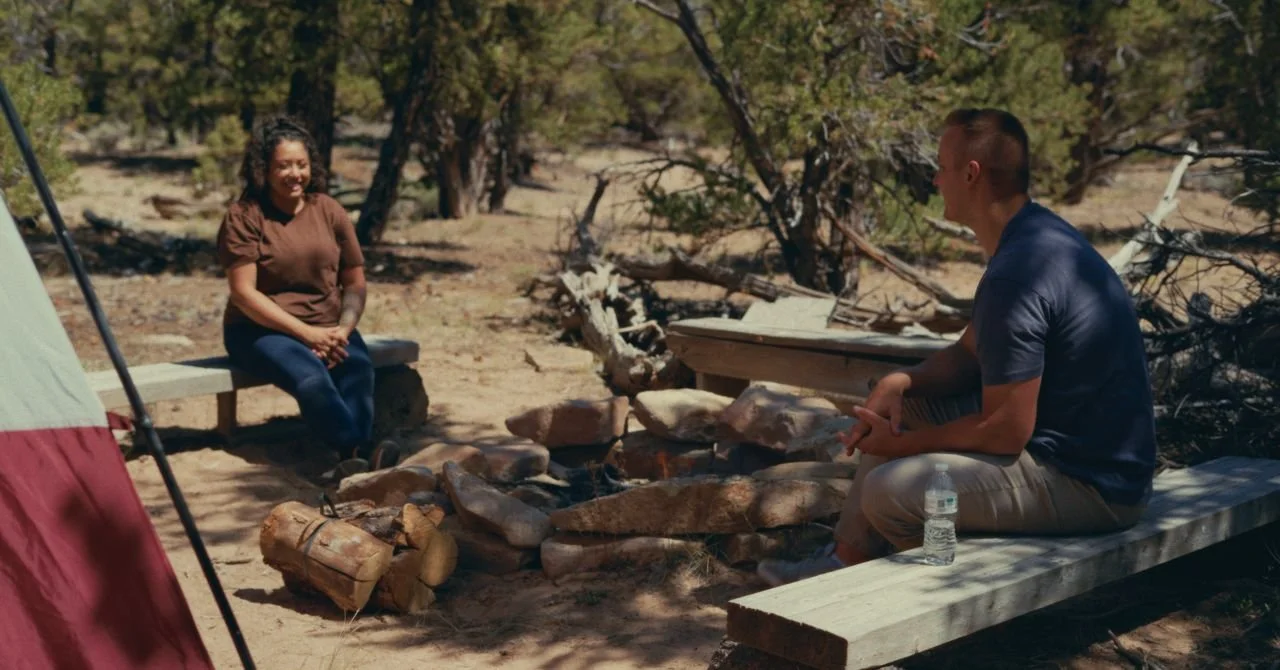
Camping and dispersed camping
Hiking and horseback riding
Hunting and fishing
ATV and side by side riding
Wildlife watching
The open layout of the county allows people to enjoy these activities without heavy crowds, which is a major draw for those who value privacy and space.
Starvation Reservoir
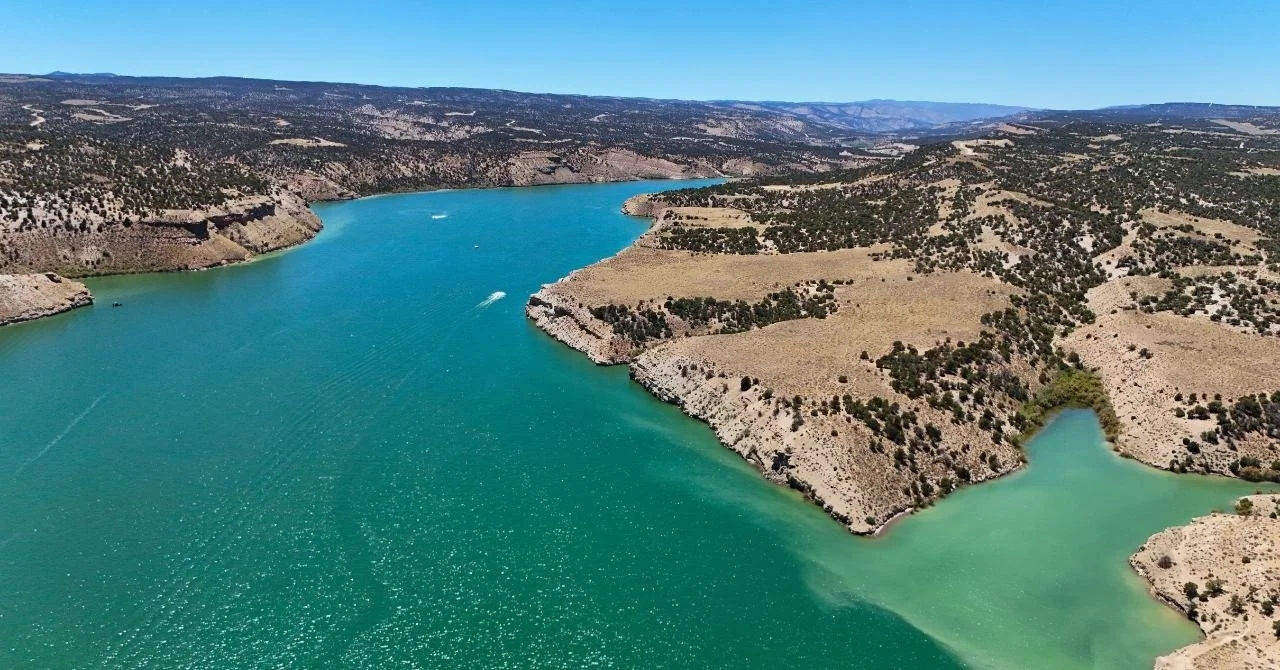
Starvation Reservoir is one of the most well known landmarks in Duchesne County. It is a major destination for fishing, boating, and seasonal recreation.
The reservoir is known for:
Trout, walleye, and bass fishing
Ice fishing during winter months
Camping areas and day use access
Boating and paddle sports
Starvation Reservoir brings visitors from across Utah while still maintaining a quiet, rural feel compared to larger recreation hubs.
The Uinta Mountains
The southern edge of the Uinta Mountains runs through parts of Duchesne County, providing higher elevation landscapes, forests, and cooler summer temperatures.
The Uintas are known for:
Mountain lakes and streams
Seasonal camping and hiking
Snowmobiling and winter access
Wildlife habitats
This mountain access adds variety to the county’s terrain, balancing high desert areas with alpine environments.
Agriculture and Ranching
Duchesne County has a long history of agriculture and ranching. Cattle operations, hay production, and small farms are common throughout the area. Many families have worked the land for generations, contributing to a strong rural culture.
Agriculture remains important because:
Large parcels support grazing and farming
Water rights are tied closely to land use
Open land allows flexible property use
Zoning often supports agricultural activity
This working landscape is a defining feature of the county.
Energy and Natural Resources
The county is also known for its role in Utah’s energy production. Oil, gas, and related industries have been part of the local economy for decades. These industries have shaped infrastructure, employment, and land use patterns throughout the region.
While energy production is present, large portions of the county remain undeveloped, maintaining its rural character.
Small Town Communities
Towns like Duchesne, Roosevelt, and Fruitland reflect the county’s close knit community structure. These towns are known for local schools, community events, and a slower pace of life.
People are drawn to these areas for:
Lower population density
Strong community ties
Proximity to land and recreation
Reduced congestion compared to urban areas
Land Ownership and Rural Living
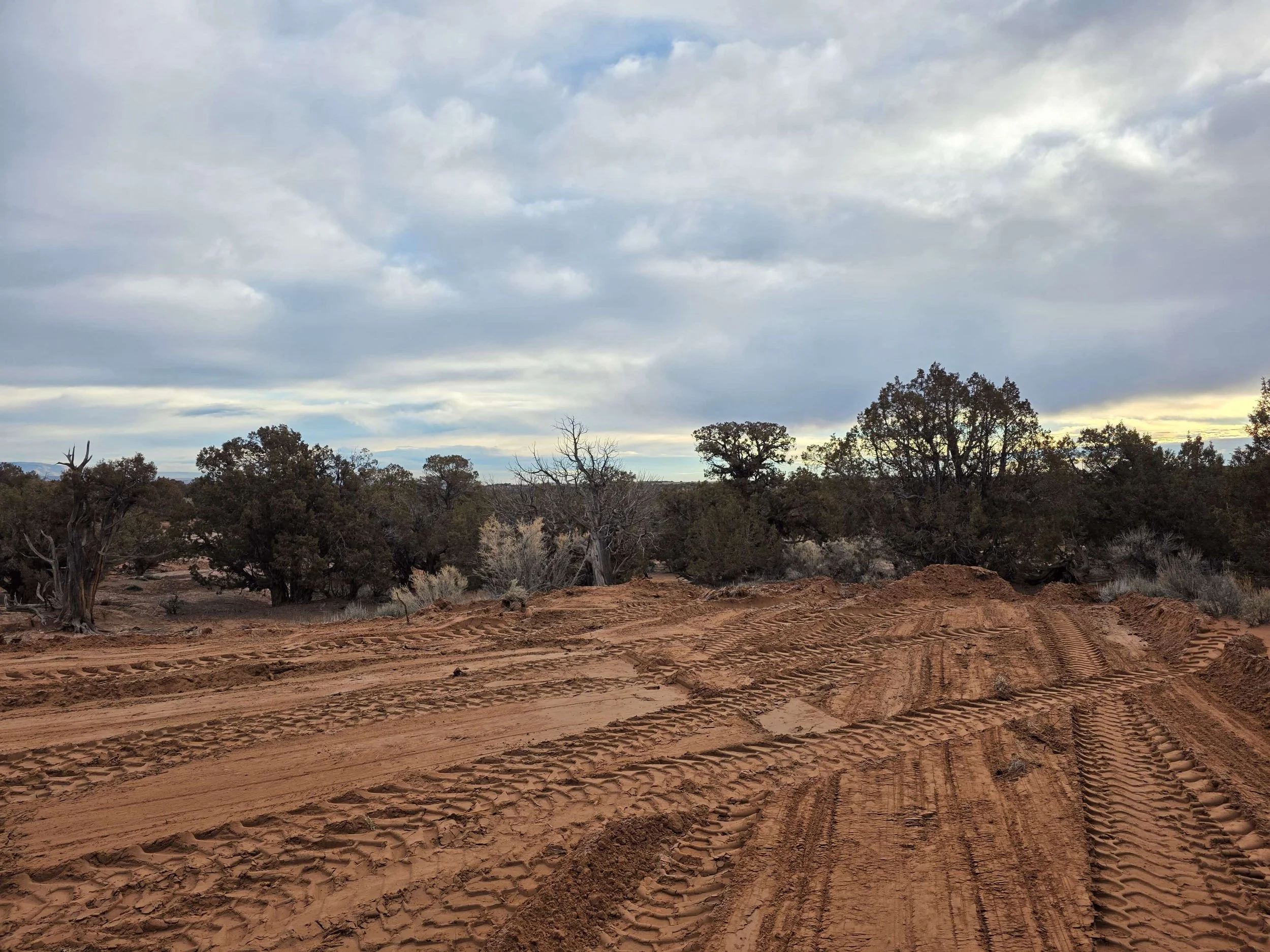
Duchesne County is increasingly known for land ownership opportunities. Buyers are attracted by larger parcel sizes, flexible zoning, and long term investment potential.
Land is commonly used for:
Recreational property
Future homesites
Agricultural use
Long term holding
Family compounds or seasonal use
This flexibility is a major reason people look to Duchesne County when considering rural land in Utah.
Wildlife and Natural Environment
The county supports a wide range of wildlife due to its mix of desert, mountain, and wetland environments. Deer, elk, moose, and a variety of bird species are commonly seen throughout the area.
Seasonal migration patterns and protected habitats make Duchesne County popular with hunters and wildlife enthusiasts alike.
Final Thoughts
Duchesne County is famous for its land, access to nature, and strong rural foundation. It offers outdoor recreation, agricultural history, energy resources, and small town communities all within one region.
For those looking for space, flexibility, and a direct connection to the land, Duchesne County stands out as one of Utah’s most grounded and practical rural areas.