
Common Fears About Buying Rural Land (And What to Know Before You Buy)
Buying rural land is exciting, but it often comes with hesitation. Many buyers love the idea of space, privacy, and flexibility, yet feel unsure about what land ownership really involves. Unlike buying a home, rural land does not come with clear rules, utilities, or a step-by-step roadmap, which naturally creates fear and uncertainty.
This guide breaks down the most common fears buyers have about purchasing rural land and explains what actually matters so you can make an informed decision.
“What If I Can’t Use the Land How I Want?”
One of the biggest fears buyers have is discovering after purchase that the land cannot be used the way they intended. This usually stems from confusion around zoning, county rules, and permitted uses. Rural land often allows flexibility, but it is still governed by county-level regulations.
The key is verifying zoning and allowed uses before buying. Once zoning is understood, most buyers find rural land is far more flexible than residential property, not less.
“What If I Can’t Get to the Property?”
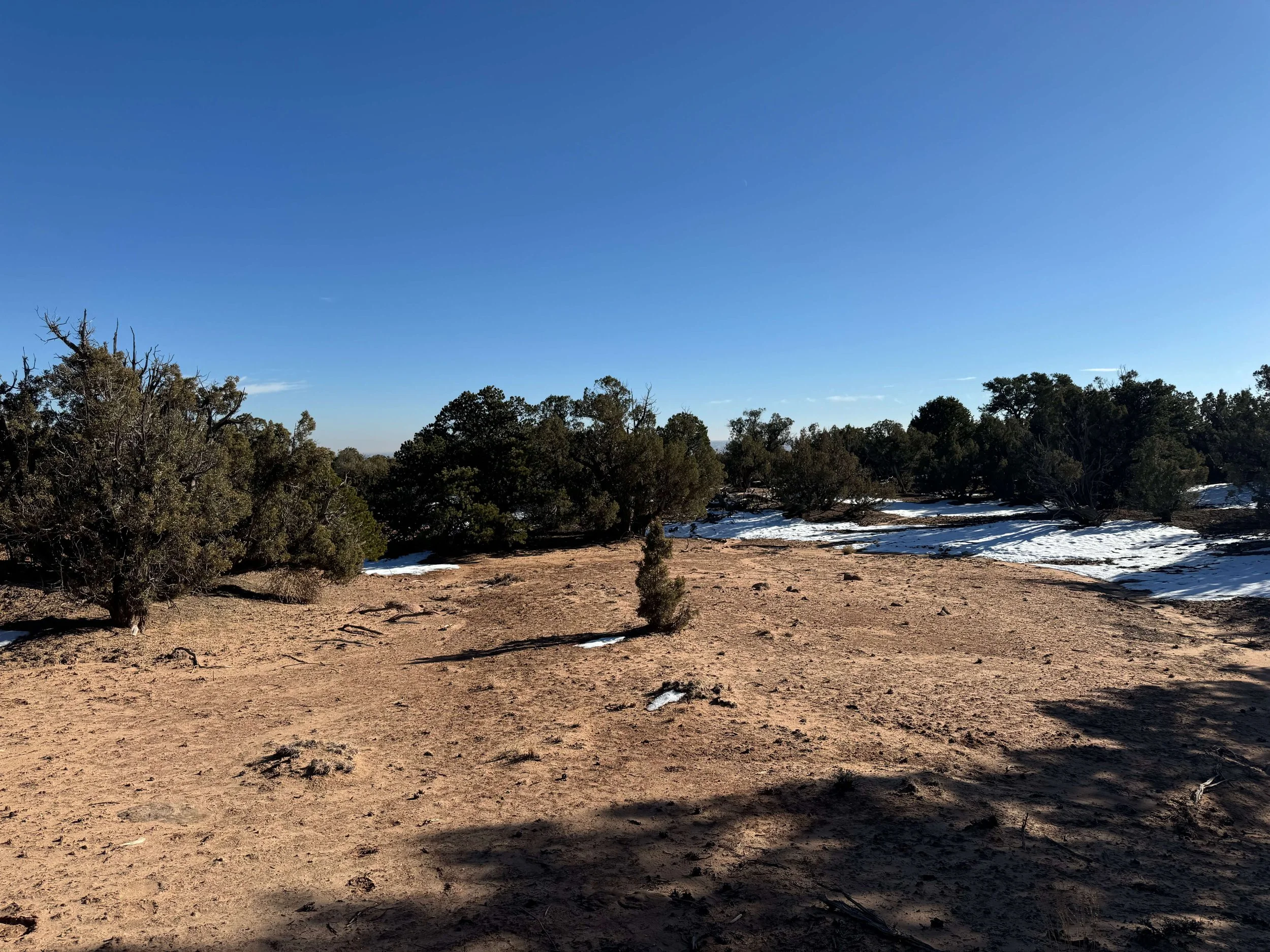
Access is another major concern, especially for out-of-state buyers. Many rural properties are accessed by dirt or gravel roads rather than paved streets, which can feel intimidating at first. Buyers worry about legal access, road maintenance, and seasonal conditions.
In reality, rural access is normal and manageable when expectations are set correctly. Confirming legal access, road type, and seasonal usability upfront removes most of this concern.
“What If Utilities Are Too Complicated or Expensive?”
Lack of utilities is often viewed as a deal-breaker, but for rural land it is simply part of the landscape. Many properties rely on solar power, water hauling, wells, or septic systems rather than public hookups.
Buyers who plan for off-grid or alternative utilities early tend to feel far more confident. Understanding realistic costs and timelines is more important than having utilities already in place.
4
“What If I Overpay for Land?”
Because land does not have comparable sales as obvious as homes, buyers often fear paying too much. Rural land values are influenced by access, zoning, usability, and location rather than square footage or finishes.
Working with experienced land specialists and understanding how rural land is priced helps buyers feel confident that they are paying a fair price based on use and long-term value.
“What If I Buy the Wrong Amount of Land?”
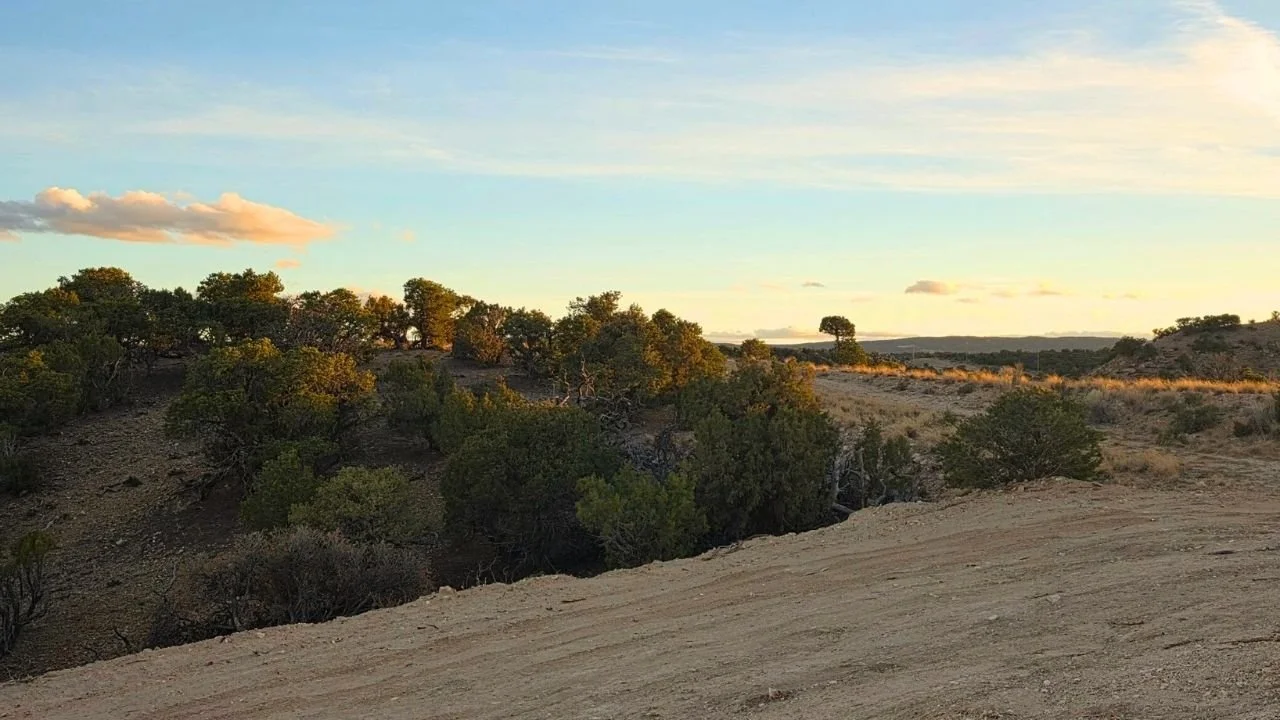
Some buyers worry about buying too much land to manage, while others fear buying too little and regretting it later. This fear usually comes from not having a clear plan for how the land will be used.
Most buyers discover they need less land than they think. Defining intended use first makes acreage decisions far easier and more practical.
“What If I Change My Mind Later?”
Rural land buyers often worry about resale or long-term commitment. Unlike homes, land does not require immediate use or development, which actually makes it more flexible.
Land can be held, sold, or passed on without daily maintenance. When purchased with access and zoning in mind, rural land remains a flexible asset rather than a permanent obligation.
“What If Something Goes Wrong After I Buy?”
Fear of the unknown is common, especially for first-time land buyers. Questions about taxes, maintenance, trespassing, and county compliance can feel overwhelming.
In practice, rural land ownership is often simpler than homeownership. Taxes are usually lower, maintenance is optional, and responsibilities are limited compared to developed property.
How to Buy Rural Land With Confidence
Most fears around buying rural land come from uncertainty, not actual risk. Buyers who ask questions early, verify zoning and access, and understand county rules tend to feel confident and satisfied after purchase.
Taking the time to learn how rural land works turns fear into clarity and allows buyers to focus on the benefits that made them interested in land ownership in the first place.
Final Thoughts
Rural land offers freedom, flexibility, and long-term opportunity, but only when buyers understand what they are purchasing. Common fears are normal and valid, especially for first-time buyers or those purchasing from out of state.
With the right information and expectations, rural land ownership becomes far less intimidating and far more rewarding.