.webp)
How to Buy Rural Land: A Step-by-Step Guide
Quick answer: To buy rural land, define how you will use it, set a budget that includes the hidden costs, line up financing, find a parcel, and run thorough due diligence before you make an offer and close. Buying rural land is different from buying a house because you have to verify access, zoning, water, utilities, and title yourself, since rural parcels often hide problems that are not obvious from a listing.
Rural land can be one of the most affordable ways to own property, but the process has more moving parts than a typical home purchase. Here is how to do it step by step, including the financing option most guides leave out.
Step 1: Define your purpose
Everything else flows from how you plan to use the land. A homesite, a farm or ranch, a hunting or recreation property, and a long term investment each point to different acreage, zoning, and utility needs. Rural parcels often carry agricultural or conservation restrictions, so knowing your purpose up front tells you which parcels to rule out before you spend time on them.
Step 2: Set a realistic budget
The purchase price is only part of the cost of rural land. Budget for the extras that raw land almost always requires. Typical nationwide ranges look like this, though they vary widely by region:
- Land survey: $1,500 to $5,000
- Soil or percolation (perc) test for septic: $500 to $1,500
- Title insurance: $1,000 to $3,000
- Utility installation: $10,000 to $50,000 or more, depending on distance to existing lines
- A well, a septic system, a driveway, and power runs if the parcel is undeveloped
Land pricing itself ranges enormously. Affordable rural acreage can run a few thousand dollars per acre, while developed lots near towns can cost far more.
Step 3: Line up financing
This is where rural land trips up the most buyers, and where your options matter most. Banks treat raw land as higher risk than a house, so conventional land loans often require a large down payment, commonly 20% to 50%, plus strong credit. USDA and Farm Credit System programs are another route, but they are aimed largely at farms and agricultural use and carry their own eligibility rules.
Owner financing is the option most guides skip. With owner financing, the seller finances the purchase directly, which usually means a much lower down payment, no bank in the middle, and in many cases no credit check. Mountains West Ranches, for example, sells rural parcels in Utah with owner financing, no credit check, and a low down payment to start, at a rate that is fixed for the life of the loan. For buyers who cannot clear a bank's down payment or credit bar, this is often the most realistic path to owning rural land.
Step 4: Find parcels
Rural land is not always listed where houses are. Inventory is fragmented, so expect to check several sources: land marketplaces like LandWatch, Land.com, and Acres, county GIS maps, local land brokers, and sellers who list parcels directly. When you find a candidate, walk the boundaries in person to check the terrain, the neighboring uses, and how water flows across the property.
Step 5: Do your due diligence
This is the step that protects you from an expensive mistake. Before you make an offer, confirm each of the following:
- Legal access: make sure the parcel has legal road access and is not landlocked, and learn who maintains the road.
- Zoning and use: verify what you are allowed to build or do, including a home, an RV, or livestock.
- Water: check water rights and availability, which matter especially in western states, and whether you will need a well.
- Septic: find out whether the soil passes a perc test for a septic system.
- Utilities: confirm whether power, internet, and other services reach the parcel, or what it would cost to bring them in.
- Flood and environmental risk: review FEMA flood maps and any environmental or conservation restrictions.
- Title and survey: order a title search to confirm clean ownership with no liens, and a survey if the boundaries are uncertain.
- Taxes and dues: ask about annual property taxes and any HOA or deed restrictions.
A transparent seller will answer all of these clearly and put the terms in writing.
Step 6: Make an offer with contingencies
When you are ready to offer, build in contingencies for financing, title review, survey, and inspections. These give you a clean way to walk away if a serious problem turns up before closing. Rural purchases commonly take 60 to 90 days from offer to close.
Step 7: Close and record
At closing, review the title, sign the documents, pay the closing costs, and record the deed with the county. Once the deed is recorded, the land is officially yours.
Common mistakes to avoid
- Buying a parcel with no legal access.
- Assuming utilities are nearby when they are not.
- Skipping the perc test and finding out later the land cannot support a septic system.
- Overlooking water rights or mineral rights.
- Underbudgeting for the cost of making raw land usable.
Buying rural land in Utah
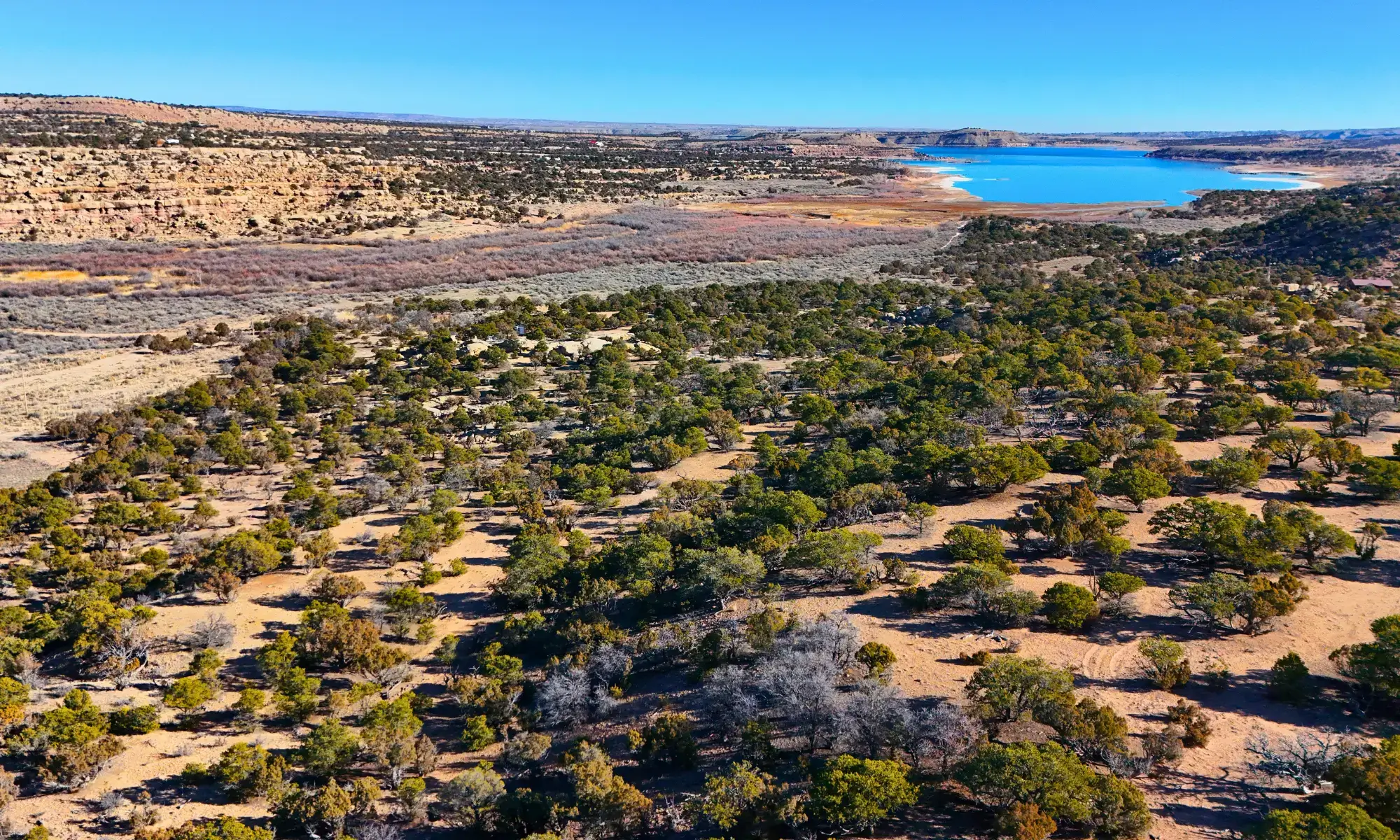
If the rural land you want is in Utah, Mountains West Ranches offers owner-financed parcels across seven subdivisions in Duchesne County. The financing is handled in house, with no credit check and a low down payment to get started, so you can skip the bank and deal directly with the seller. For buyers who have been held back by a large down payment or a credit hurdle, that makes it one of the more accessible ways to own rural land.
Frequently asked questions
How do you buy rural land?You buy rural land by defining your intended use, setting a budget that includes hidden costs, arranging financing, finding a parcel, running due diligence on access, zoning, water, utilities, and title, then making an offer with contingencies and closing with the deed recorded at the county.
How much of a down payment do you need for rural land?Conventional land loans often require a large down payment, commonly 20% to 50%, because banks see raw land as higher risk. Owner financing usually requires far less. At Mountains West Ranches, a low down payment gets you started on owner-financed parcels.
Can you get a loan for rural land?Yes. Options include conventional land loans from banks and credit unions, USDA and Farm Credit System programs for agricultural use, and owner financing directly from the seller. Owner financing is often the easiest to qualify for because it may not require a credit check.
What should you check before buying rural land?Confirm legal road access, zoning and permitted uses, water rights and availability, septic suitability through a perc test, utility access, and flood risk, and secure a clean title. Order a survey if the boundaries are unclear.
What are the hidden costs of buying rural land?Beyond the purchase price, budget for a survey, a perc test, title insurance, and utility installation, plus a well, septic, driveway, and power if the land is undeveloped. These can add thousands to tens of thousands of dollars.
Can you buy rural land with no credit check?Yes. Some sellers offer owner financing with no credit check, where approval is based on your down payment and ability to pay rather than your credit score. Mountains West Ranches offers owner-financed rural land in Utah with no credit check.
Ready to look at land?
Buying rural land takes more homework than buying a house, but the payoff is owning a piece of ground on your own terms. If you are looking in Utah, browse available parcels or talk to a land specialist at Mountains West Ranches to see how owner financing works for your situation.

%20(446%20x%20128%20px)%20(306%20x%20105%20px)%20(2)%20(1).webp)


