.webp)

In a fast-paced world full of screens, nature journaling is a refreshing way to slow down and reconnect with the natural world. Whether you're hiking a trail, sitting by a lake, or just spending time in your backyard, a notebook and a few minutes of quiet observation can deepen your outdoor experience.
No art skills or scientific knowledge required—just curiosity and a willingness to pay attention.
What Is Nature Journaling?
Nature journaling is the practice of writing, drawing, or recording observations about the natural world. It can include:
- Wildlife sightings
- Weather changes
- Sketches of plants or landscapes
- Notes about sounds, smells, and textures
- Personal thoughts or reflections inspired by nature
Some people treat it like a field journal. Others treat it like a form of creative expression or mindfulness.
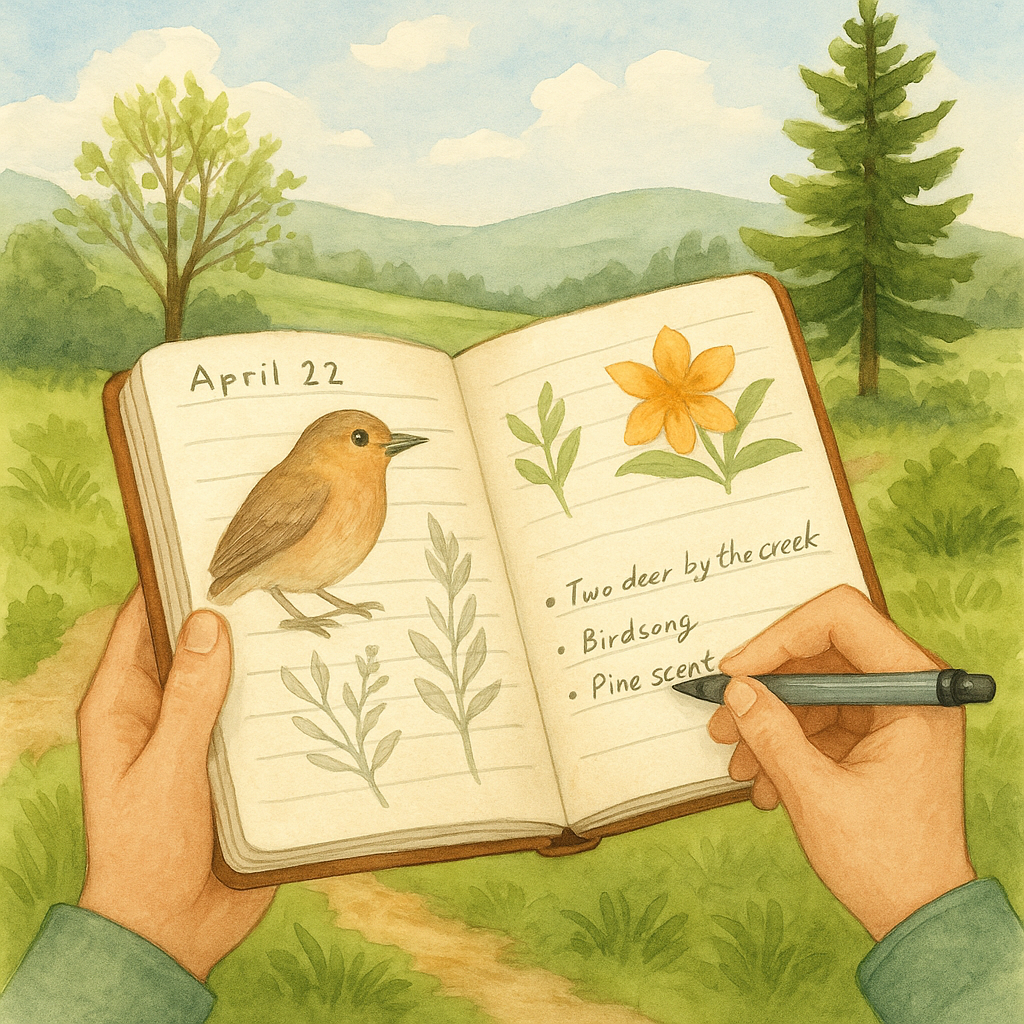
Benefits of Nature Journaling
- Improves Observation Skills: You start noticing details—leaf shapes, bird calls, cloud movement—you might otherwise miss.
- Reduces Stress: Taking time to sit, breathe, and write in nature has calming effects.
- Boosts Memory and Learning: Writing things down helps you remember plant names, trails, or natural patterns.
- Encourages Creativity: Even a short walk can become a source of poetry, sketches, or new ideas.
- Builds a Record Over Time: You'll have a personal archive of seasons, hikes, and wildlife encounters.
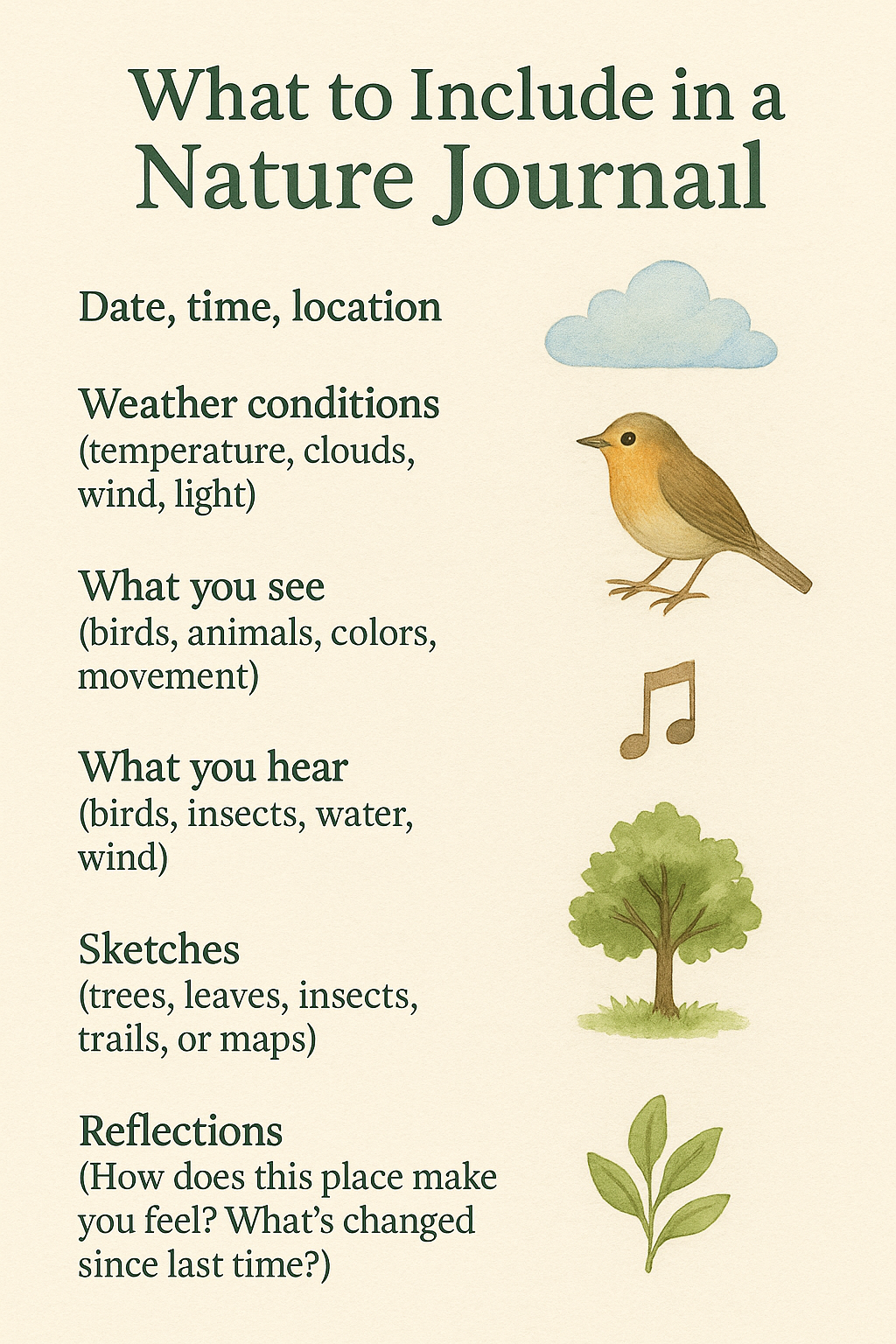
What to Include in a Nature Journal
There’s no right or wrong way to do it, but here are some prompts to get started:
- Date, time, location
- Weather conditions (temperature, clouds, wind, light)
- What you see (plants, animals, colors, movement)
- What you hear (birds, insects, water, wind)
- What you feel or smell
- Sketches (trees, leaves, insects, trails, or maps)
- Reflections (How does this place make you feel? What’s changed since last time?)
What to Bring on a Nature Journaling Outing
- Notebook or Sketchpad (preferably with a hard cover if you’re journaling in the field)
- Pen and pencil
- Colored pencils or markers (optional but helpful for sketches)
- Binoculars or magnifying glass (for observing birds or small plants/insects)
- Small ruler or tape measure (if you want to log plant growth or track changes)
- A backpack and water bottle
- A sit pad or camp chair (if you’ll be journaling for a while)
Where to Practice Nature Journaling
You don’t need a national park to start. Try it:
- In your backyard
- At a city park
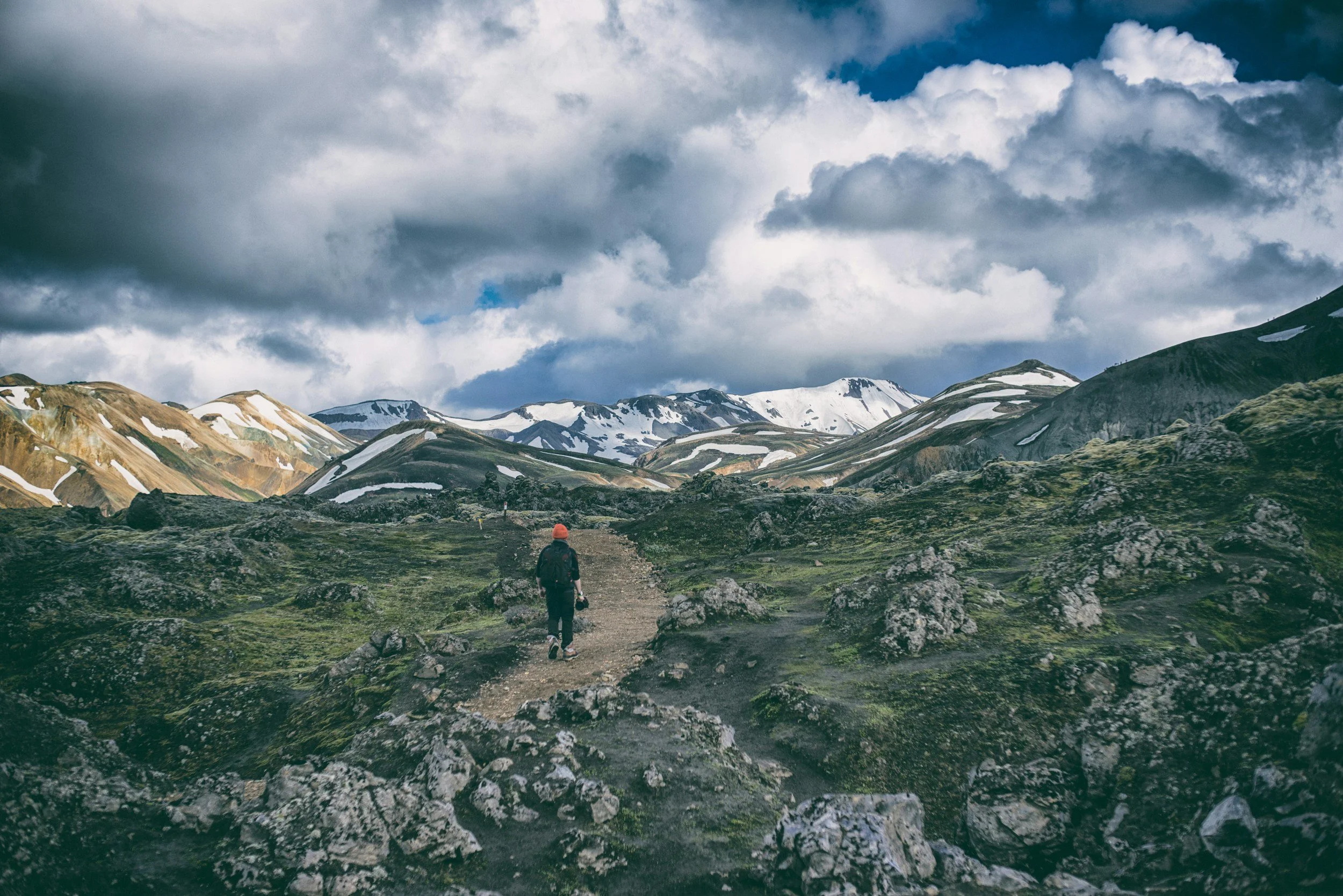
- During a hike or camping trip
- At the beach, a lake, or a riverbank
- On your porch while watching the sunrise or sunset
The more familiar the place, the more you'll notice changes over time.
Tips for Getting Started
- Start small: 10–15 minutes is plenty.
- Don’t worry about being perfect—this is just for you.
- Use bullet points if full sentences feel overwhelming.
- Date every entry so you can track changes over time.
- Go back and re-read your journal from time to time to see patterns or surprises.
Final Thoughts
Nature journaling doesn’t require fancy gear or expert knowledge—it just takes your attention. It’s a simple, rewarding practice that helps you connect to your surroundings and yourself. Next time you hit the trail or sit in your yard, bring a notebook and give it a try.

%20(446%20x%20128%20px)%20(306%20x%20105%20px)%20(2)%20(1).webp)


