.webp)
.png)
Un terreno recreativo es una propiedad sin desarrollar que se adquiere principalmente para actividades al aire libre, en lugar de como vivienda principal. La gente los utiliza para acampar, cazar, practicar todoterreno, acceder a zonas de pesca, hacer senderismo, observar las estrellas o simplemente para poseer un espacio abierto al cual retirarse. Su valor reside en el acceso y la libertad: lo que puedes hacer en el terreno y la facilidad con la que puedes conservarlo a largo plazo.
Esta guía abarca qué es un terreno recreativo, qué puedes hacer con él, cuánto cuesta, cómo financiarlo y dónde encontrarlo en Utah.
Un terreno recreativo es cualquier parcela destinada a actividades y disfrute al aire libre, en lugar de para vivir de forma permanente o para la agricultura comercial. Por lo general, comparte algunas características:
El terreno recreativo es distinto a un lote residencial, que está preparado para una vivienda con servicios públicos, y a un terreno agrícola, que se cultiva o se usa para pastoreo con fines de lucro. Algunas parcelas se solapan: los terrenos agrícolas en Utah se utilizan frecuentemente con fines recreativos, y muchos compradores de terrenos recreativos terminan construyendo o criando ganado.
La respuesta corta: la mayoría de las actividades al aire libre de bajo impacto, además de muchos objetivos de propiedad. Los usos comunes incluyen:
Antes de comprar, siempre confirme los usos permitidos con el condado y cualquier reglamento de subdivisión. Las normas sobre la duración de los campamentos, las estructuras y los animales varían según la ubicación.
El precio depende del tamaño, la ubicación, el acceso, las vistas y la cercanía de los servicios públicos. Las parcelas remotas sin electricidad ni agua en el lugar cuestan mucho menos por acre que las parcelas cercanas a la ciudad con servicios. En gran parte de la zona rural del Intermountain West, los terrenos recreativos son una de las formas más asequibles de poseer bienes raíces, especialmente en comparación con los lotes residenciales edificables.
Para la mayoría de los compradores, la cuestión del costo no es el precio de lista, sino cómo pagarlo. Es más difícil financiar un terreno recreativo a través de un banco tradicional que una casa, y es por eso que el financiamiento del vendedor es importante.
Existen tres caminos comunes:
El financiamiento del vendedor es la vía más accesible para terrenos recreativos sin desarrollar, ya que la aprobación no depende de una hipoteca tradicional. Así es como muchos vendedores de tierras rurales, incluidos Mountains West Ranches, estructuran sus ventas.
Antes de comprar, verifique estos seis puntos:
Obtener respuestas claras sobre estos puntos lo protege de los errores más comunes al comprar terrenos recreativos.
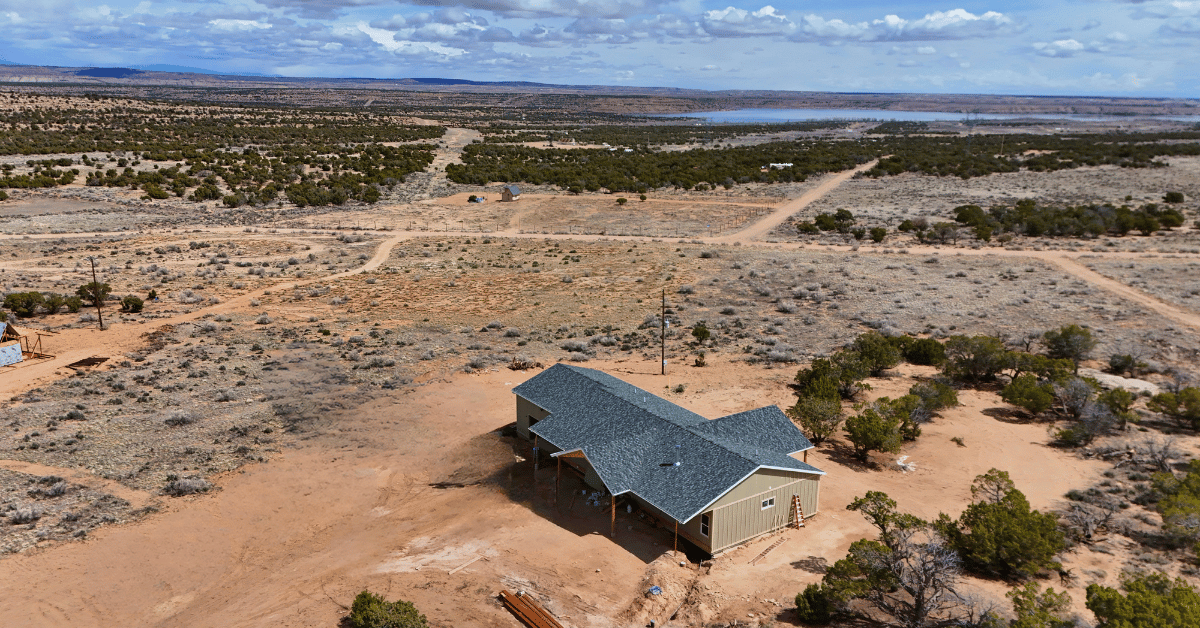
Utah es uno de los mejores estados para adquirir terrenos recreativos, ya que gran parte de su territorio consiste en desiertos altos y zonas montañosas con acceso a tierras públicas. El condado de Duchesne, en la parte noreste del estado, es una zona muy conocida por sus terrenos recreativos asequibles. Ofrece espacios abiertos, vistas a montañas y mesetas, acceso a las montañas Uinta y cercanía a embalses, ríos y tierras públicas para cazar y pasear.
Mountains West Ranches vende terrenos recreativos y agrícolas con financiamiento directo del propietario en el condado de Duchesne, Utah. Las parcelas se distribuyen en siete subdivisiones: Buck Horn Mesa, Conejo Hills, Coyote Hills Norte, Sand Cliff Acres, Fruitland Farms, Sundance West y Argyle Canyon. Cada una ofrece terrenos abiertos ideales para acampar, practicar todoterreno, acceder a zonas de caza y disfrutar de la propiedad a largo plazo.
Mountains West Ranches financia sus parcelas directamente, sin verificación de crédito, con un pago inicial mínimo de $1,000, una tasa de interés anual del 9.9% y plazos de 10 o 15 años. Debido a que el financiamiento se gestiona internamente, los compradores pueden adquirir terrenos recreativos en Utah sin necesidad de calificar para un préstamo bancario.
¿Es el terreno recreativo una buena inversión?Los terrenos recreativos pueden mantener o aumentar su valor con el tiempo, especialmente en áreas con oferta limitada y una creciente demanda de espacios abiertos. Sin embargo, para la mayoría de los propietarios, su valor principal radica en el uso: el acceso, la privacidad y la libertad que brindan.
¿Se puede vivir en un terreno recreativo?A veces, pero depende de la zonificación del condado y de las reglas de la subdivisión. Muchas parcelas recreativas permiten acampar y estancias temporales, y algunas permiten construir una cabaña o casa con el tiempo. Siempre confirme antes de comprar.
¿Se puede comprar un terreno recreativo sin verificación de crédito?Sí, cuando el vendedor ofrece financiamiento directo. Mountains West Ranches, por ejemplo, vende terrenos recreativos en el condado de Duchesne, Utah, sin verificación de crédito y con un pago inicial mínimo bajo.
¿Cuál es la diferencia entre un terreno recreativo y uno agrícola?El terreno recreativo se utiliza principalmente para actividades al aire libre y esparcimiento. El terreno agrícola se destina a generar ingresos mediante la agricultura o el pastoreo. En las zonas rurales de Utah, es común que un mismo terreno sea apto para ambos fines.
¿Cuánto se necesita de enganche para comprar un terreno recreativo?Depende del vendedor. Con el financiamiento directo de Mountains West Ranches, el pago inicial mínimo es de $1,000 dólares.